Writing

Critical theory on visual culture, reflections on my own photographic practice, and others who have influenced my work.

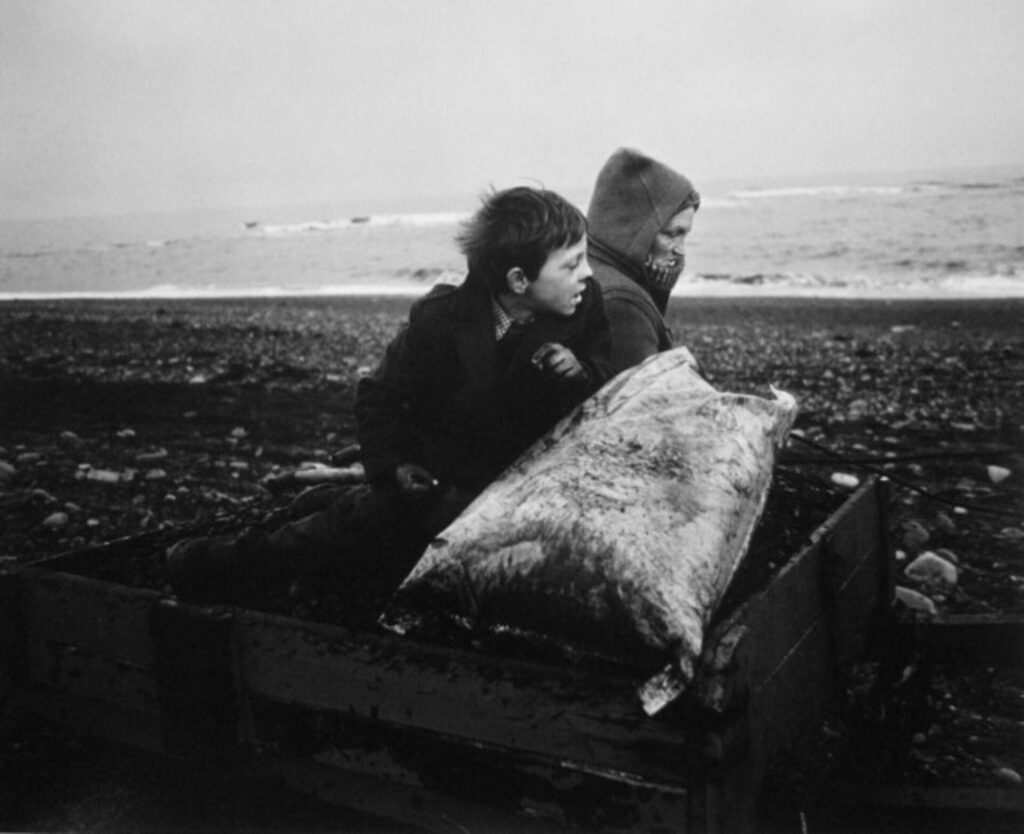
Chris Killip, “Rocker” and Rosie Going Home, Seacoal Beach, Lynemouth, Northumberland, 1983–84.
Artist Studies

Chris Killip and the Limits of Proximity

Chris Killip spent years returning to communities reshaped by industrial decline, sometimes living among the people he photographed. His photographs show what proximity can make visible, and why access never becomes possession.
Artist Studies

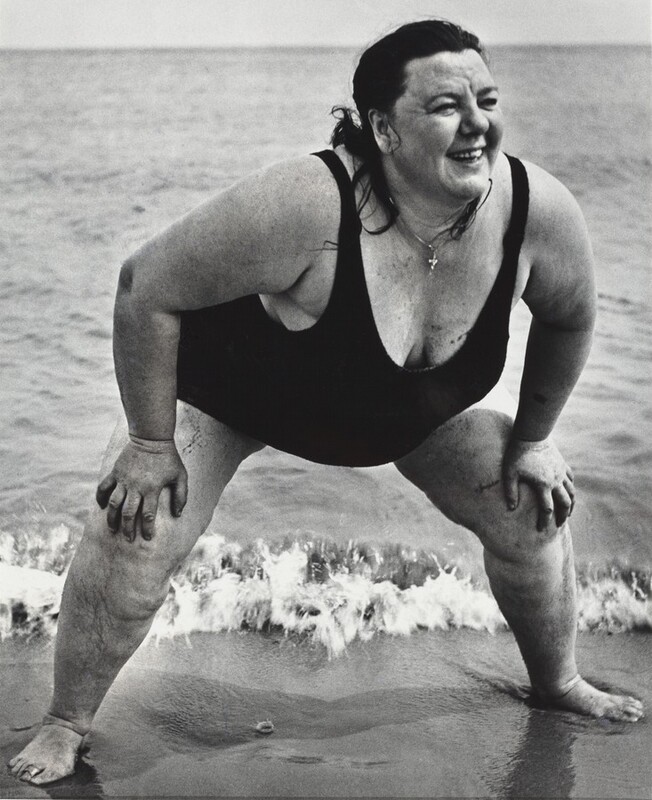
Lisette Model and the Cruelty of the Frame

Lisette Model's close, abrasive photographs made bodies feel impossible to evade. Her long-shelved jazz project reveals that the familiar “cruel camera” was only one part of the work—and that an artist's reputation can itself become a crop.

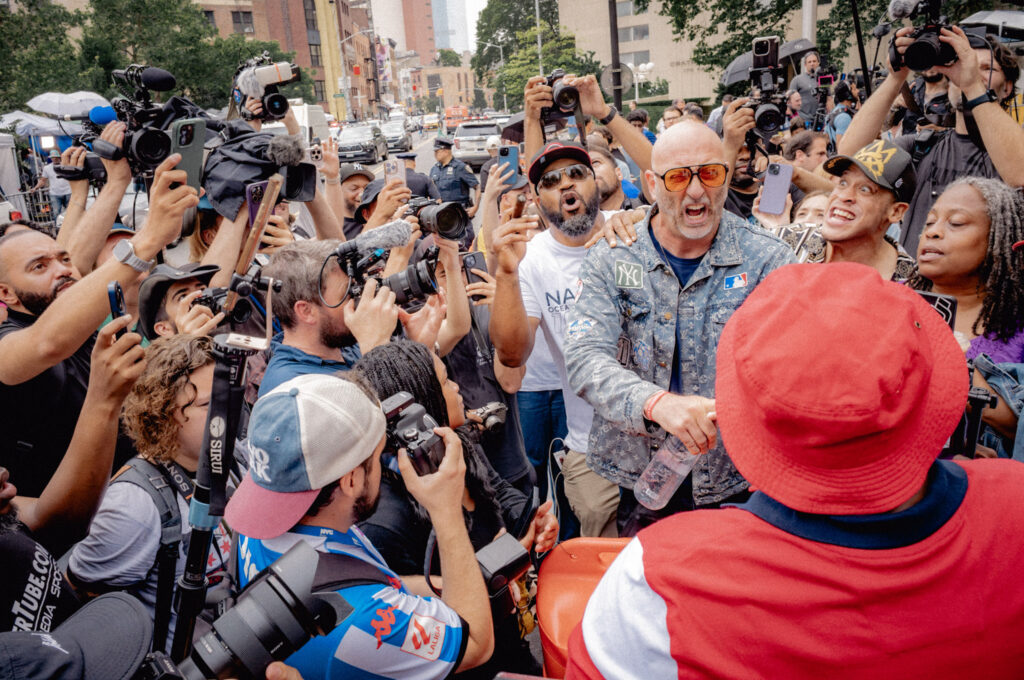
Diddy supporters and detractors face off outside the courthouse the day of the verdict.
Ideas & Arguments

The Myth of Objectivity: How Press Photography Produces Reality

A photograph can be factually authentic and still organize the world through captions, crops, assignments and repetition. Objectivity becomes credible only when journalism accounts for the decisions that turn an encounter into evidence and evidence into social identity.

Artist Studies

Meditations on how other photographers build worlds. See all 7
Artist Studies

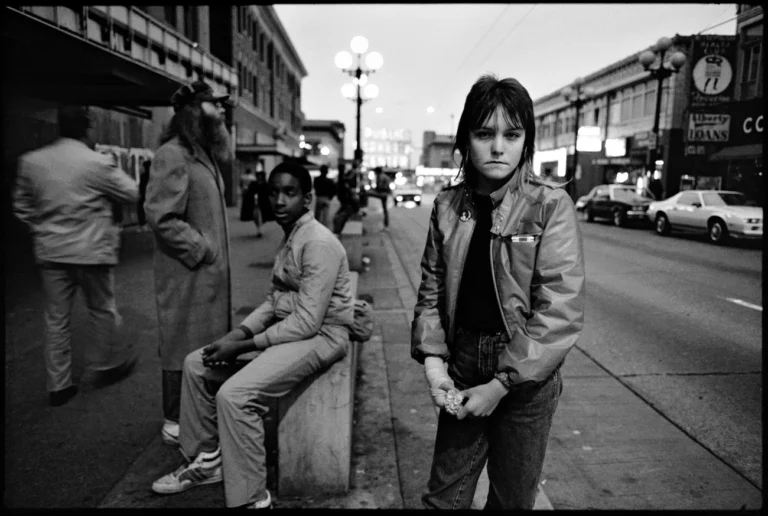
Mary Ellen Mark: The Ethics of Seeing

Mary Ellen Mark built her documentary practice through encounters that were embedded, revisited or carefully staged. Her subjects look back, pose, speak and change, but intimacy does not erase the unequal power to select, publish and leave.

Field Notes

Notes and thoughts on my artistic and critical process. See all 2
Field Notes

The City as Living Archive

A city does not become an archive because it remembers everything. It becomes one through the fragments photographers select, caption, sequence and return to, each preserving a real encounter without exhausting its meaning.

Ideas & Arguments

Image-reality tensions examined through postmodern, psychoanalytic and critical theory lenses. See all 4
Ideas & Arguments

How Photography Became Art—and Who Got to Decide

The camera made authorship difficult to see. Courts, critics and museums responded by treating pose, timing, printing and selection as evidence of an artist. Their answer admitted photography into art while leaving most ordinary photographs outside the story.

Ideas & Arguments

Why I Reject the Pretense of Documentary Neutrality

Neutrality taught me useful disciplines: verify, do not stage and do not let a caption outrun the evidence. It also taught me to mistake professional restraint for the absence of a position. Rejecting that fiction does not make subjectivity virtuous. It makes the photographer more answerable for what an image claims and what happens after it circulates.

Read by Theorist

The theorists whose ideas these essays work through.

Read by Photographer

The photographers these essays engage with.

The Archive

Everything, in order.
2026
Aug 8

Chris Killip and the Limits of Proximity

Artist Studies
Jul 23

Lisette Model and the Cruelty of the Frame

Artist Studies
Jul 7

The Myth of Objectivity: How Press Photography Produces Reality

Ideas & Arguments
Jun 6

How Photography Became Art—and Who Got to Decide

Ideas & Arguments
May 10

Mary Ellen Mark: The Ethics of Seeing

Artist Studies
Apr 7

The City as Living Archive

Field Notes
Mar 9

Why I Reject the Pretense of Documentary Neutrality

Ideas & Arguments
Feb 11

Double Exposure: How Kyoto and I Became Each Other’s Props

Field Notes
Jan 8

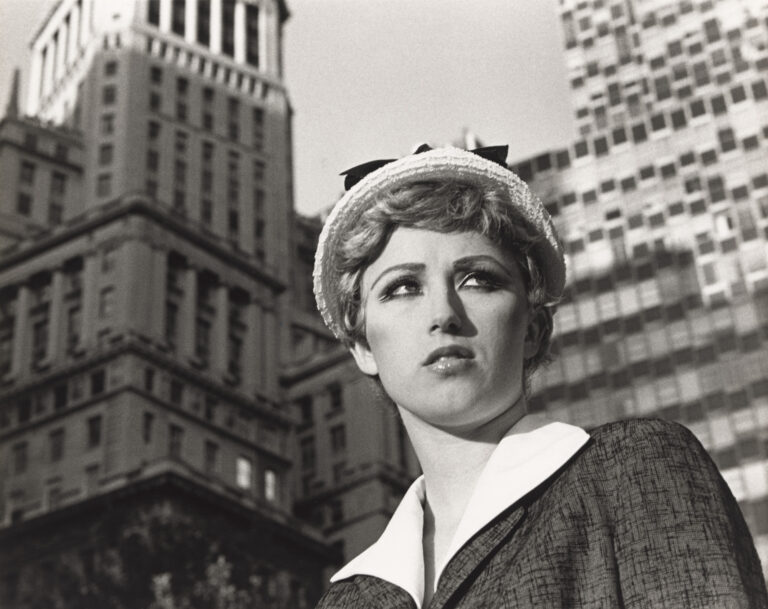
Cindy Sherman’s Deepfake Ghost: Performing Identity

Artist Studies
2025
Dec 11

A Postmodern Defense of Street Photography Against Susan Sontag’s Moralism

Ideas & Arguments
Nov 9

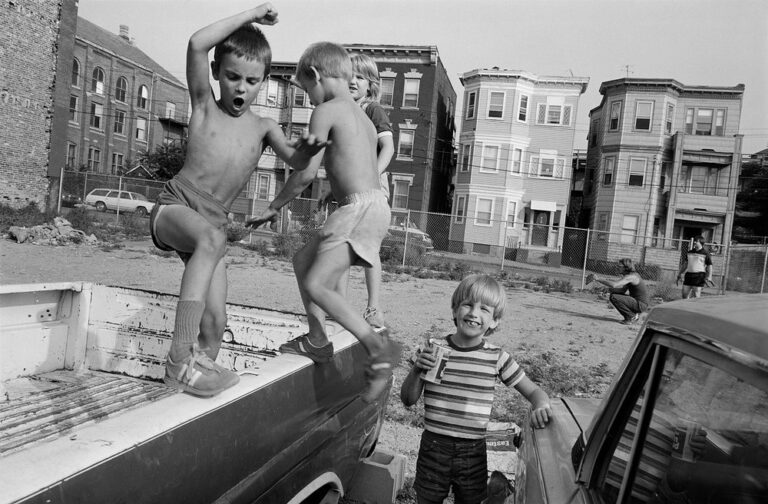
Sage Sohier: Human Connection and Social Relationships

Artist Studies
Oct 10

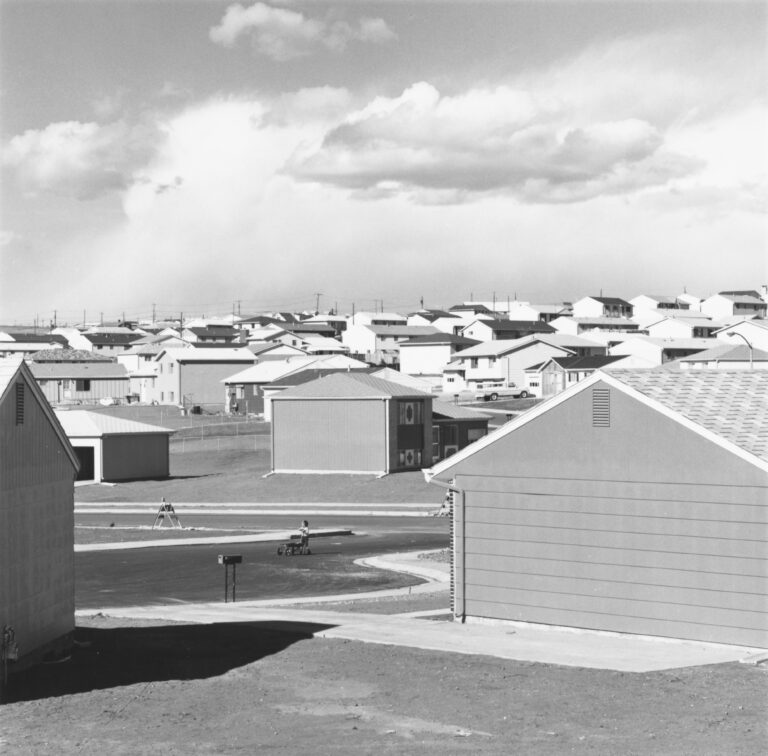
Robert Adams and the Moral Burden of Beauty

Artist Studies
Sep 13

Henri Cartier-Bresson and the Myth of the Decisive Moment

Artist Studies