Person
Roland Barthes
Seminal French theorist who analyzed photography’s meaning in Camera Lucida and explored myth in media.
Writing that references this work:
-
The Myth of Objectivity: How Press Photography Produces Reality
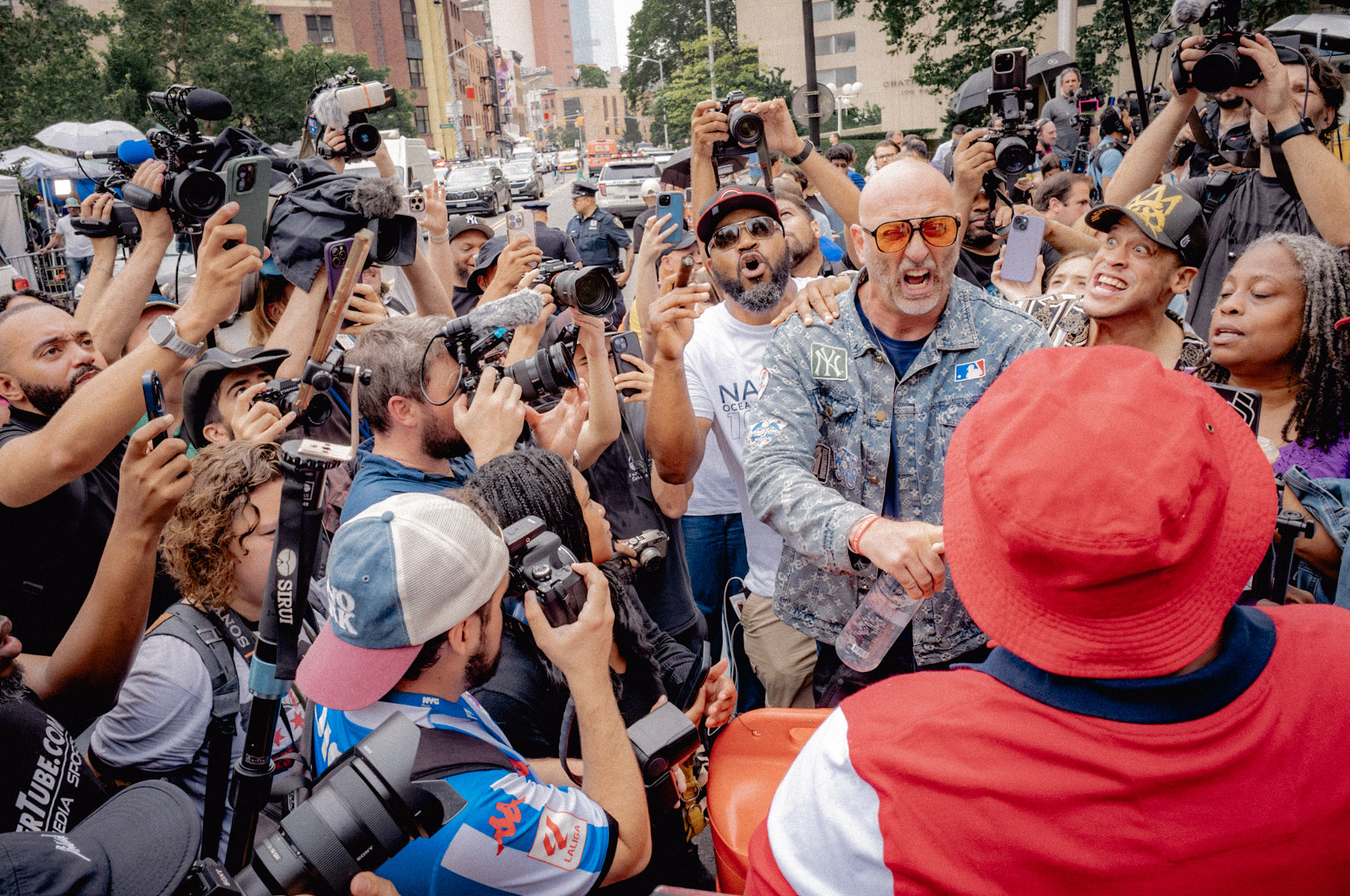
A photograph can be factually authentic and still organize the world through captions, crops, assignments and repetition. Objectivity becomes credible only when journalism accounts for the decisions that turn an…
-
Mary Ellen Mark: The Ethics of Seeing
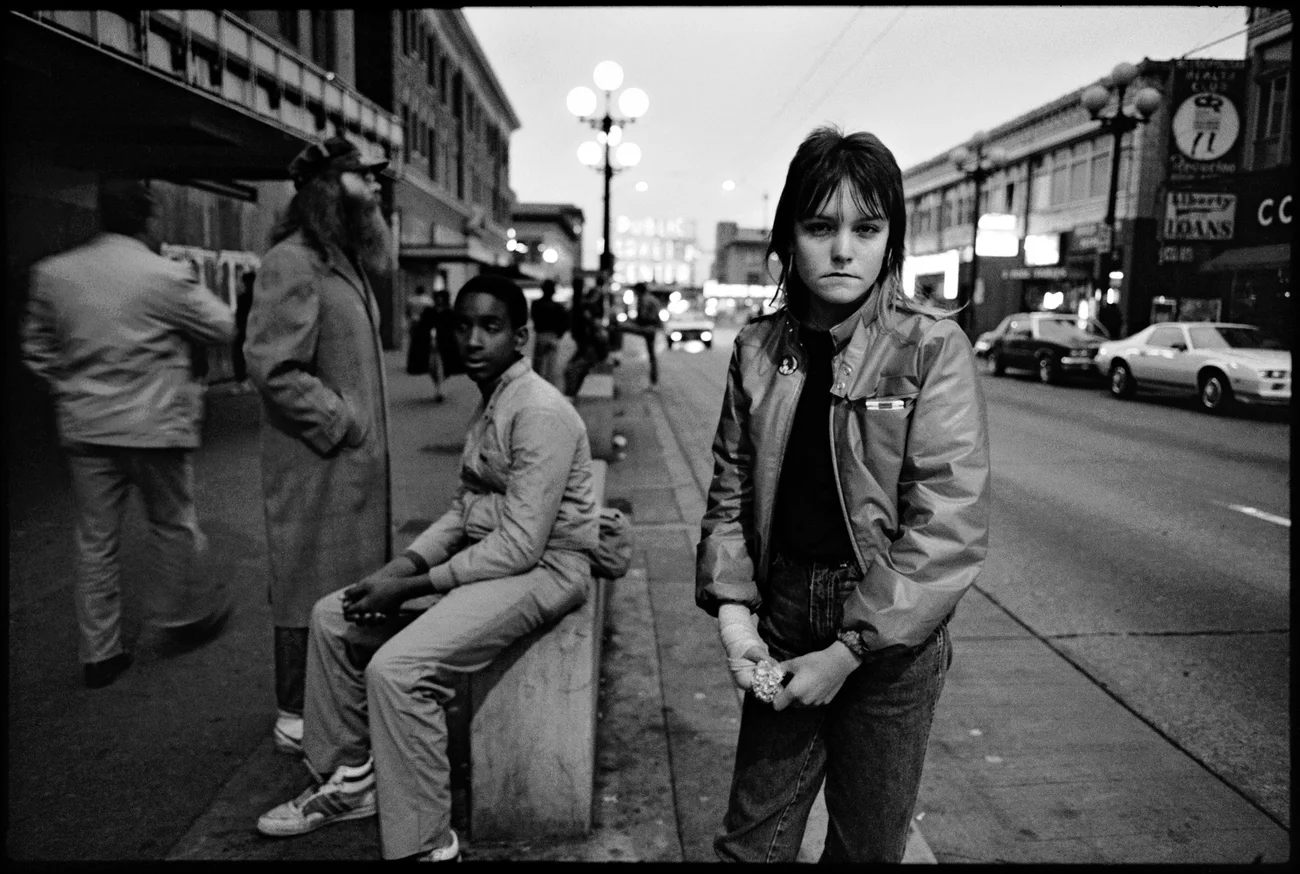
Mary Ellen Mark built her documentary practice through encounters that were embedded, revisited or carefully staged. Her subjects look back, pose, speak and change, but intimacy does not erase the…
-
The City as Living Archive
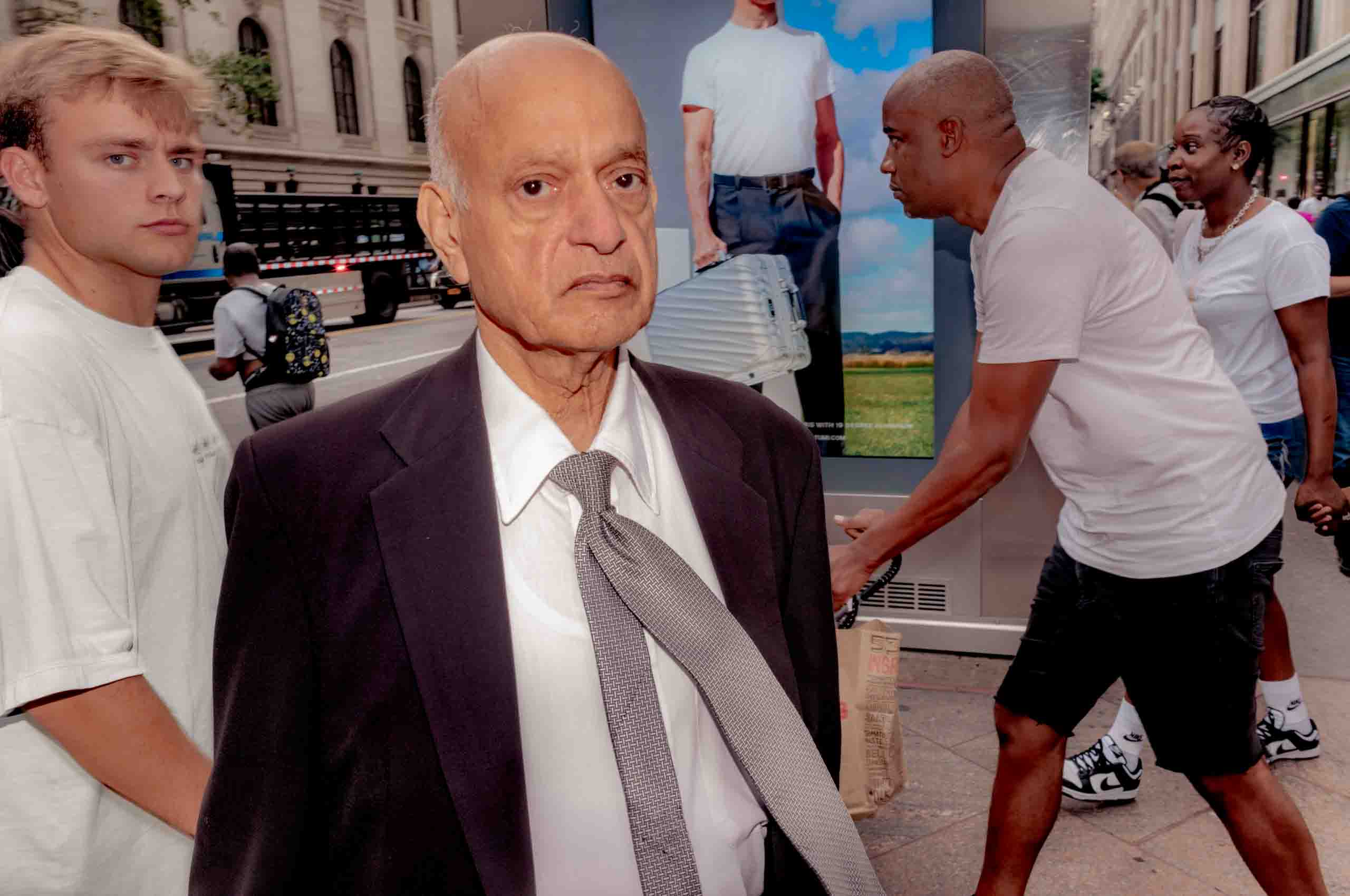
A city does not become an archive because it remembers everything. It becomes one through the fragments photographers select, caption, sequence and return to, each preserving a real encounter without…

-
Why I Reject the Pretense of Documentary Neutrality
Neutrality taught me useful disciplines: verify, do not stage and do not let a caption outrun the evidence. It also taught me to mistake professional restraint for the absence of…
-
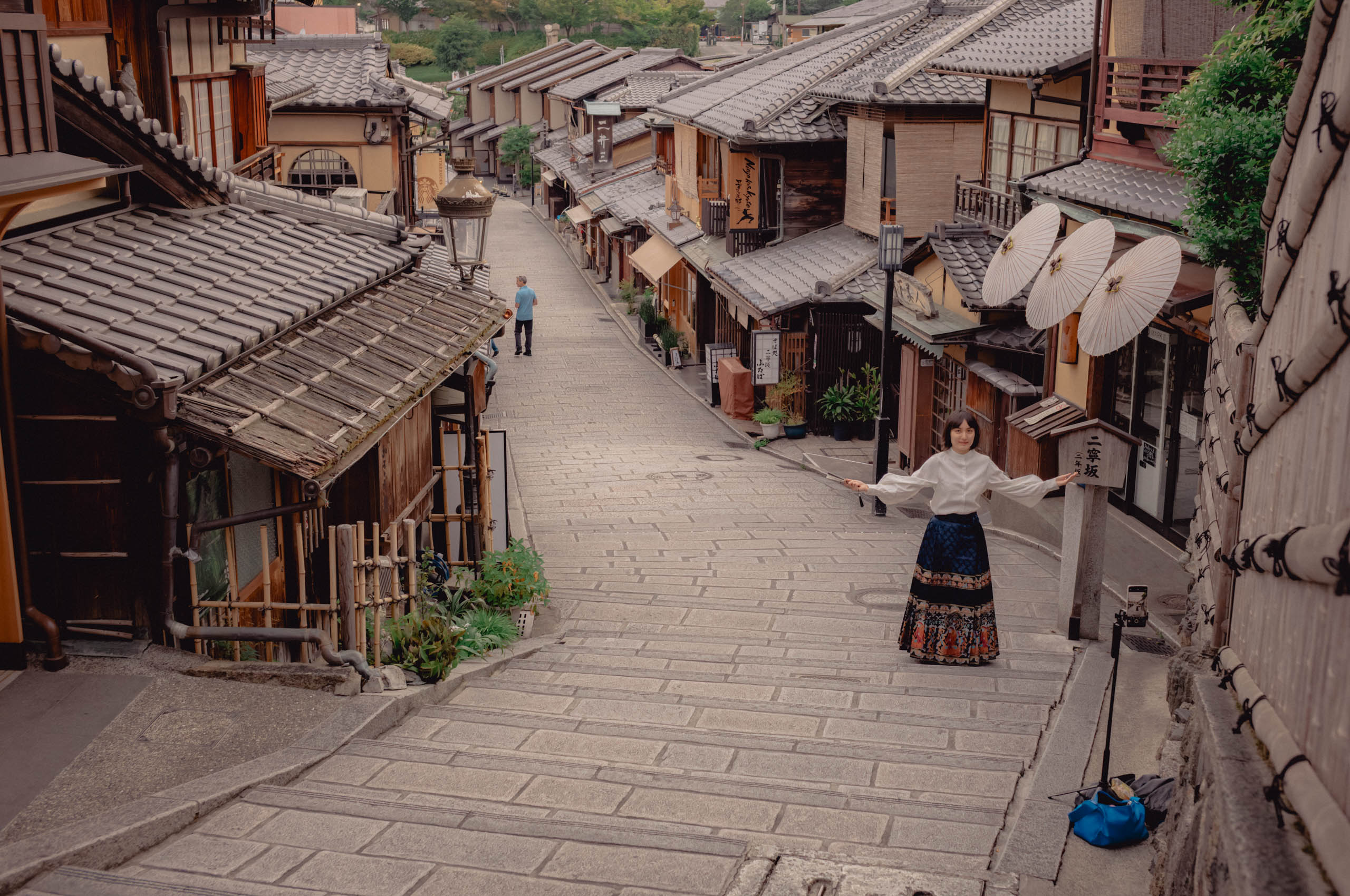
Double Exposure: How Kyoto and I Became Each Other’s Props
In Kyoto, tourists arrive with pictures already in mind, and the city adapts to help produce them. Photographing that circuit critically does not place me outside it. It makes my…
-
A Postmodern Defense of Street Photography Against Susan Sontag’s Moralism
Sontag diagnosed postmodern image culture, then judged it with a modernist moral vocabulary. A committed postmodernist defends street photography through situated responsibility, not innocence.