Visual Studies / 035

Phnom Penh, Cambodia

2026

Phnom Penh: Within the Wats

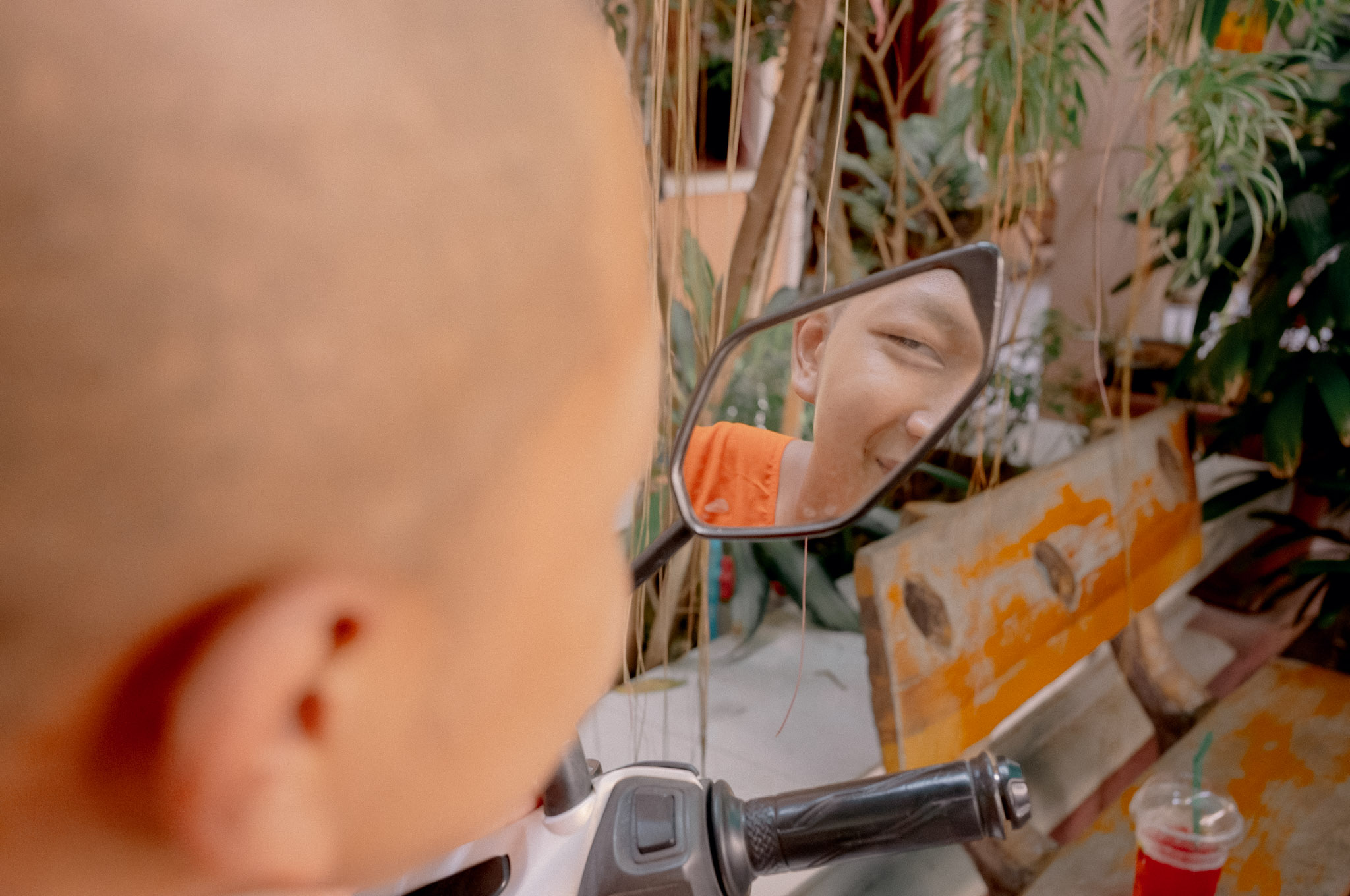
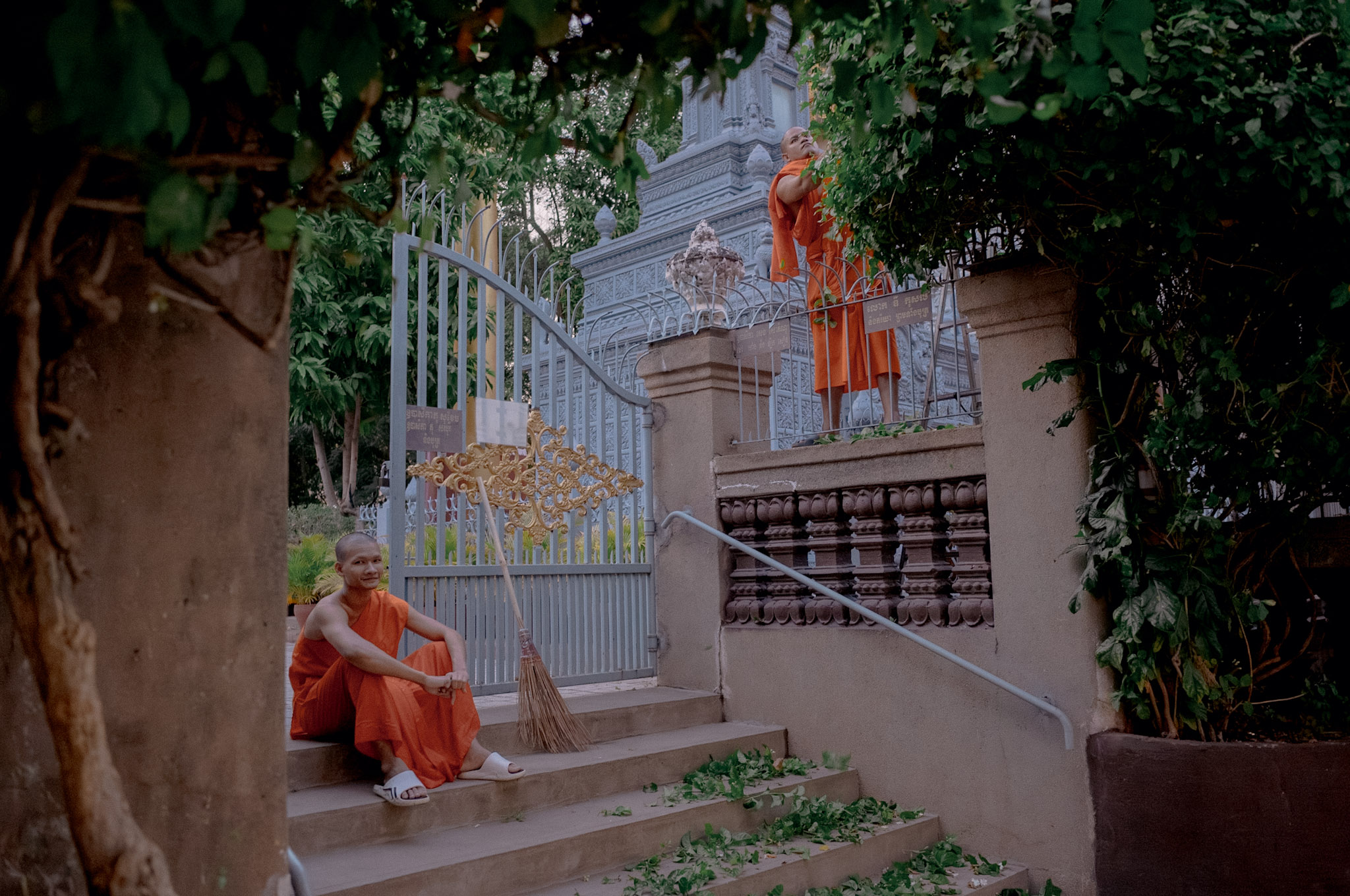
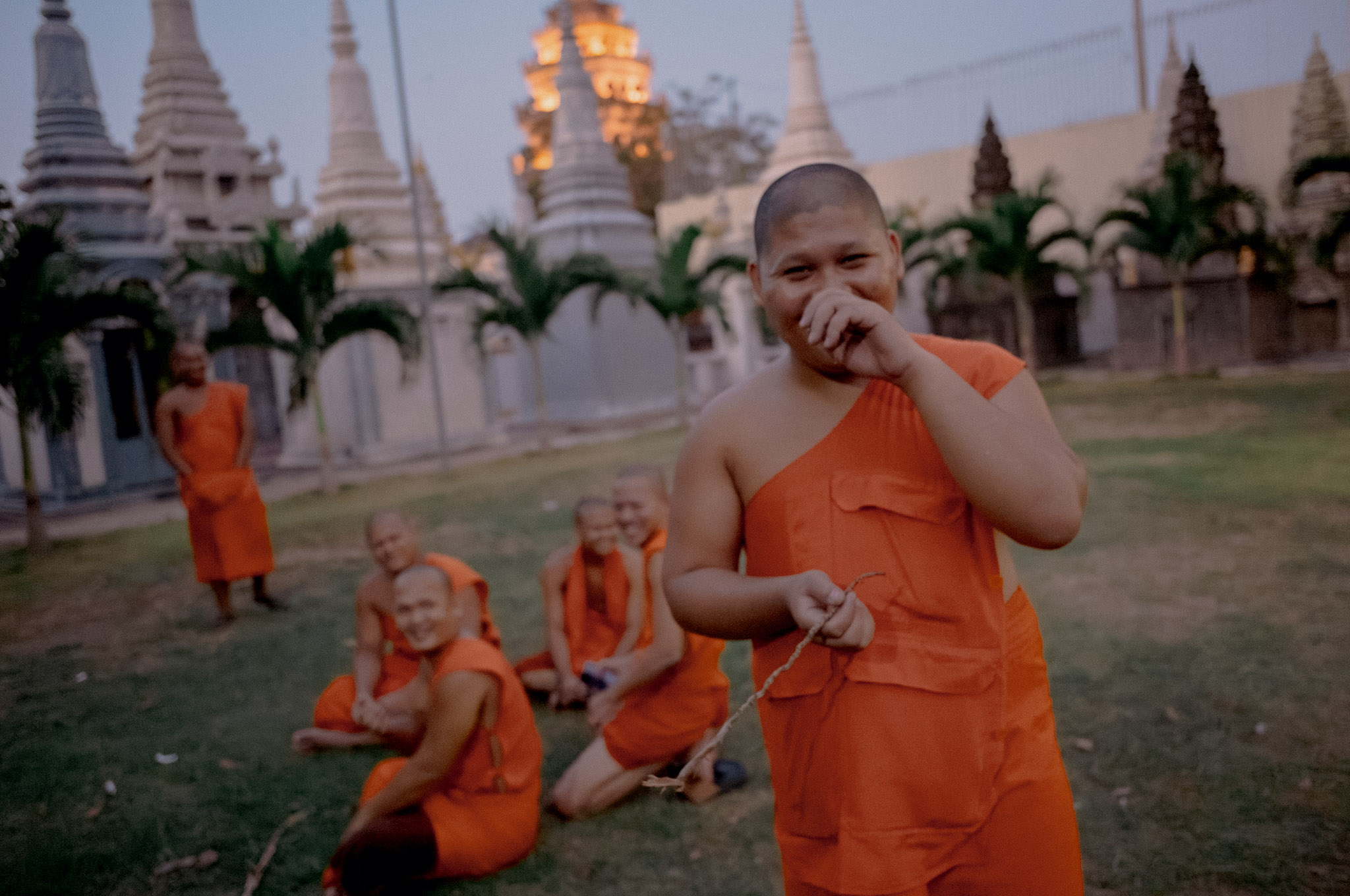
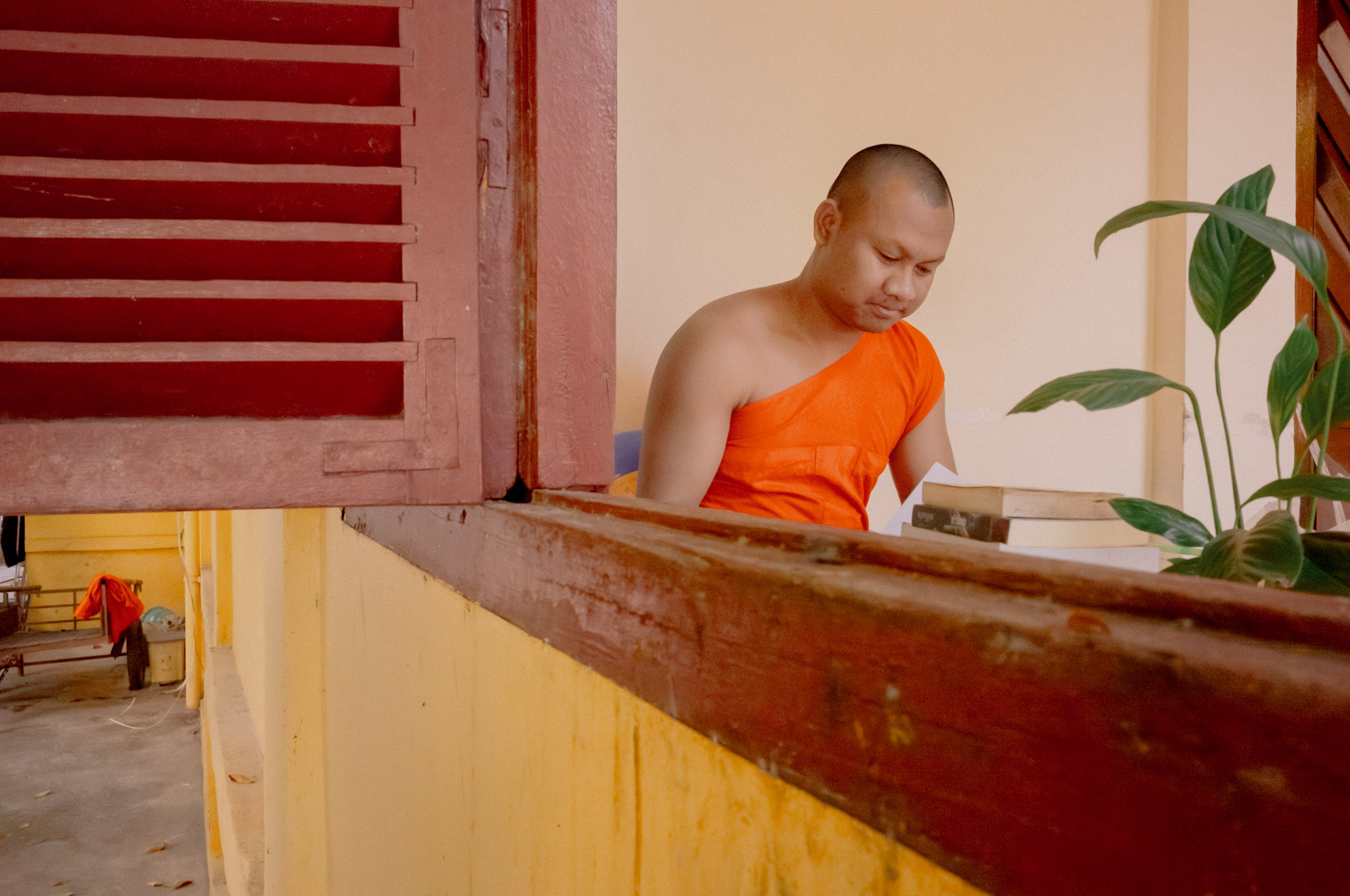
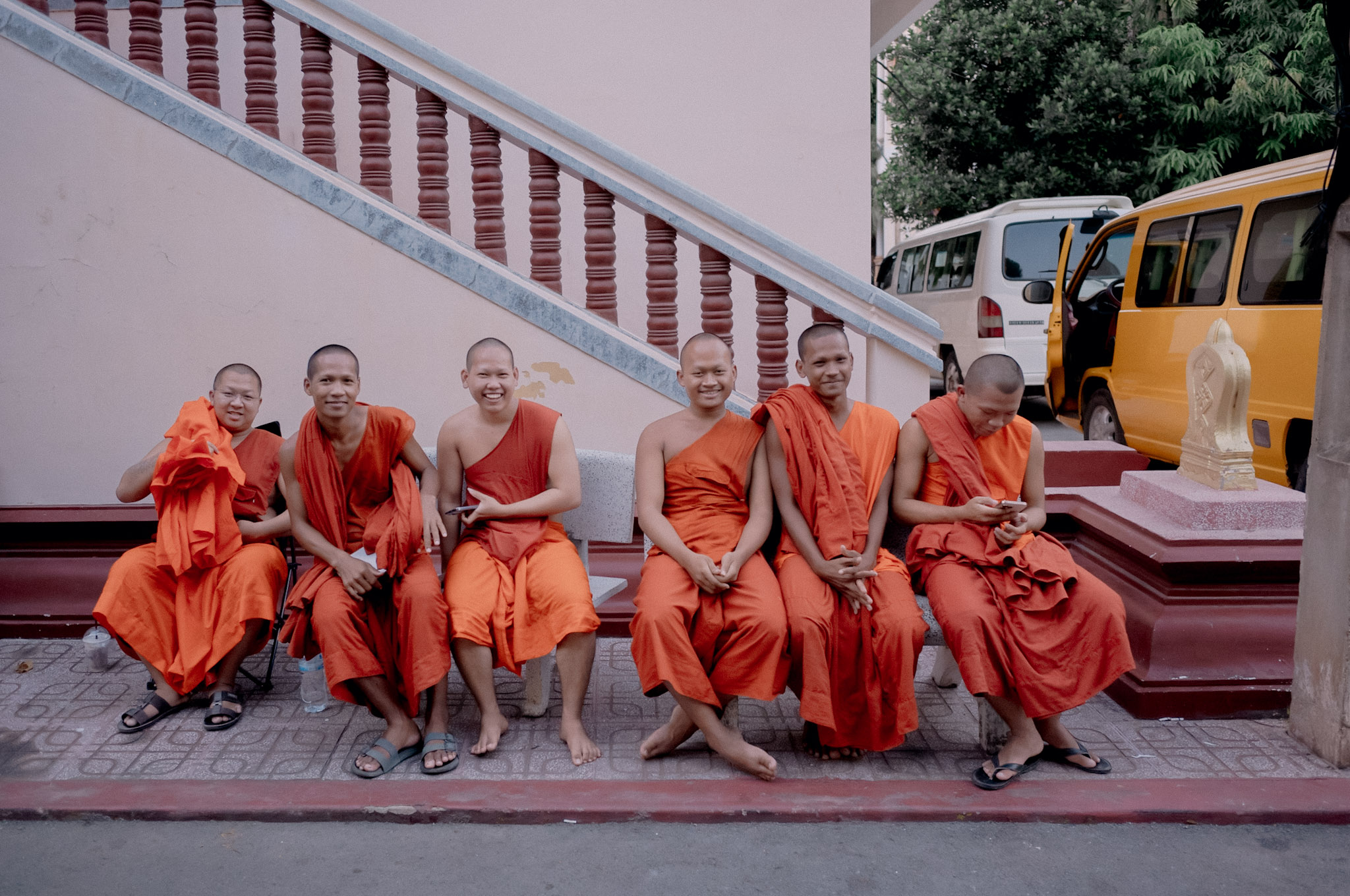
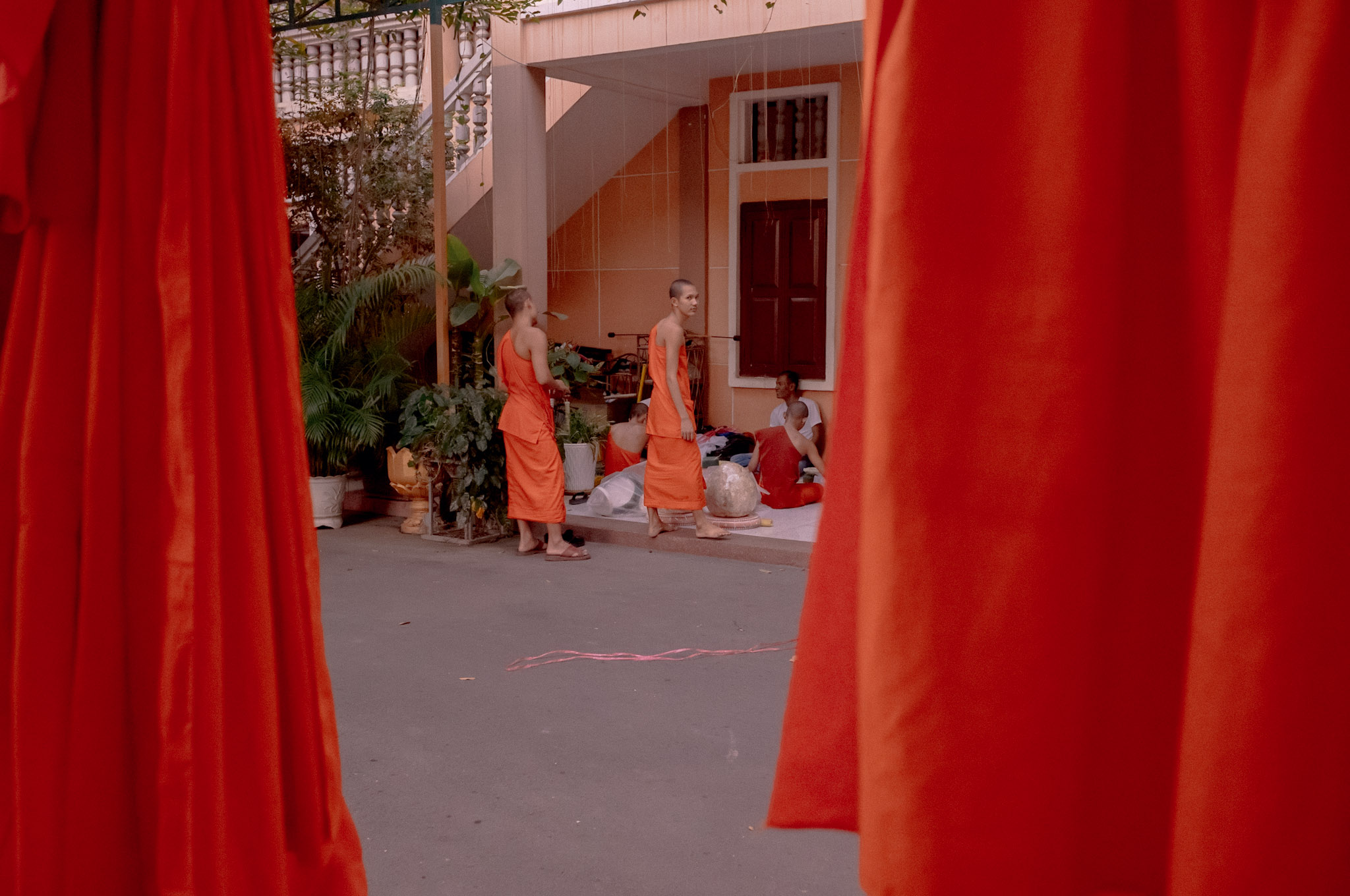
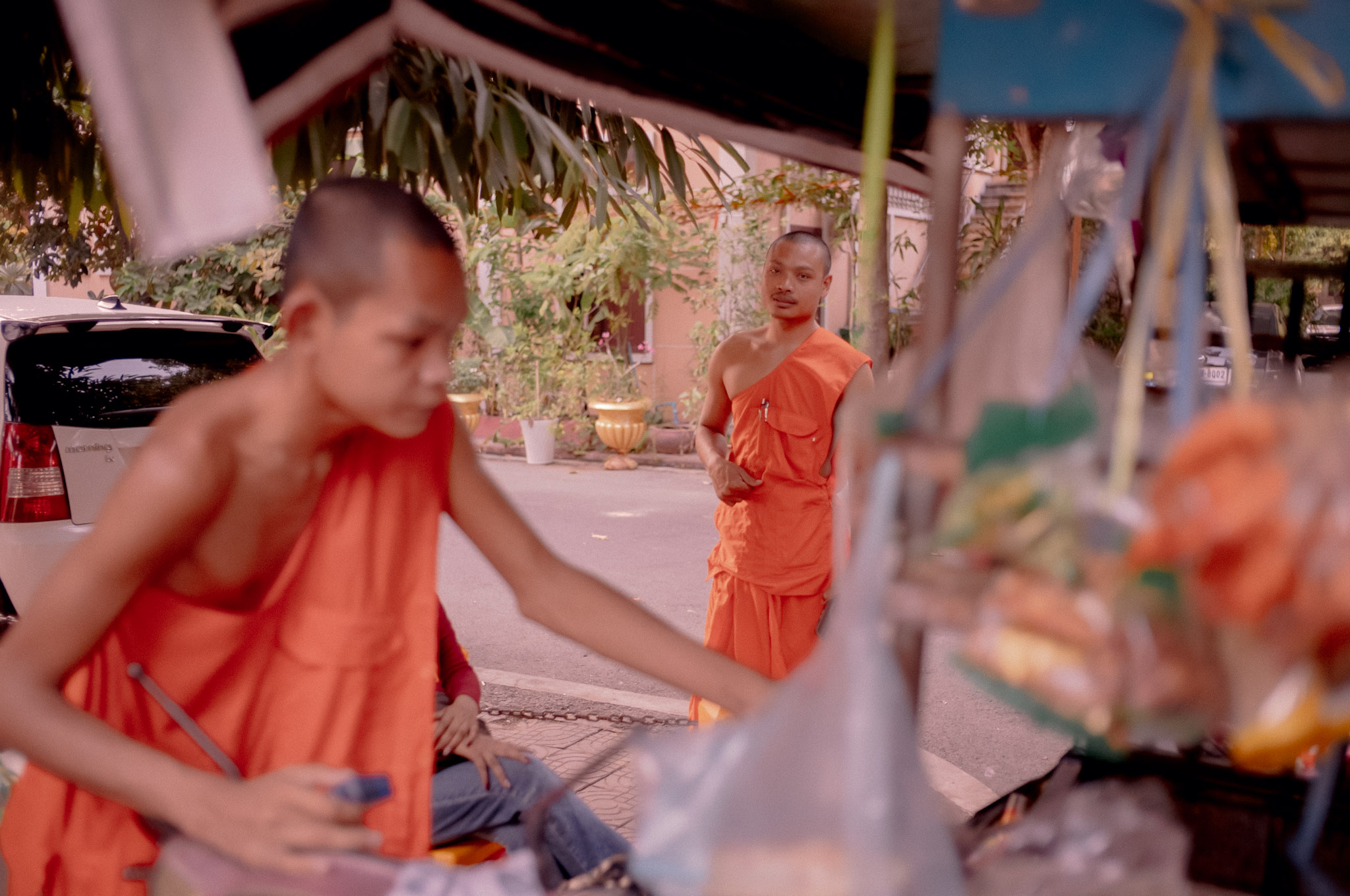
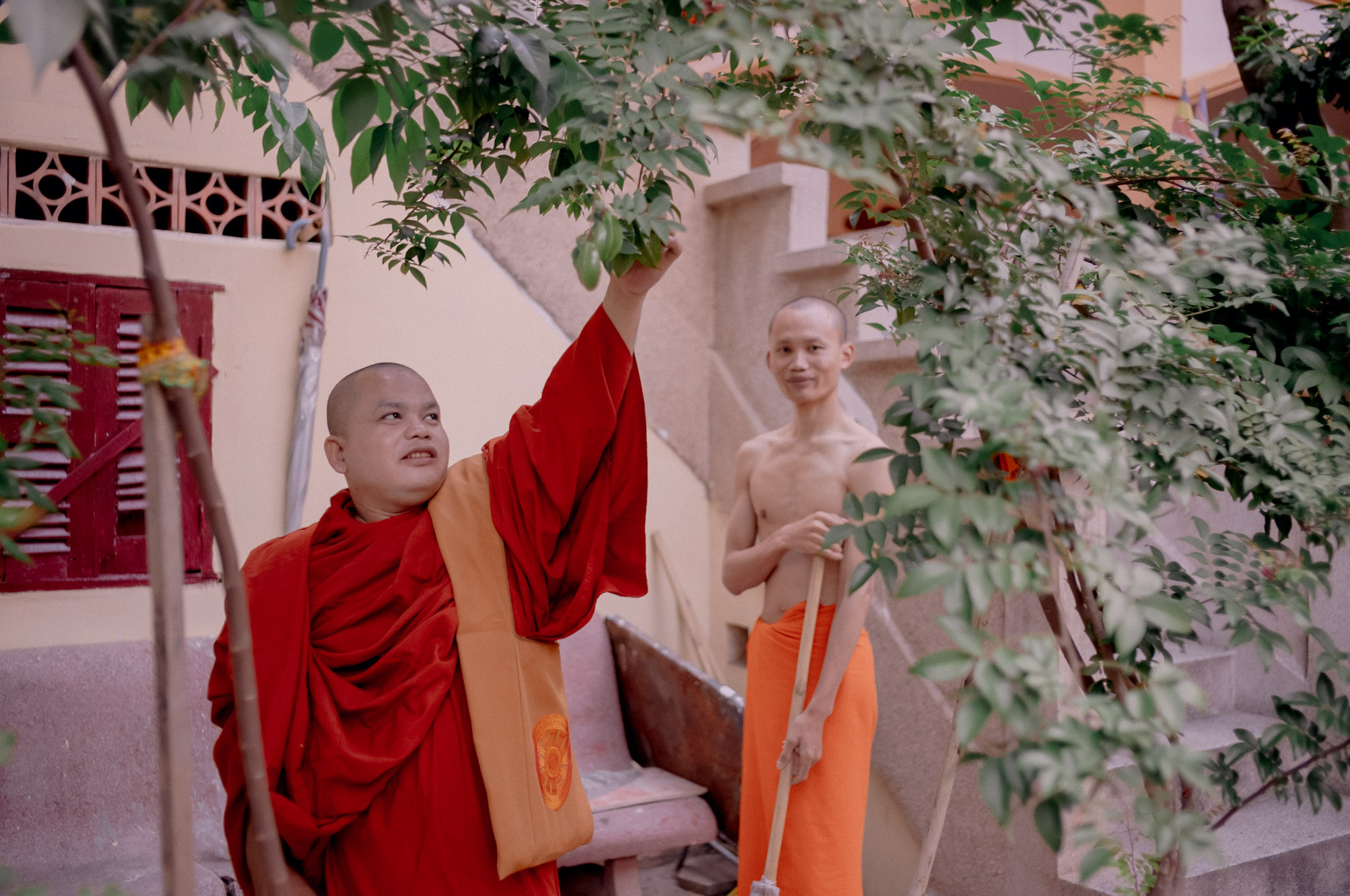
Returning to Phnom Penh’s monasteries years after living in the city, I photographed the daily rhythms and relationships that came into focus through repeated visits.

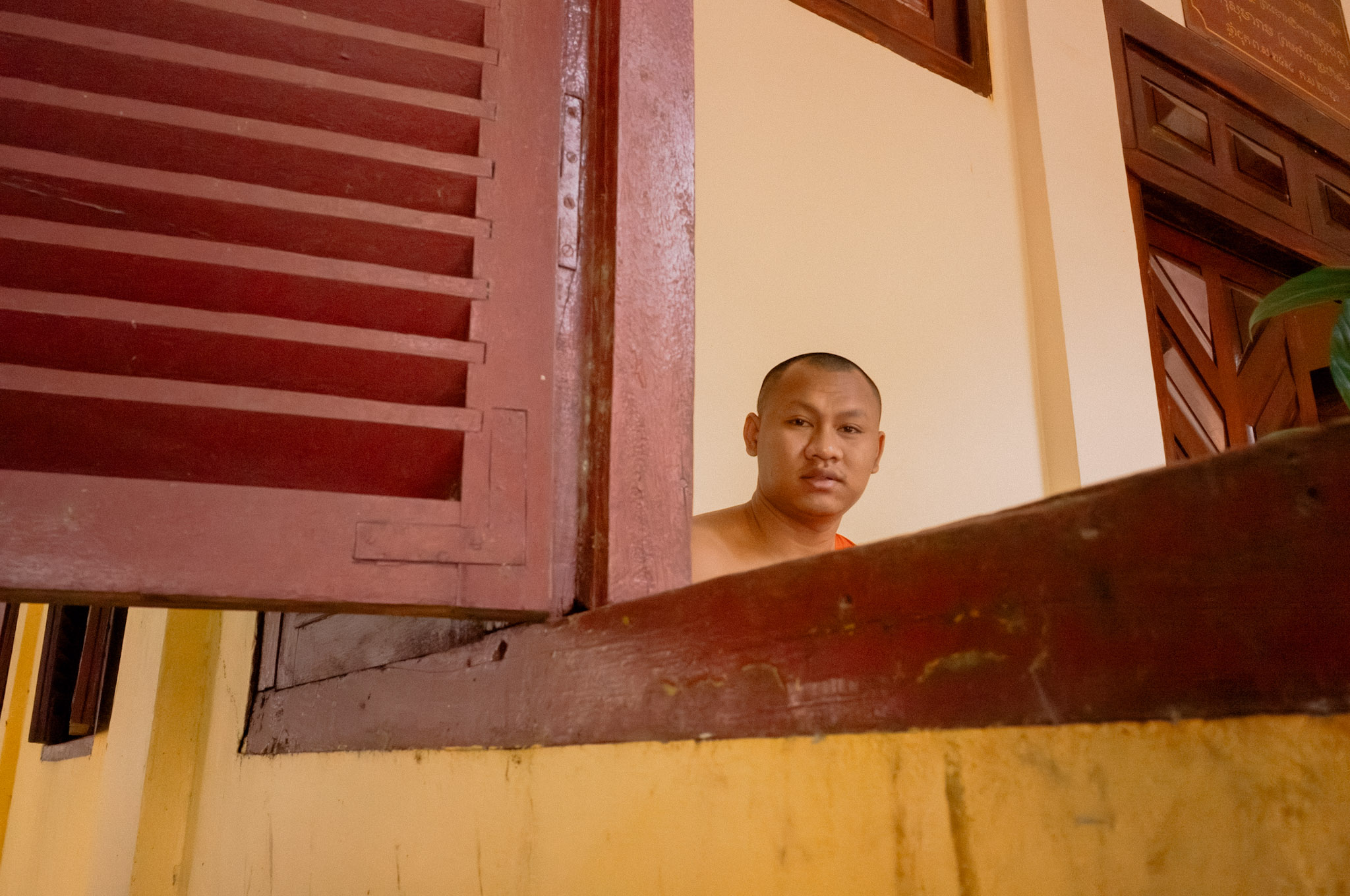
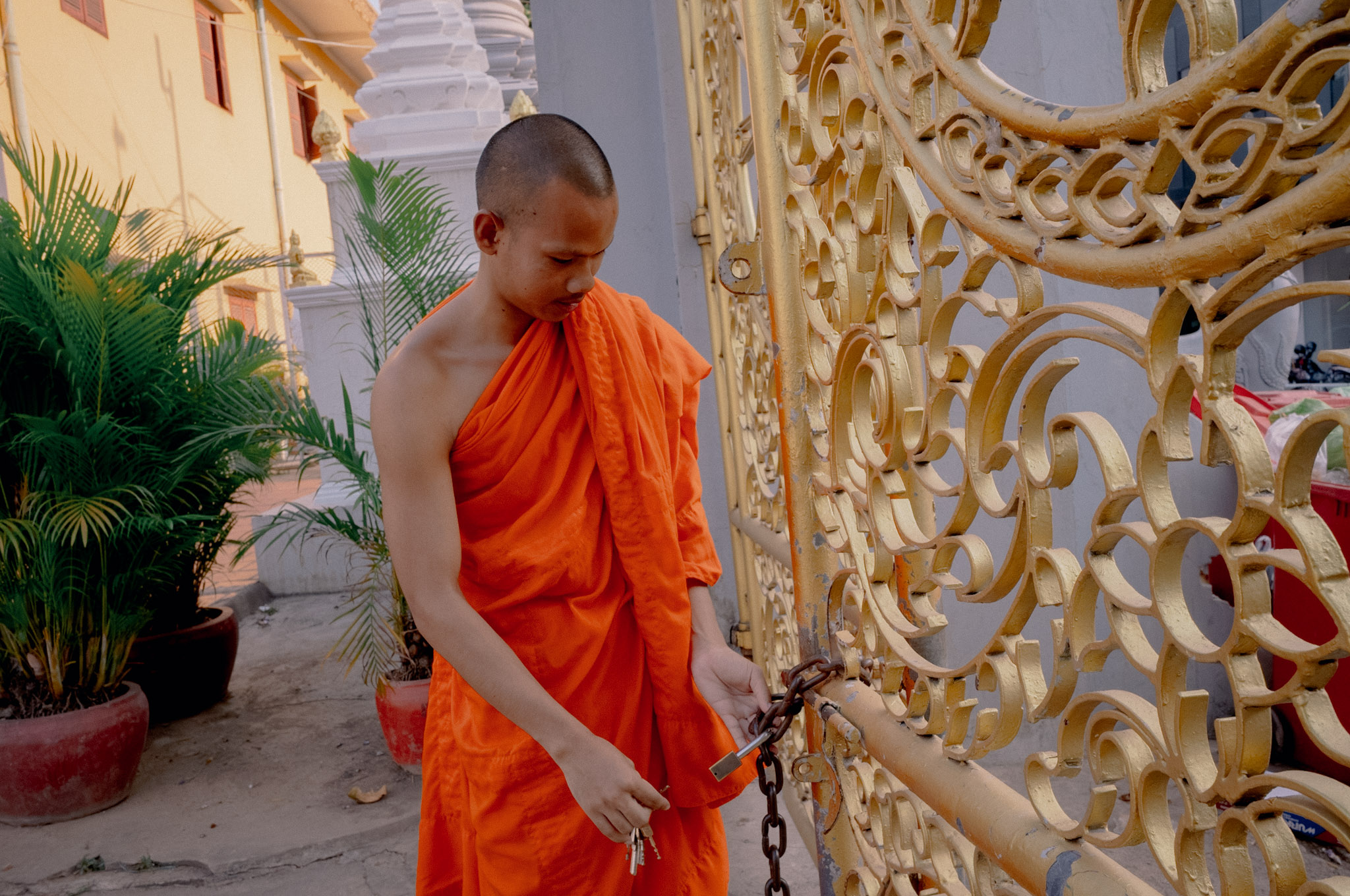
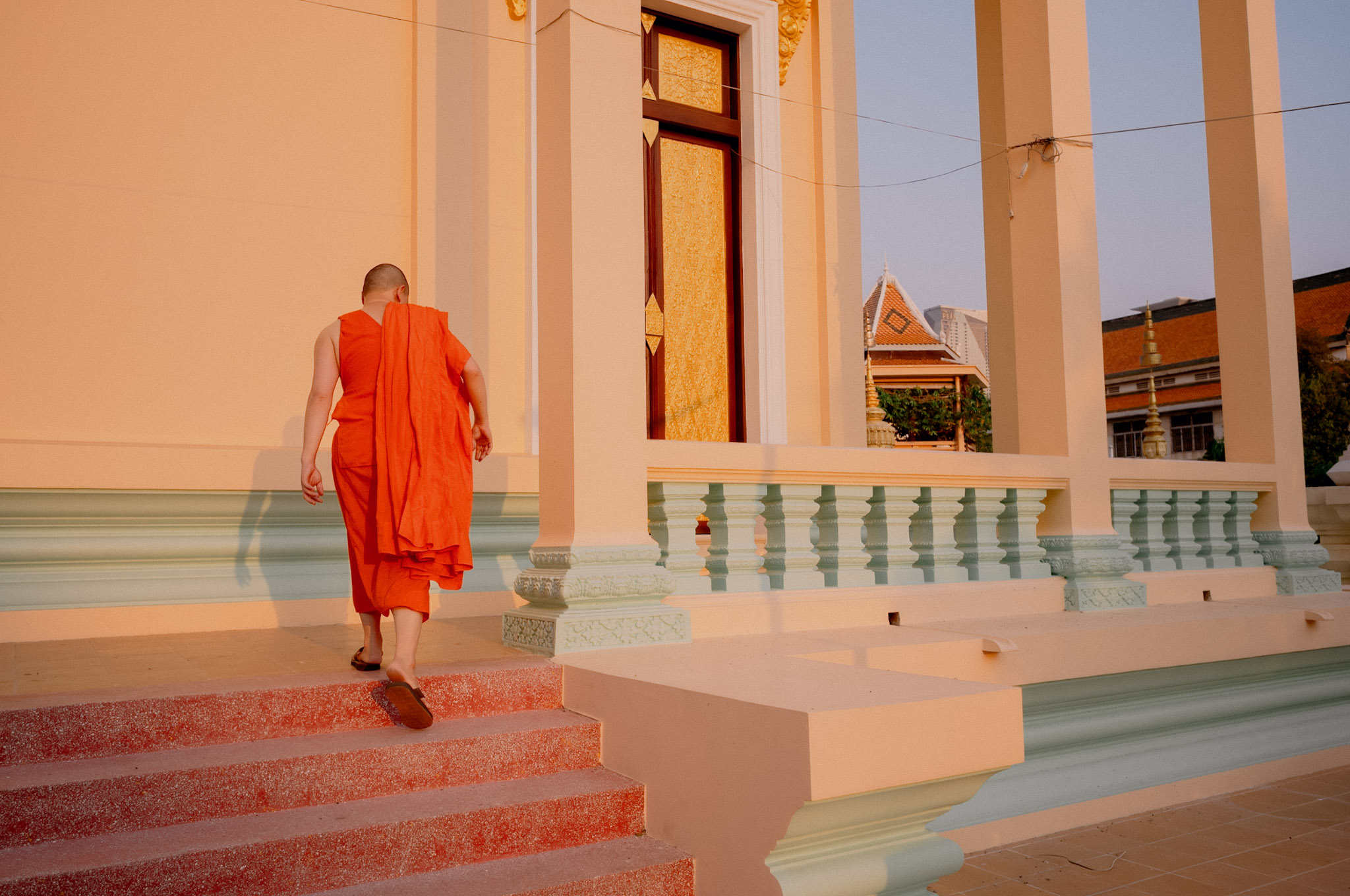
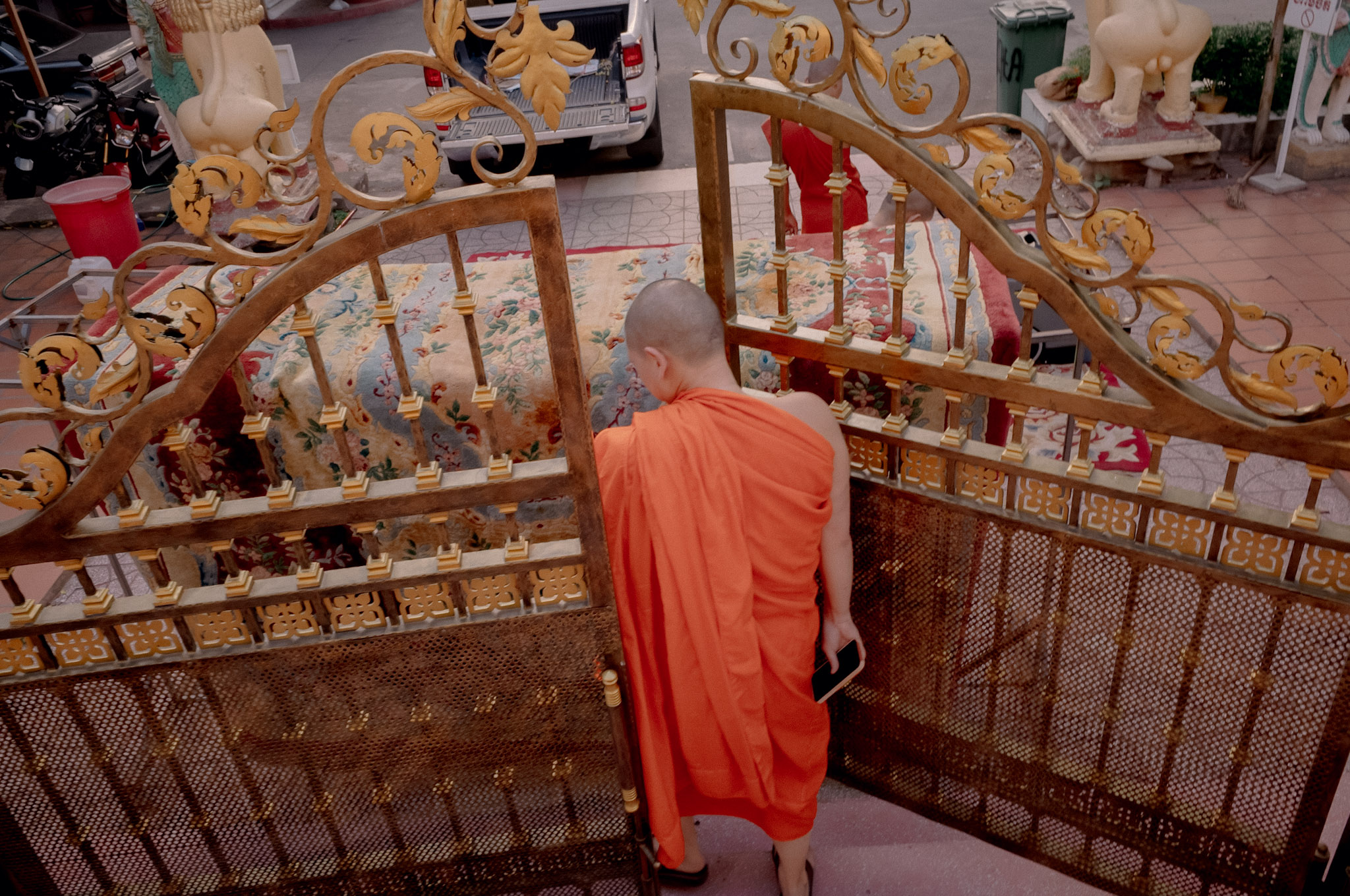
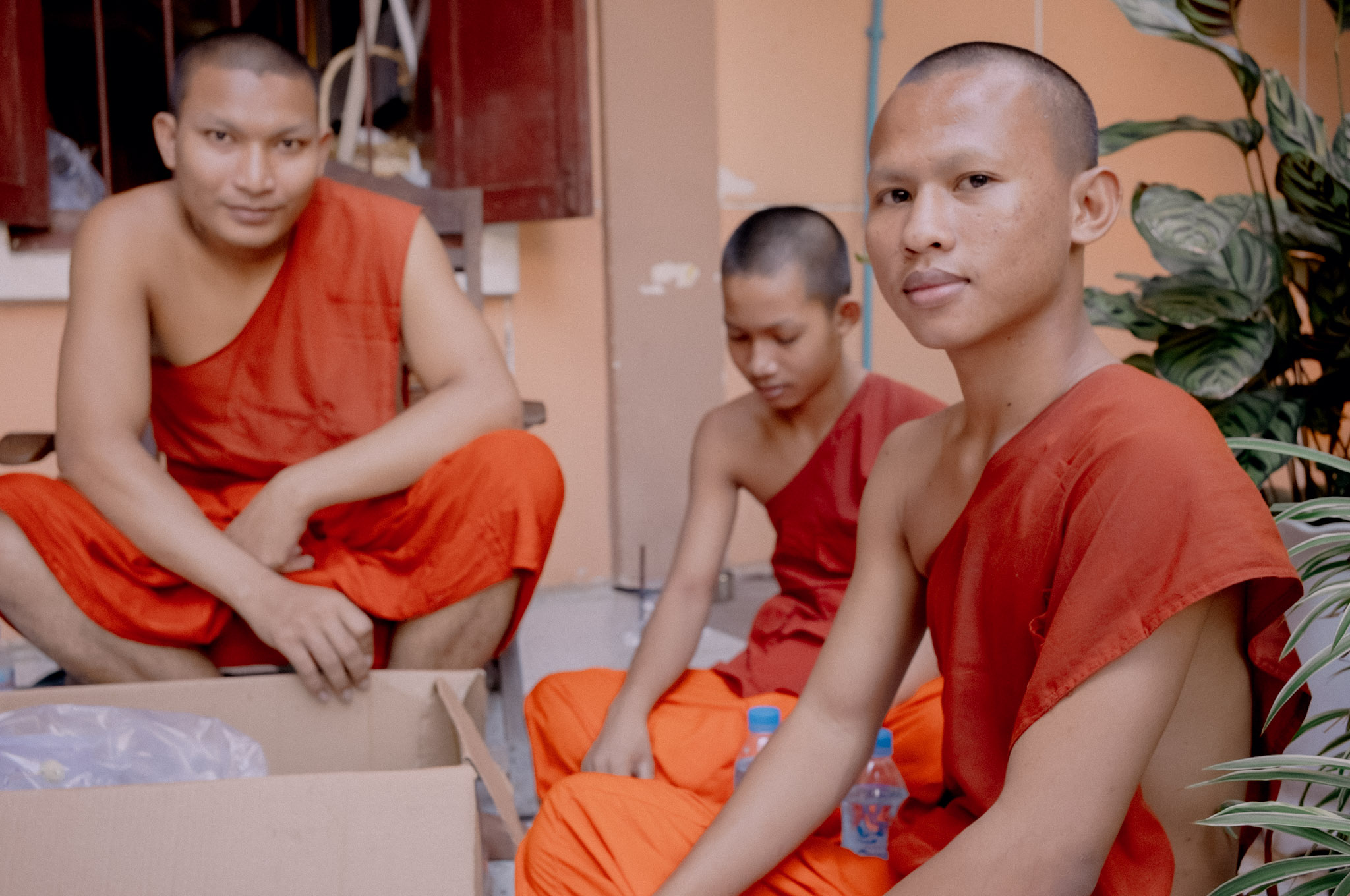
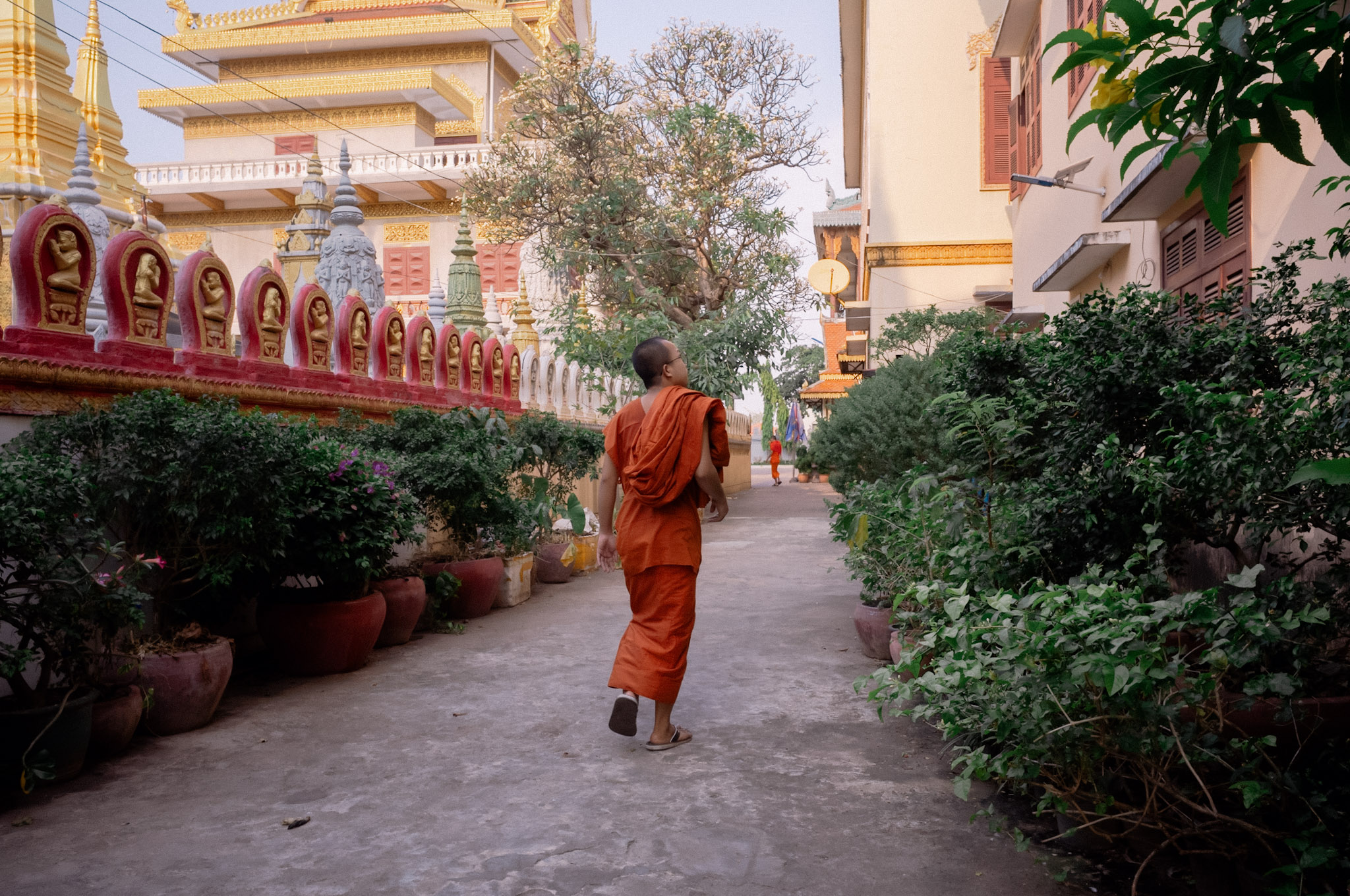
Phnom Penh’s monasteries were part of my daily life long before I began photographing them for this project. I lived in the city in 2009 and 2010, a block from Wat Ounalom, and often walked through its grounds.
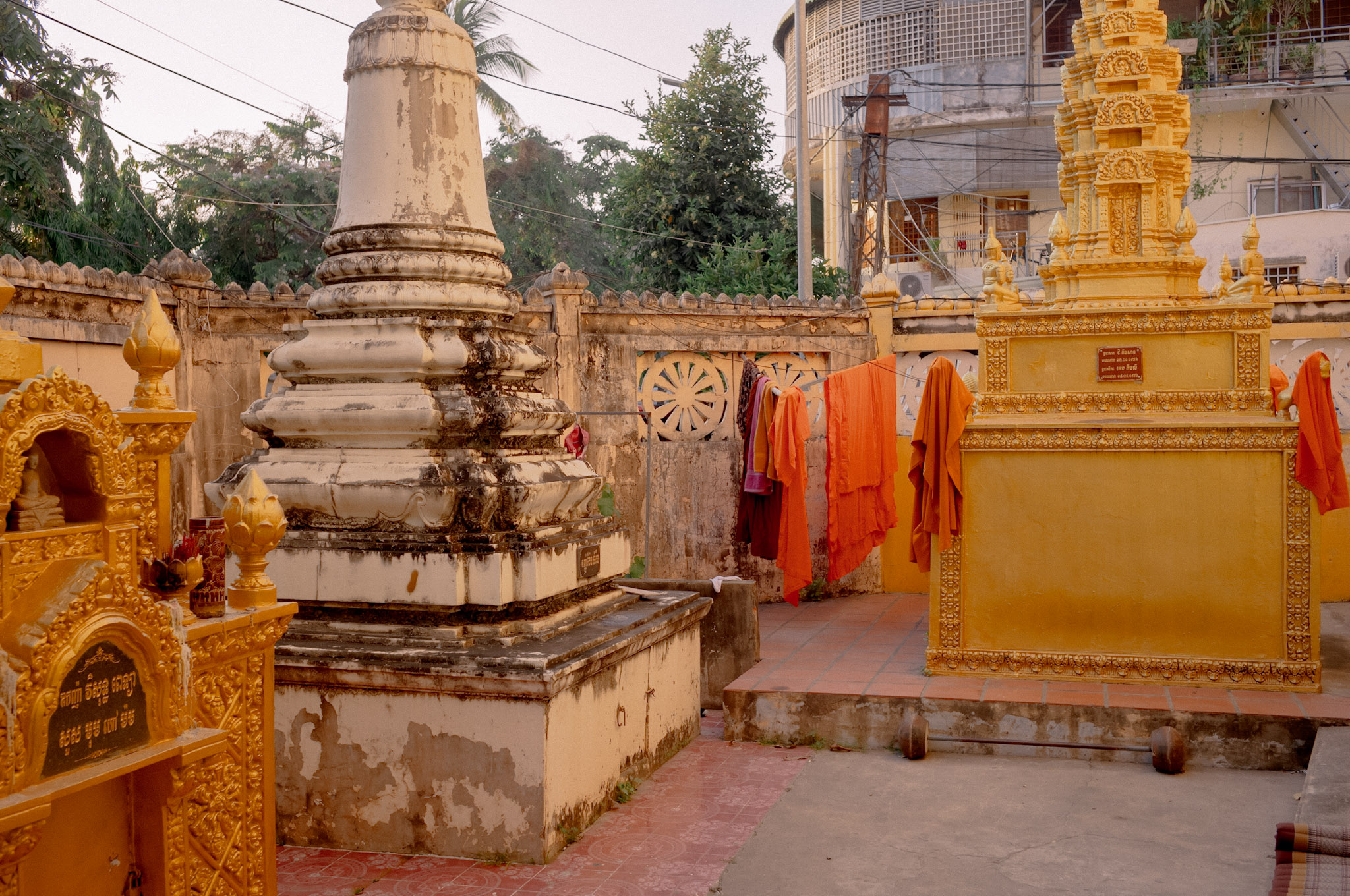
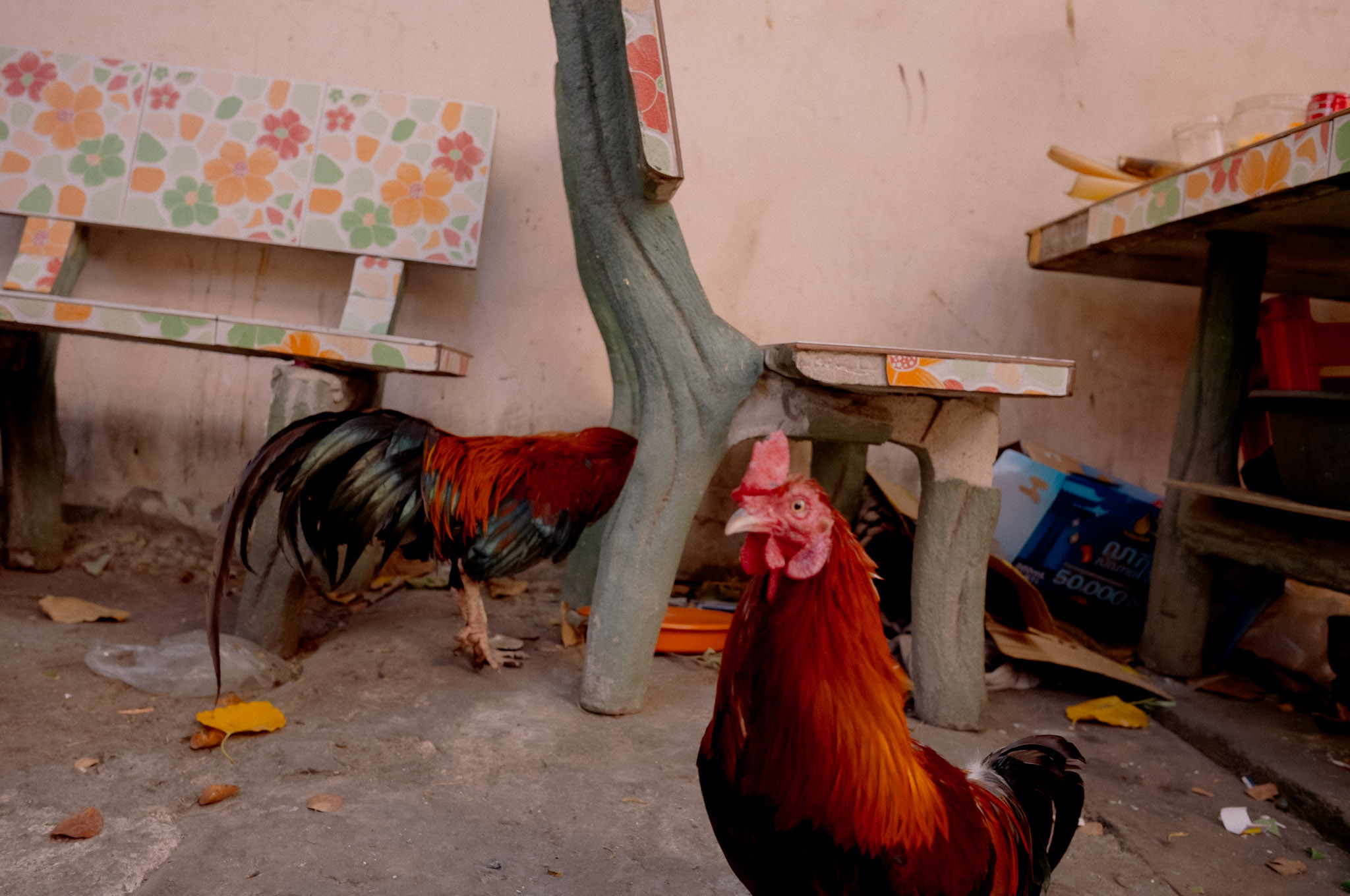
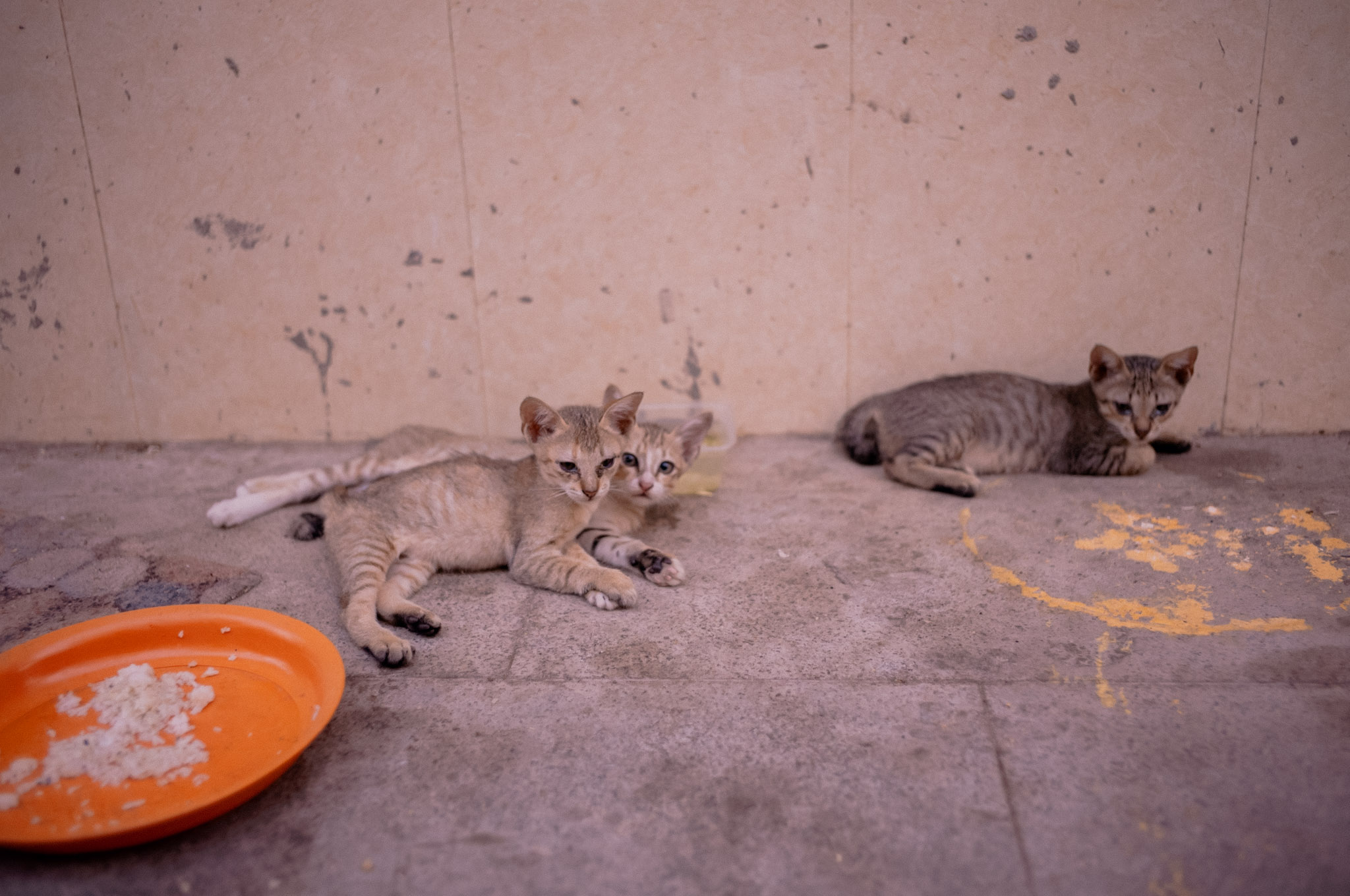
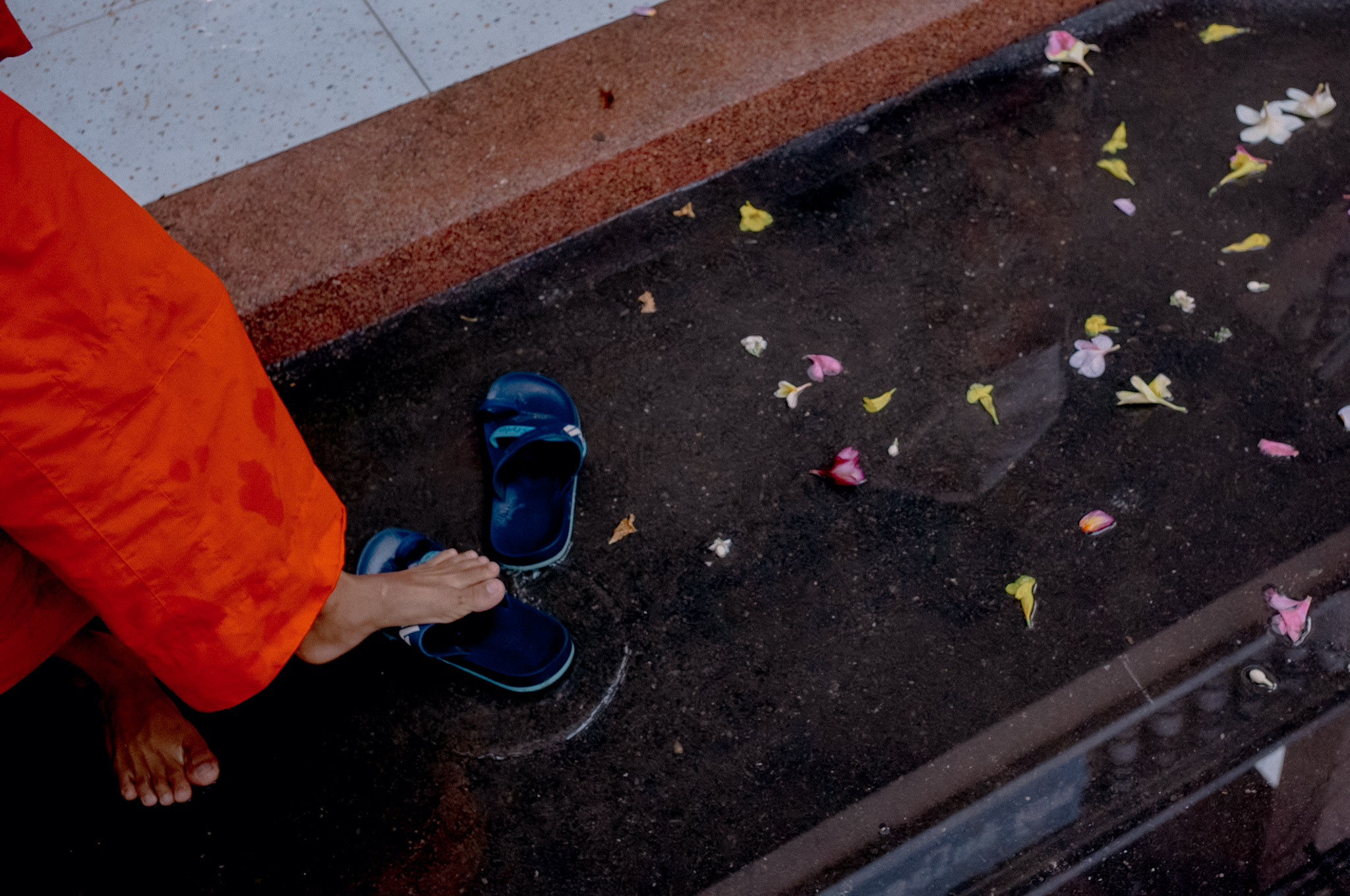
Returning years later with a clearer sense of how I wanted to photograph, I began looking more closely at places I had known by habit. This work follows that act of return, attending to the religious practice, shared work, and ordinary exchanges that shape these monasteries each day.
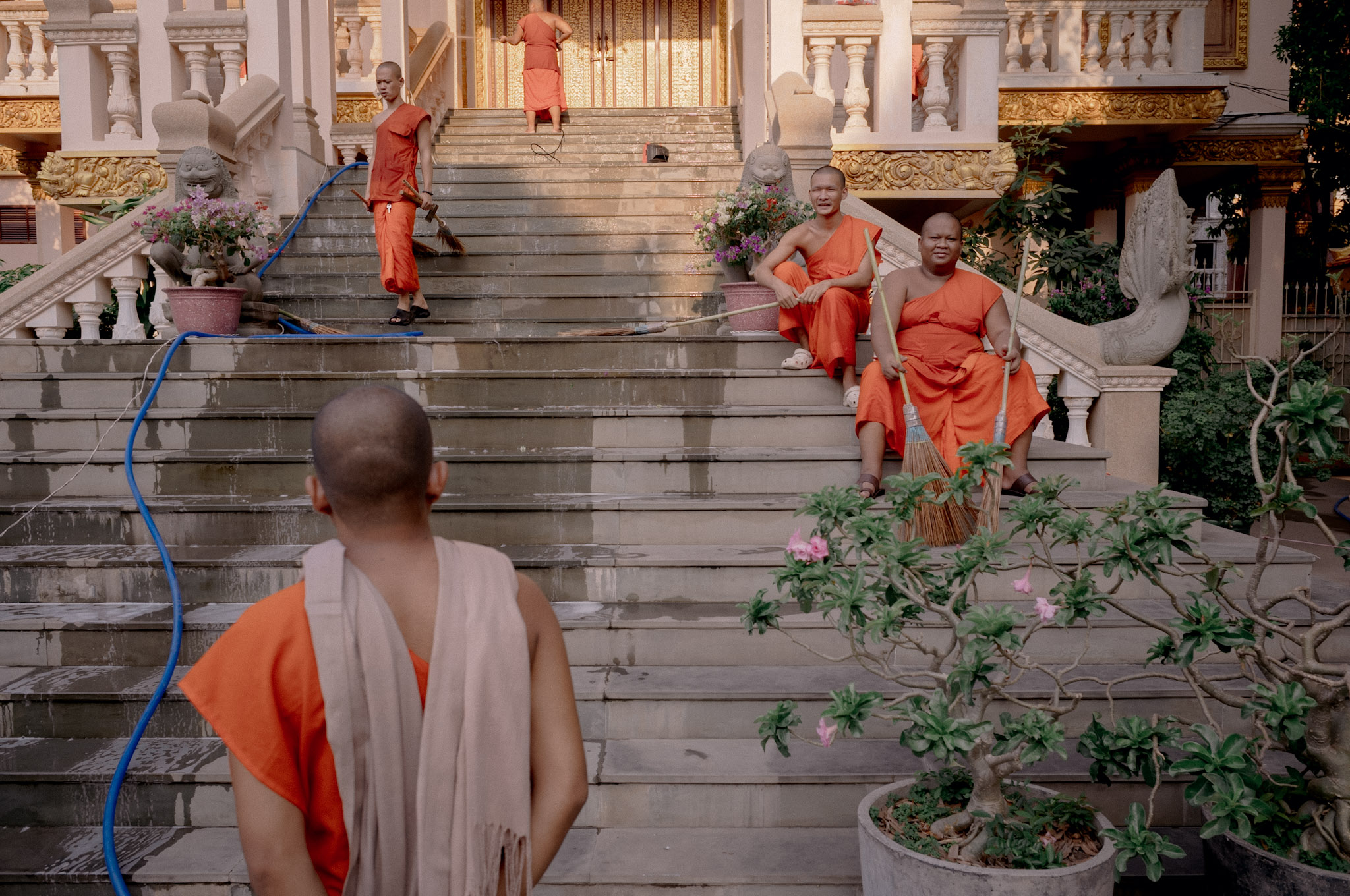
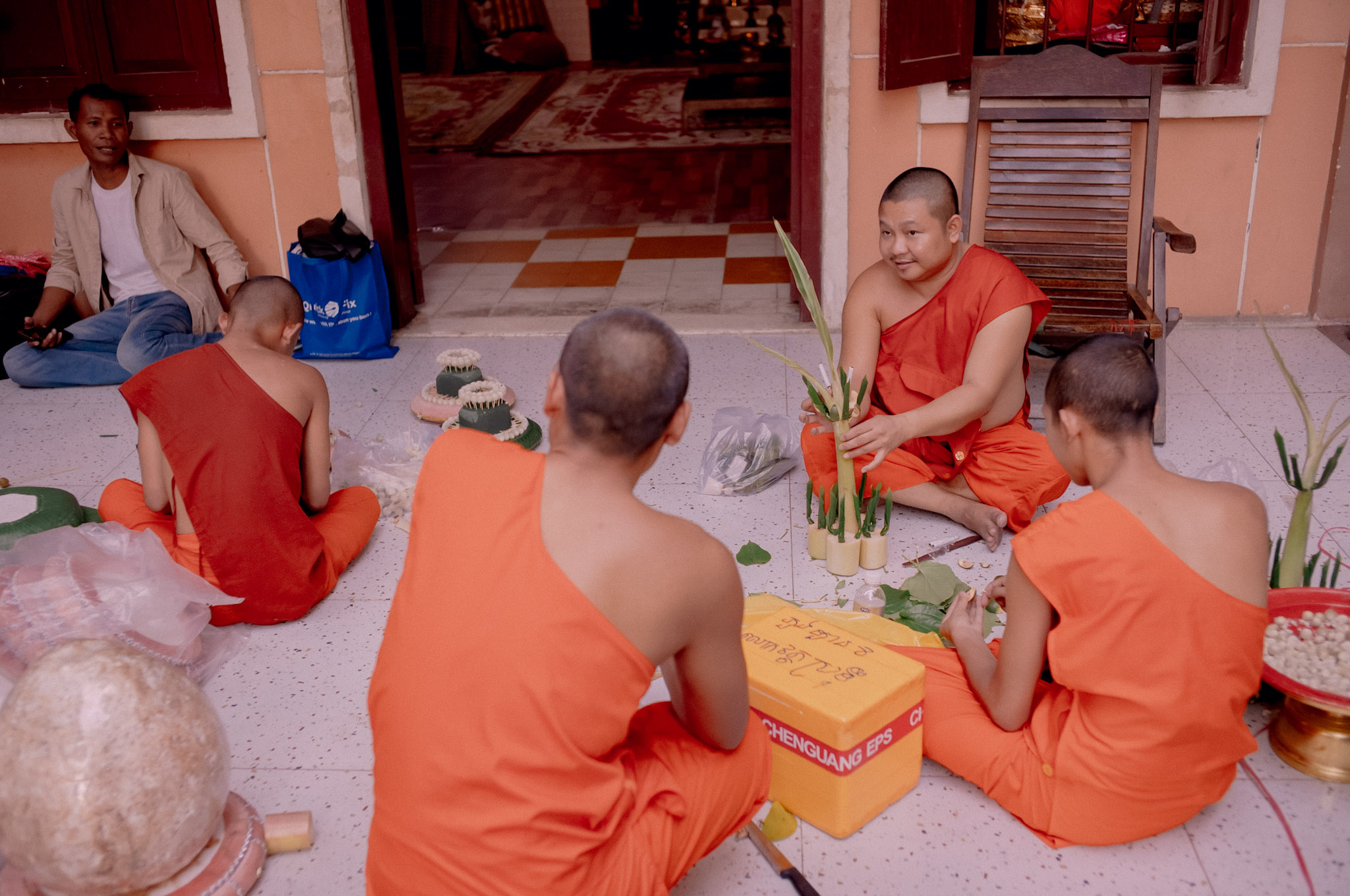
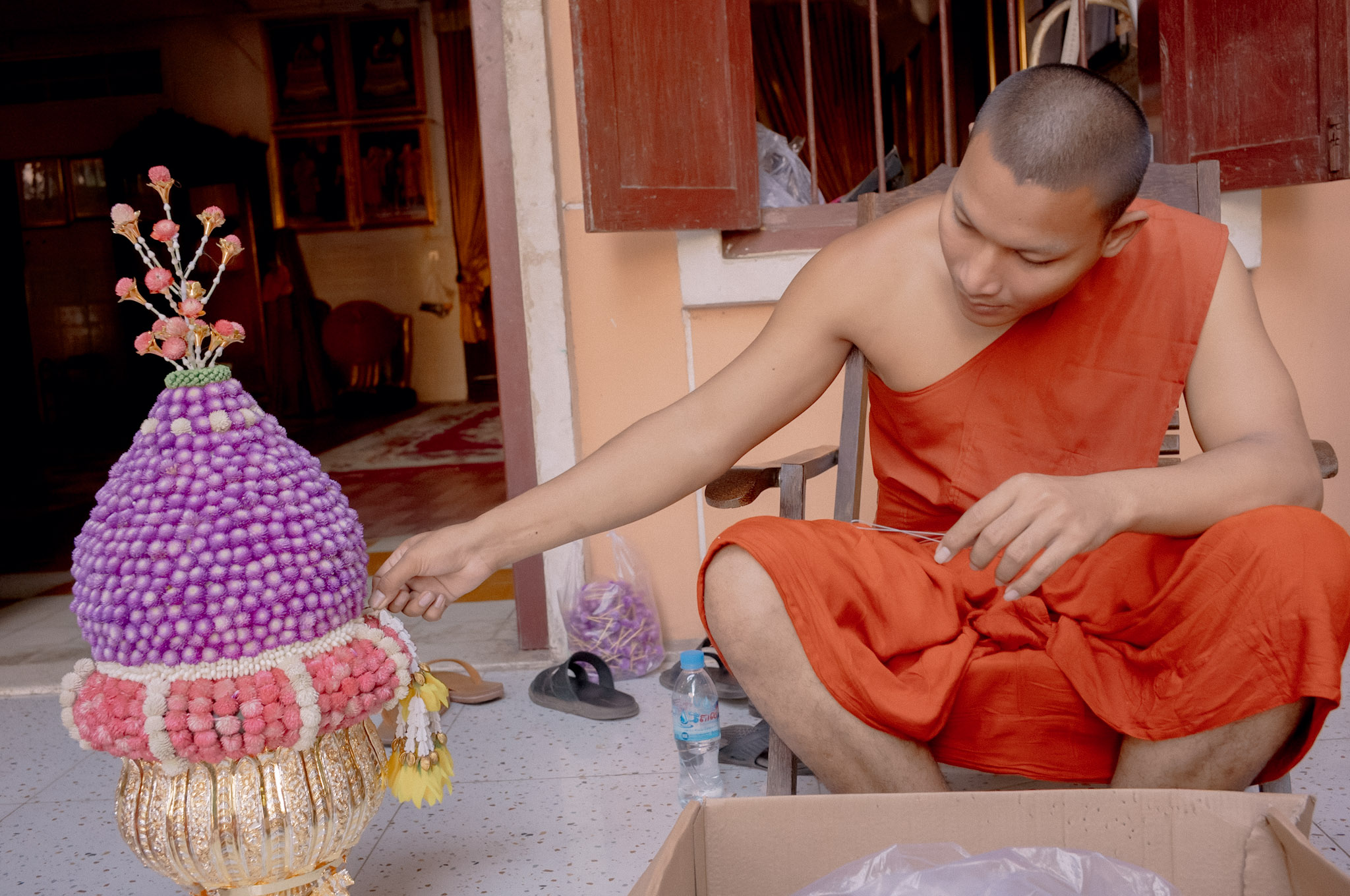
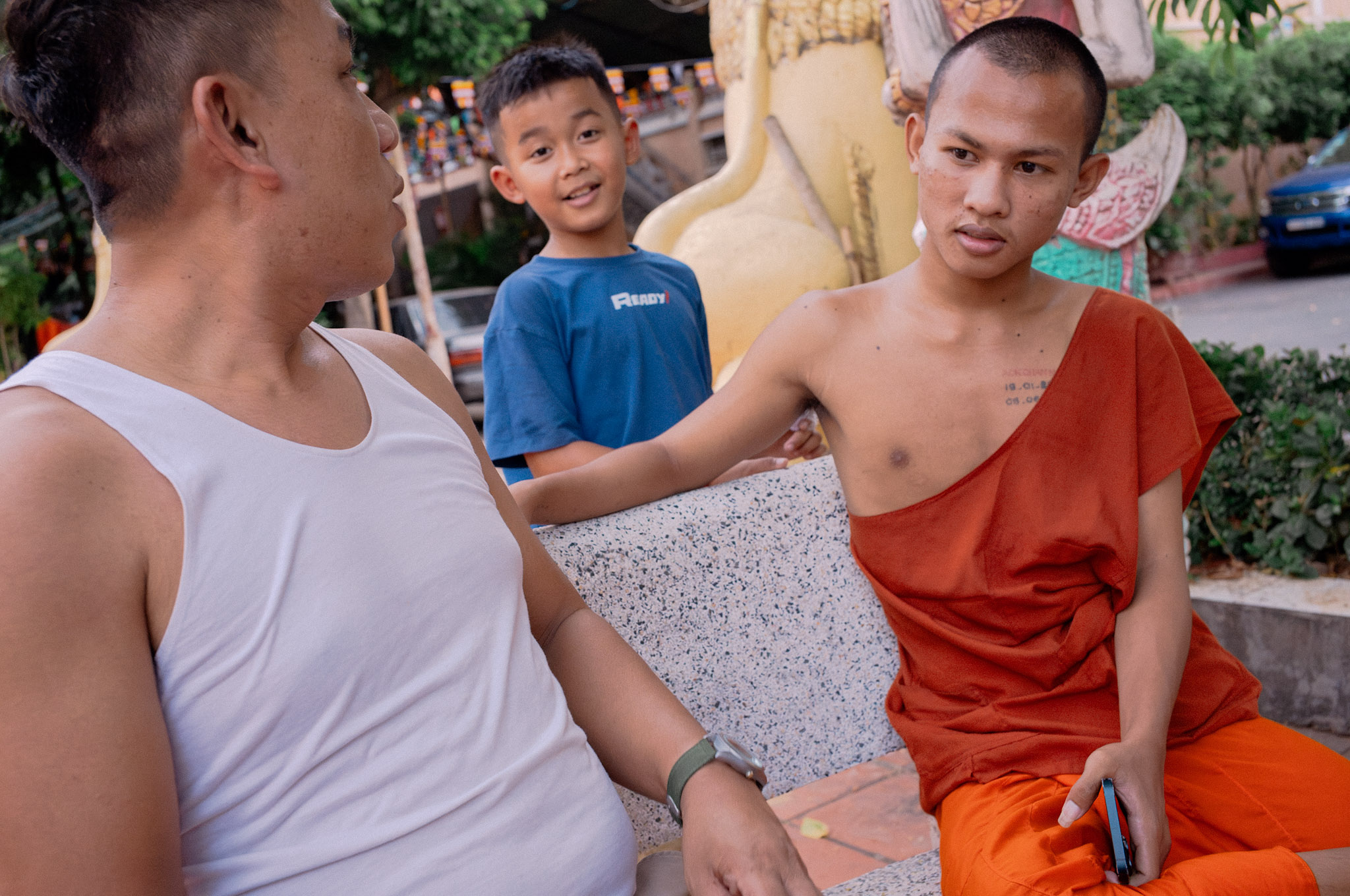
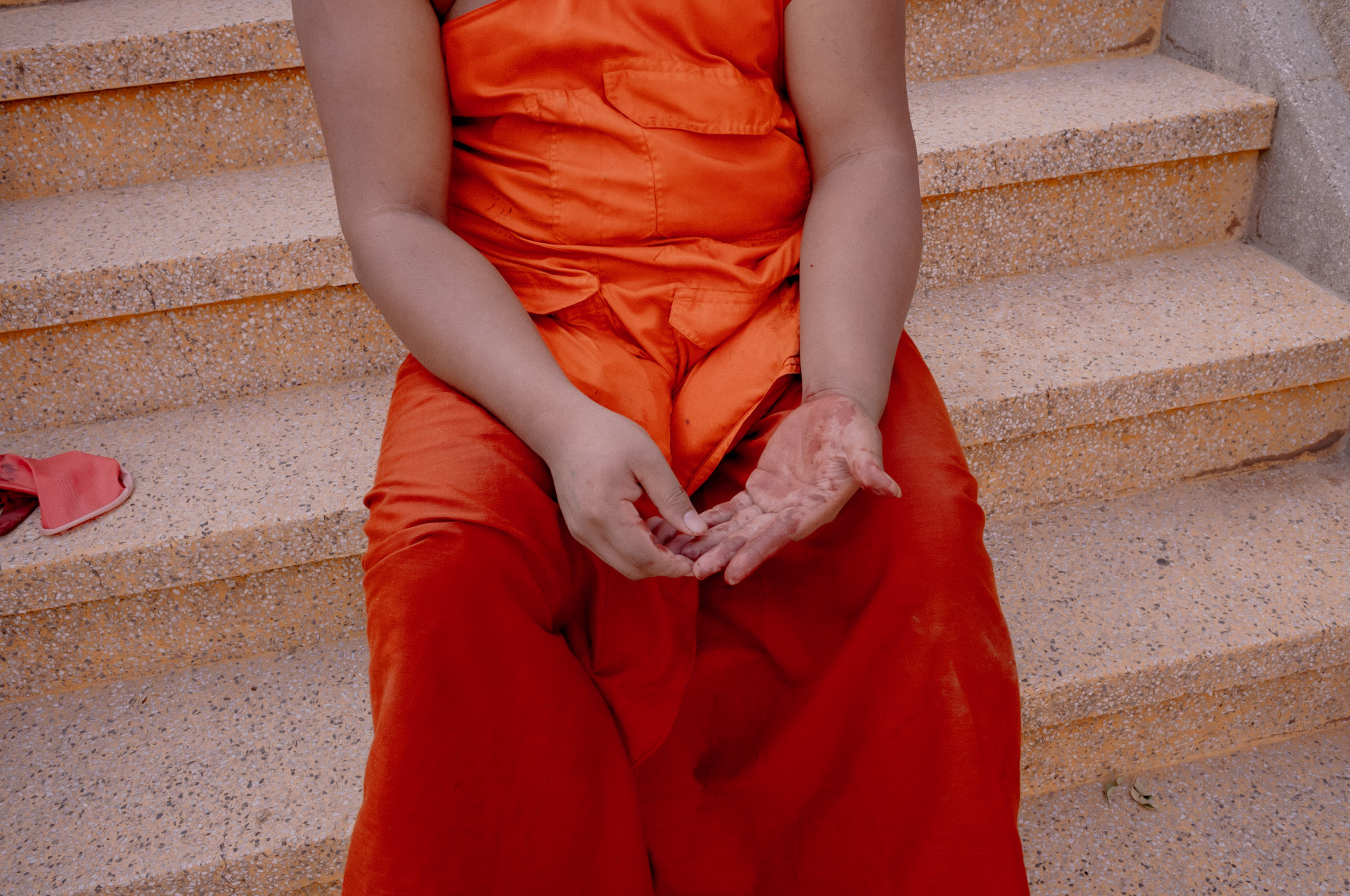
Over two visits spanning roughly eight weeks, with three weeks between them, I spent the most time at Wat Botum. I returned often enough to get to know a small group of monastics, spending hours folding lotus flowers, accompanying them on errands, and sharing ordinary stretches of the day. Once, after the monks had eaten, I was invited to join the residents and helpers for the same meal in the same place. That invitation grew from time spent together, and some of the relationships formed there have continued since I left.
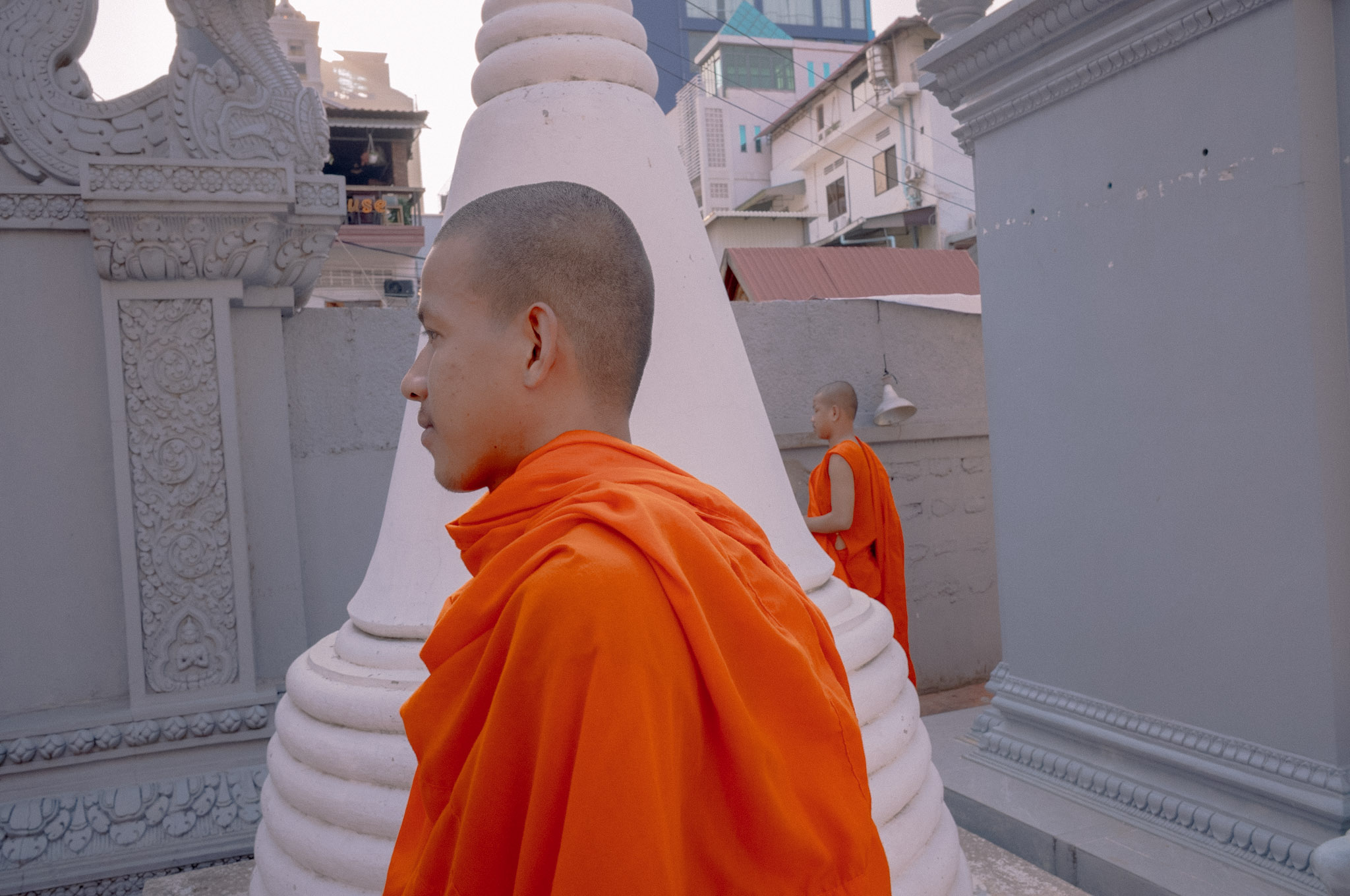
Wat Ounalom carries a different familiarity: I had known it for years, though I photographed there less intensively on these visits. At Wat Langka, my encounters were briefer.
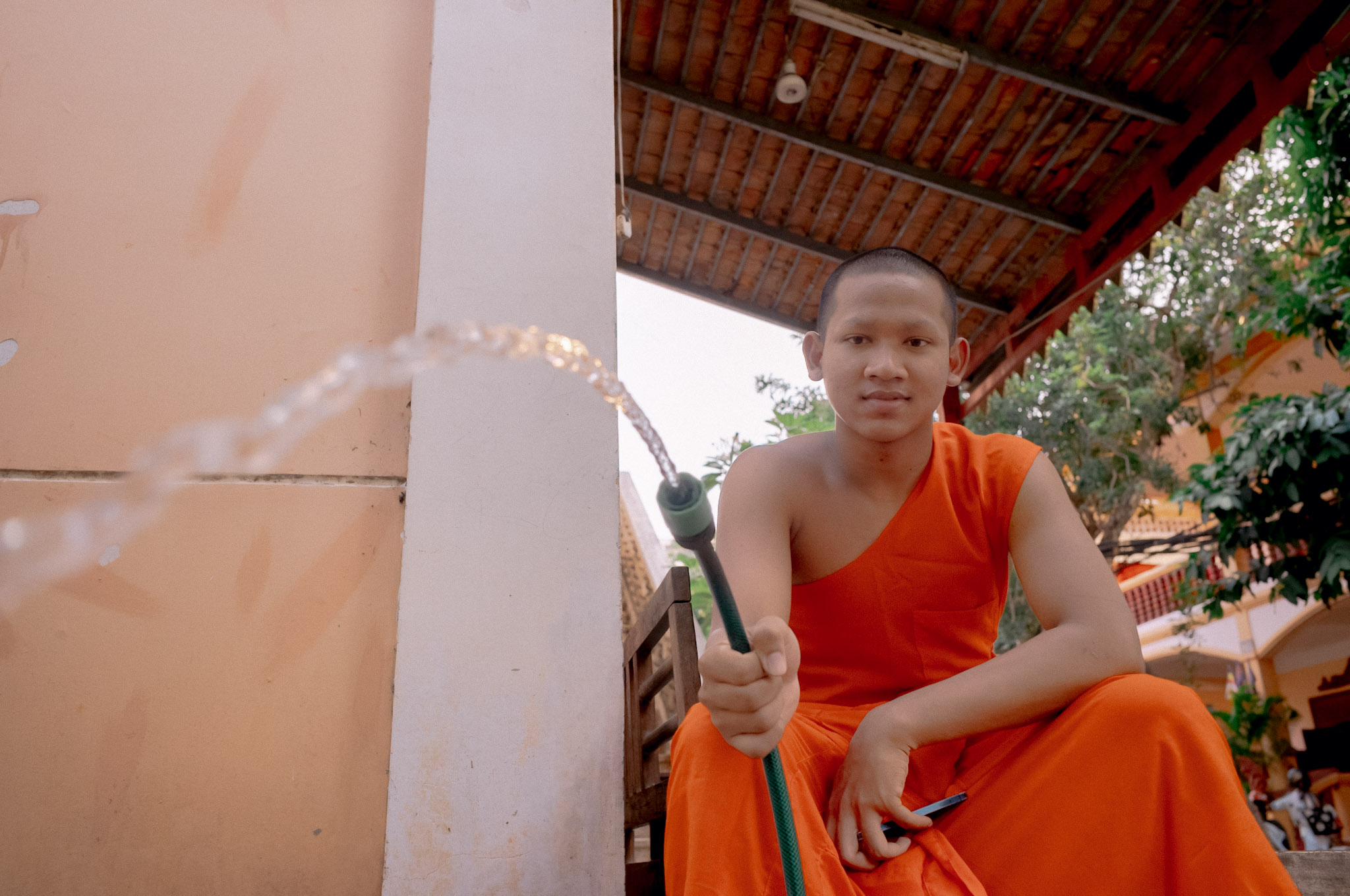
Venerable Chet Tra.

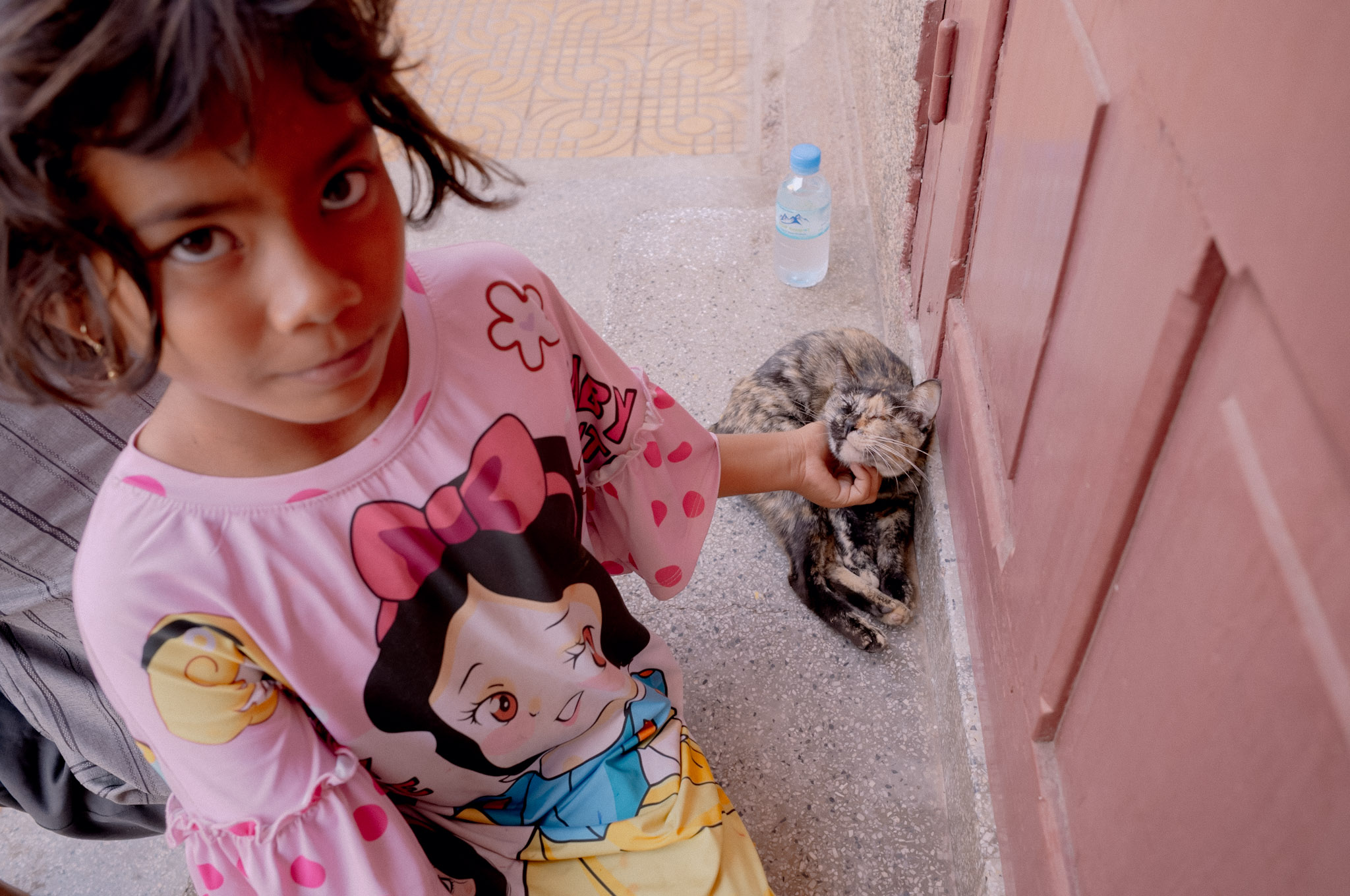
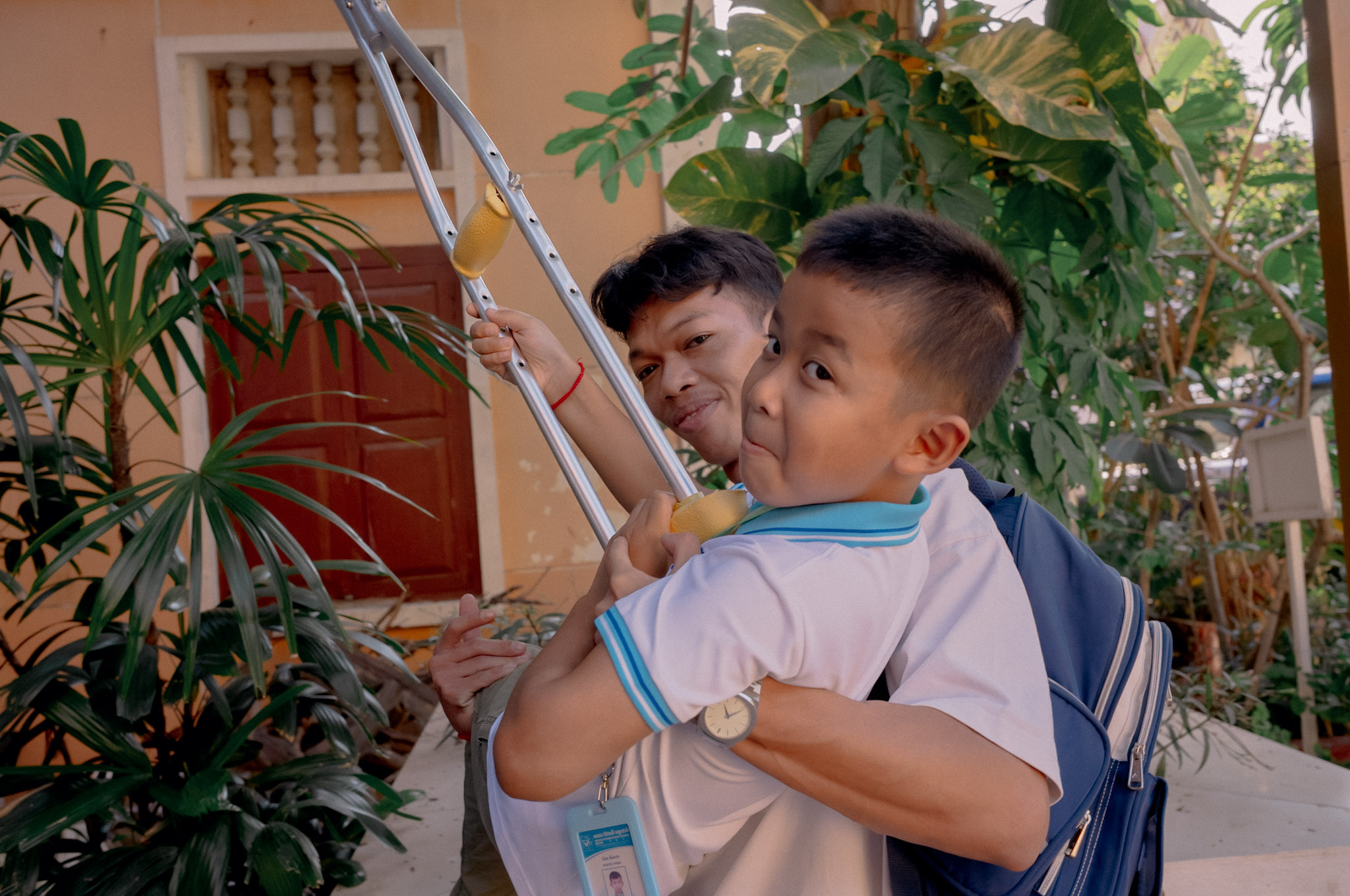
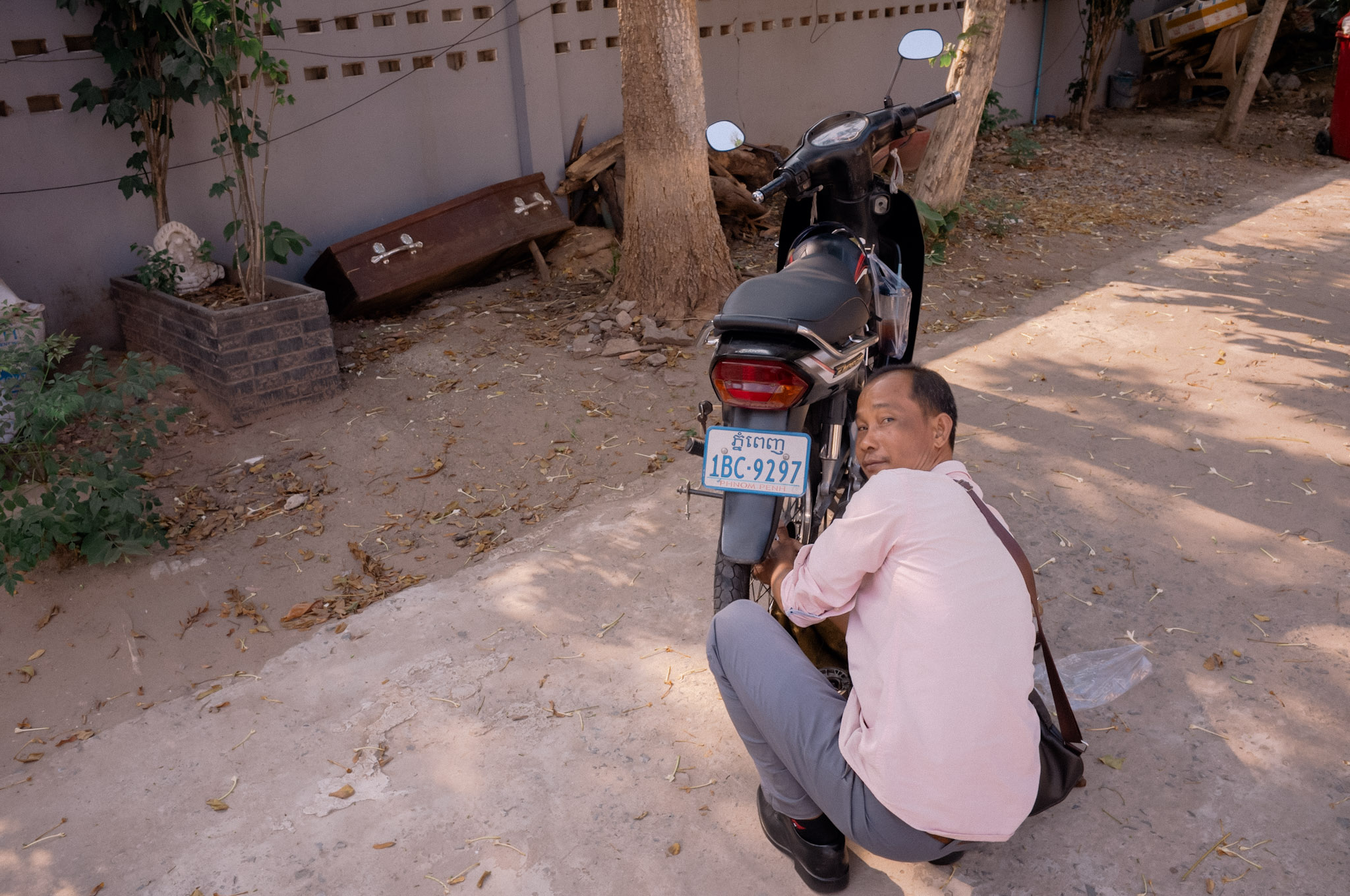
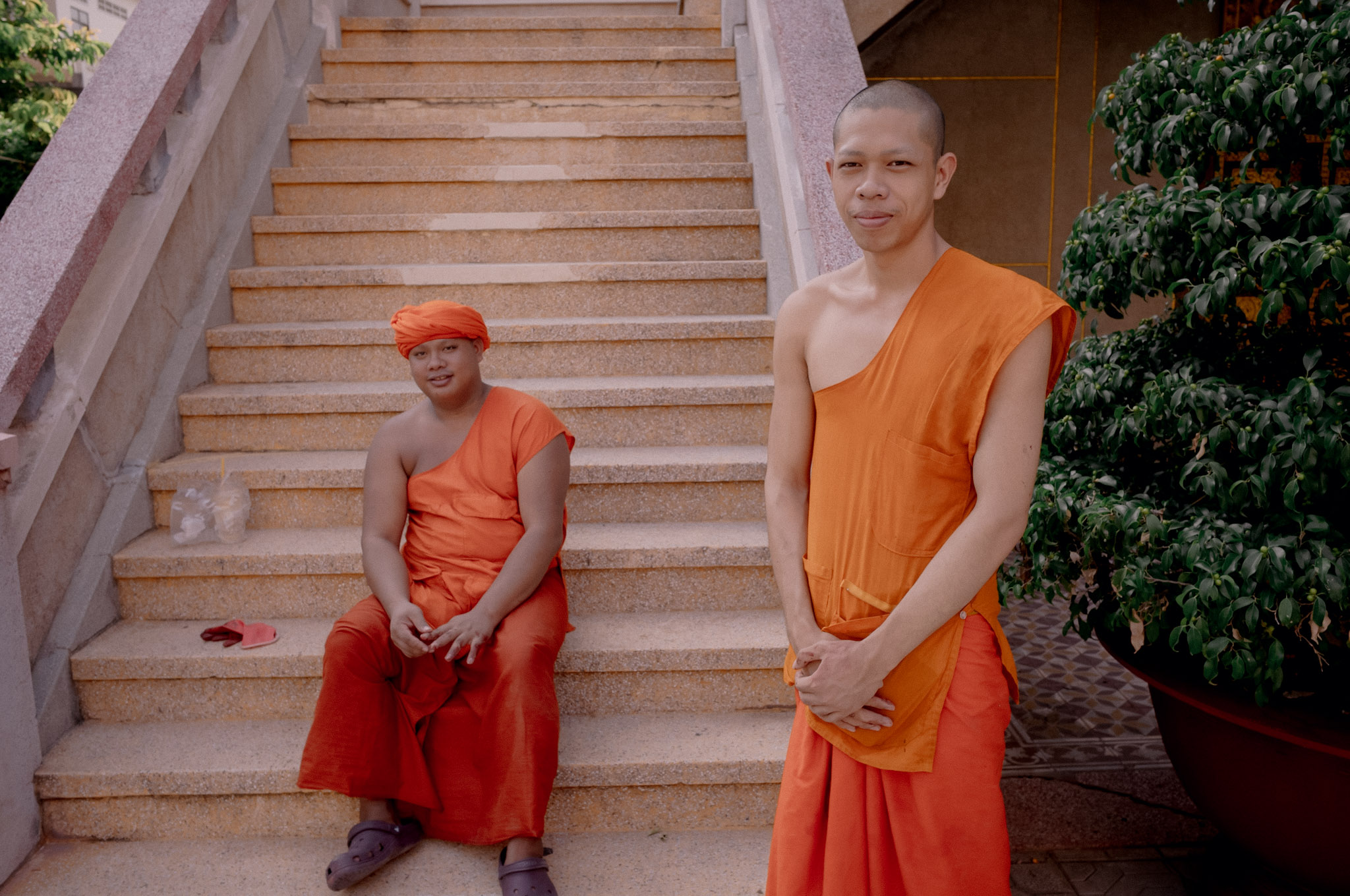
People I came to know appear by name in the captions; where I did not learn someone’s name, the caption stays with the place or moment.
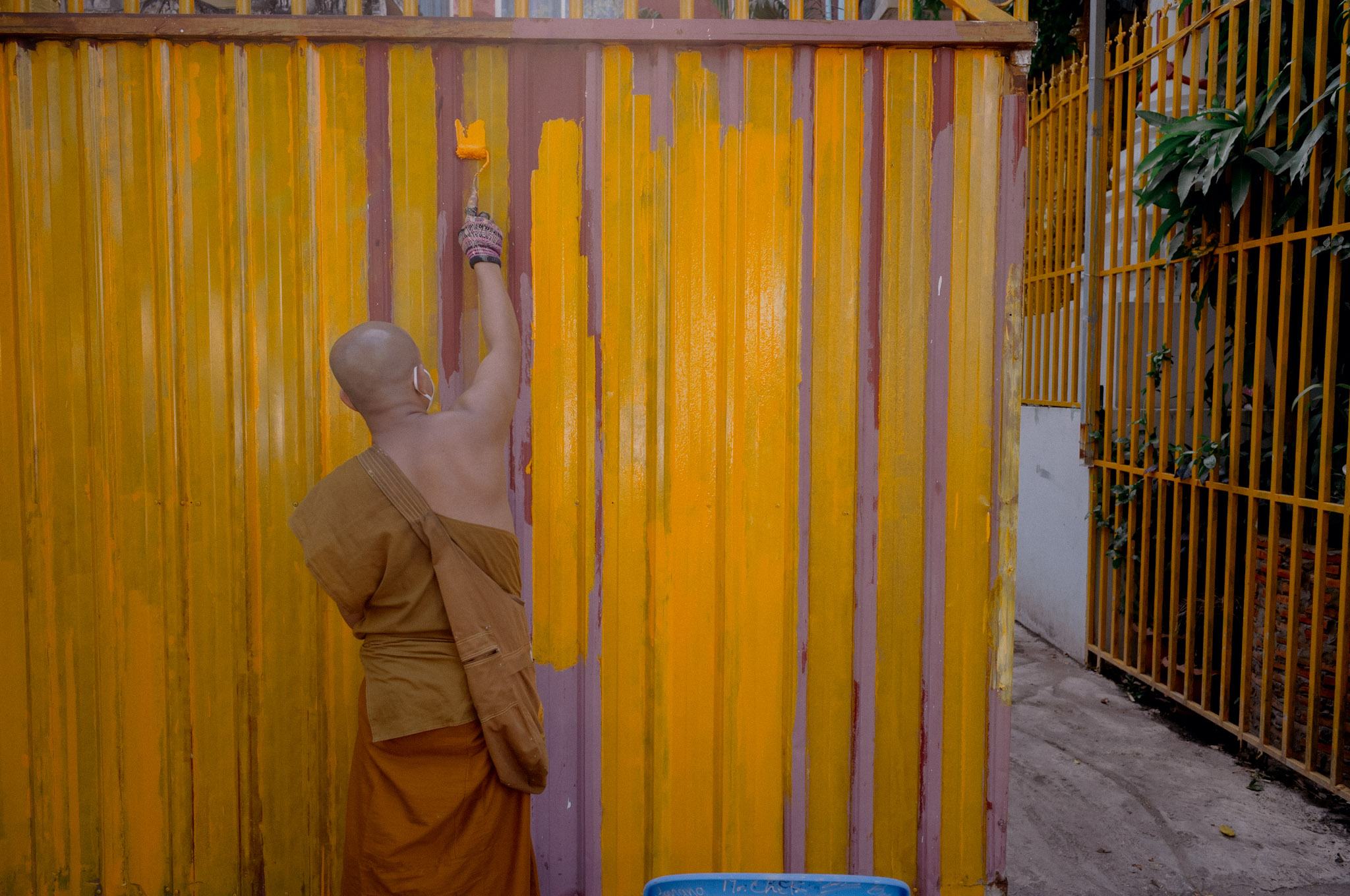
Across the sequence, the photographs trace how memory, repeated visits, and new relationships changed the way I saw a city I once called home.
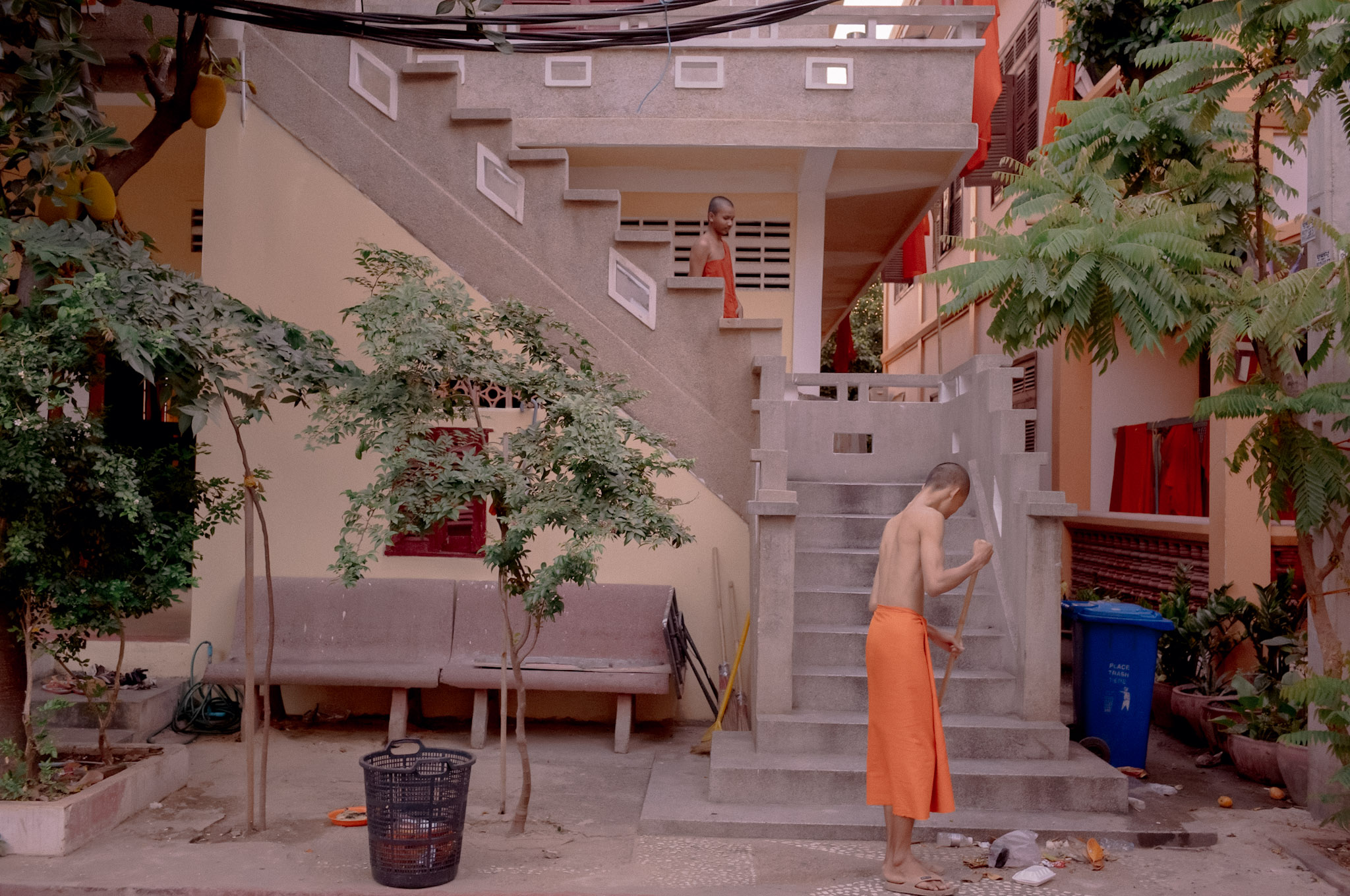
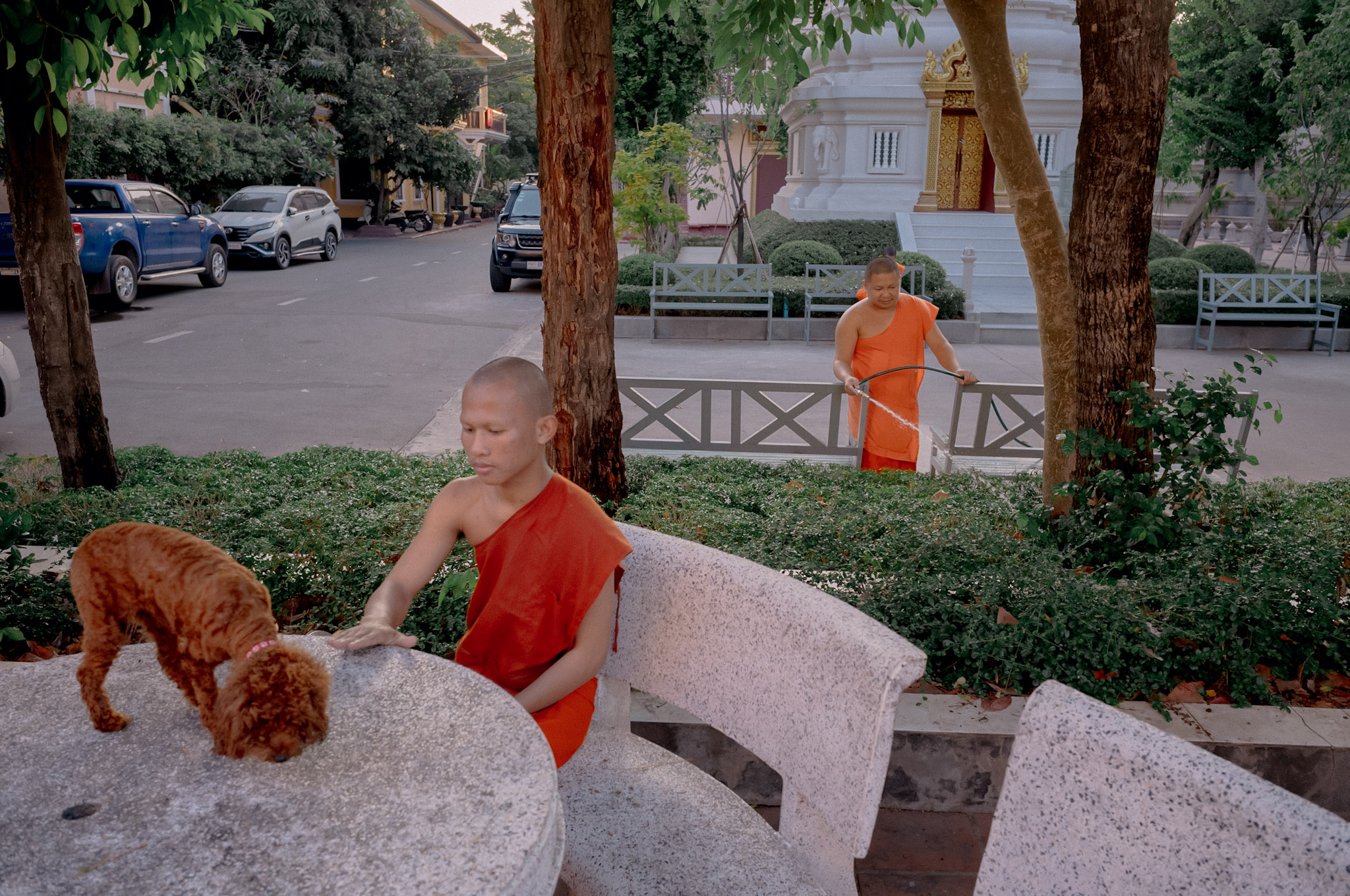
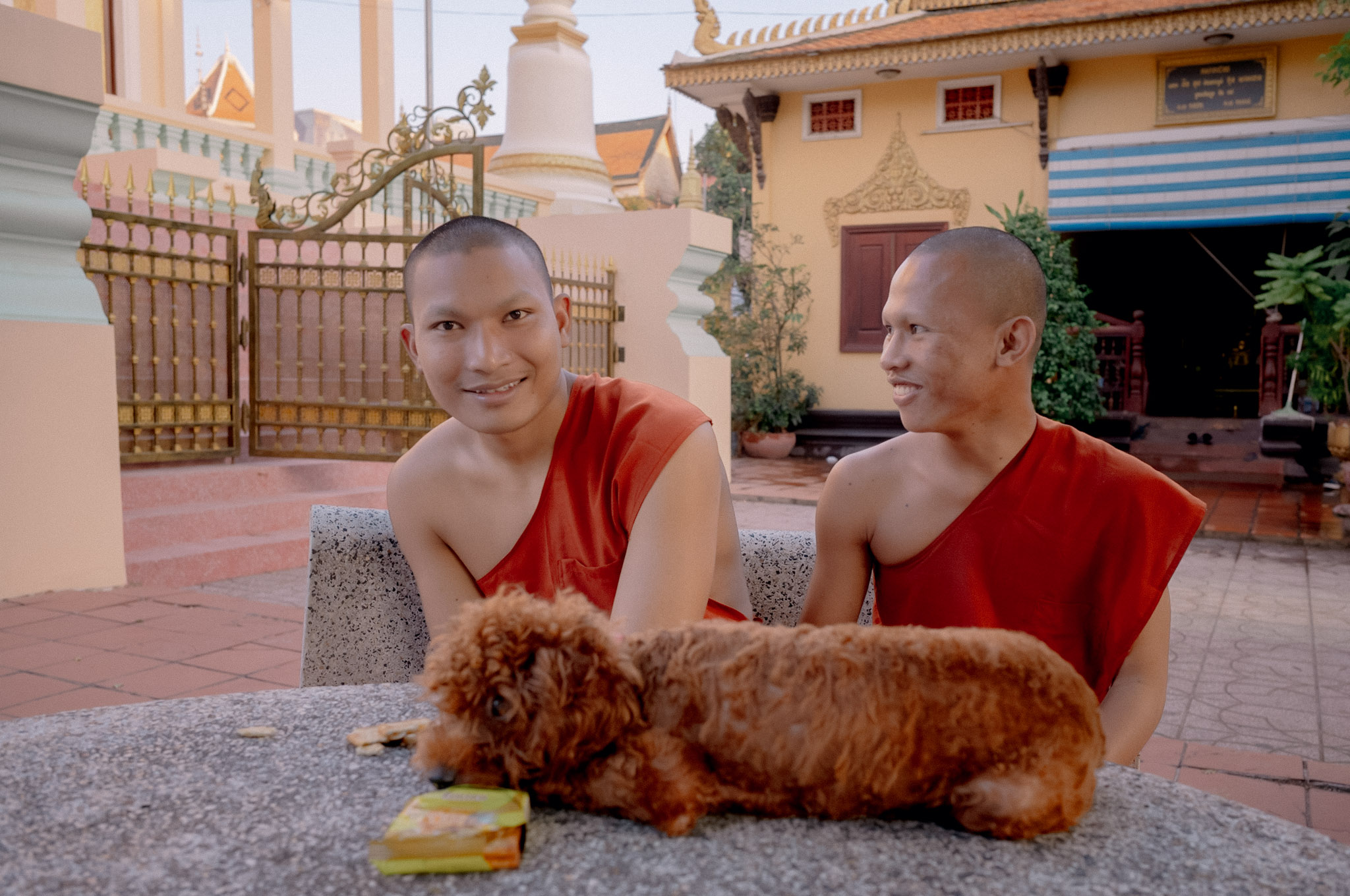
Venerable Nari and Venerable Mesa.
Venerable Mesa.
Venerable Ean Koy.
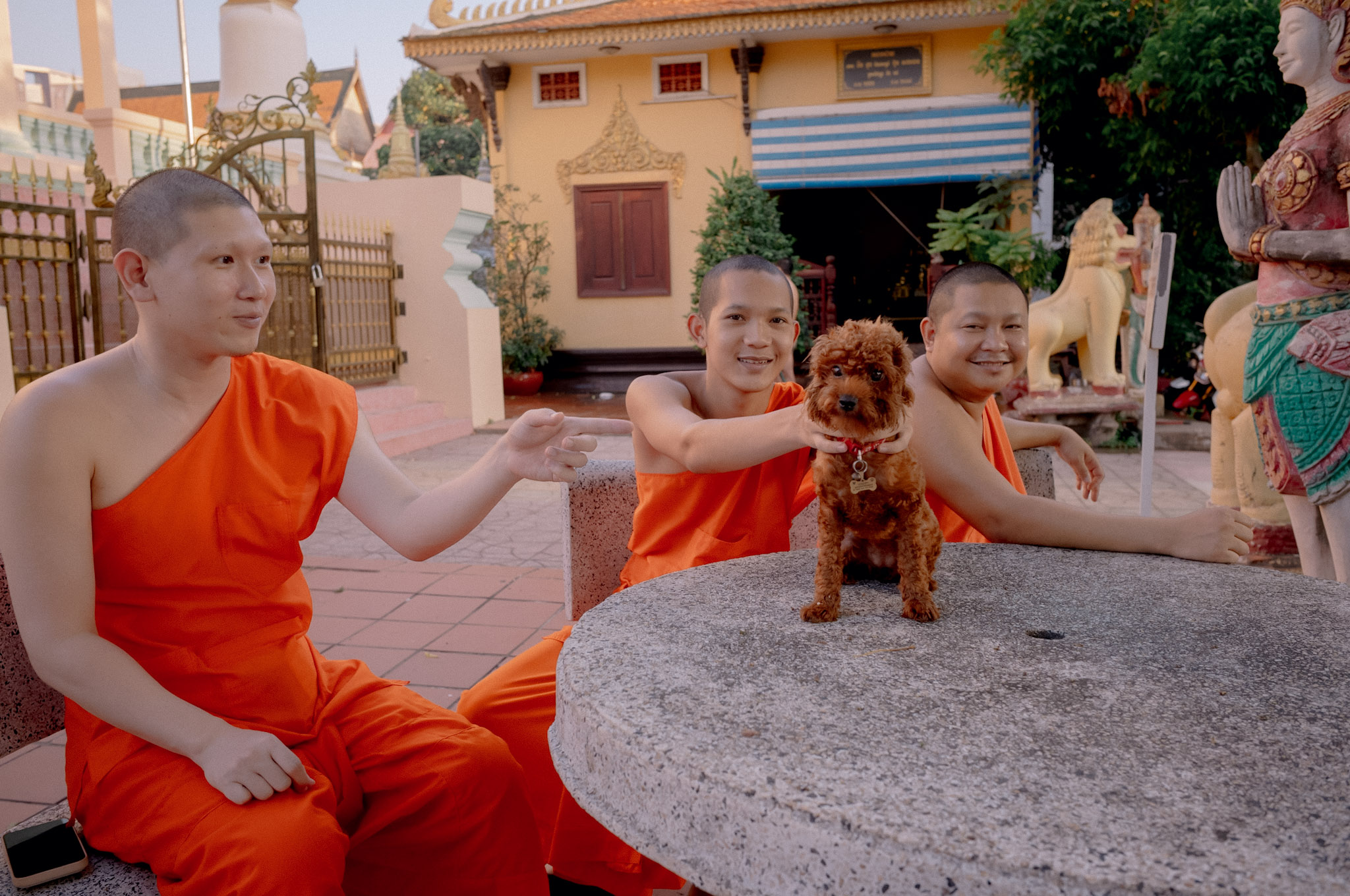
Venerable Gun Vira, a novice, “Lucky”, and Venerable Mesa.
Venerable Ean Koy and Venerable Nari with “Lucky”.
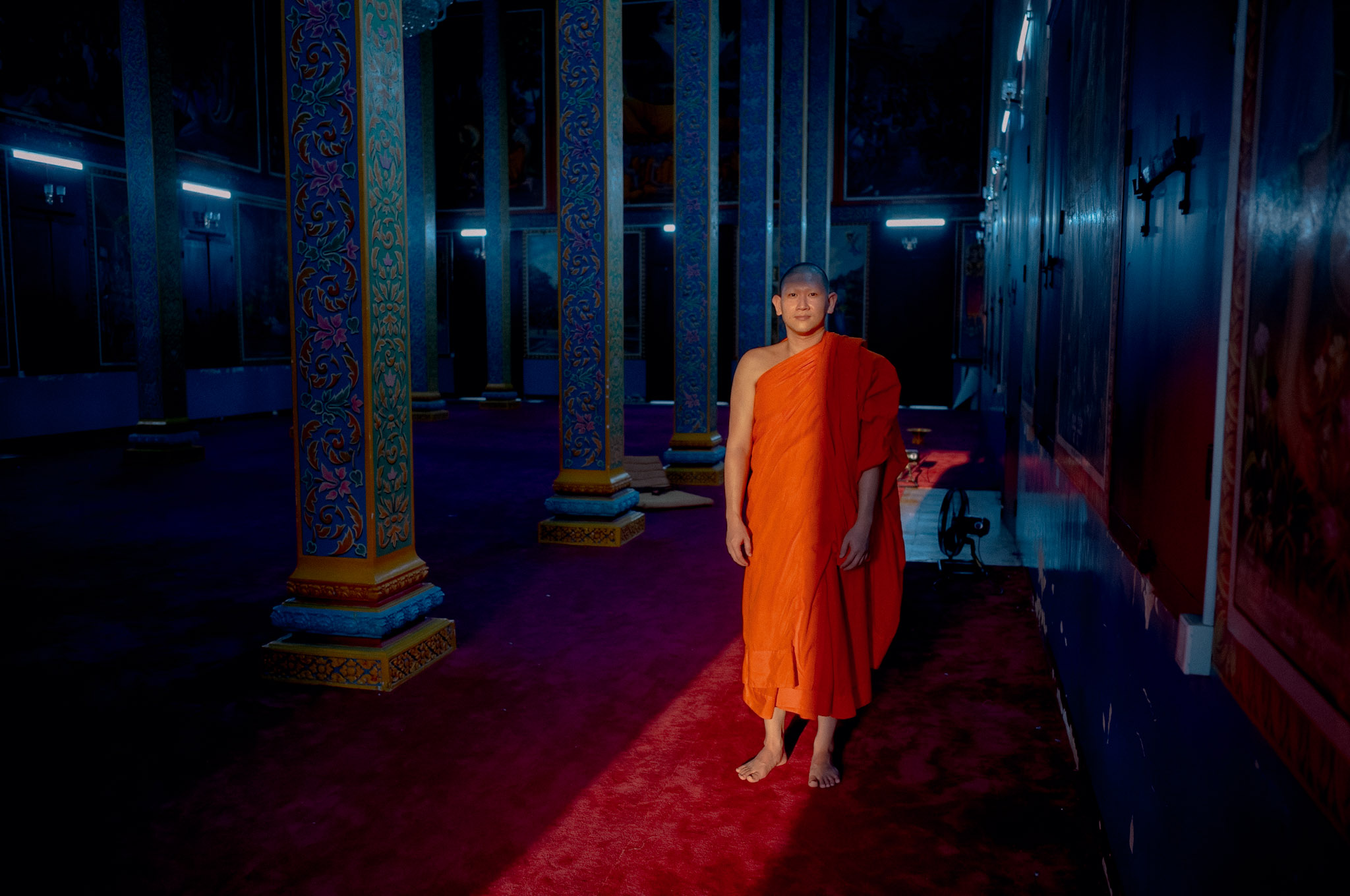
Venerable Vira leading me in to the preah vihear, Wat Botum Vatey’s main ceremonial hall.
Venerable Vira in the preah vihear, Wat Botum Vatey’s main ceremonial hall. He says the hall has long hosted the monastery’s most important ceremonies, including those attended by the king.
Venerable Vira.
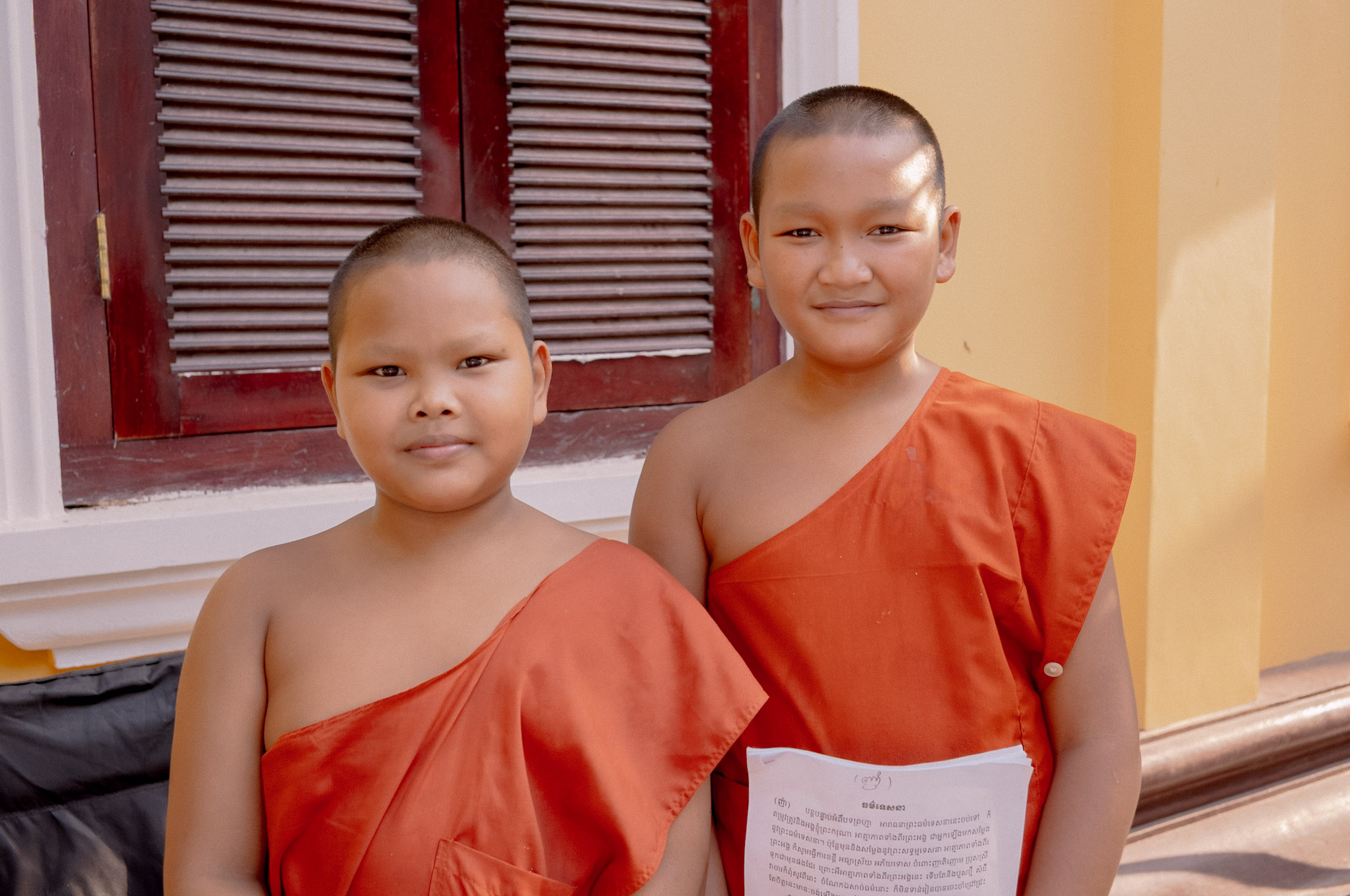
Two novices.
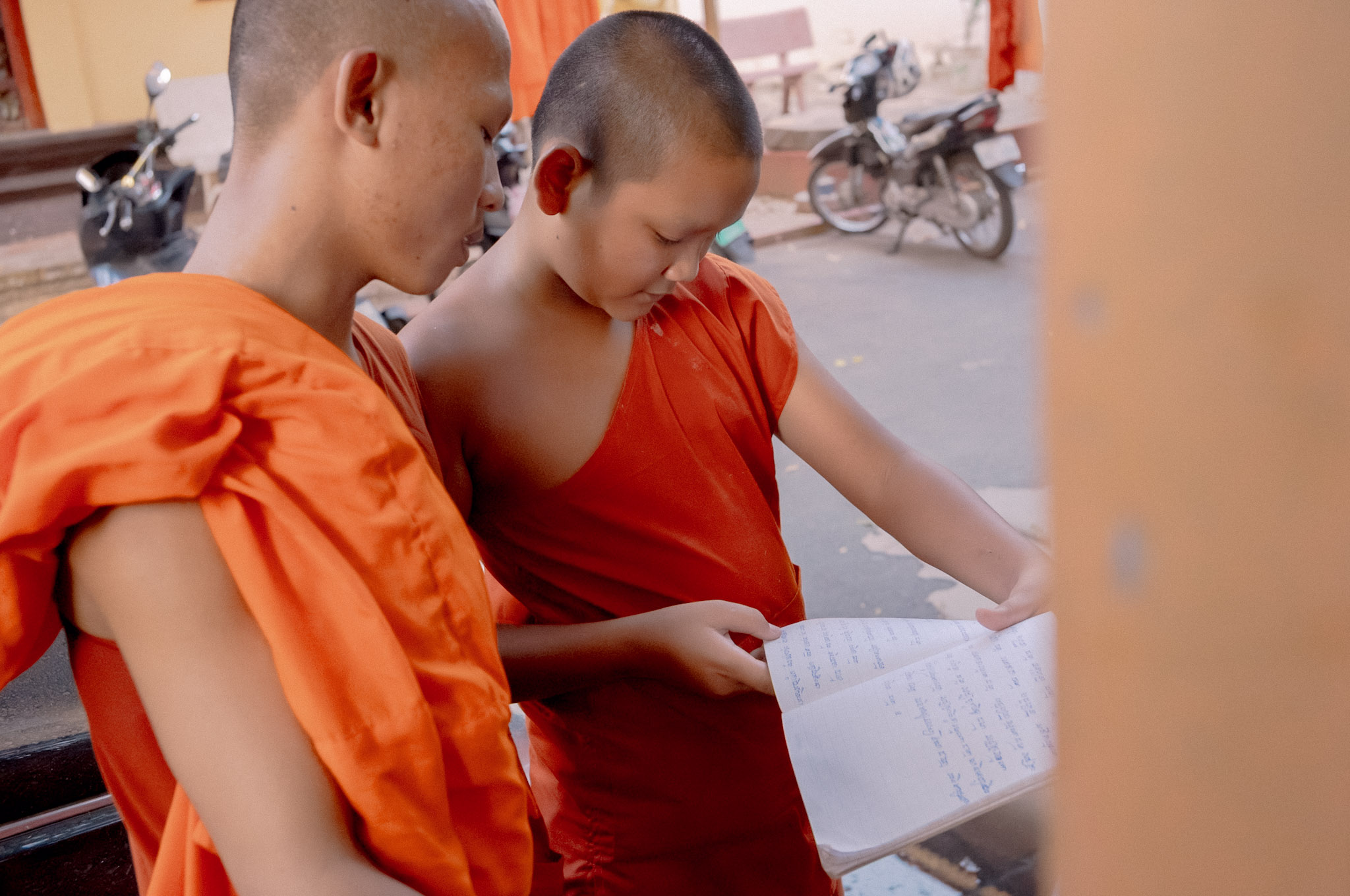
Venerable Nari helping a novice with his homework.
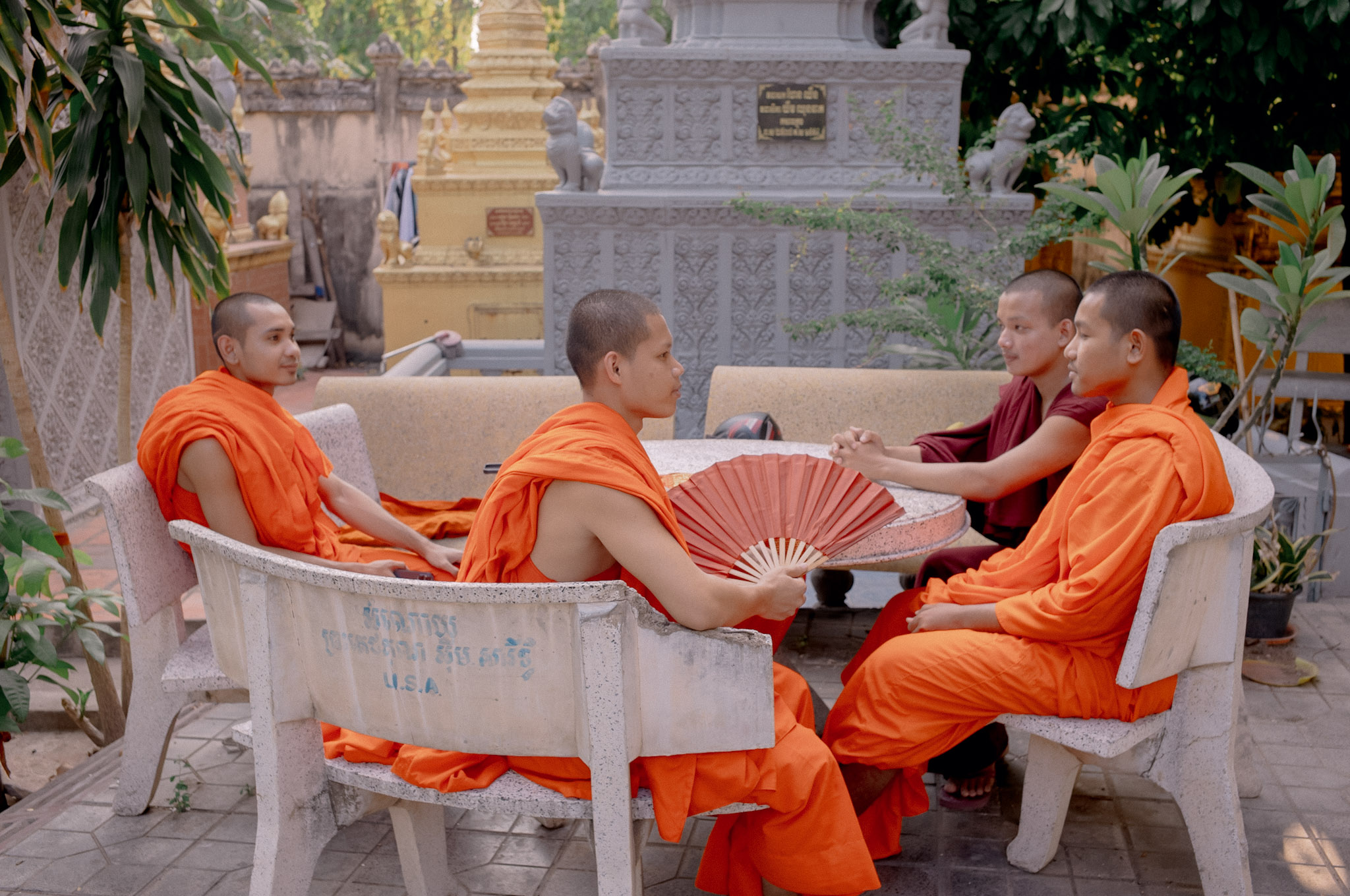
Venerable Sem Soksen, Venerable Bin Vibol, Venerable Pa Menghour, and Venerable Thorn Nin.
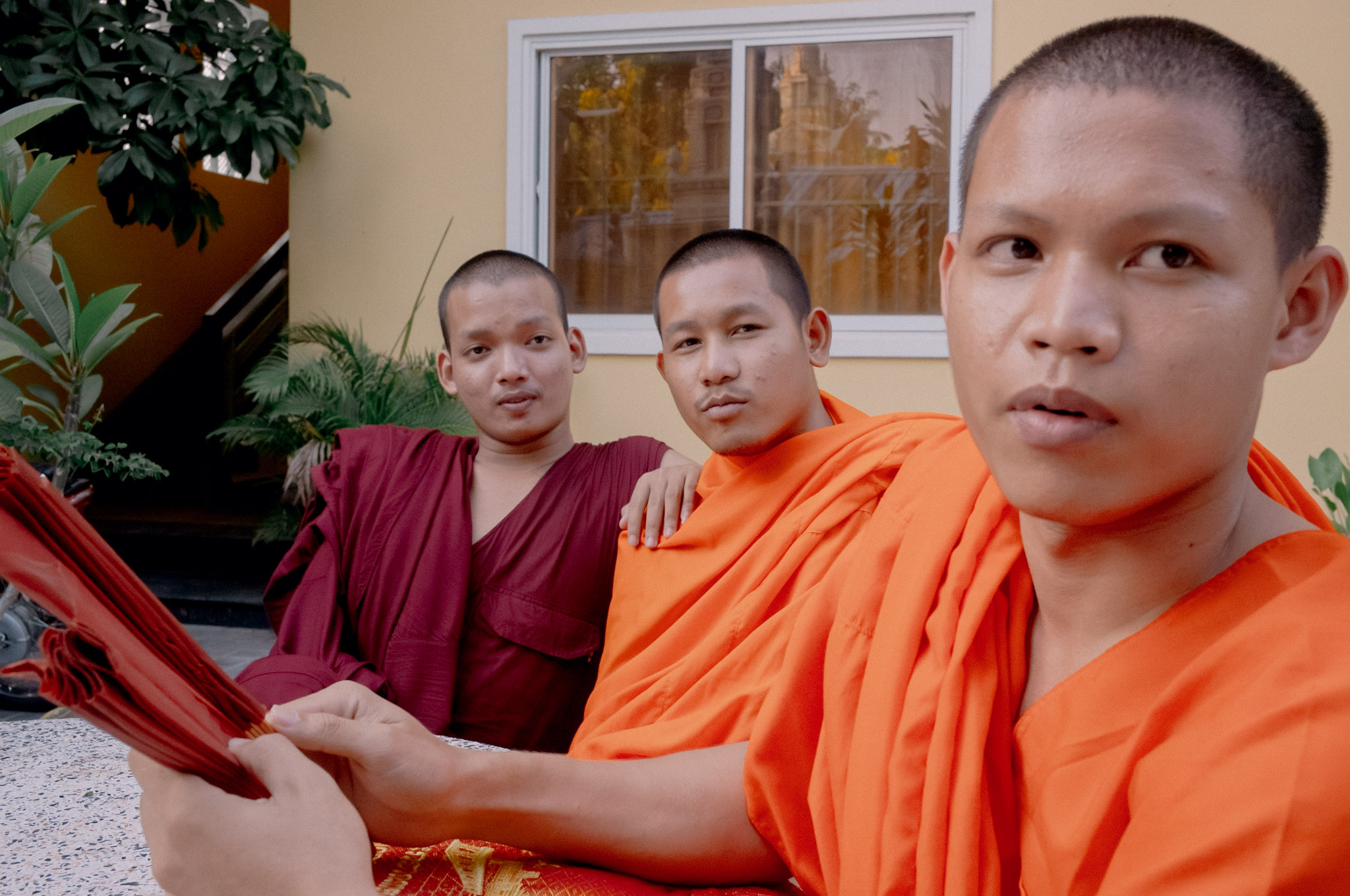
Venerable Pa Menghour, Venerable Thorn Nin, and Venerable Bin Vibol.
Venerable Ean Koy, a novice, and Venerable Nari.
Venerable Nari.
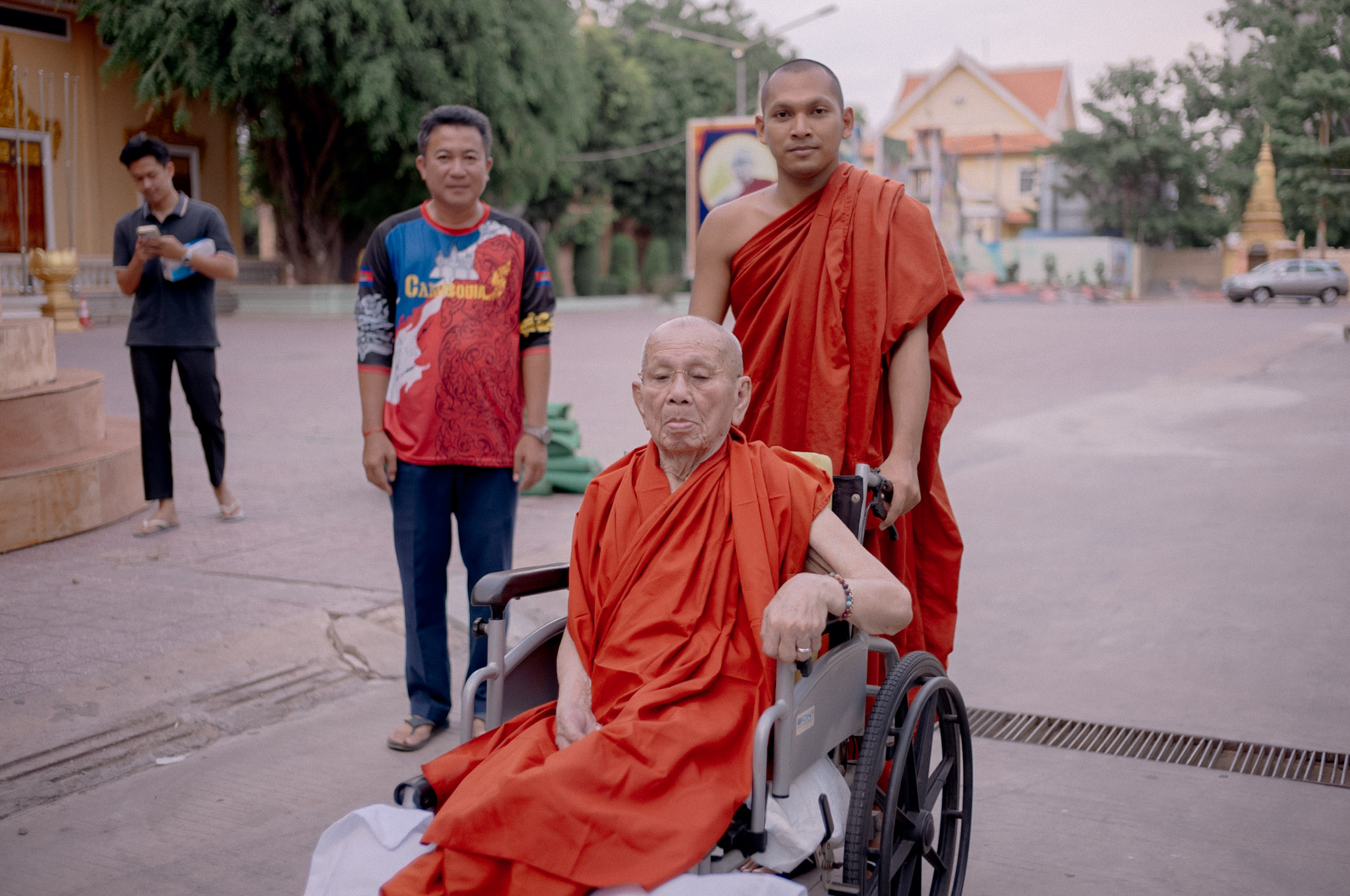
Samdech Preah Nun Nget, Cambodia’s Supreme Patriarch General, with a younger monk. One of seven former monks reordained in 1979 as Cambodian Buddhism began to recover from the Khmer Rouge era, he turned 102 in April 2026.
  • Phnom Penh: The Waterline
    ,

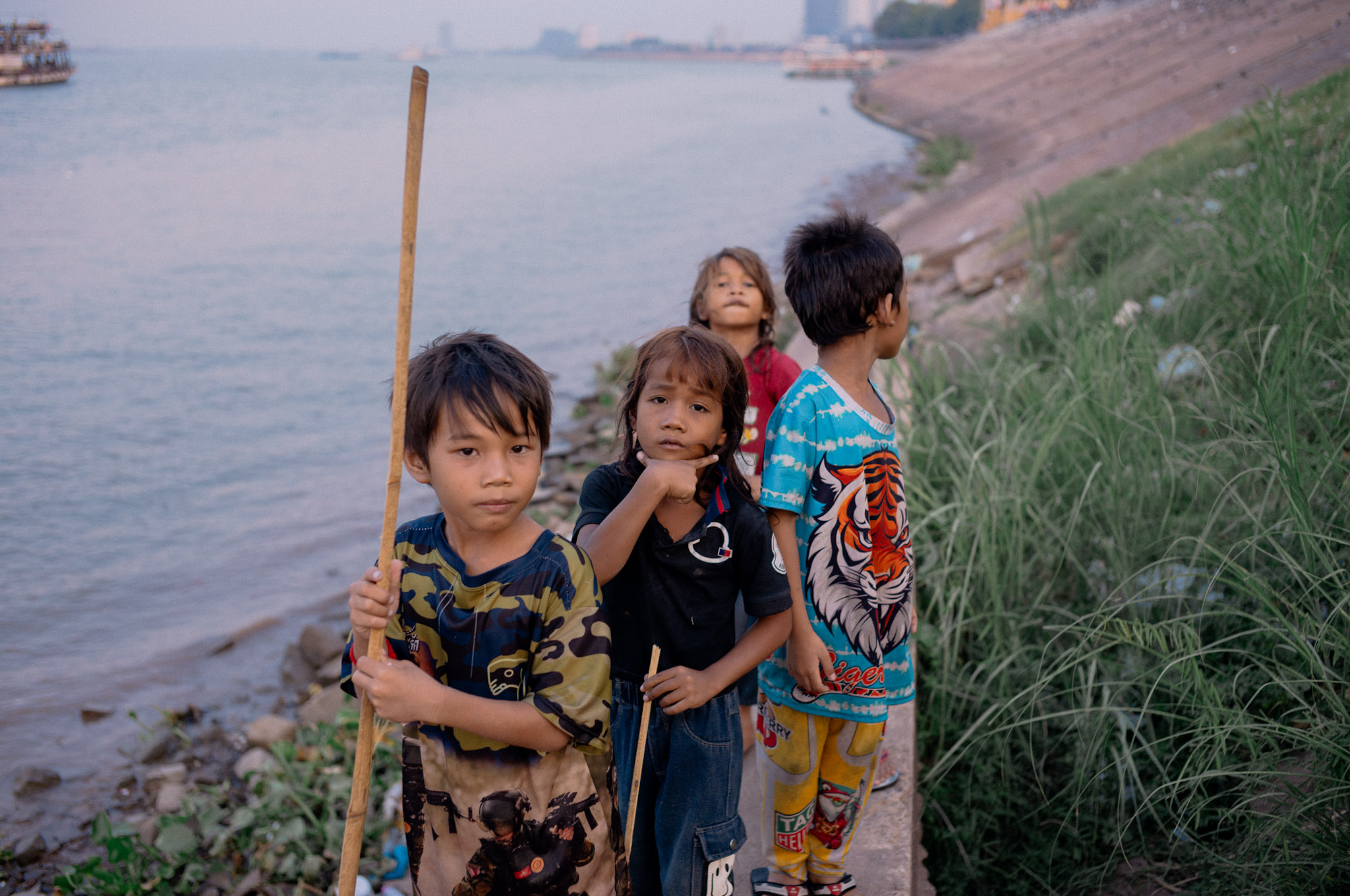
    Phnom Penh: The Waterline

    Along the Tonle Sap below Phnom Penh’s riverfront promenade, swimmers, fishers and children occupy the rough threshold between city and water.

  • Miyagawacho in Passing
    ,

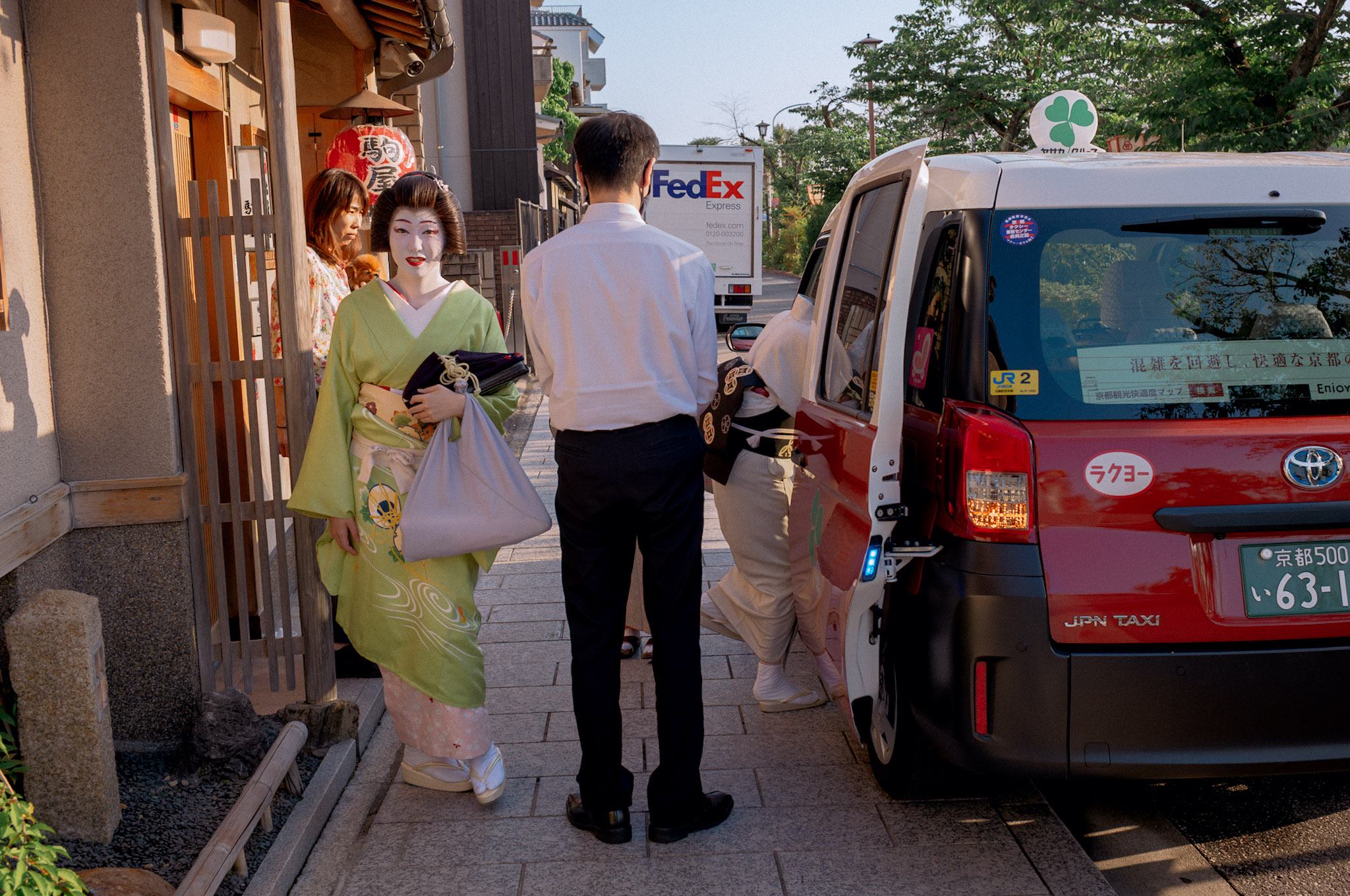
    Miyagawacho in Passing

    A close street study of maiko, geiko and everyday movement through Miyagawacho, one of Kyoto’s working hanamachi districts.

  • Tokyo After Dark
    ,

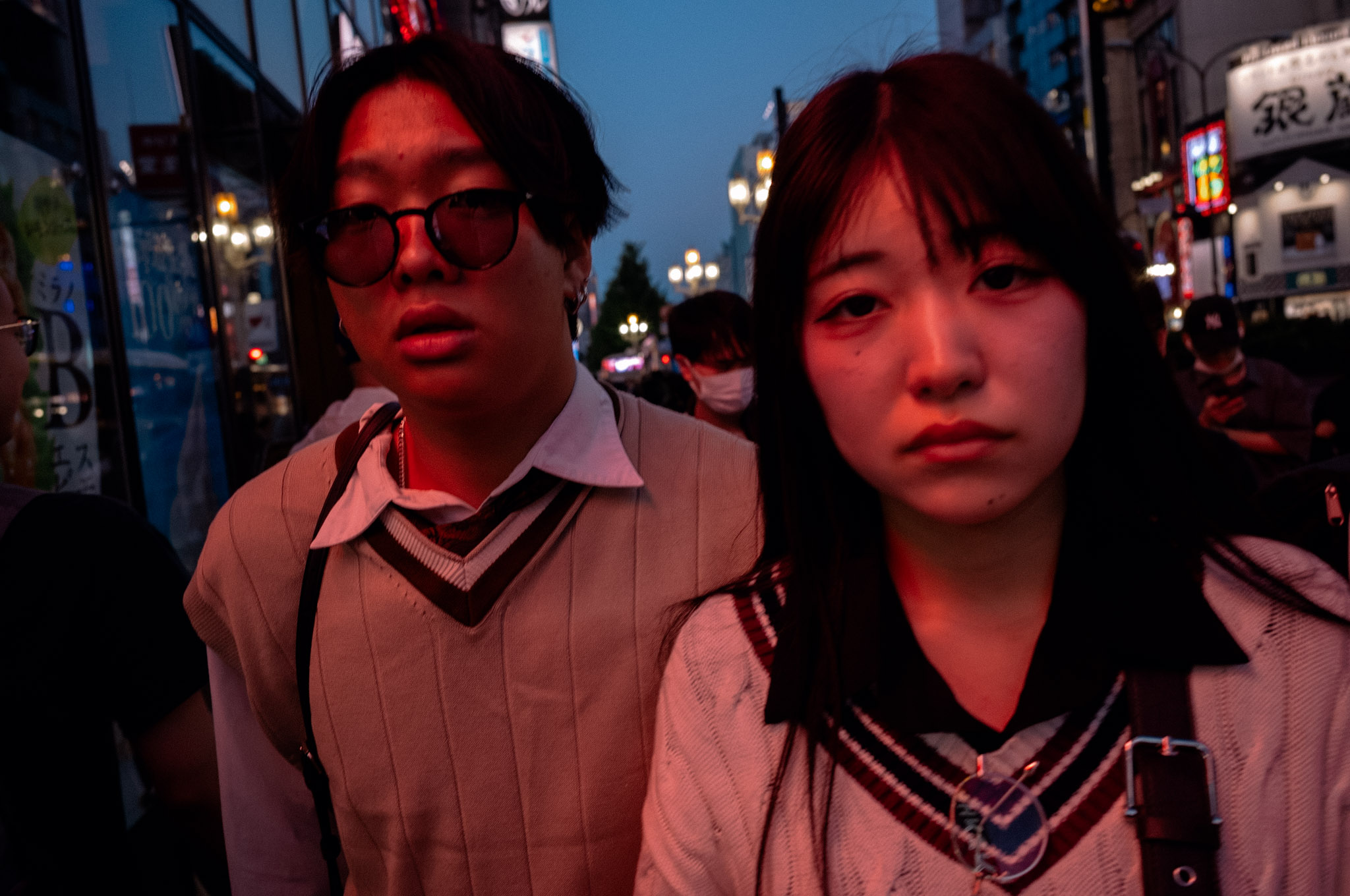
    Tokyo After Dark

    Tokyo night photography exploring intimacy, labor, performance and anonymity across the city’s after-dark districts.

  • Melbourne, Again
    ,

    Melbourne, Again

    An ongoing street study of Melbourne, photographed during yearly returns to home after moving to New York City.

  • Times Square: Dreams and Desperation
    ,

    Times Square: Dreams and Desperation

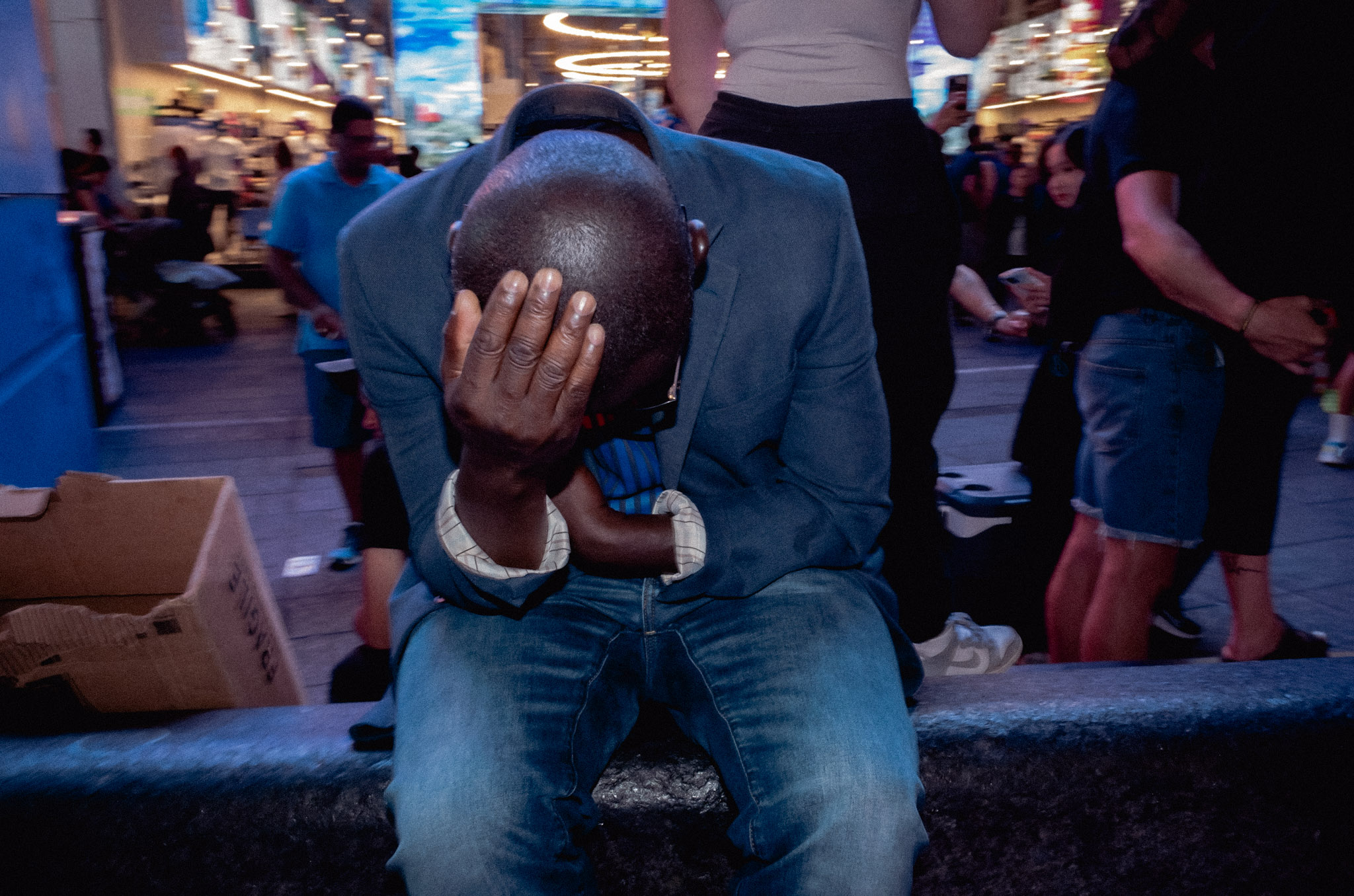
    A long-term street study of Times Square as an American dream factory, where global spectacle collides with labor, historical erasure and street-level desperation.

  • The Notebook

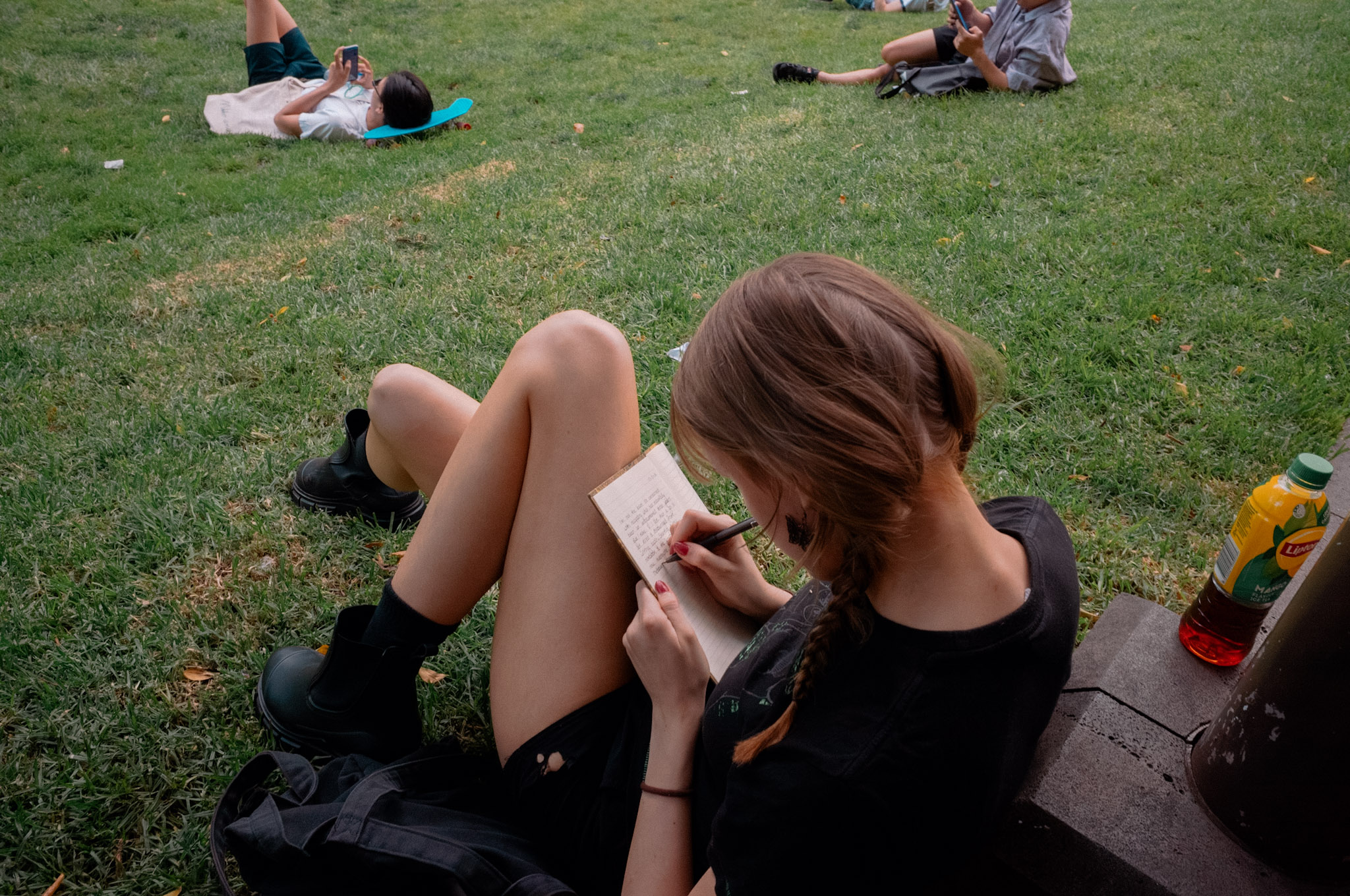
    The Notebook

    The Notebook observes people writing in public and the private interior held by the page, where memory, unfinished thought and absence meet.