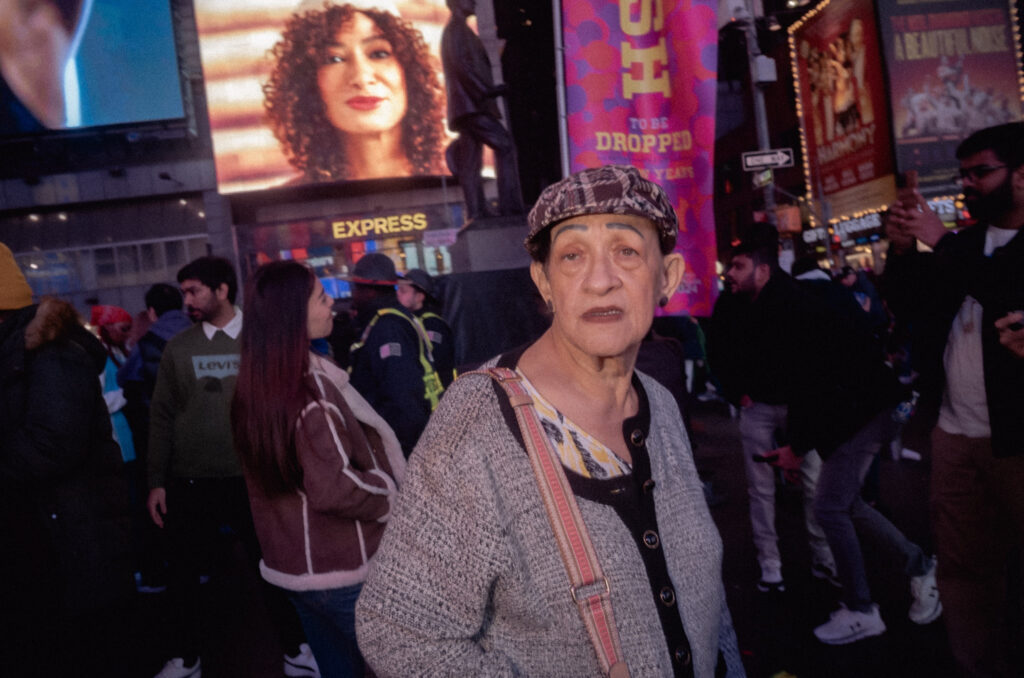
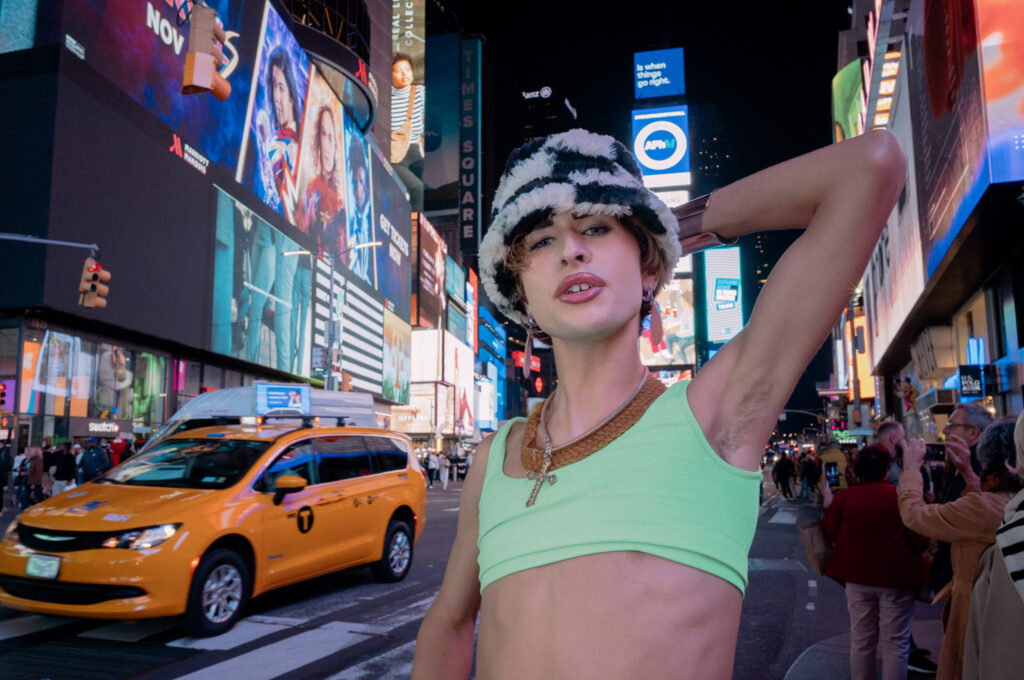
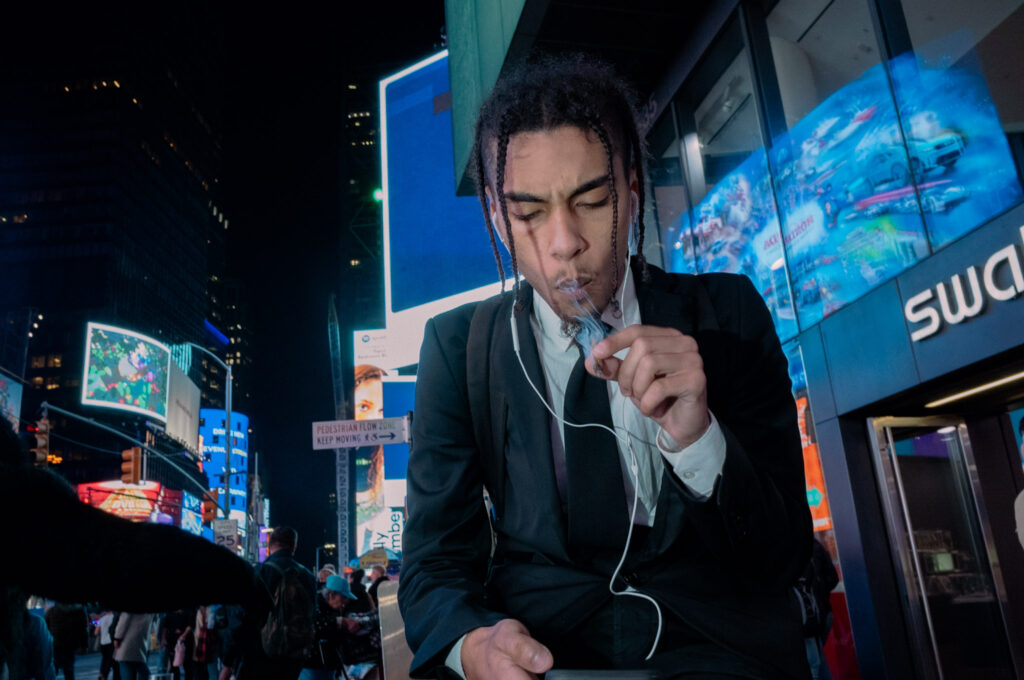
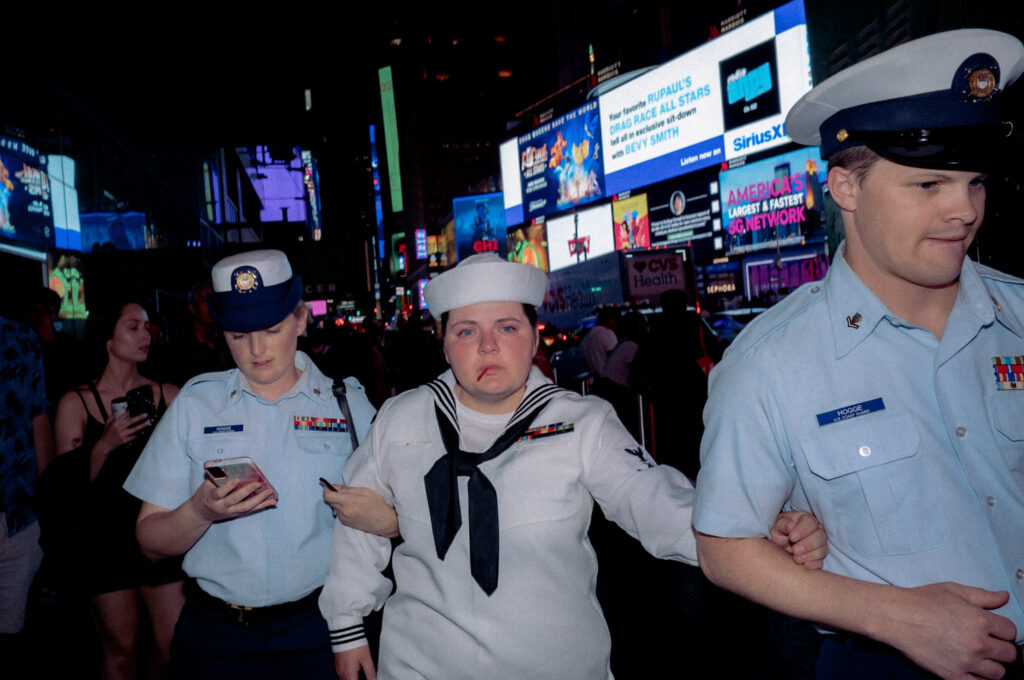
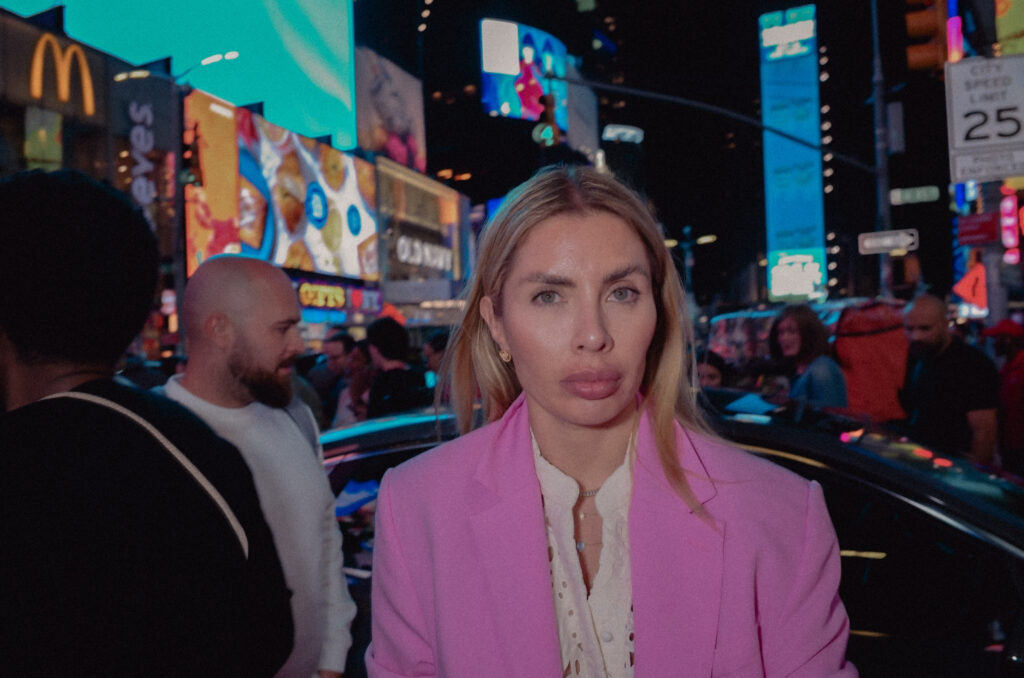
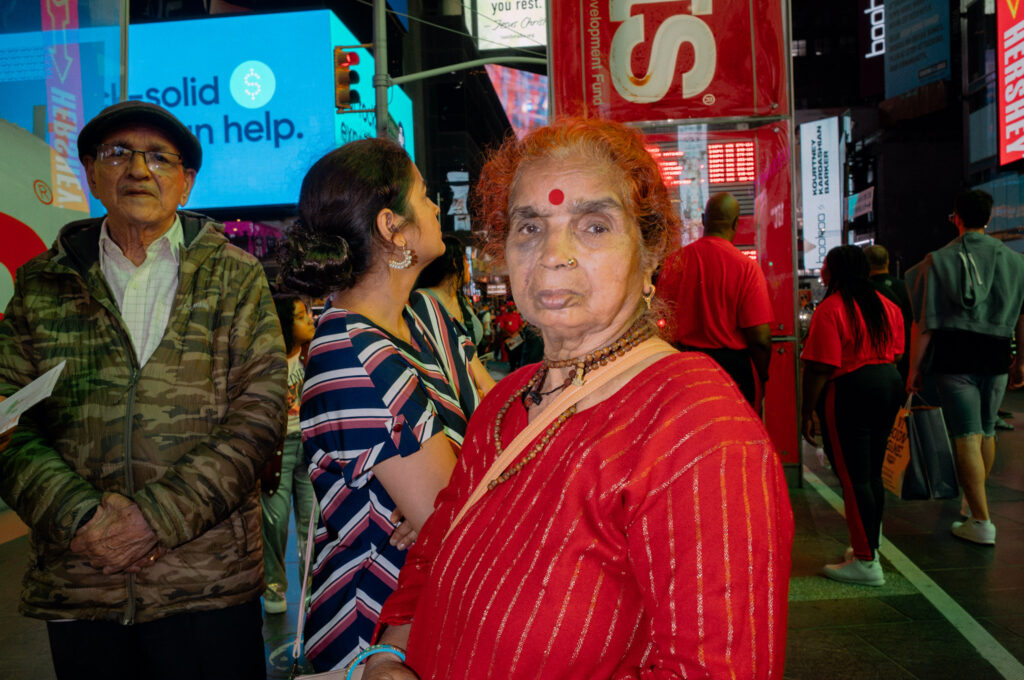
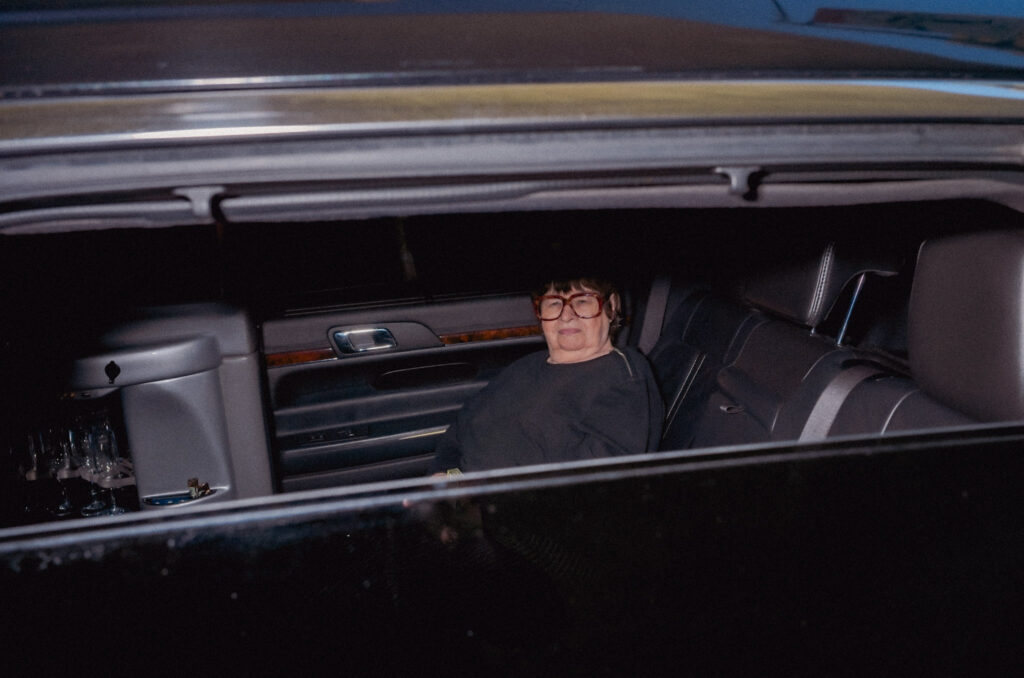
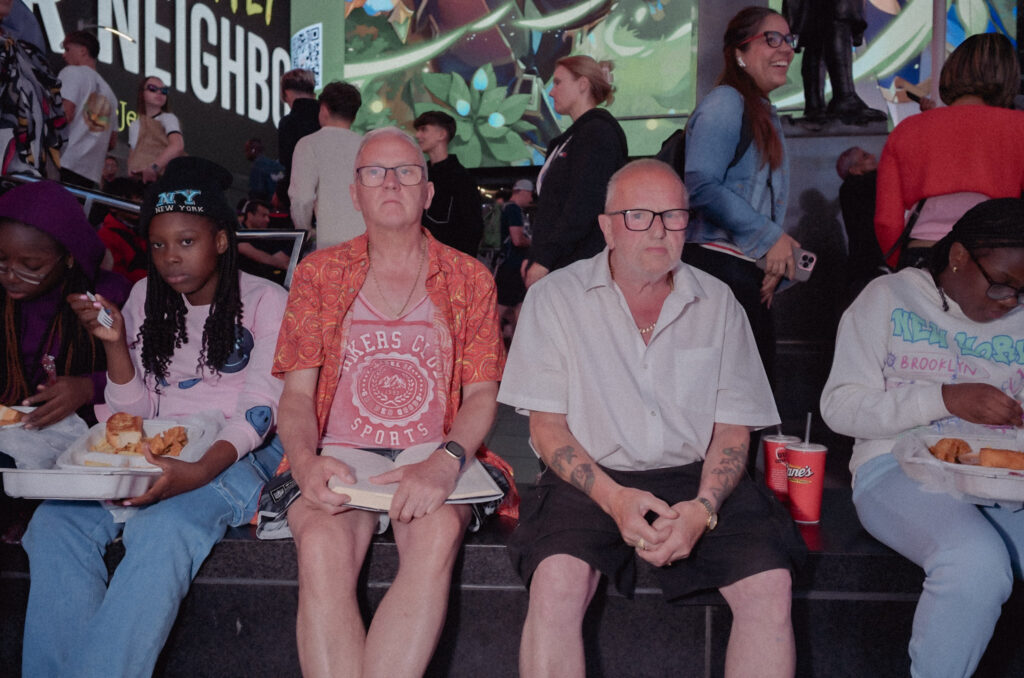
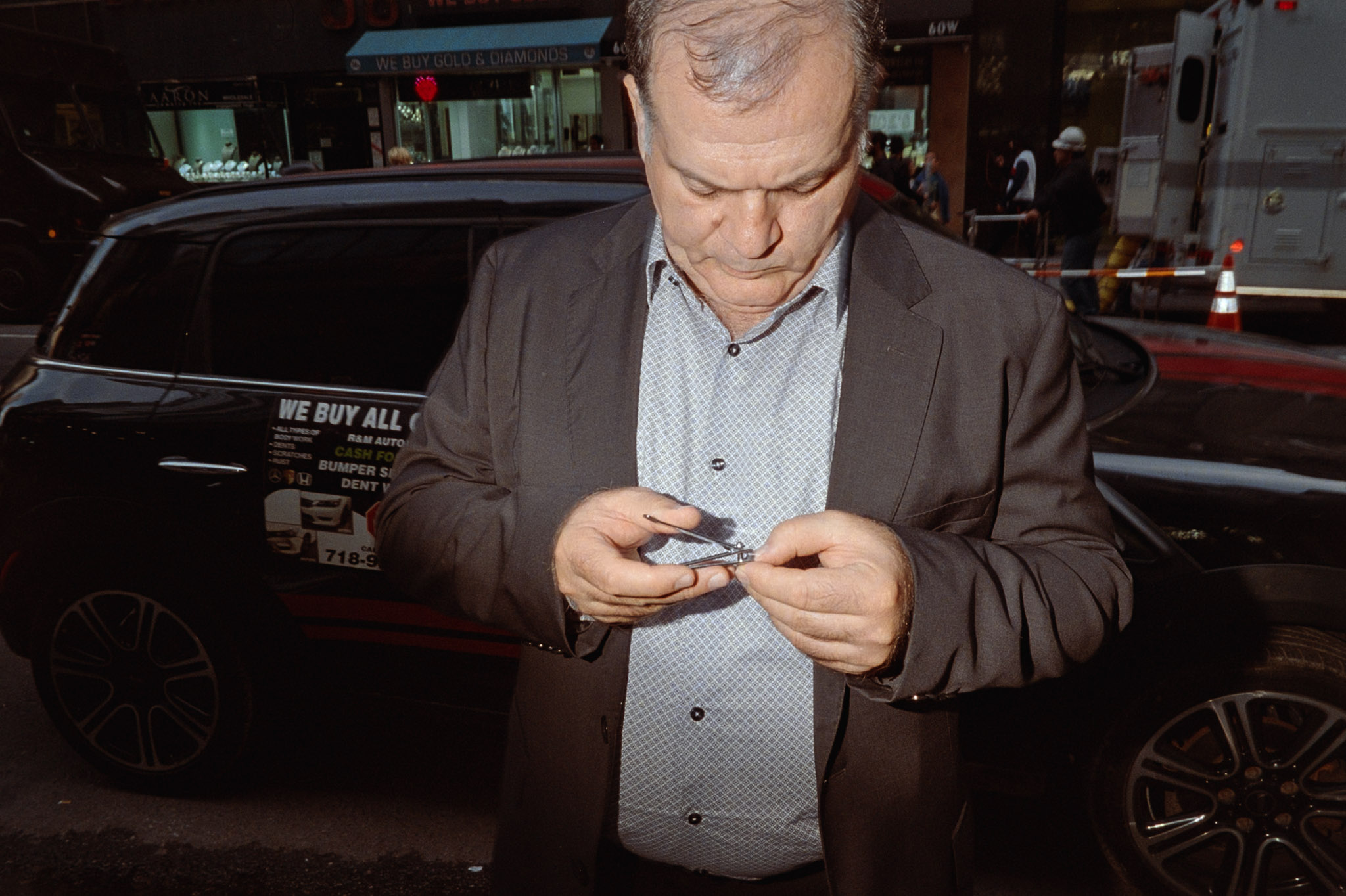
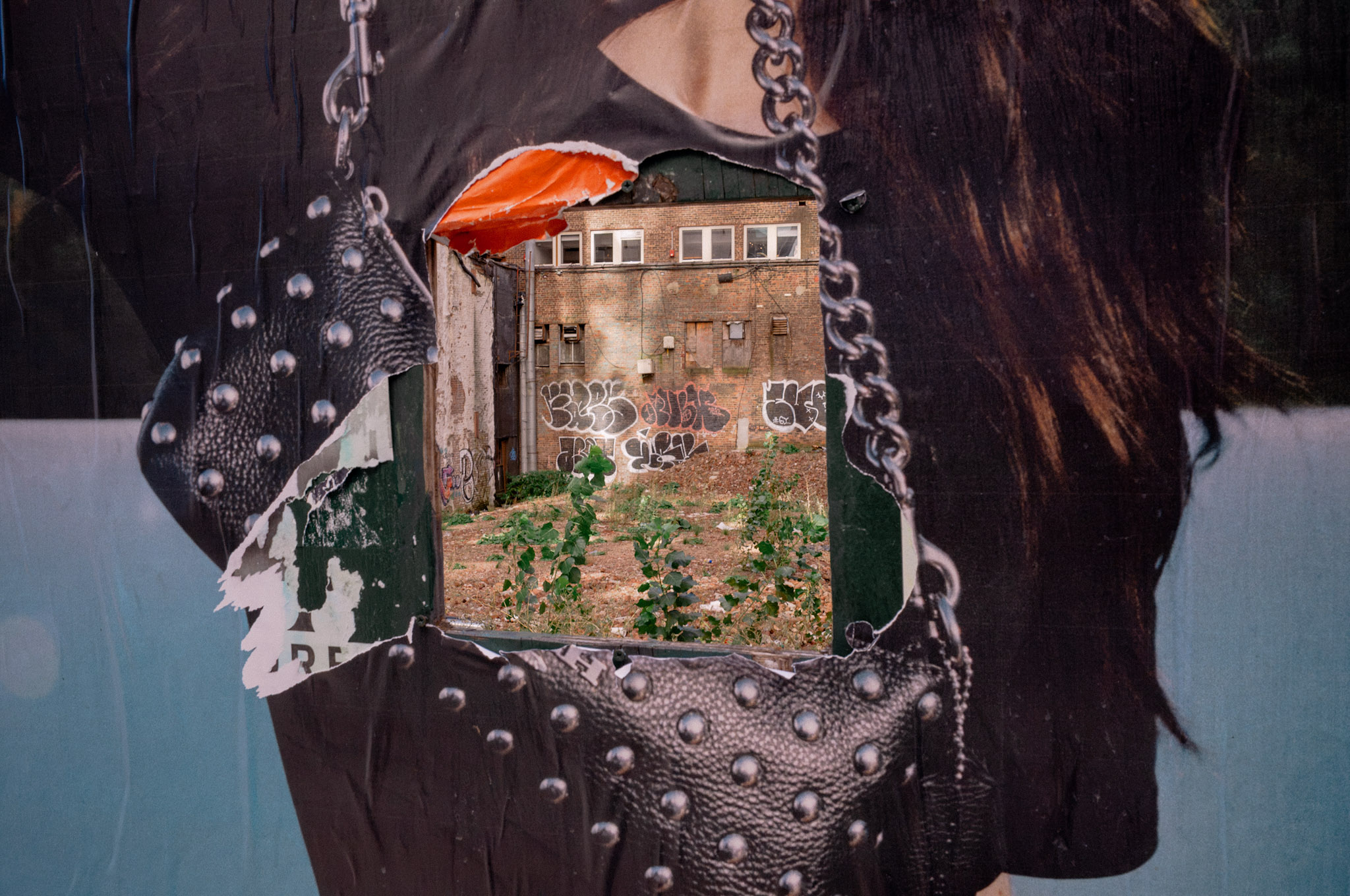
A long-term street study of Times Square as an American dream factory, where global spectacle collides with labor, historical erasure and street-level desperation.
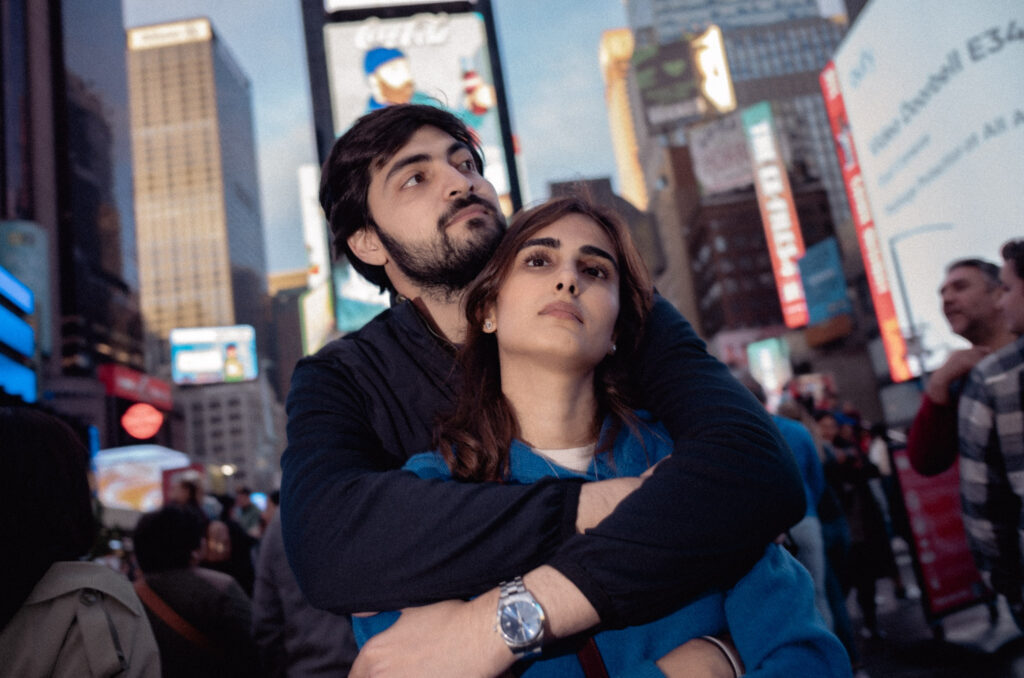
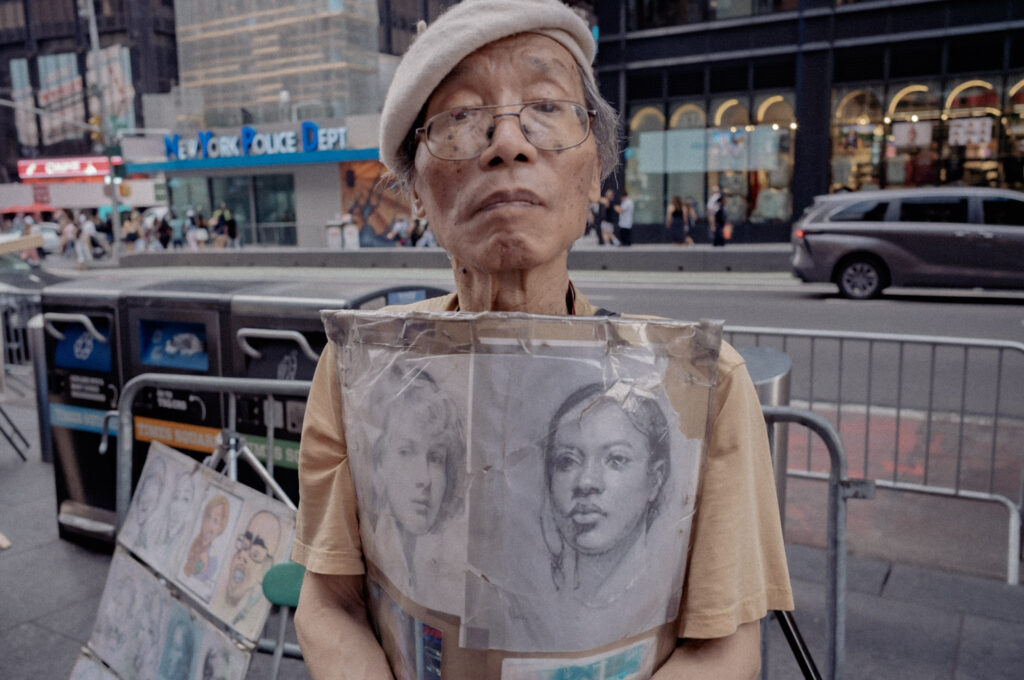
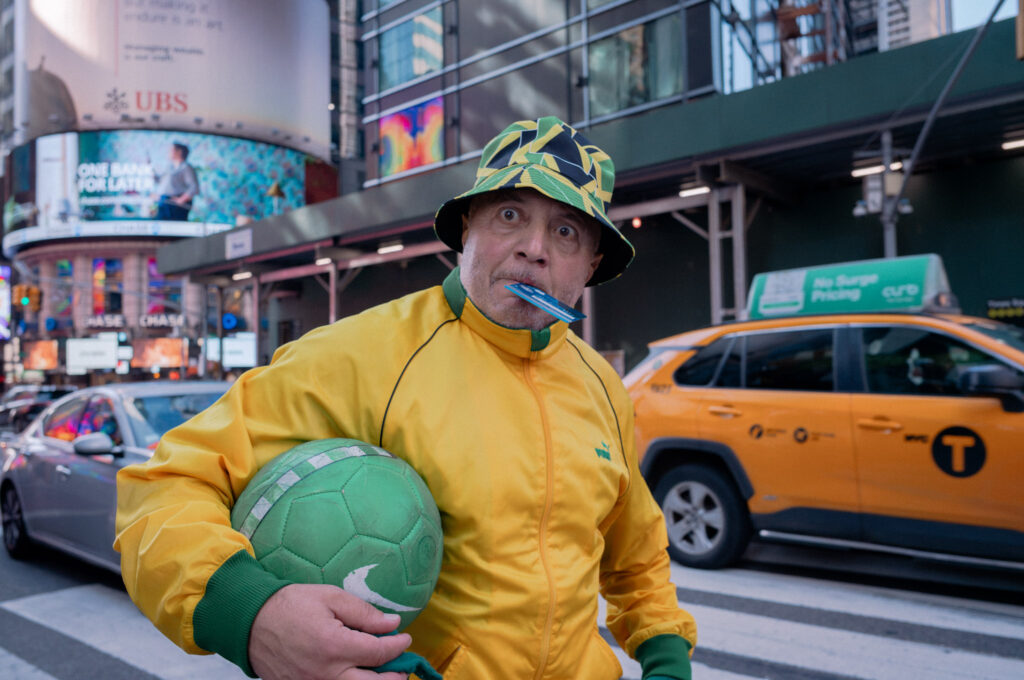
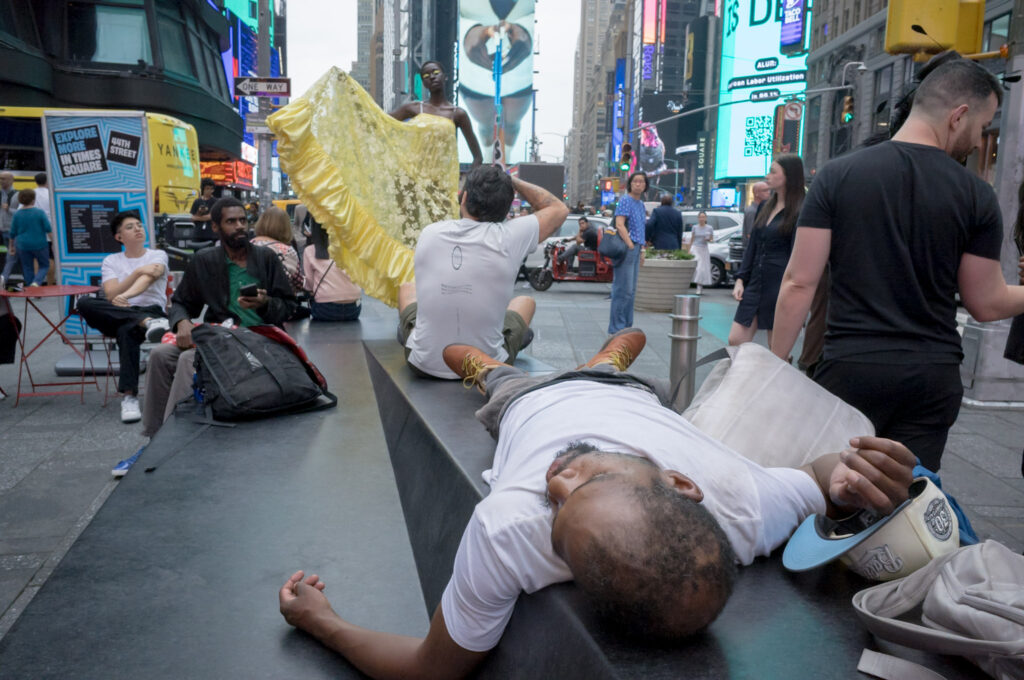
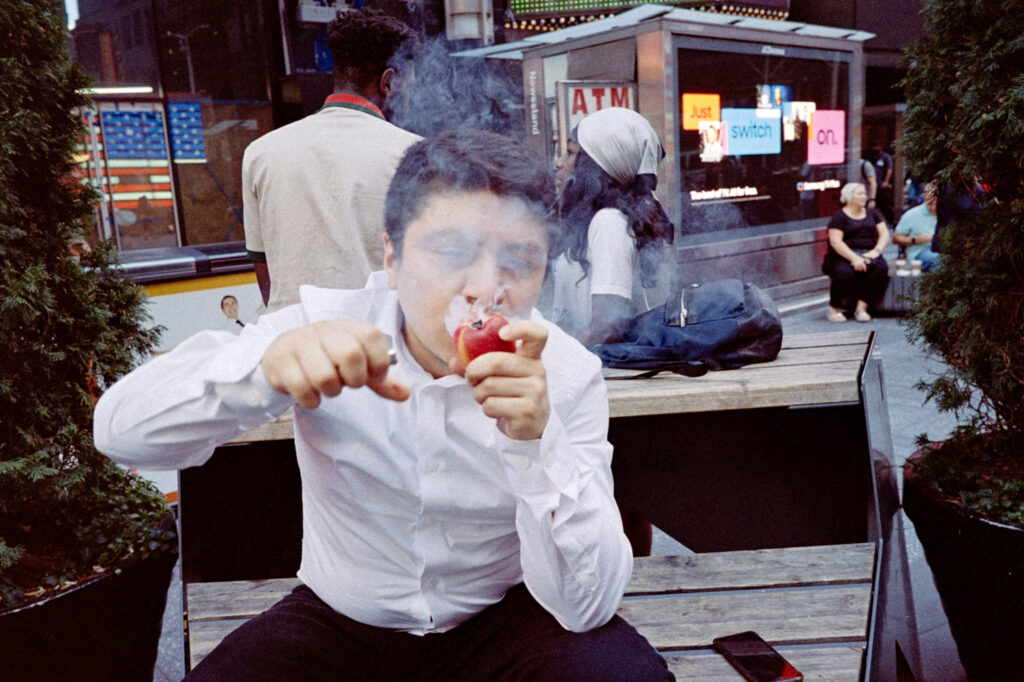
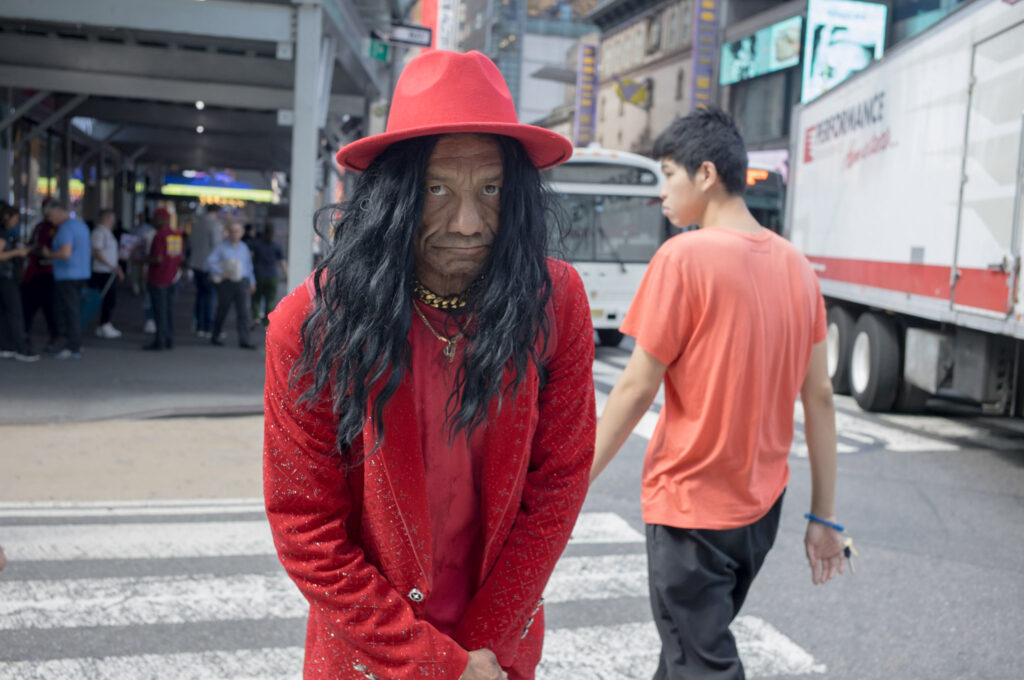
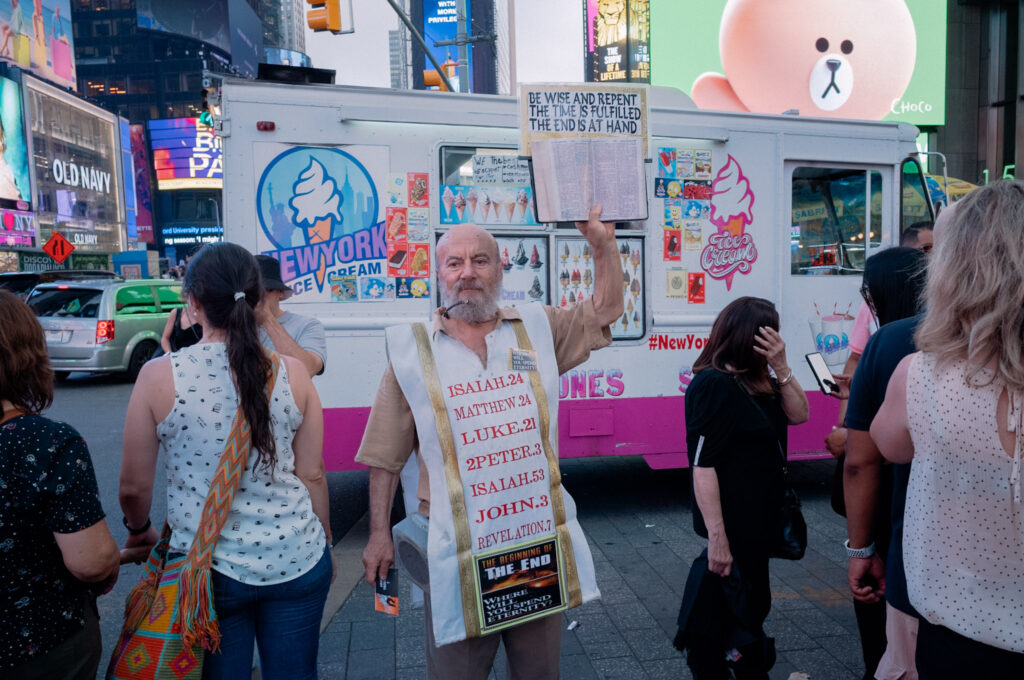
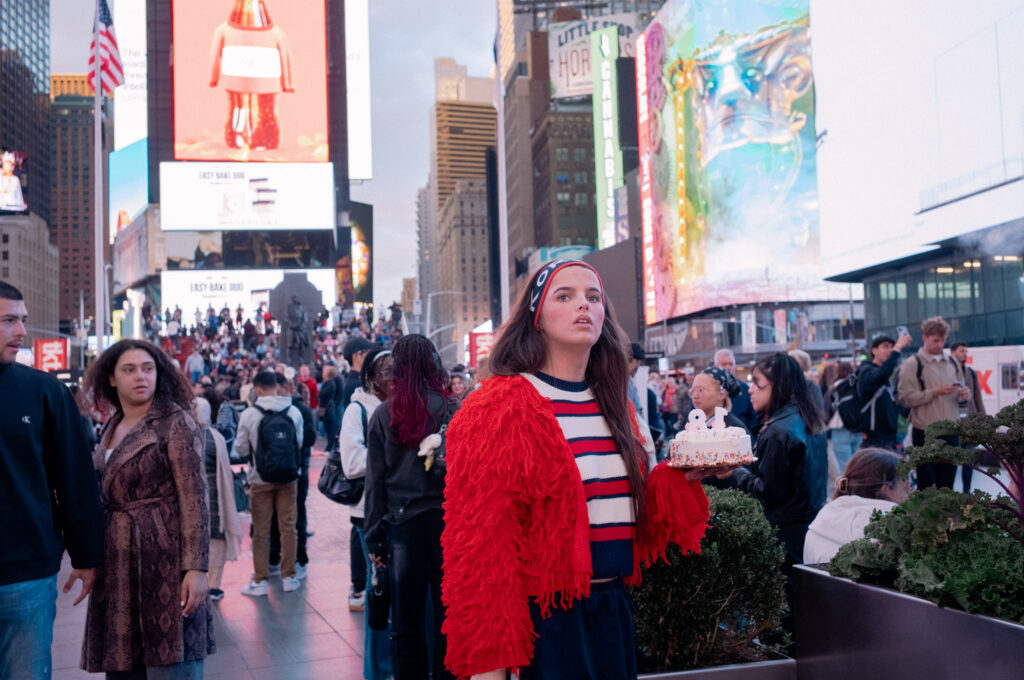
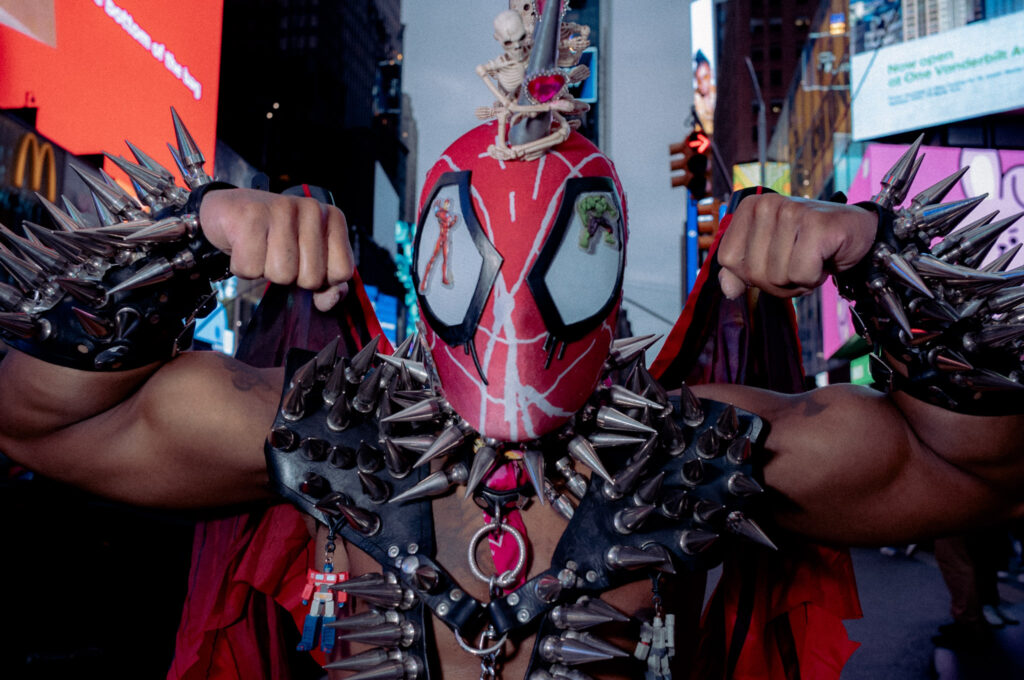
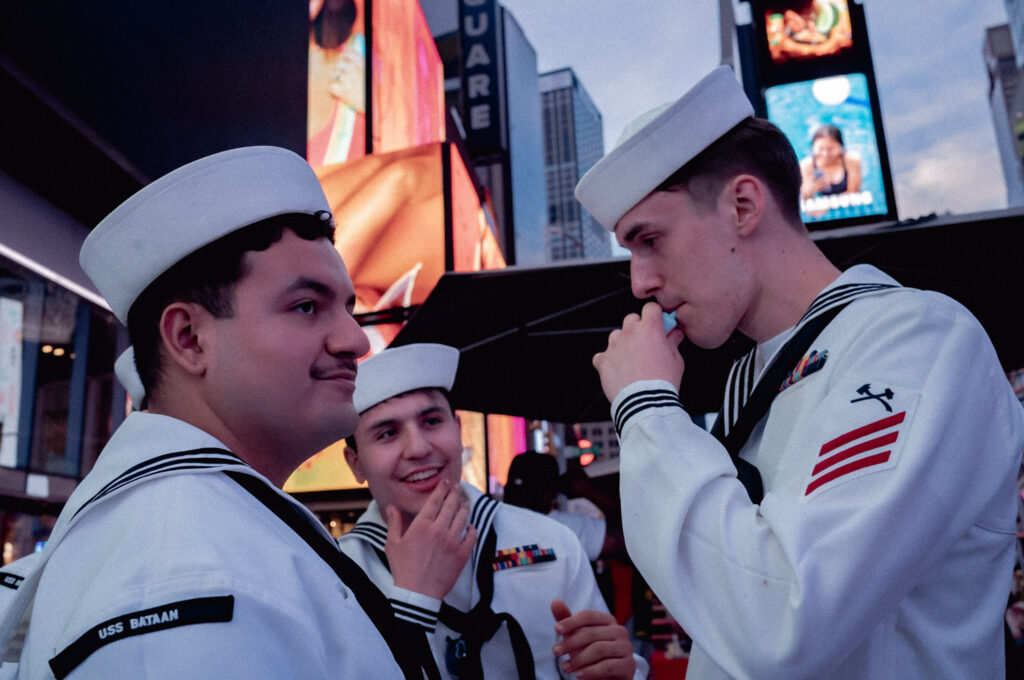
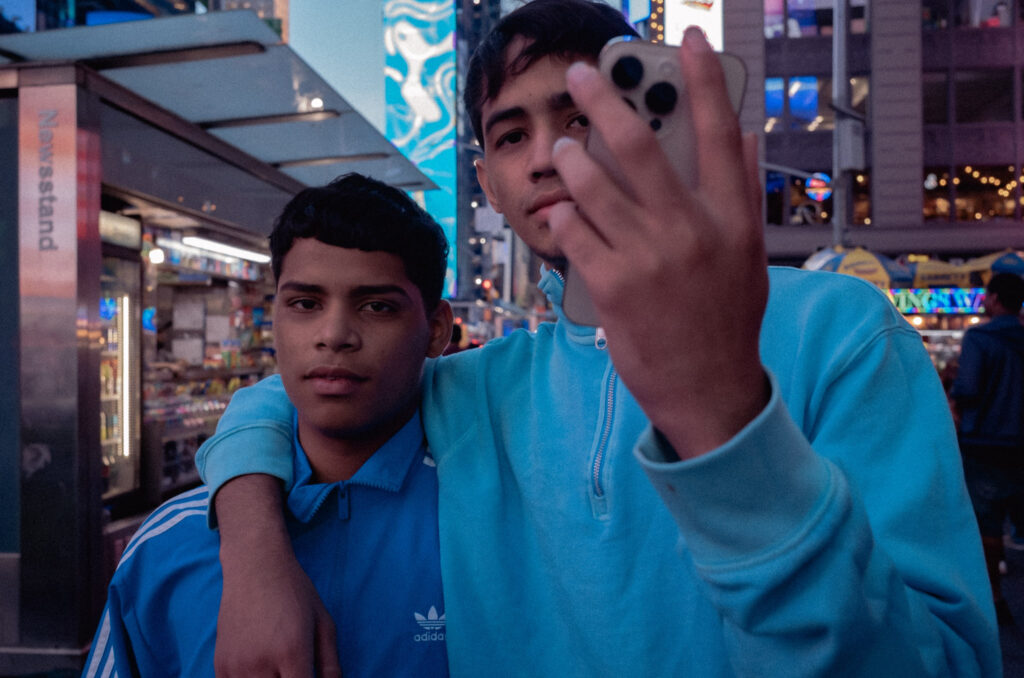
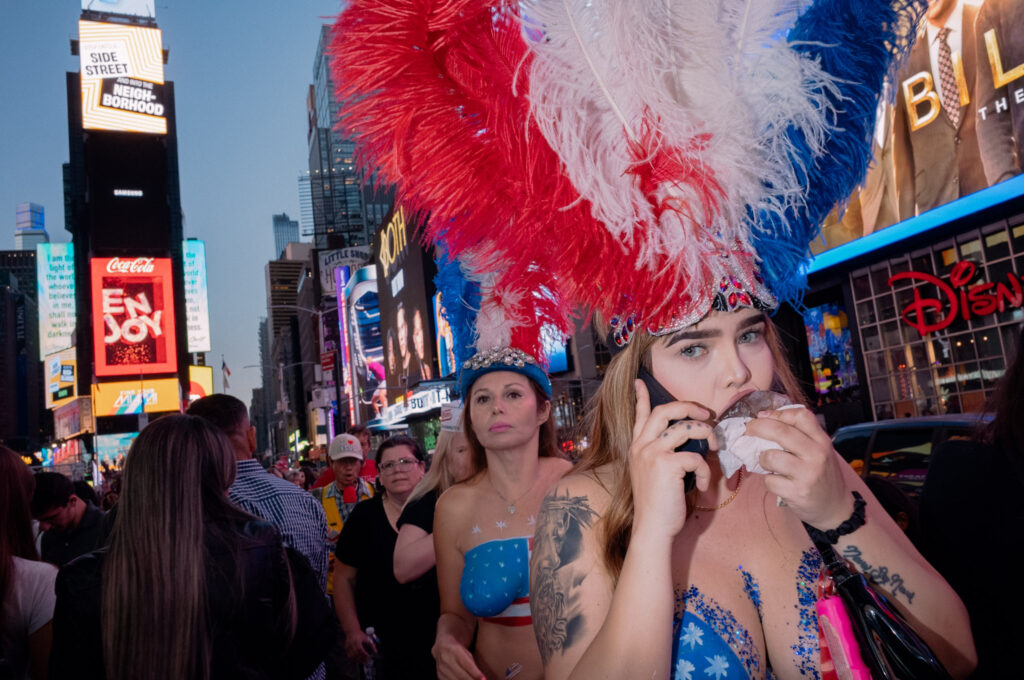
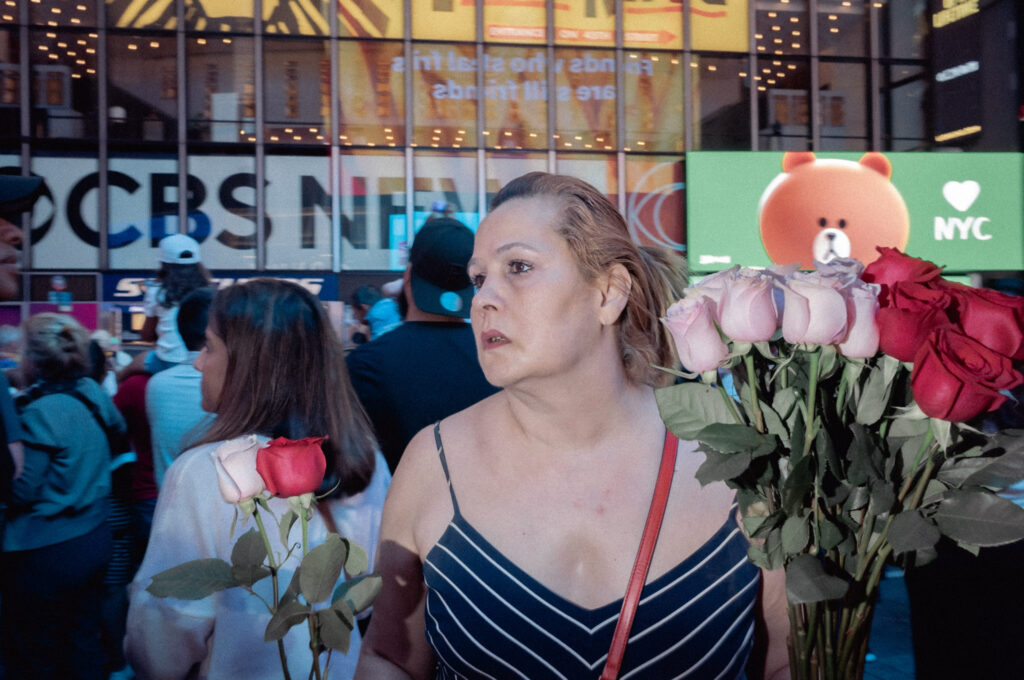
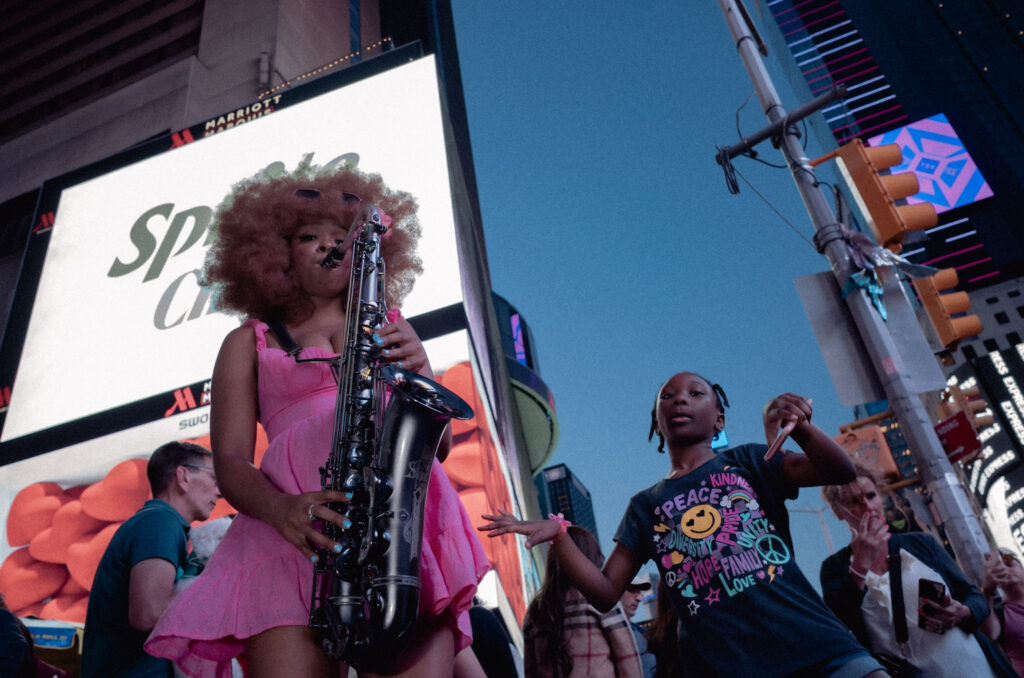
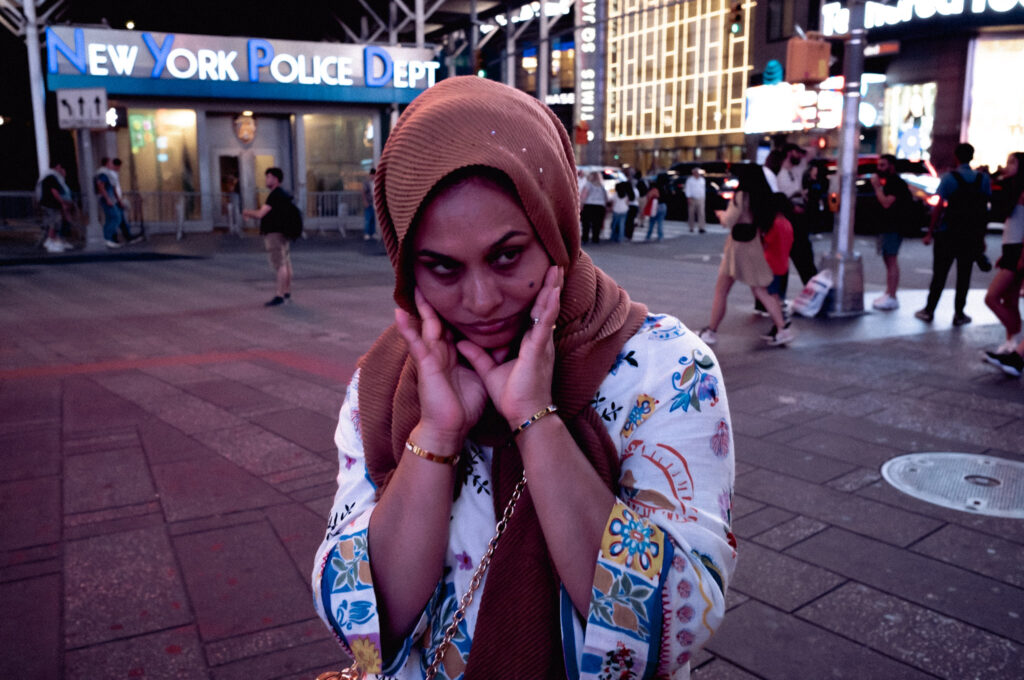
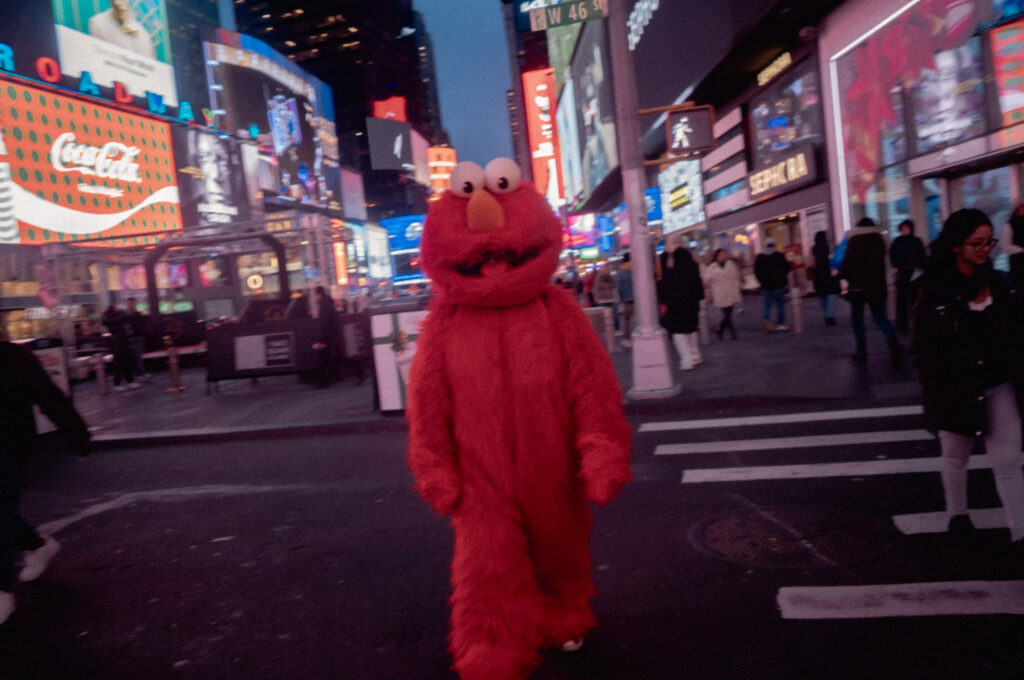
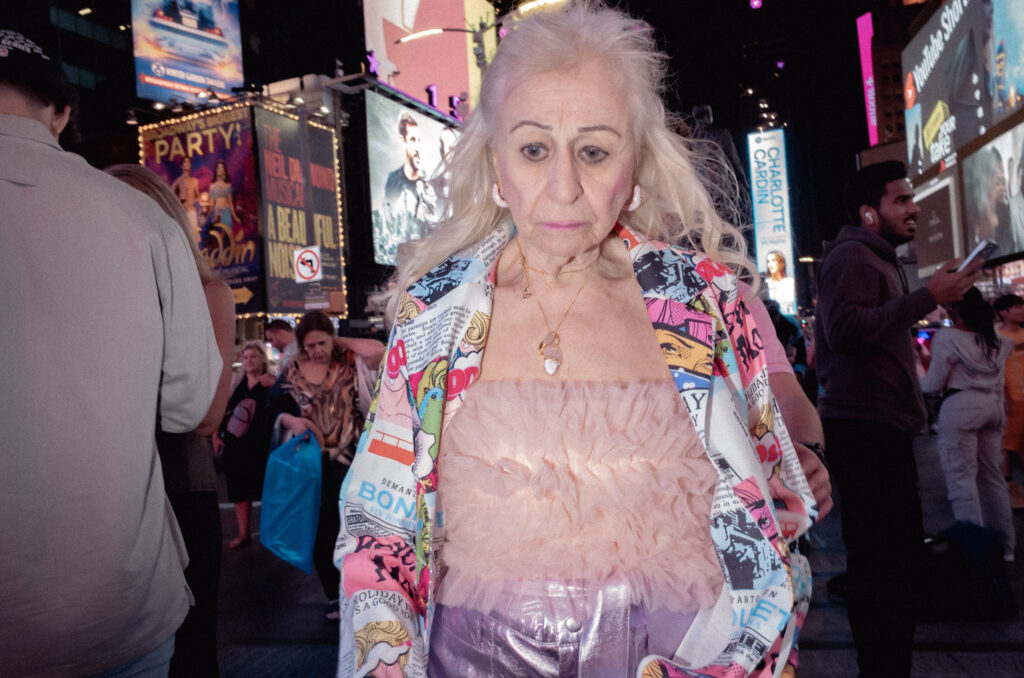
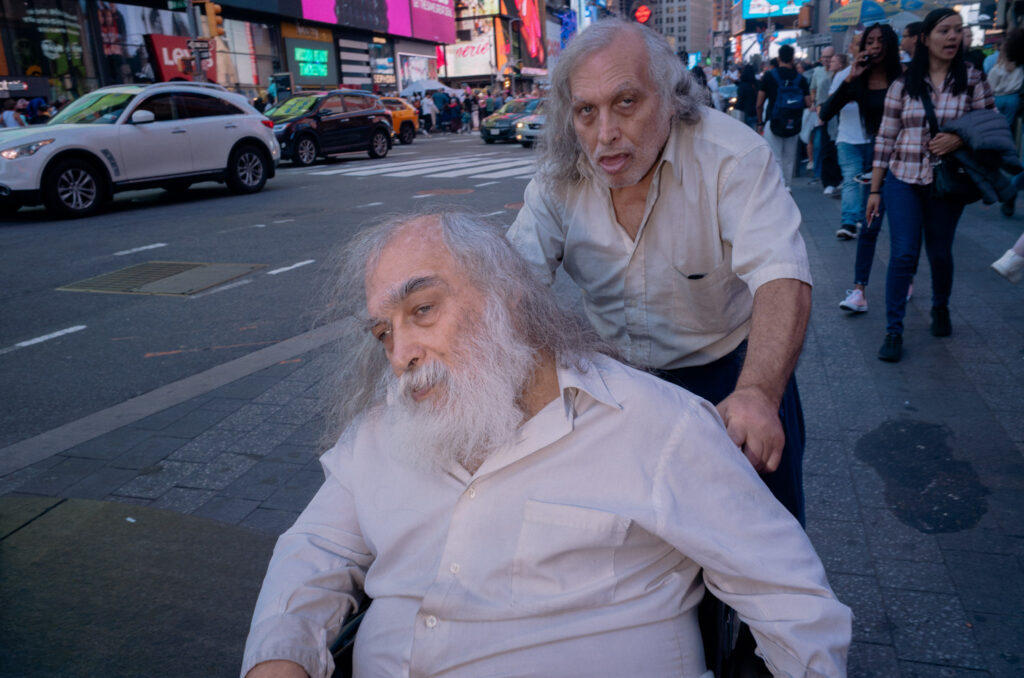
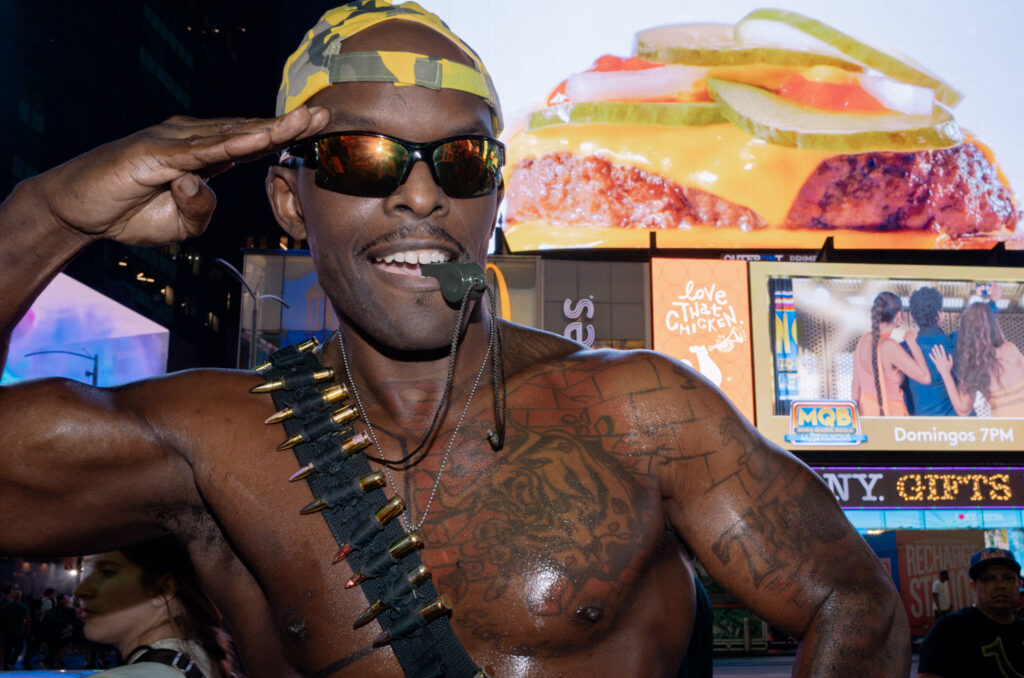
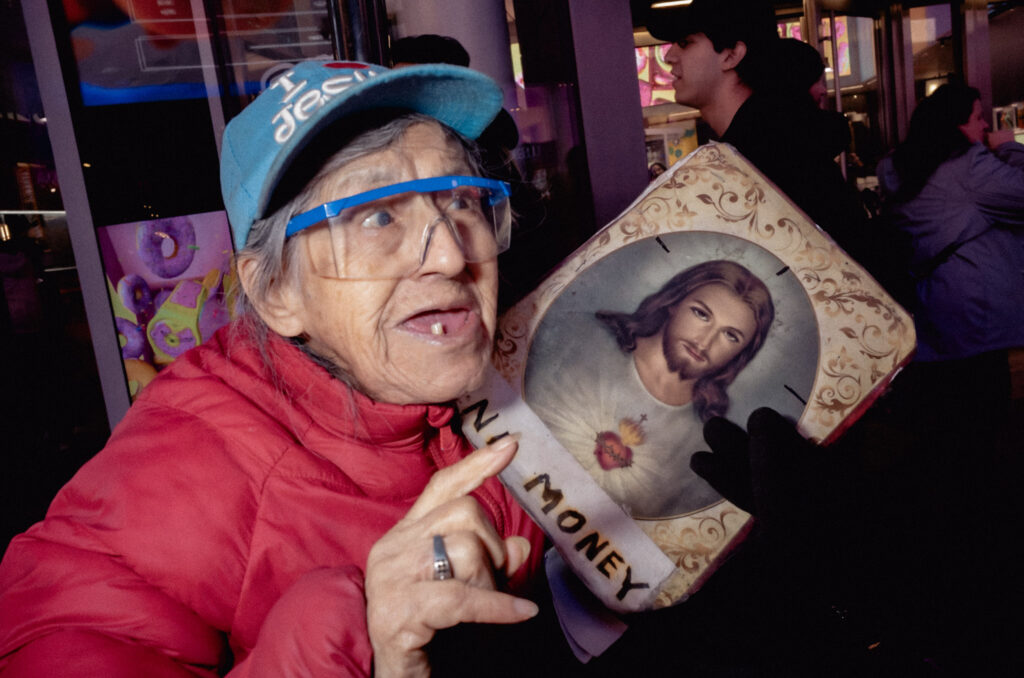
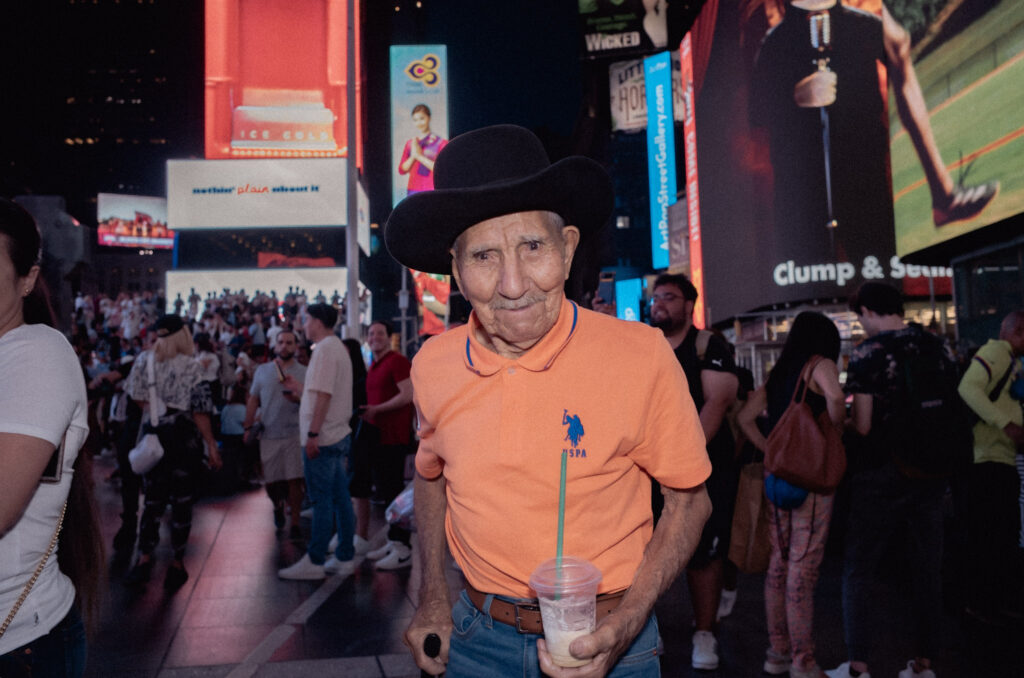
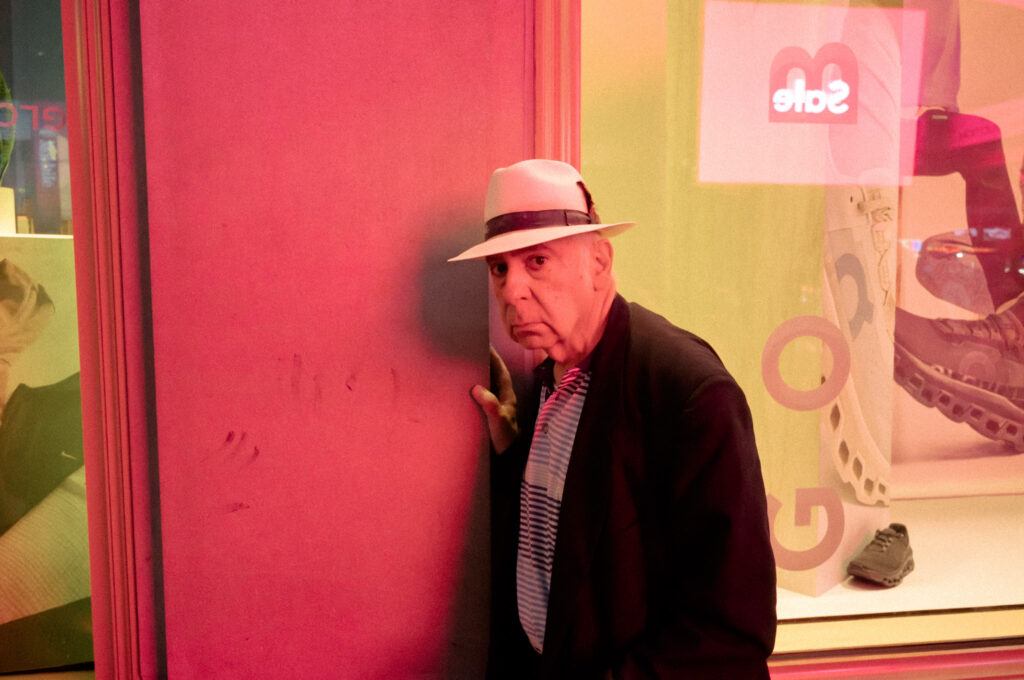
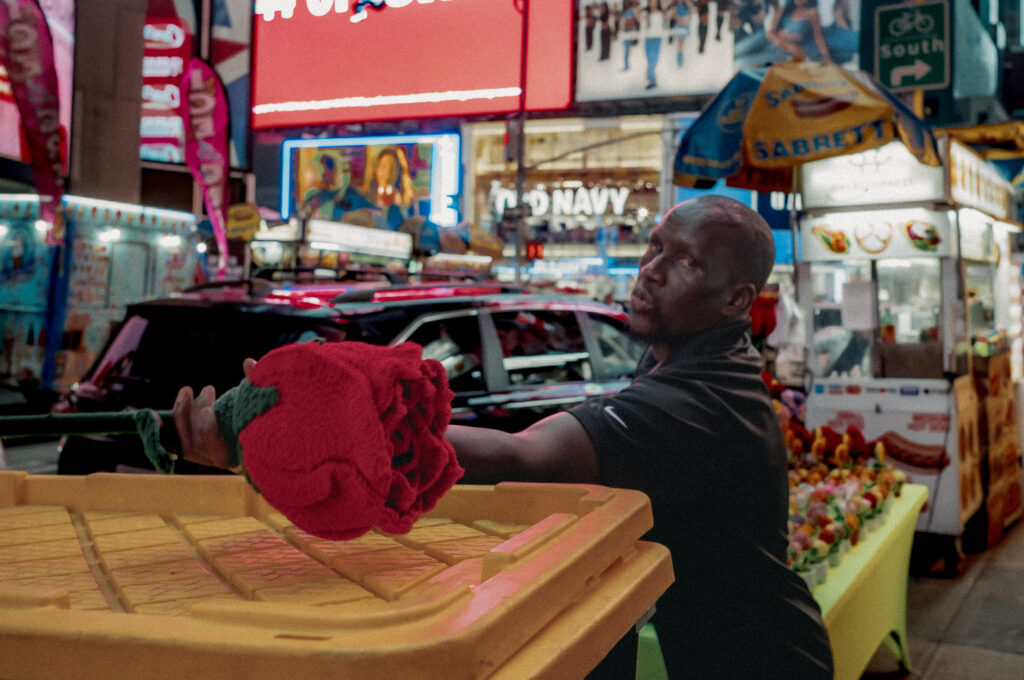
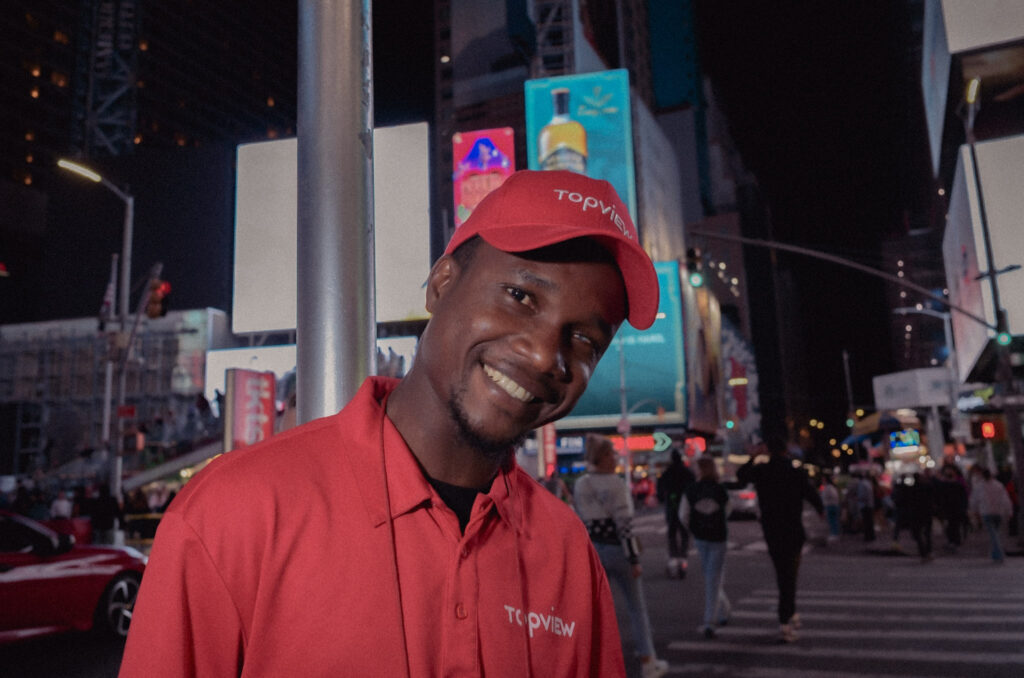
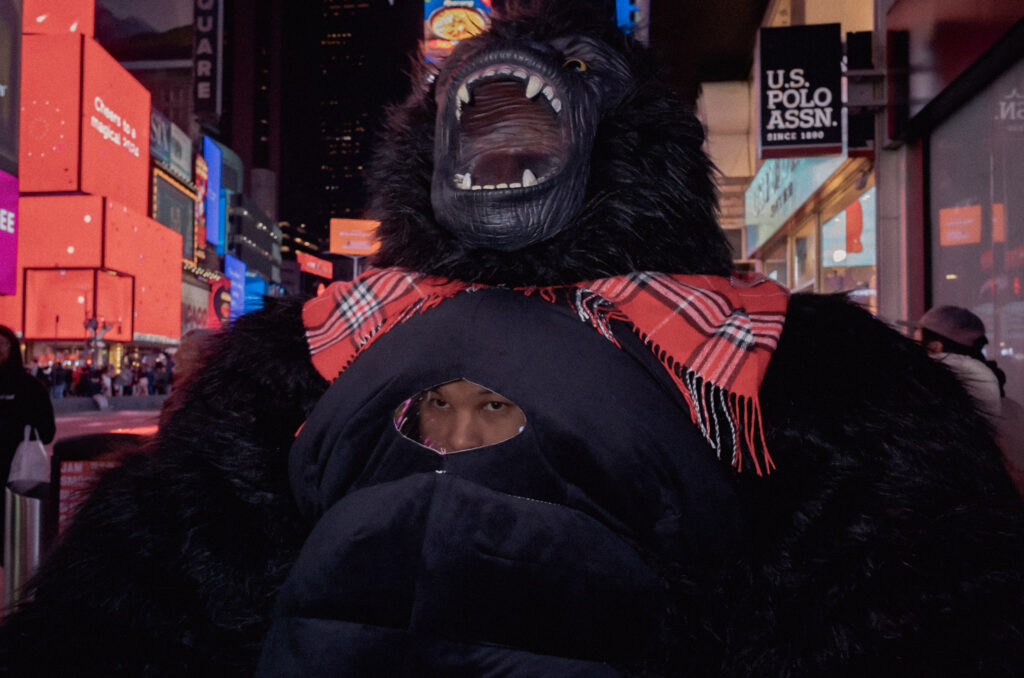
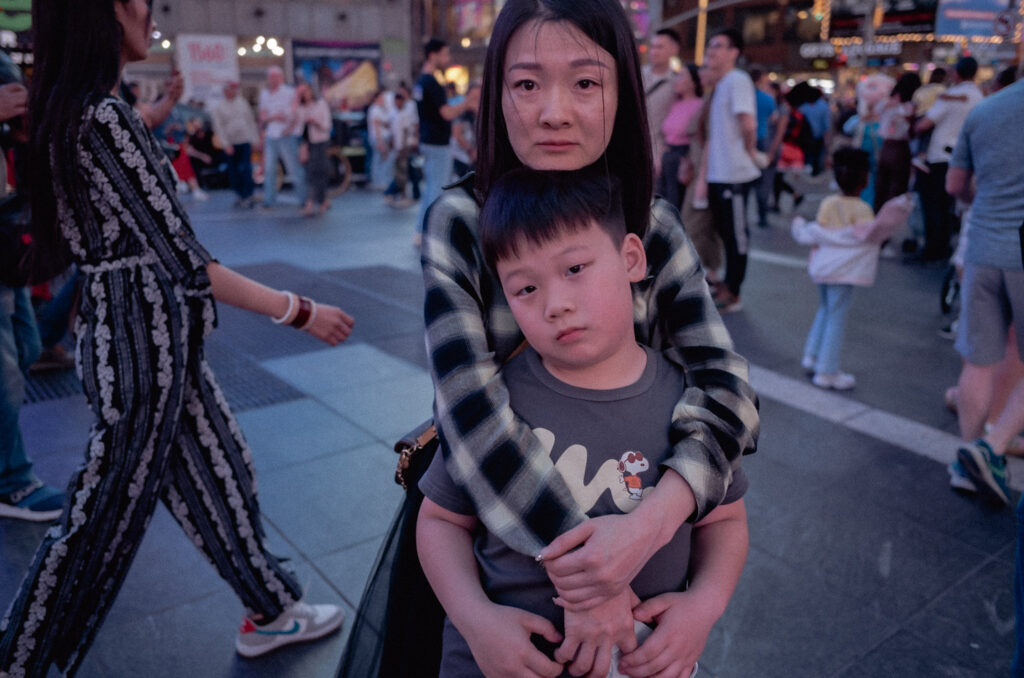
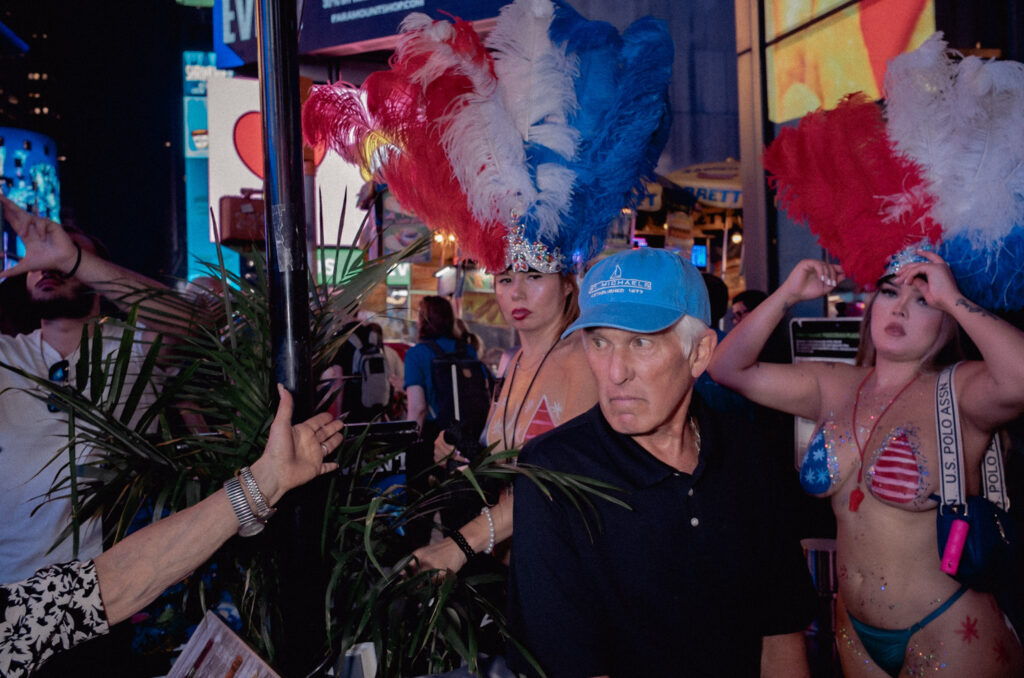
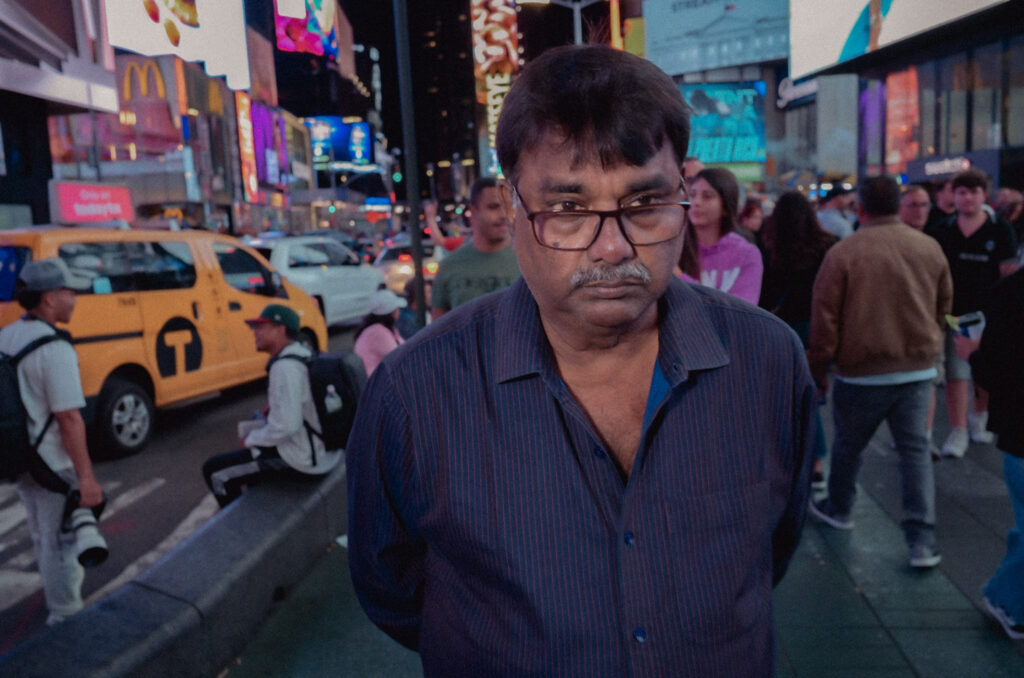
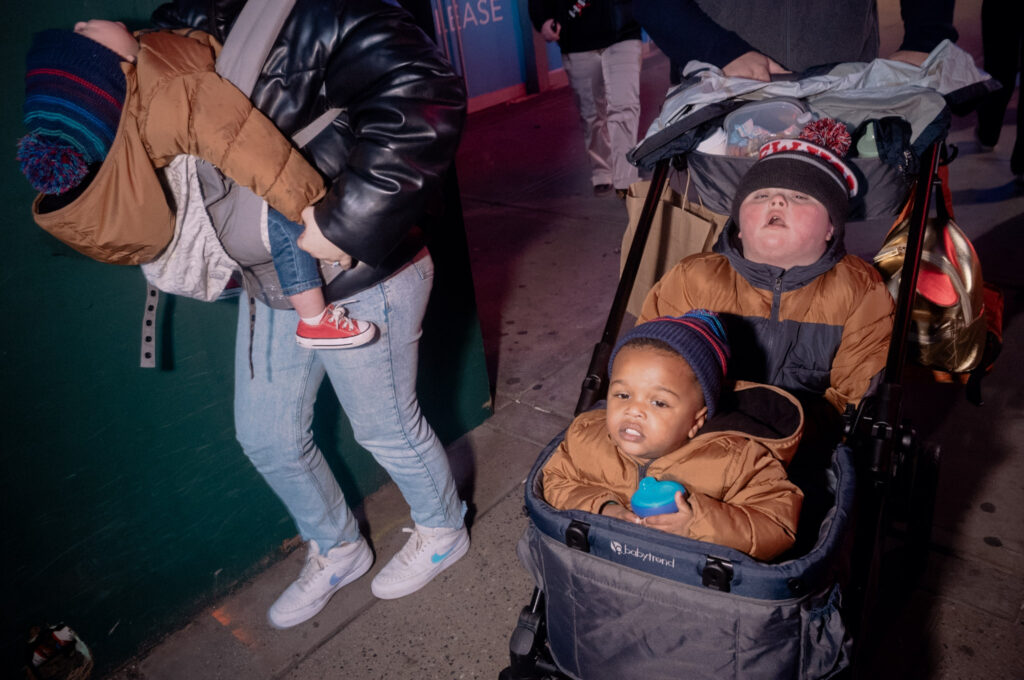
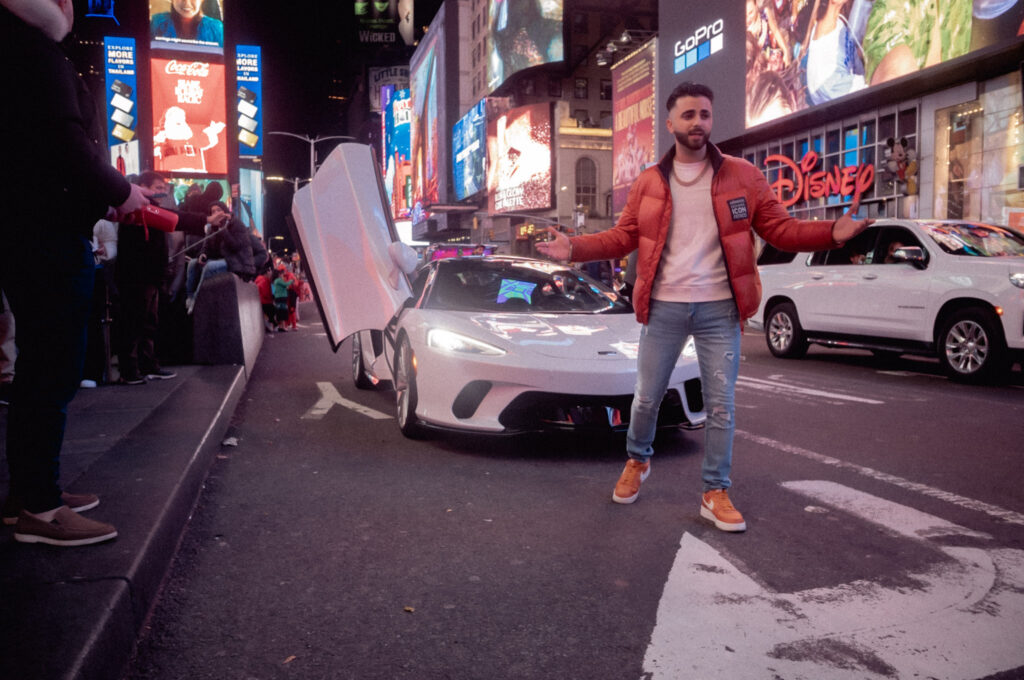
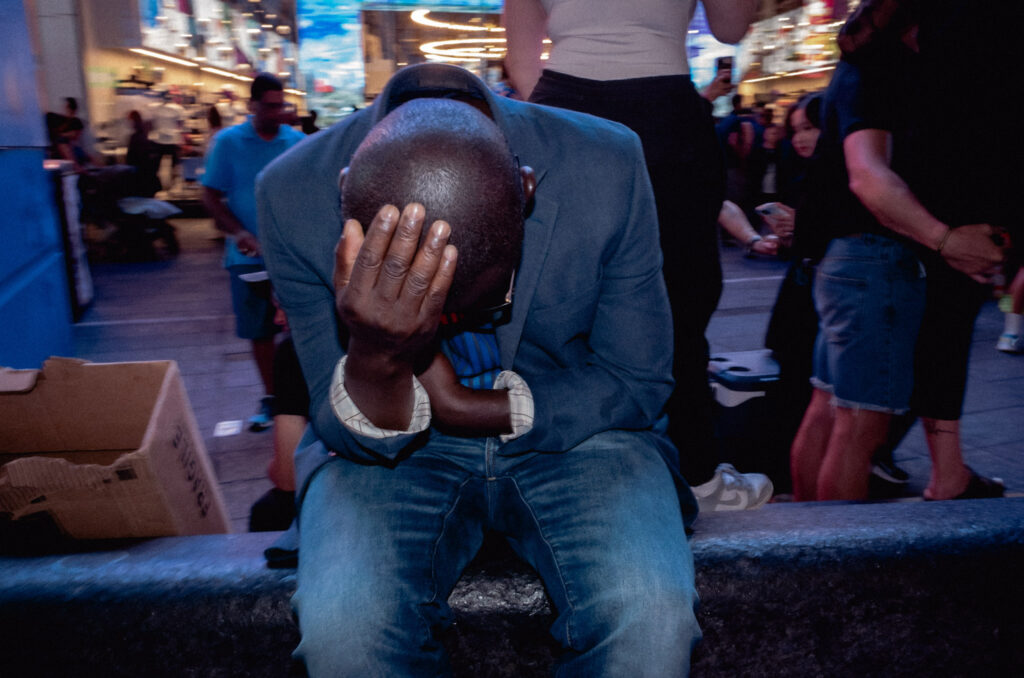
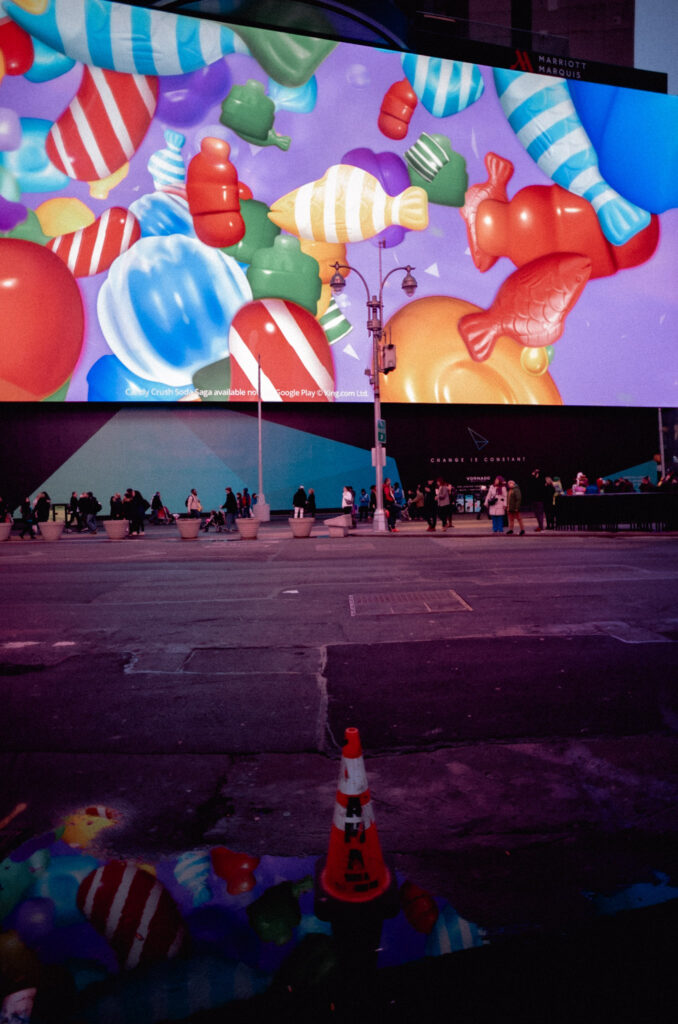
Times Square, New York City.Times Square, New York City.Abdul in Times Square, New York City.Times Square, New York City.Times Square, New York City.Times Square, New York City.Jacob in Times Square, New York City.Times Square, New York City.“Spike” in Times Square, New York City.Times Square, New York City.Times Square, New York City.Times Square, New York City.Times Square, New York City.Times Square, New York City.Times Square, New York City.Times Square, New York City.Times Square, New York City.Times Square, New York City.“Prophecy Da God” in Times Square, New York City.Times Square, New York City.Times Square, New York City.Times Square, New York City.Times Square, New York City.Times Square, New York City.Times Square, New York City.Times Square, New York City.Franklyn in Times Square, New York City.Times Square, New York City.Times Square, New York City.Times Square, New York City.Times Square, New York City.Times Square, New York City.Times Square, New York City.Times Square, New York City.Times Square, New York City.Times Square, New York City.Times Square, New York City.Times Square, New York City.Times Square, New York City.Times Square, New York City.Times Square, New York City.
The project considers how American exceptionalism is converted into spectacle and circulated around the world. Times Square promises proximity to the center of culture, money and visibility. The photographs ask what happens when that promise is encountered from the pavement, and what kinds of labor, exclusion and desperation are required to keep the dream illuminated.