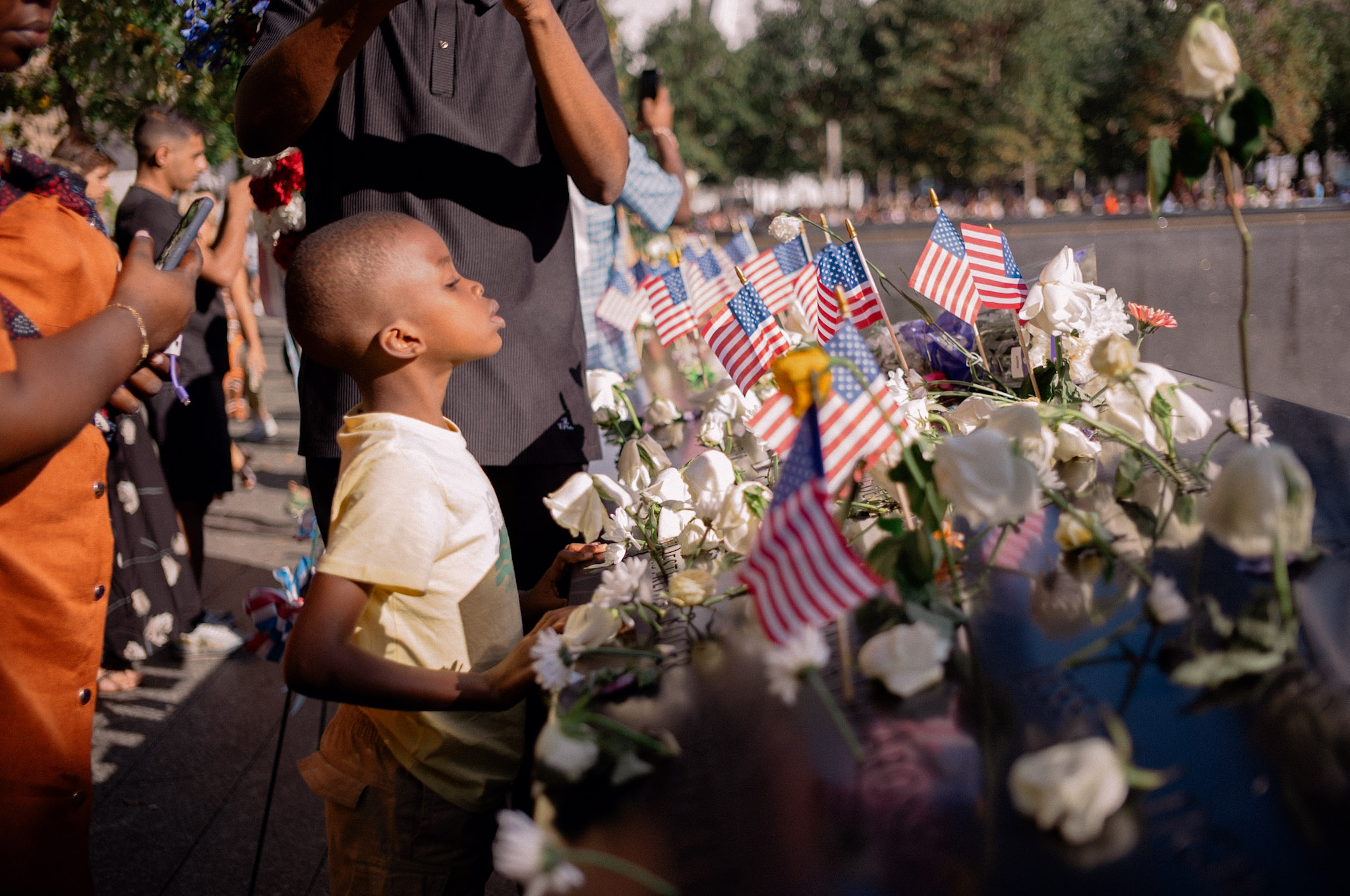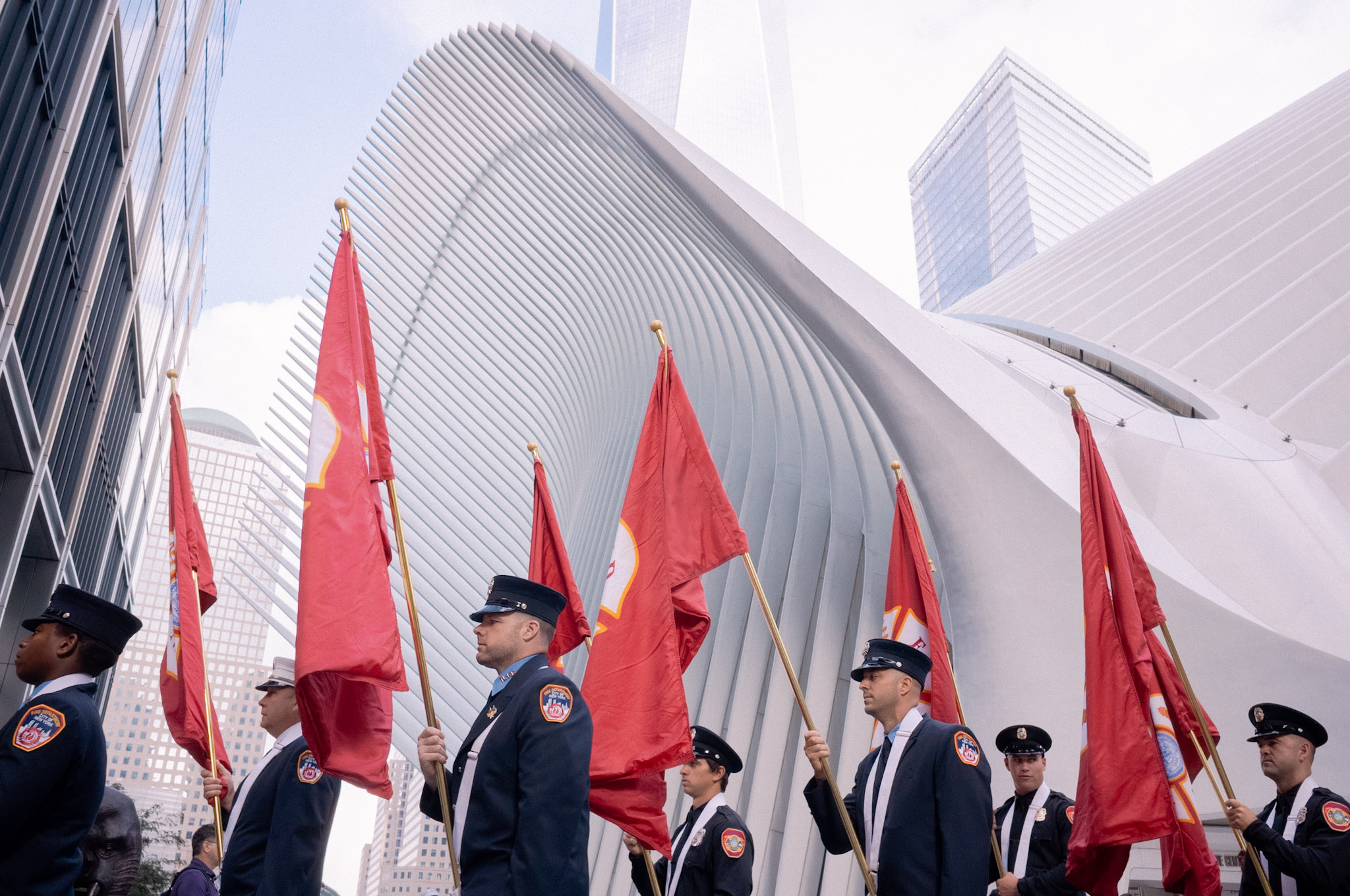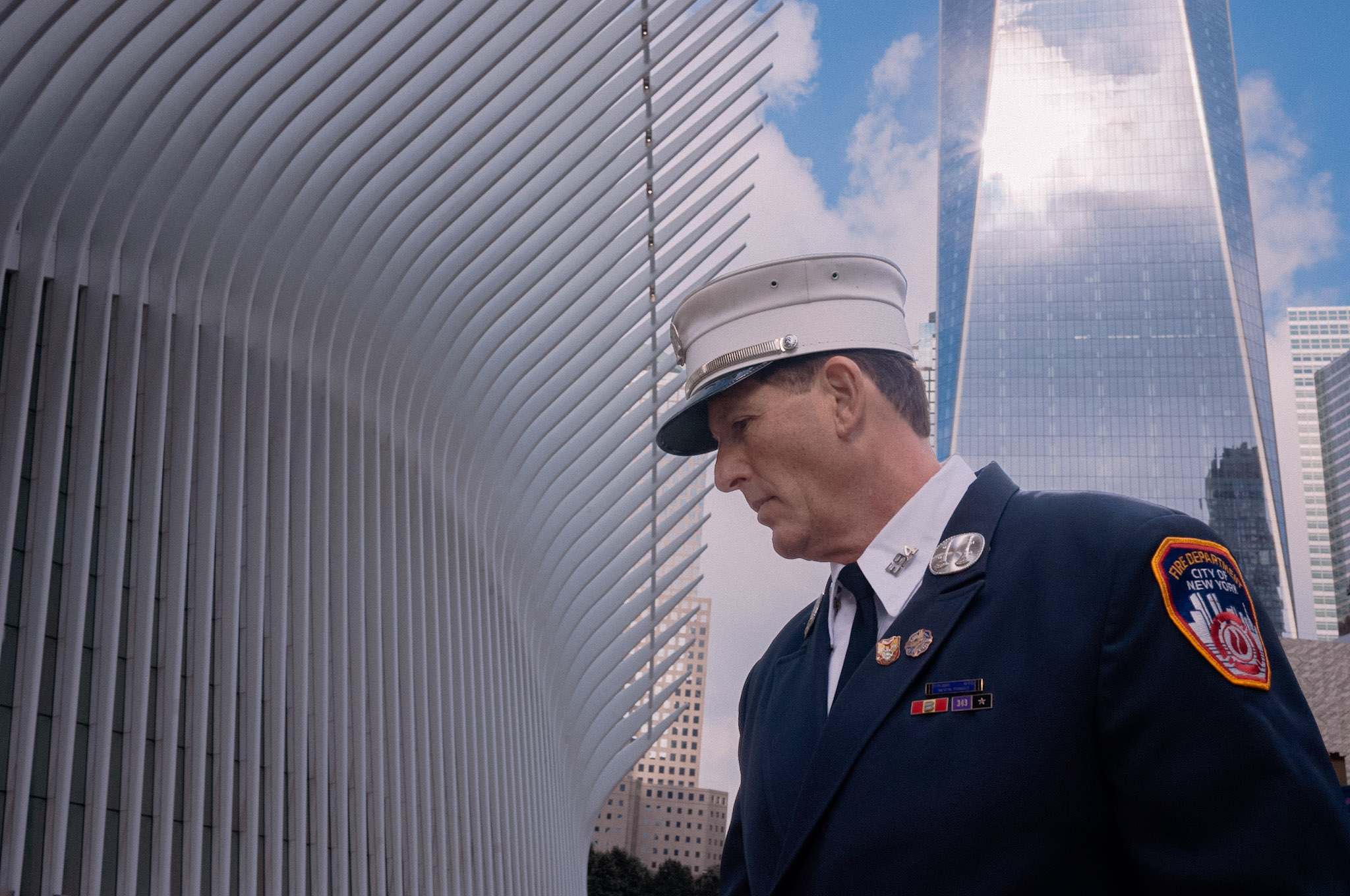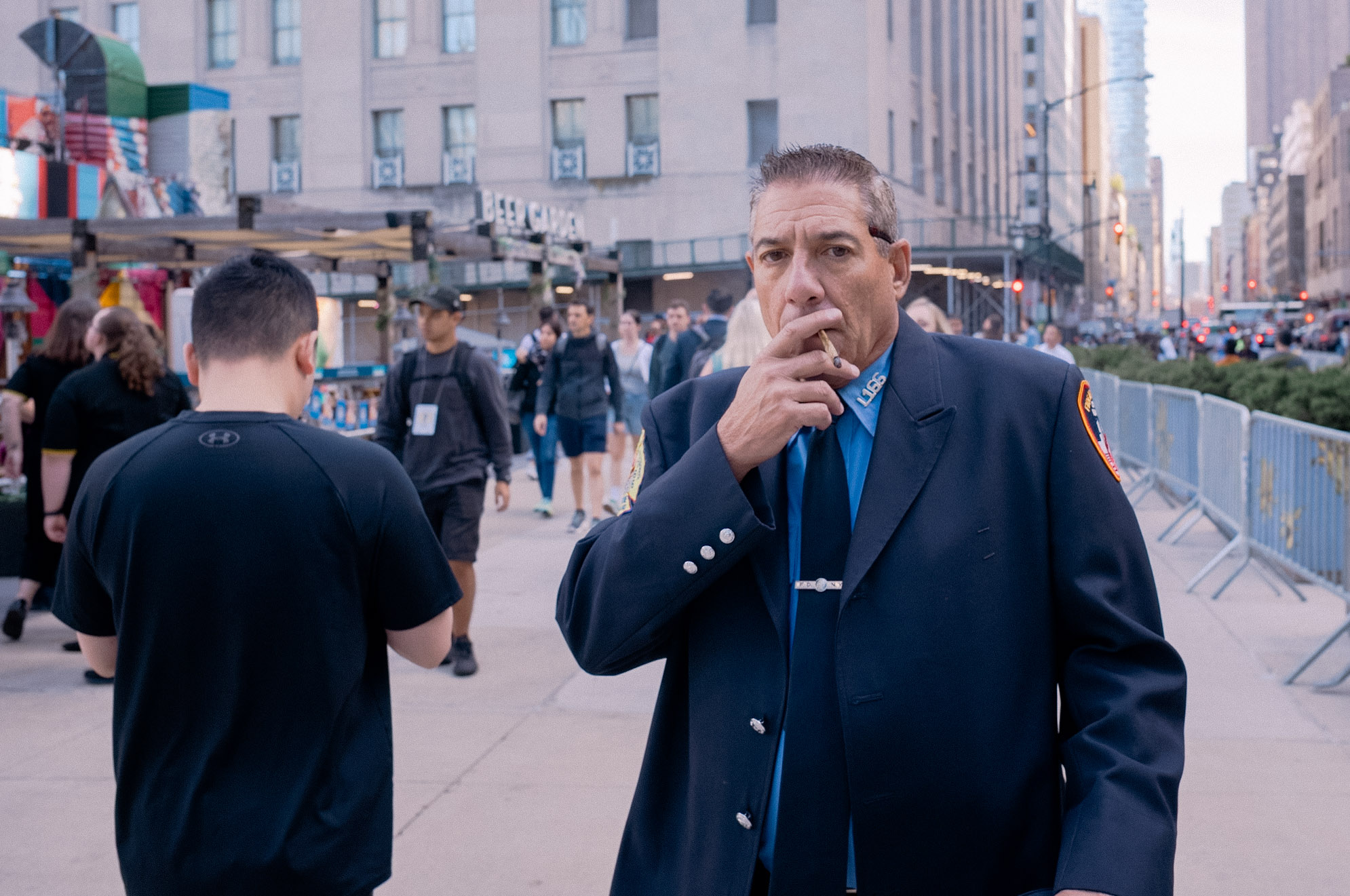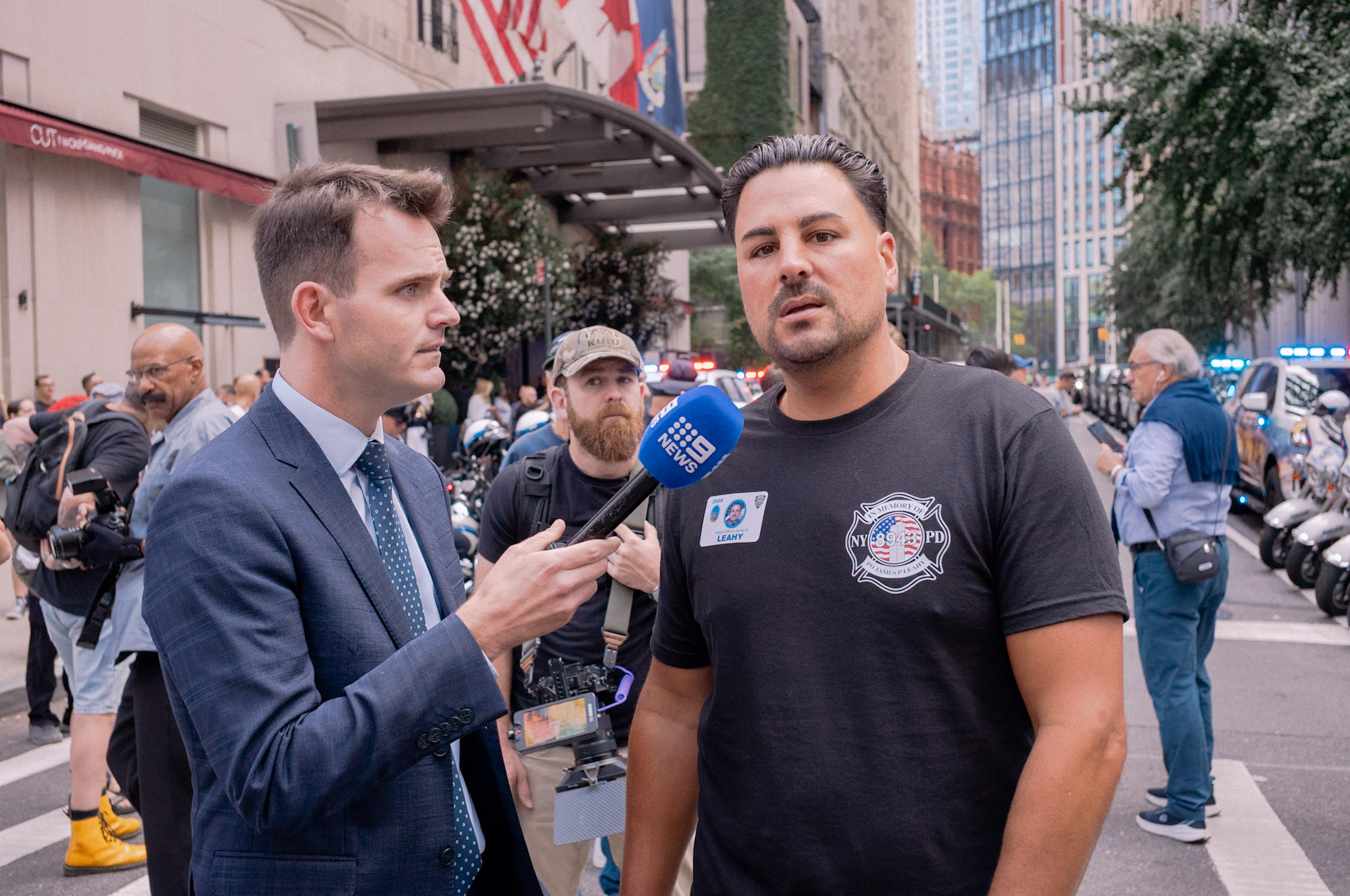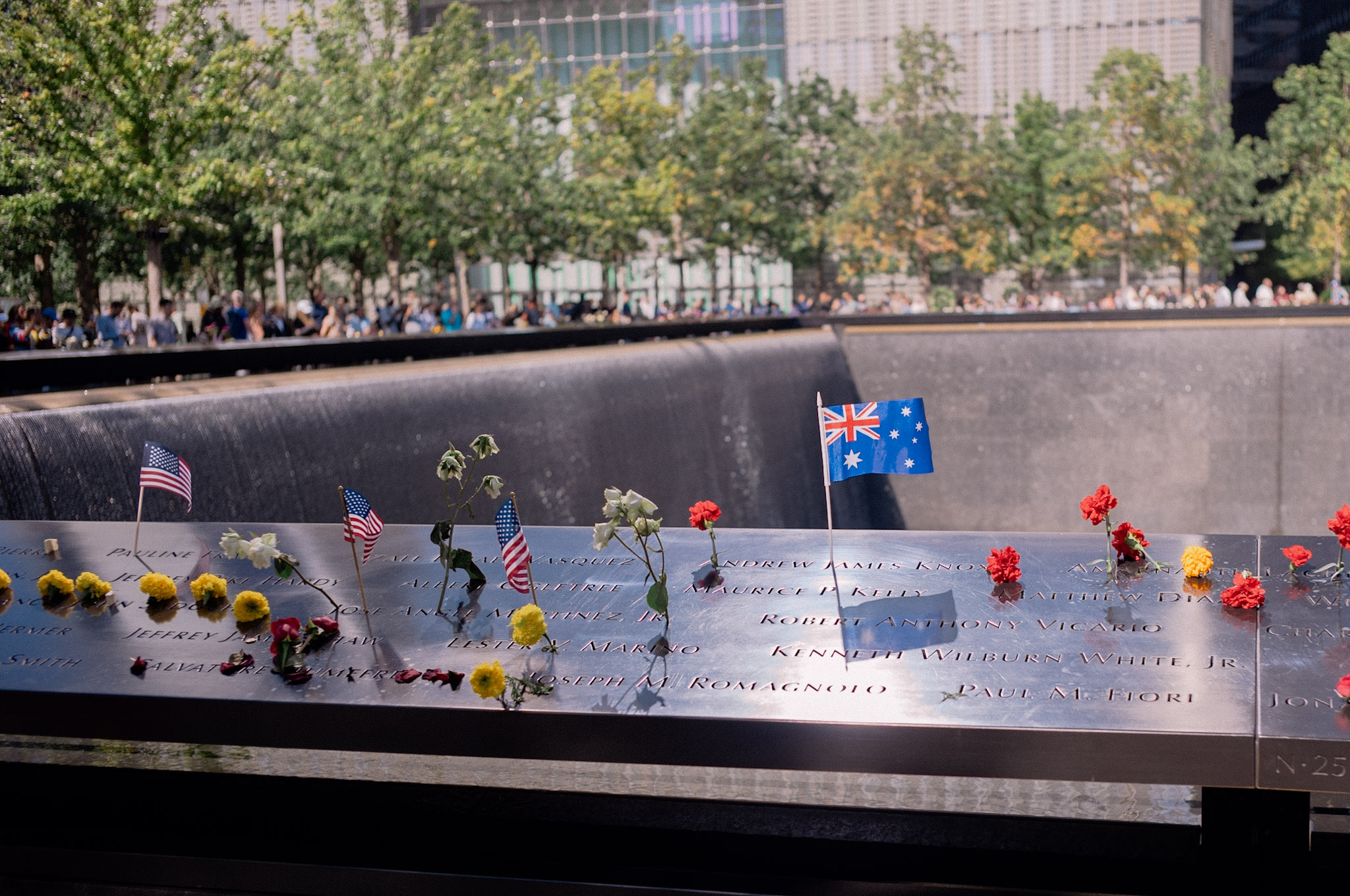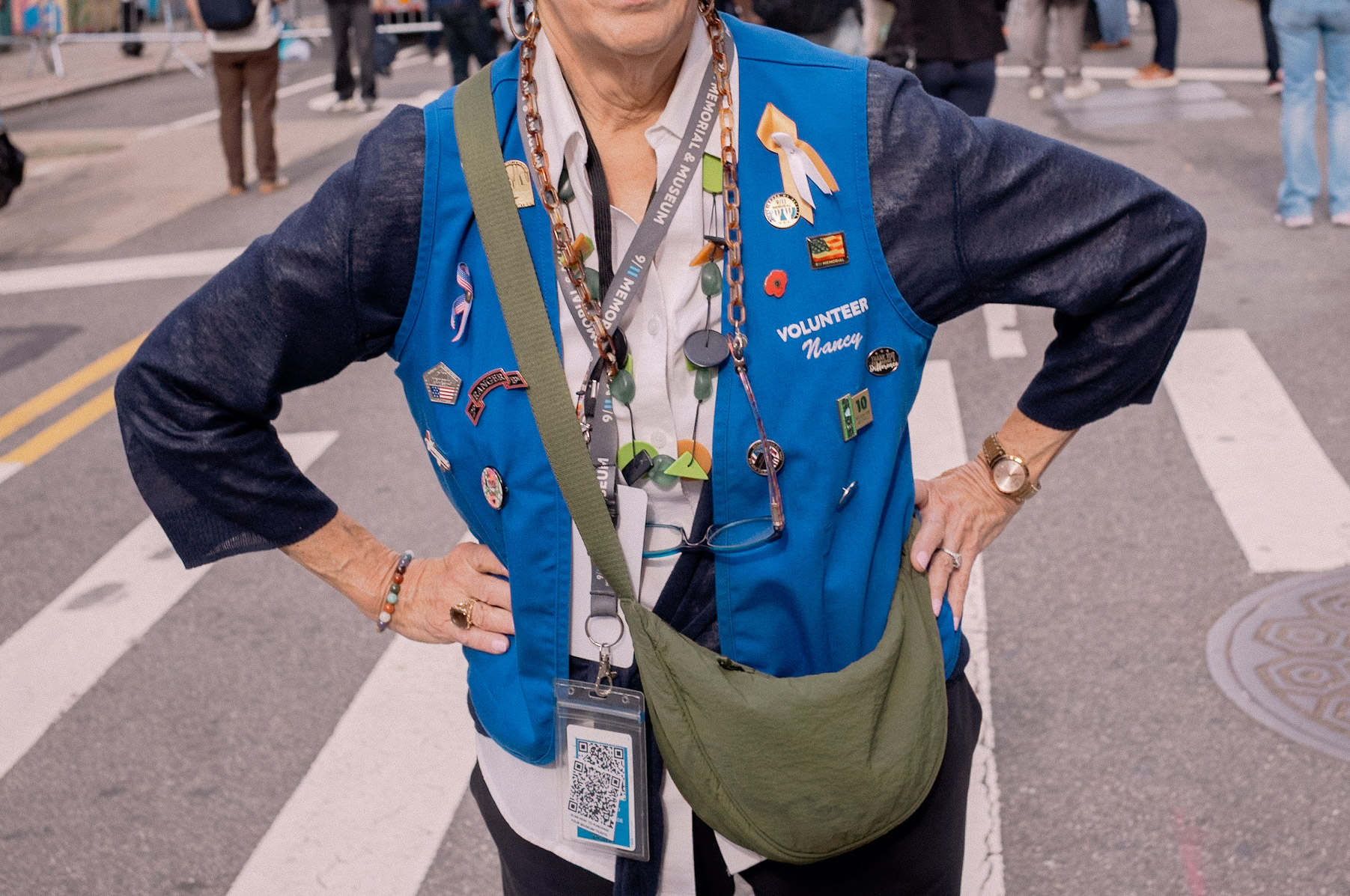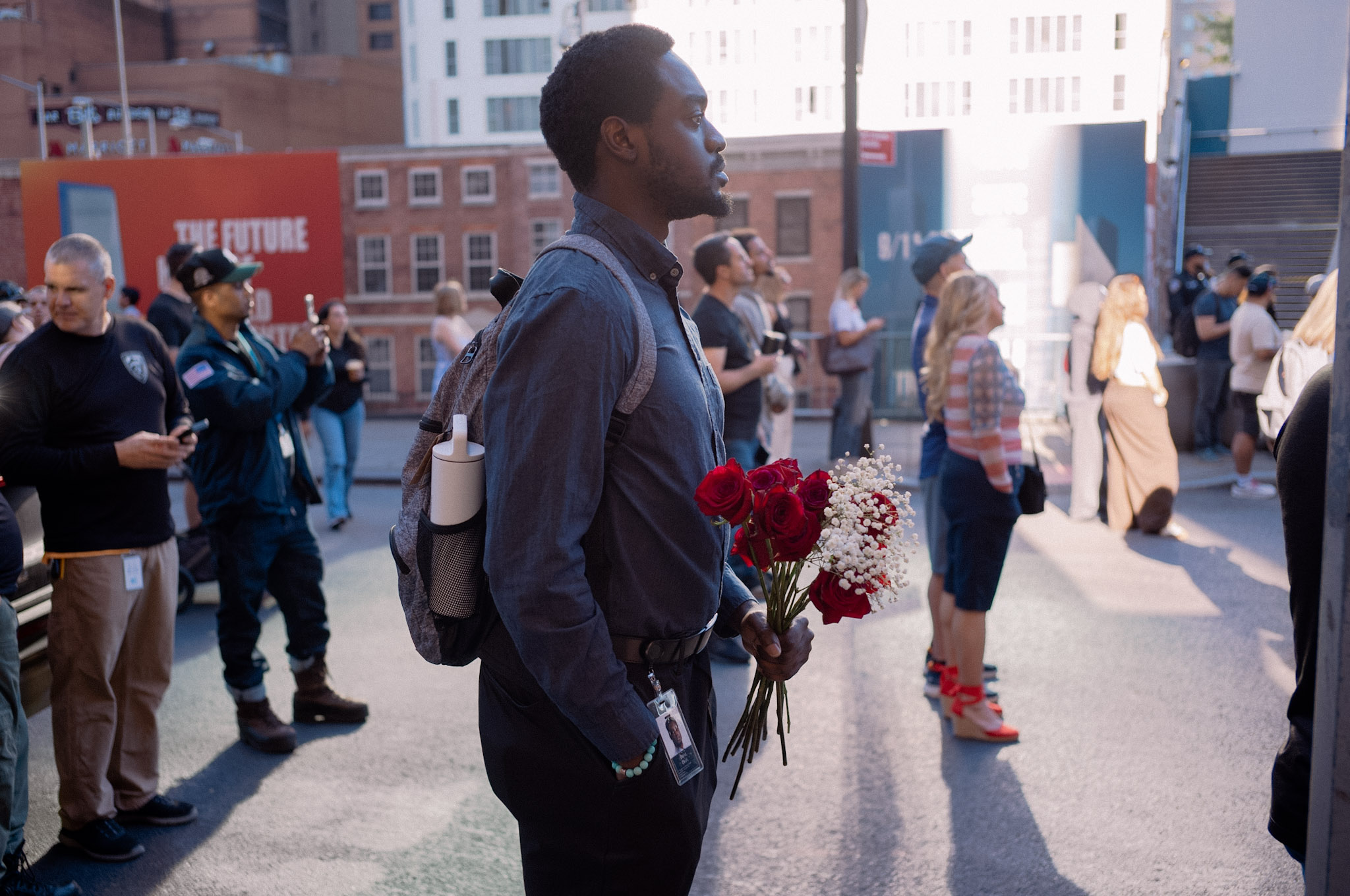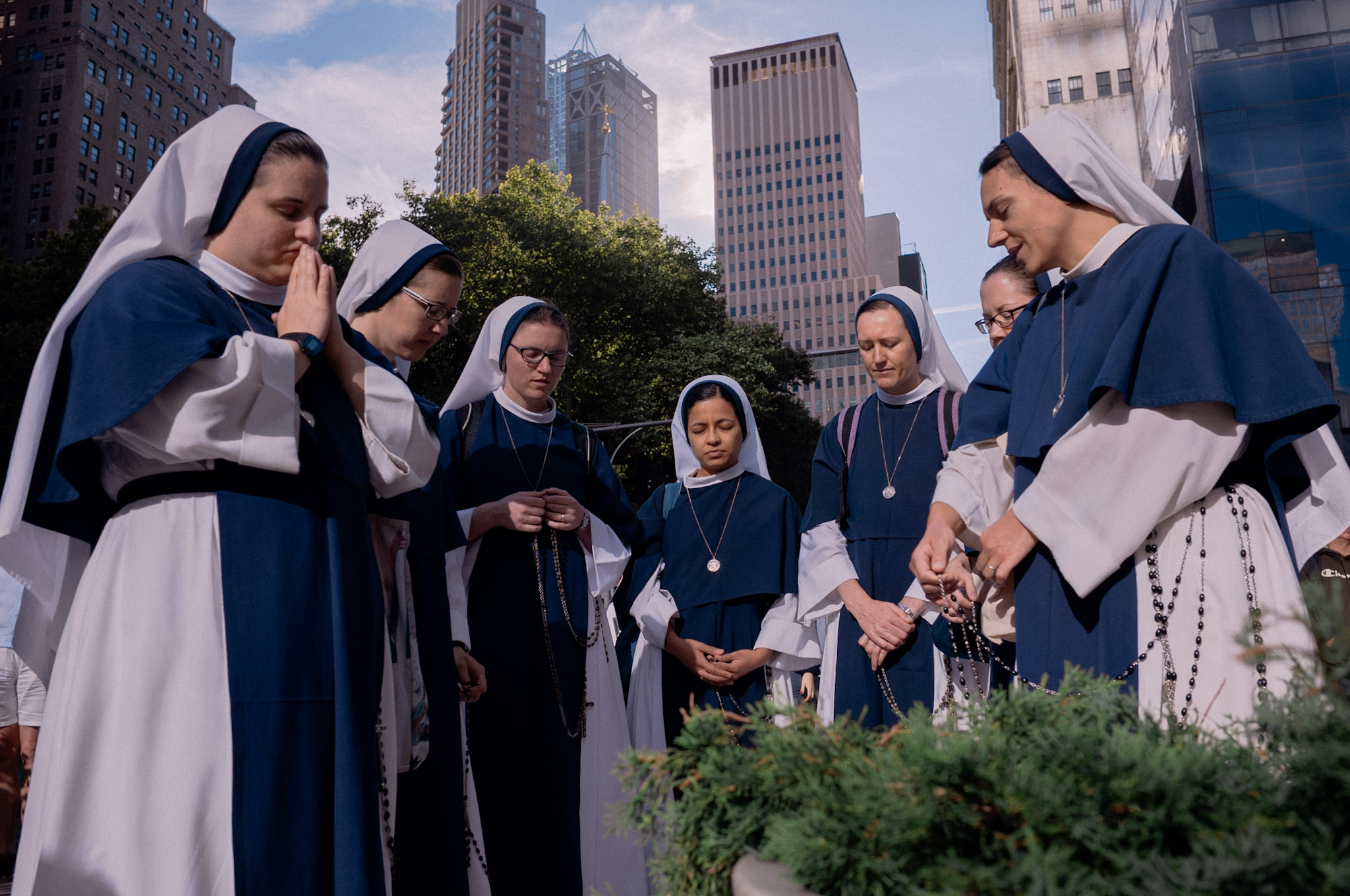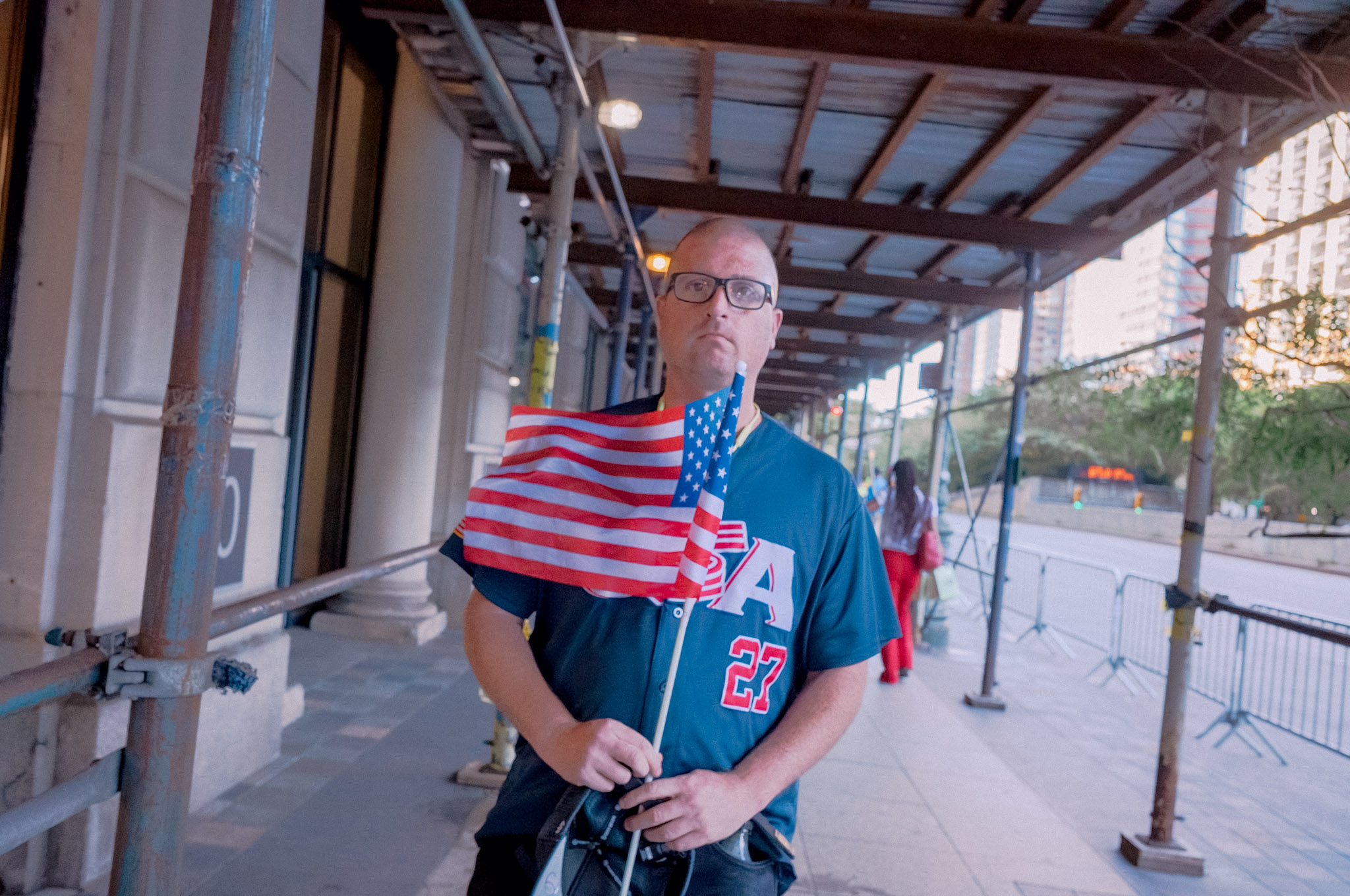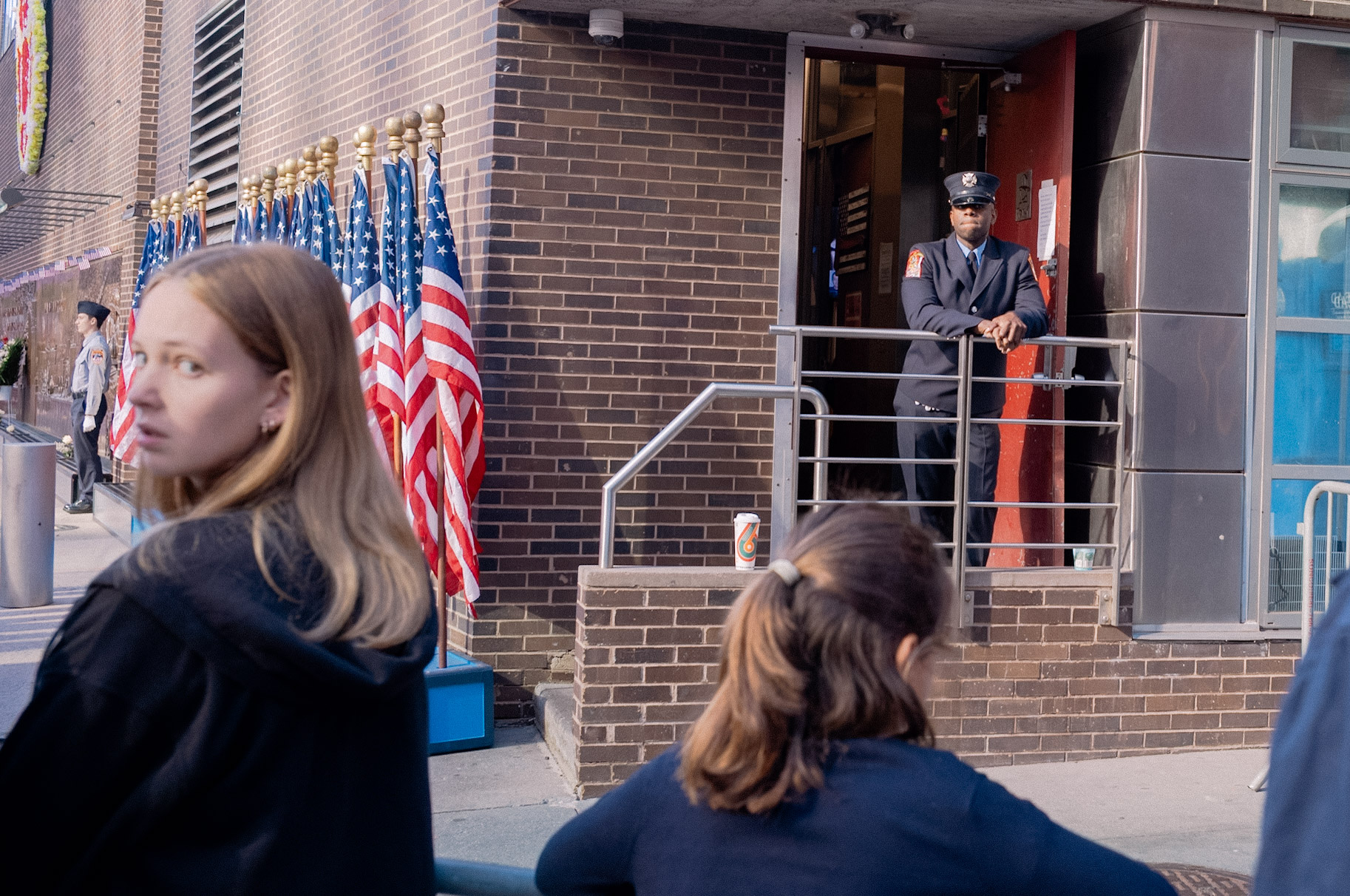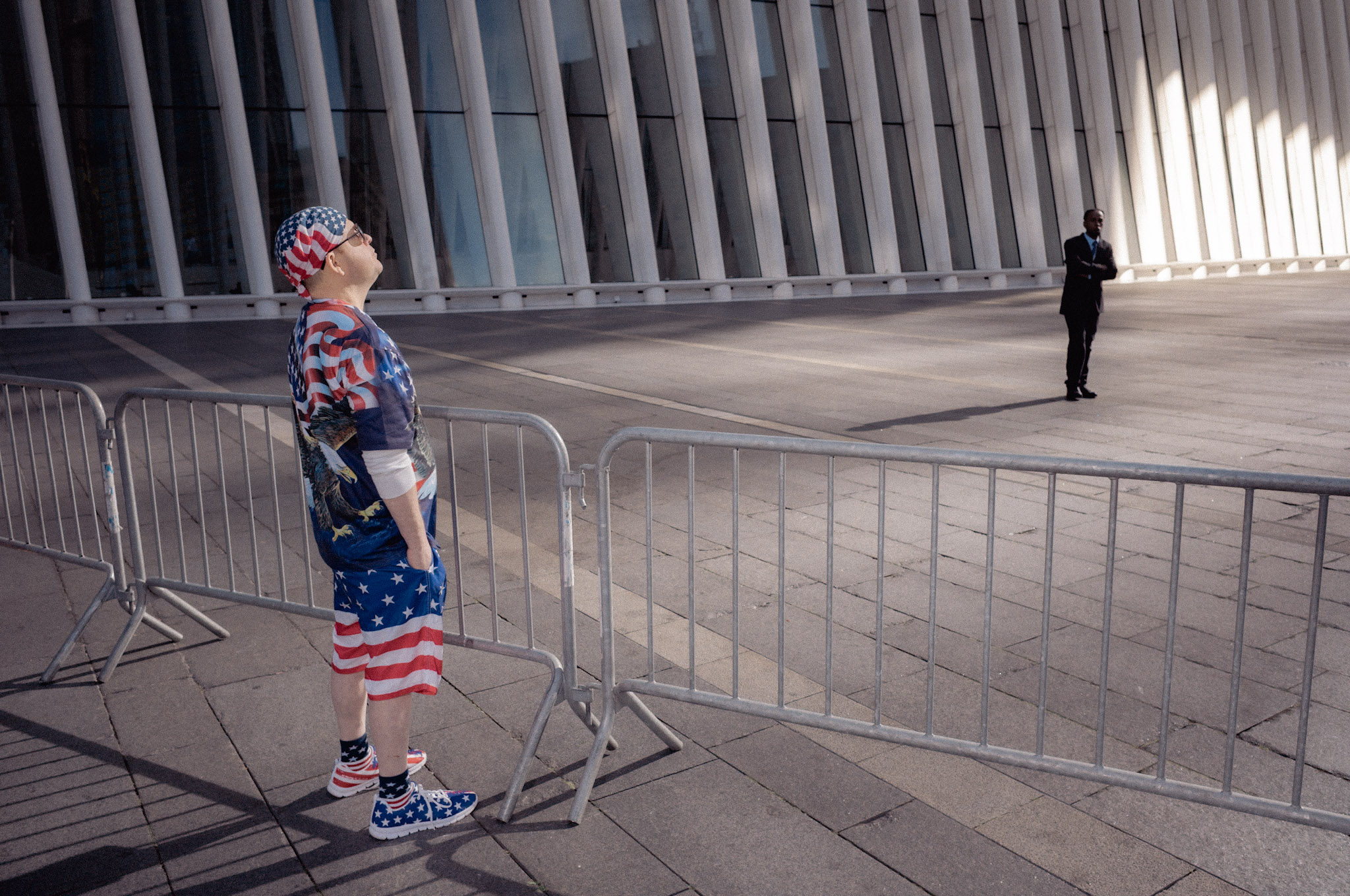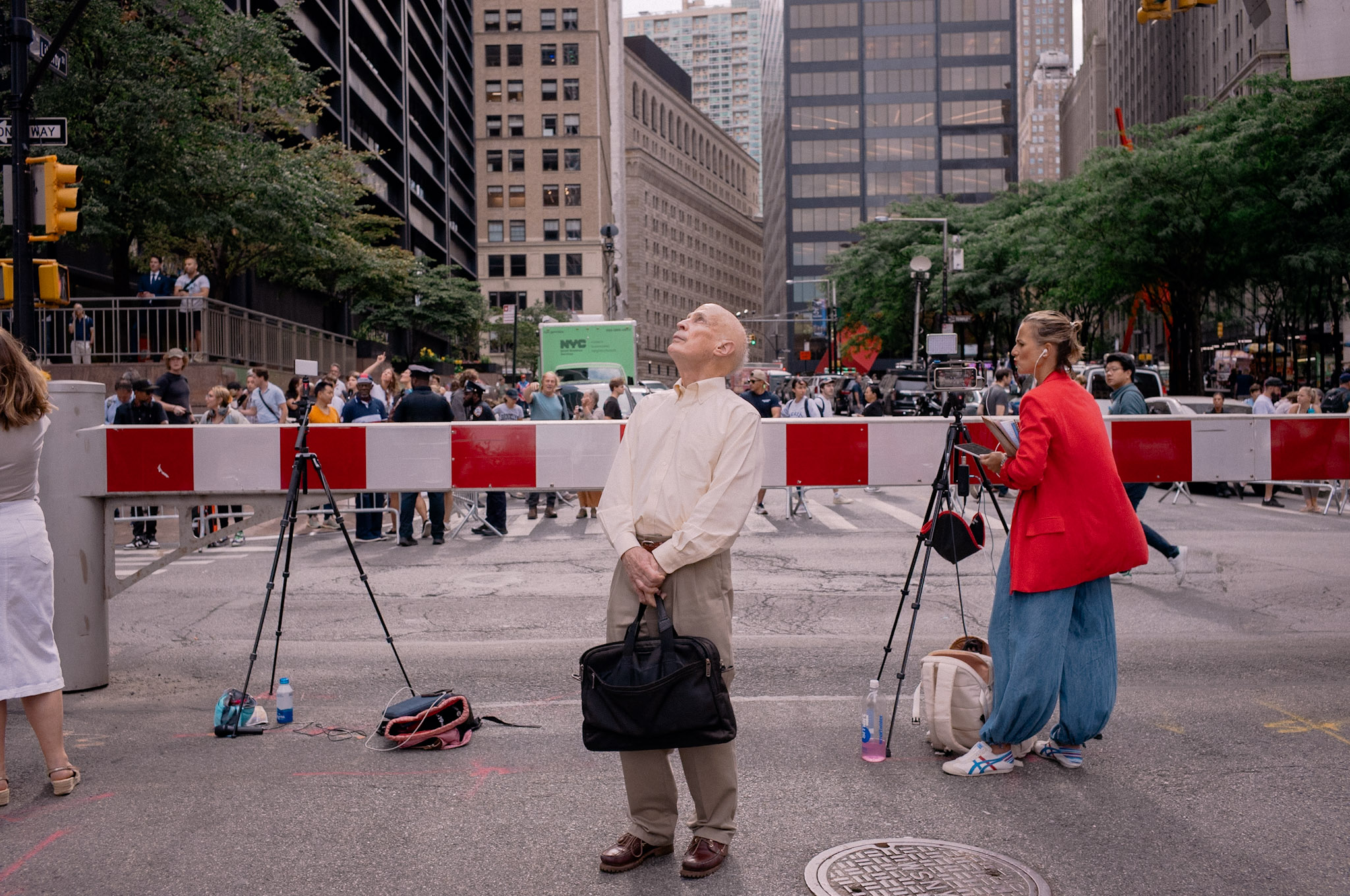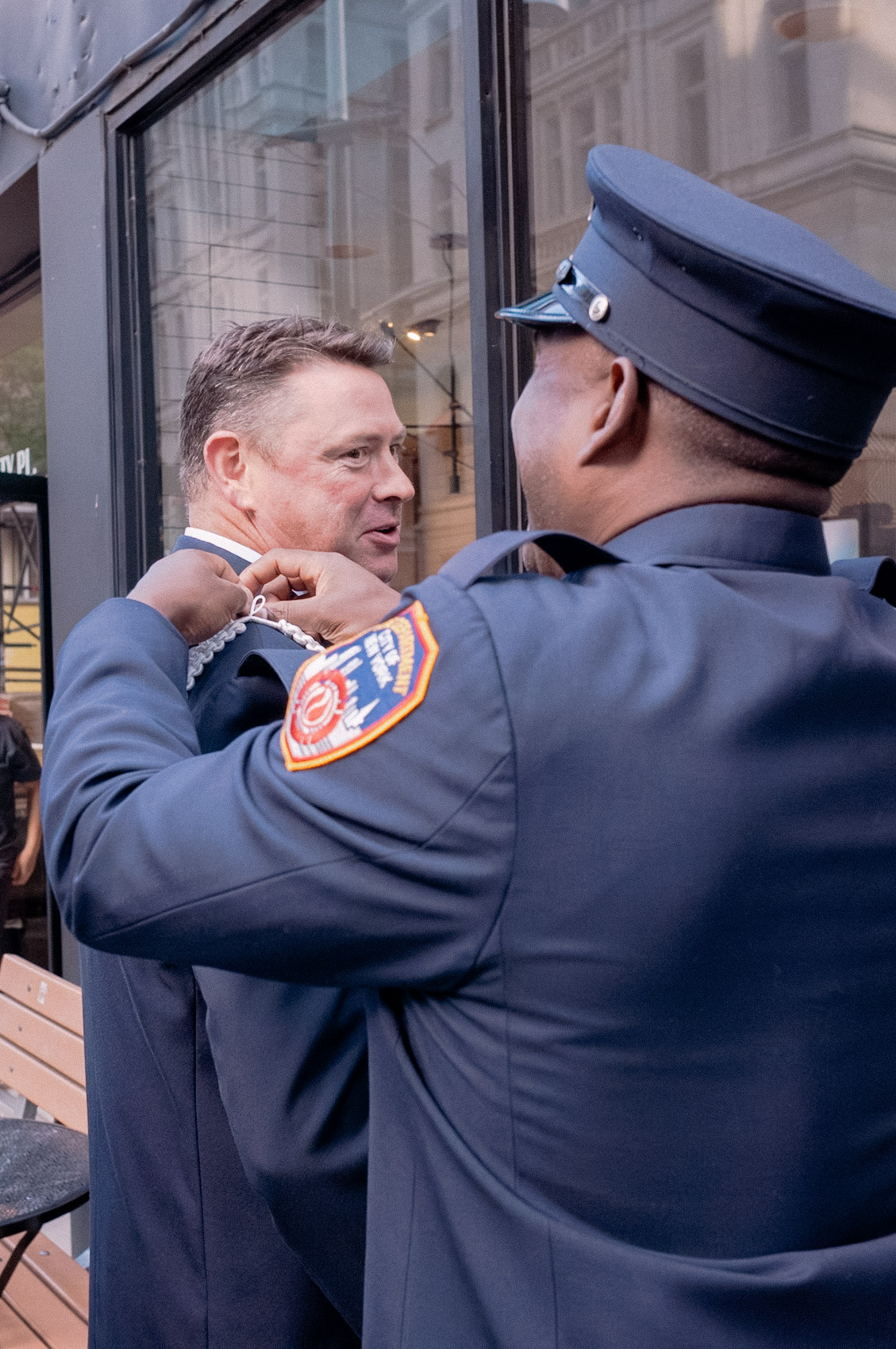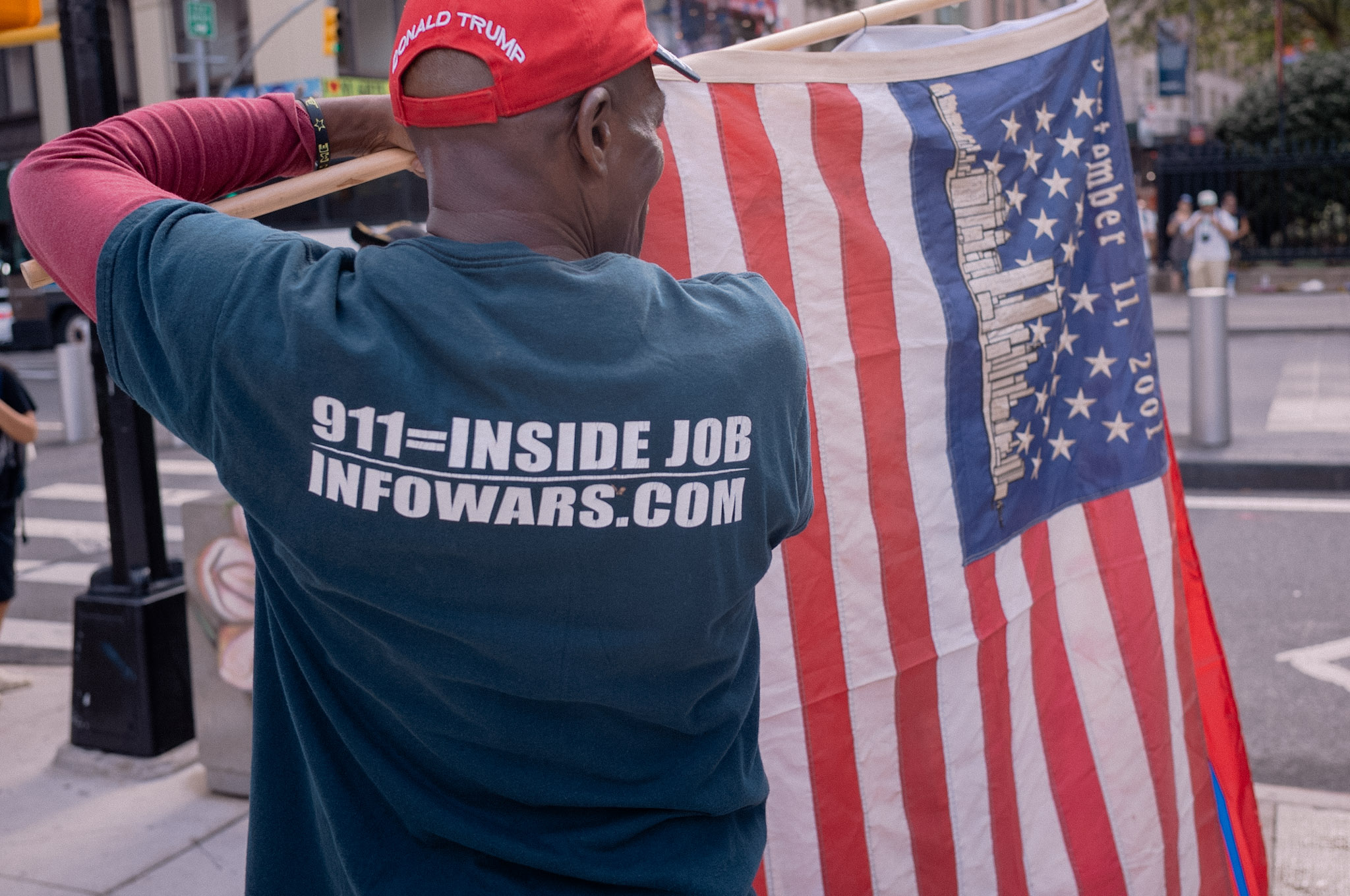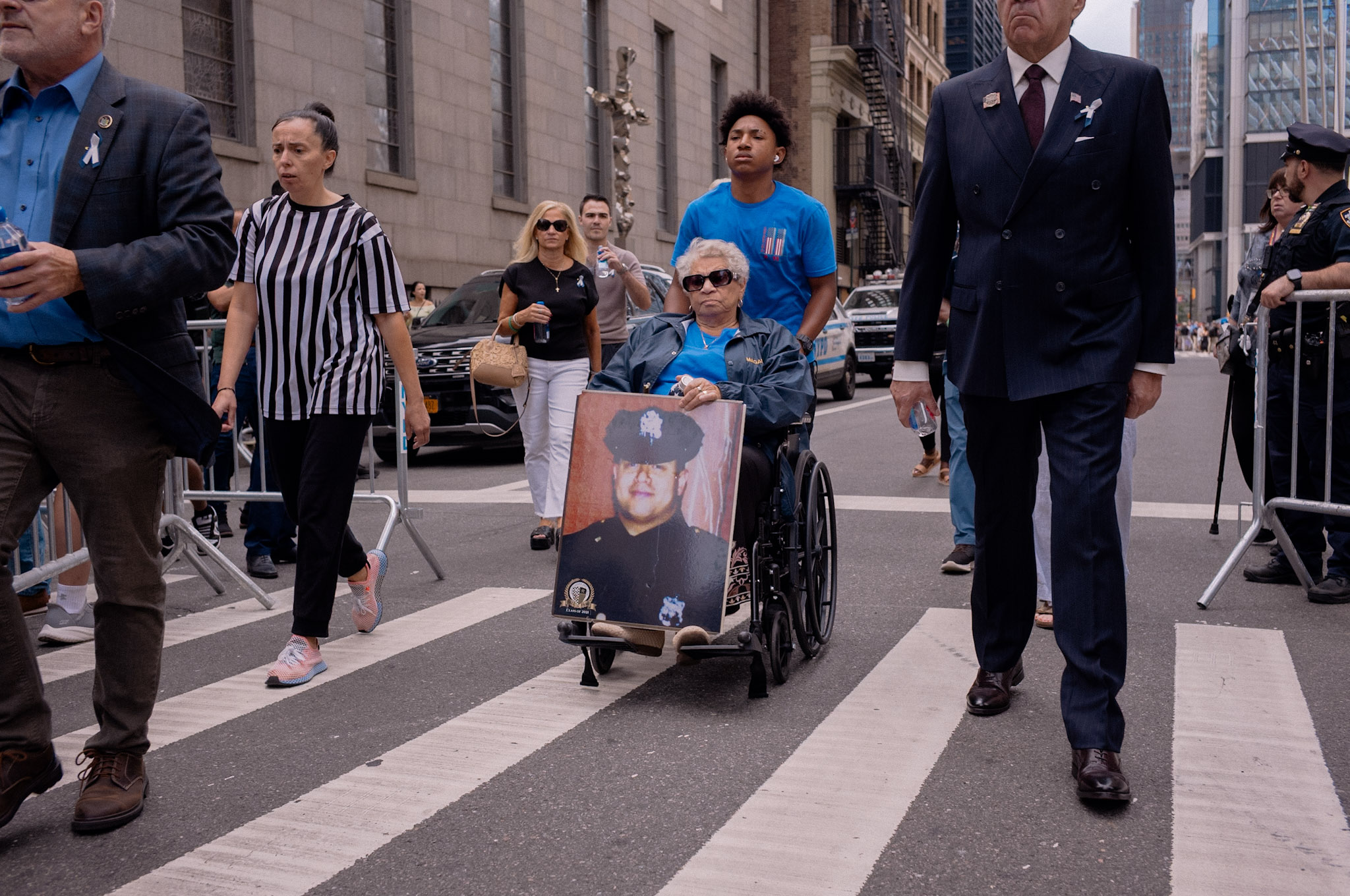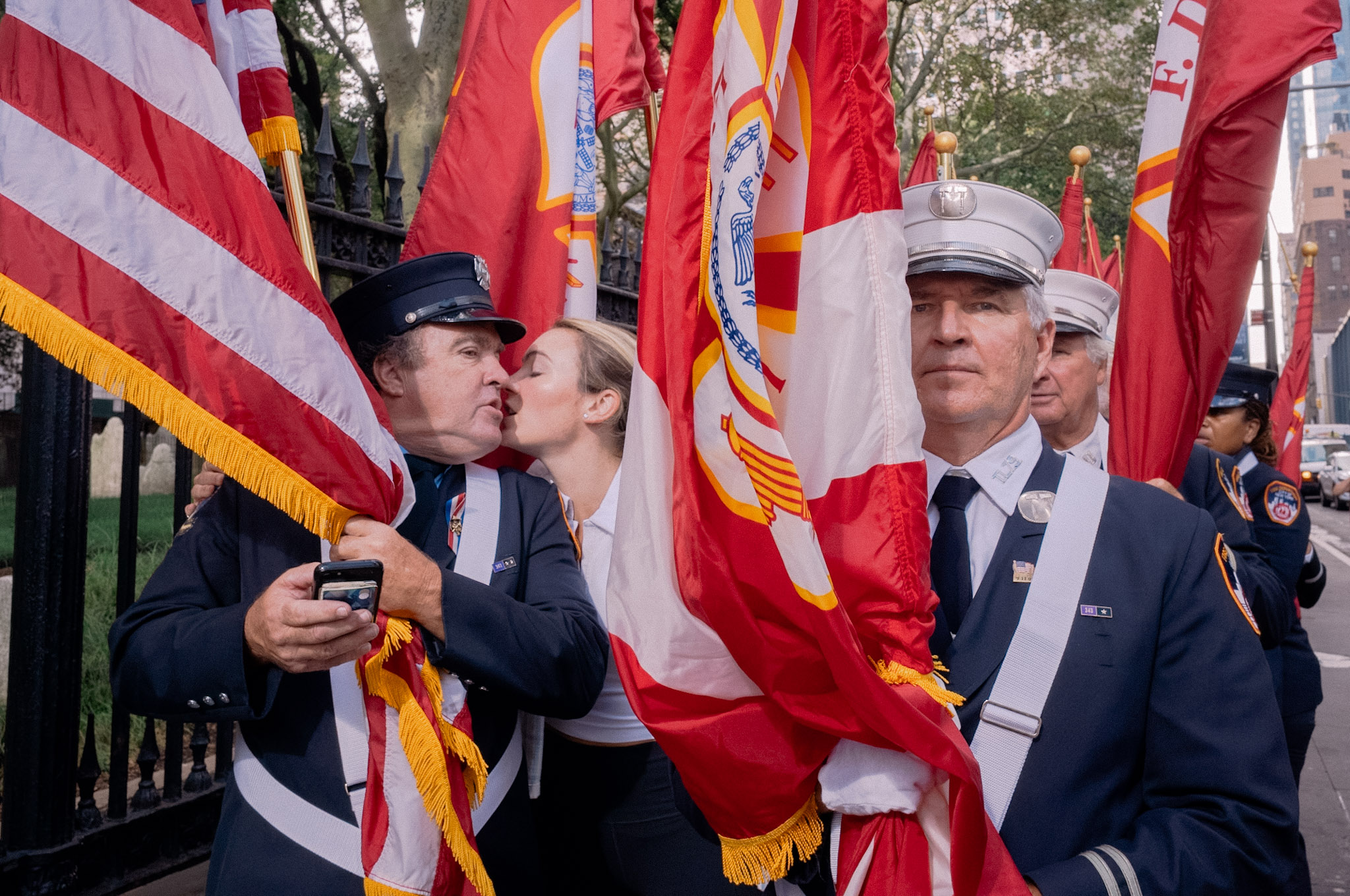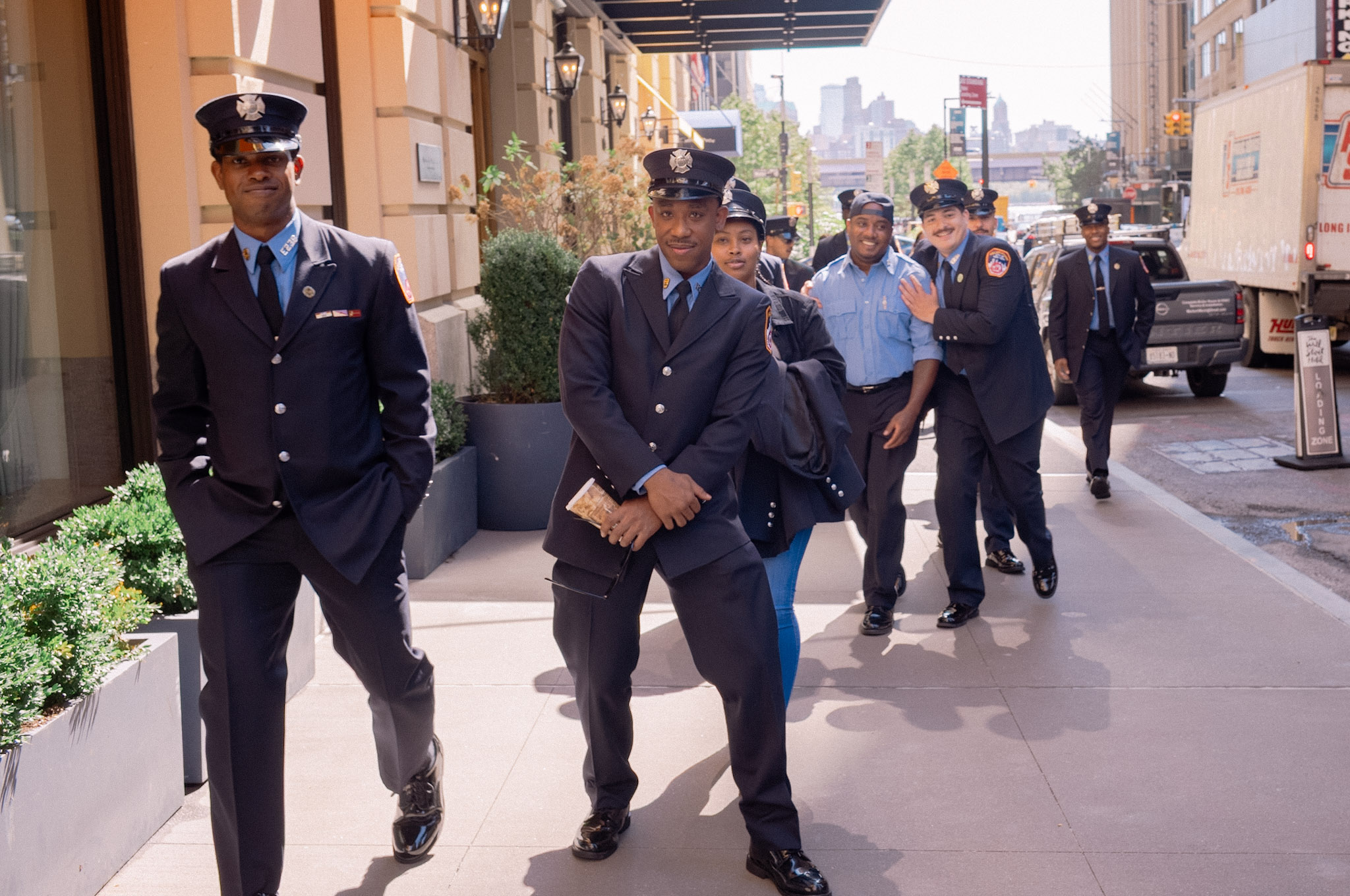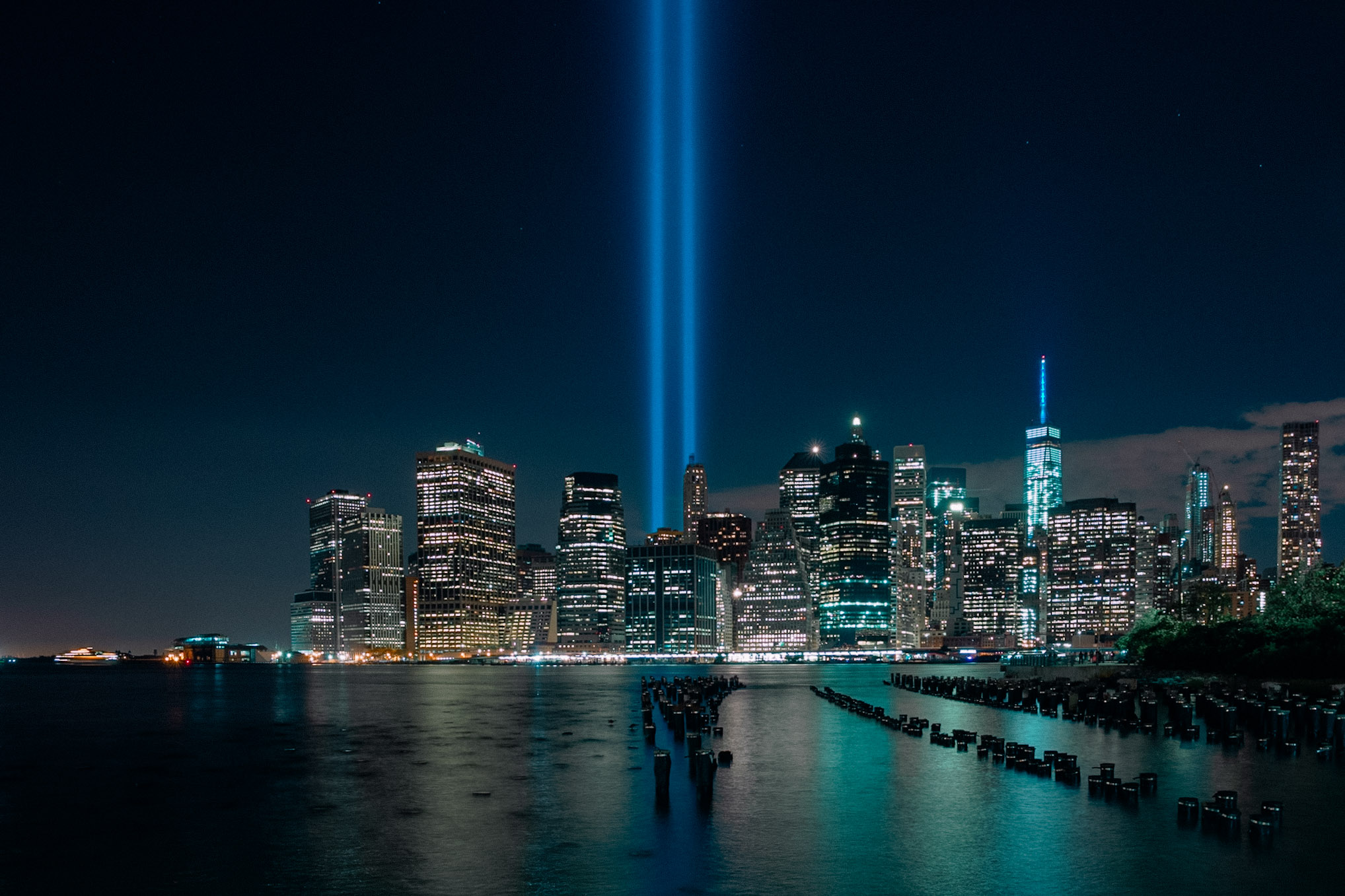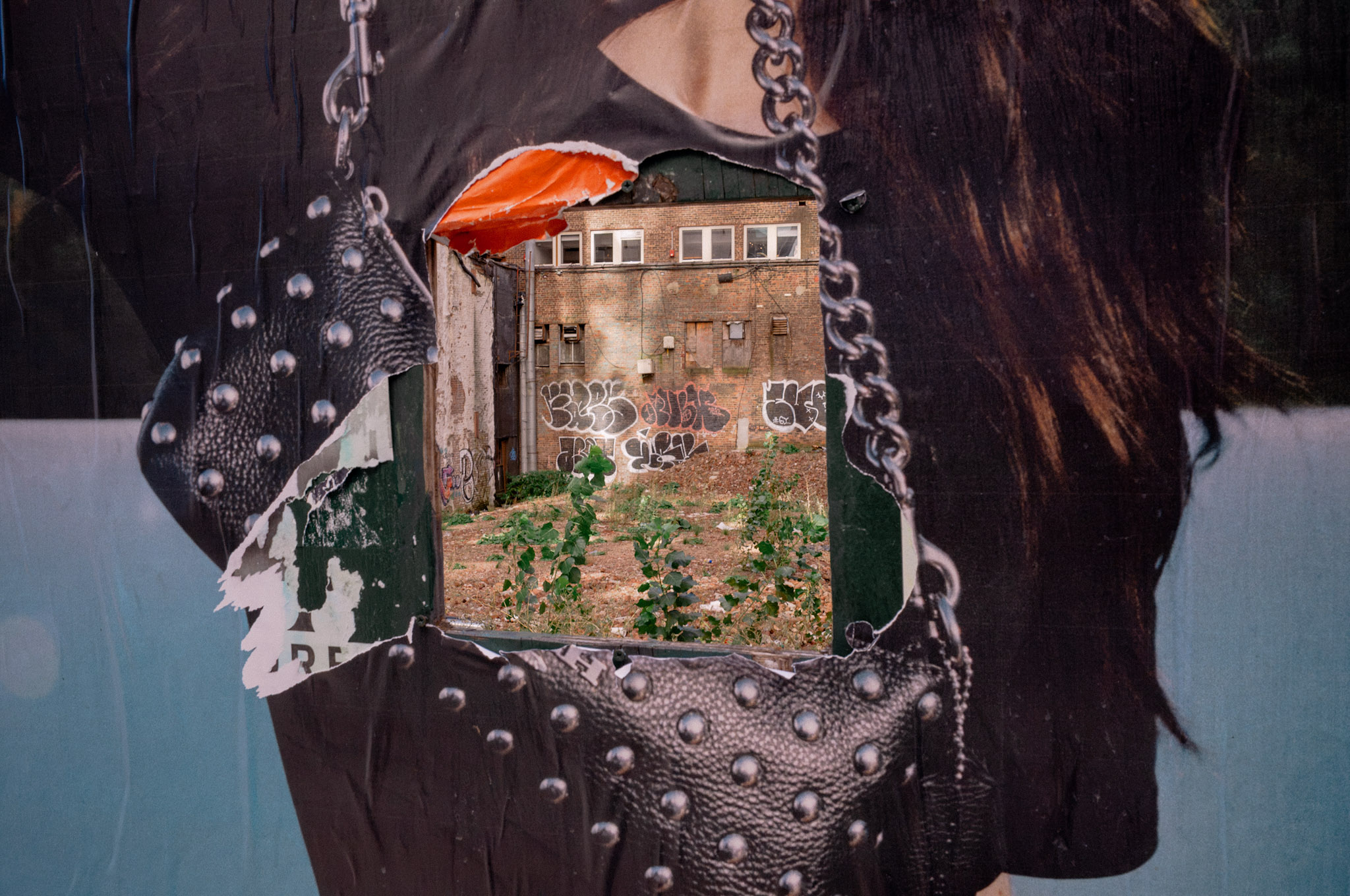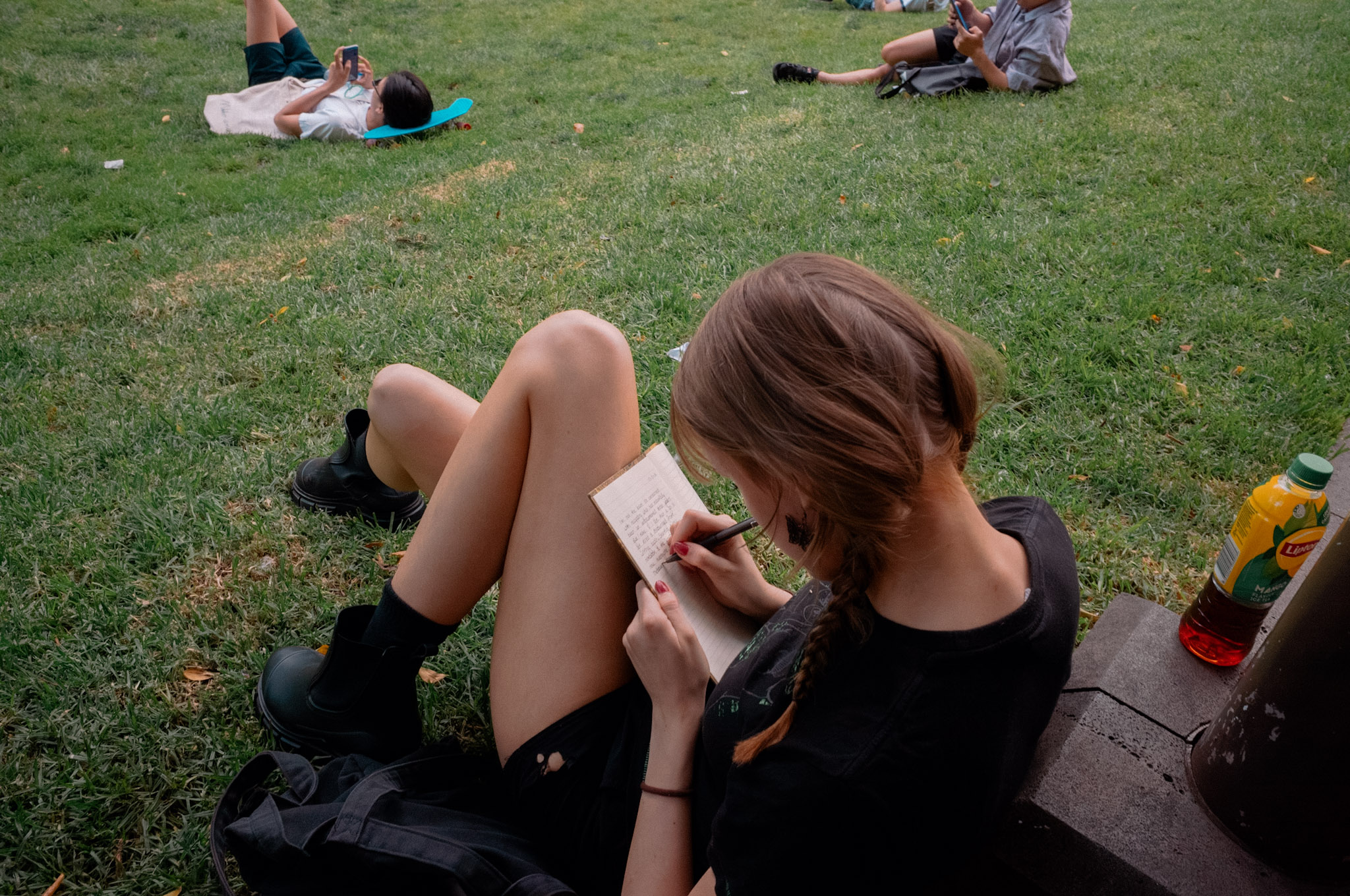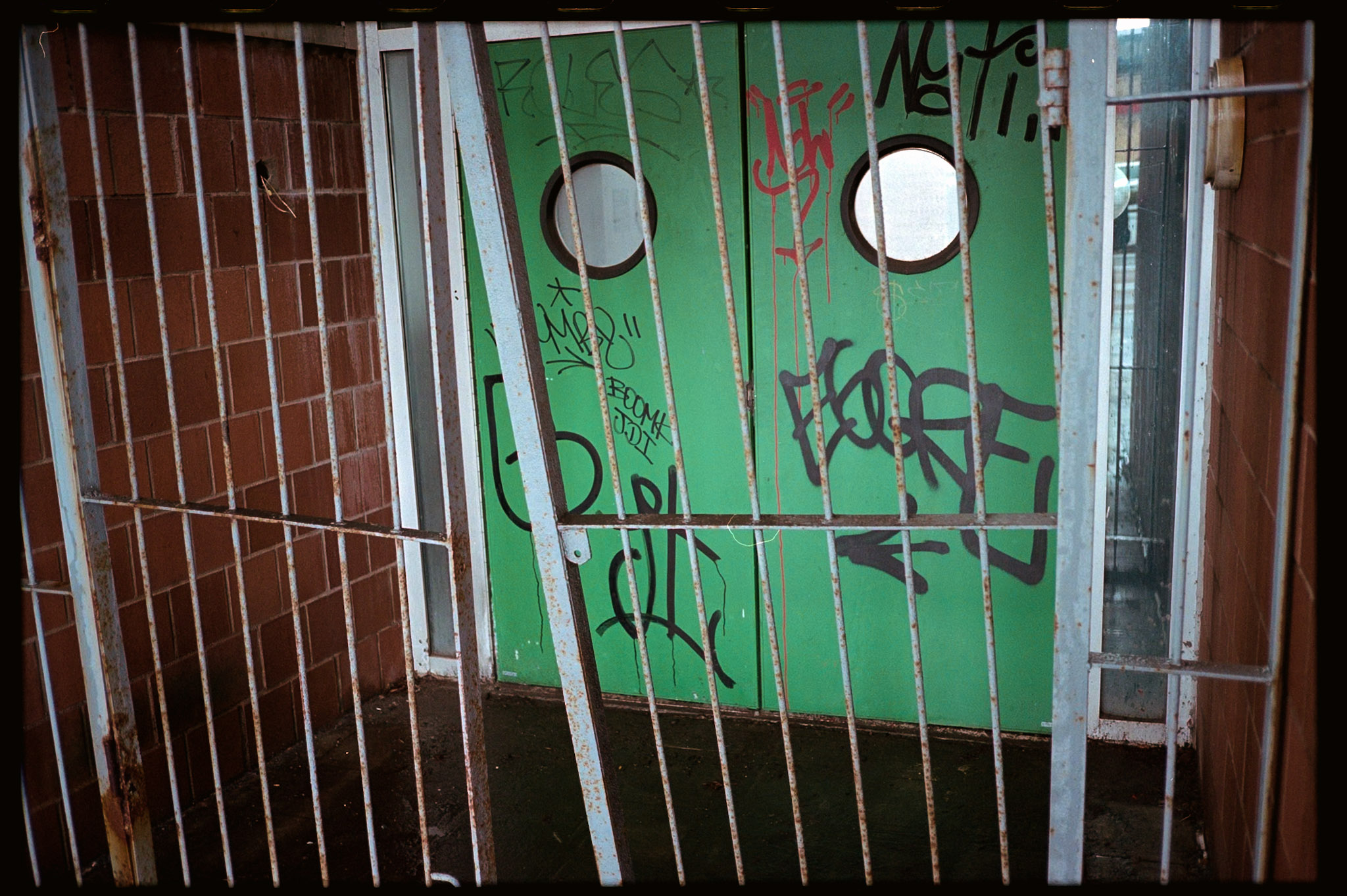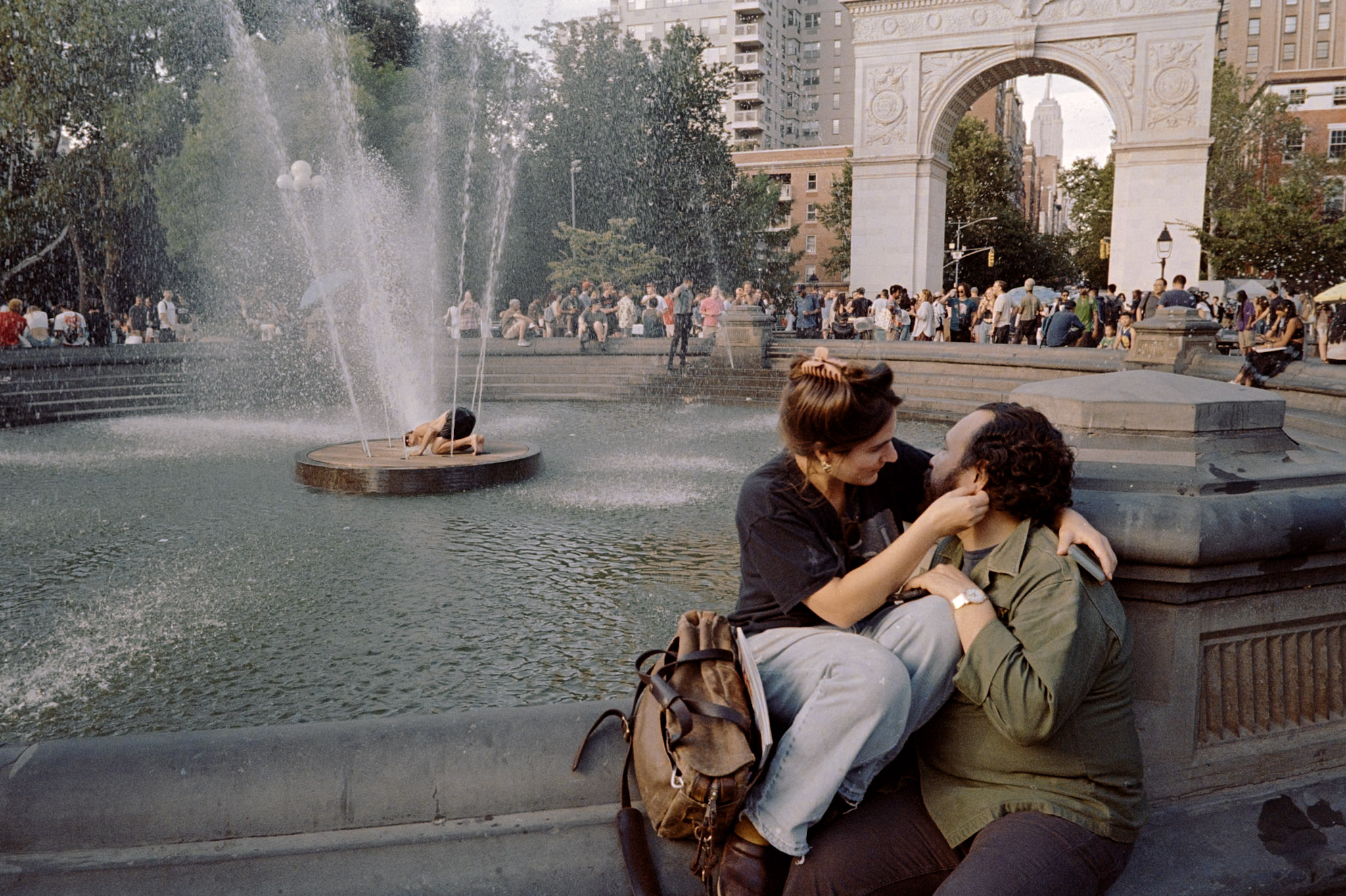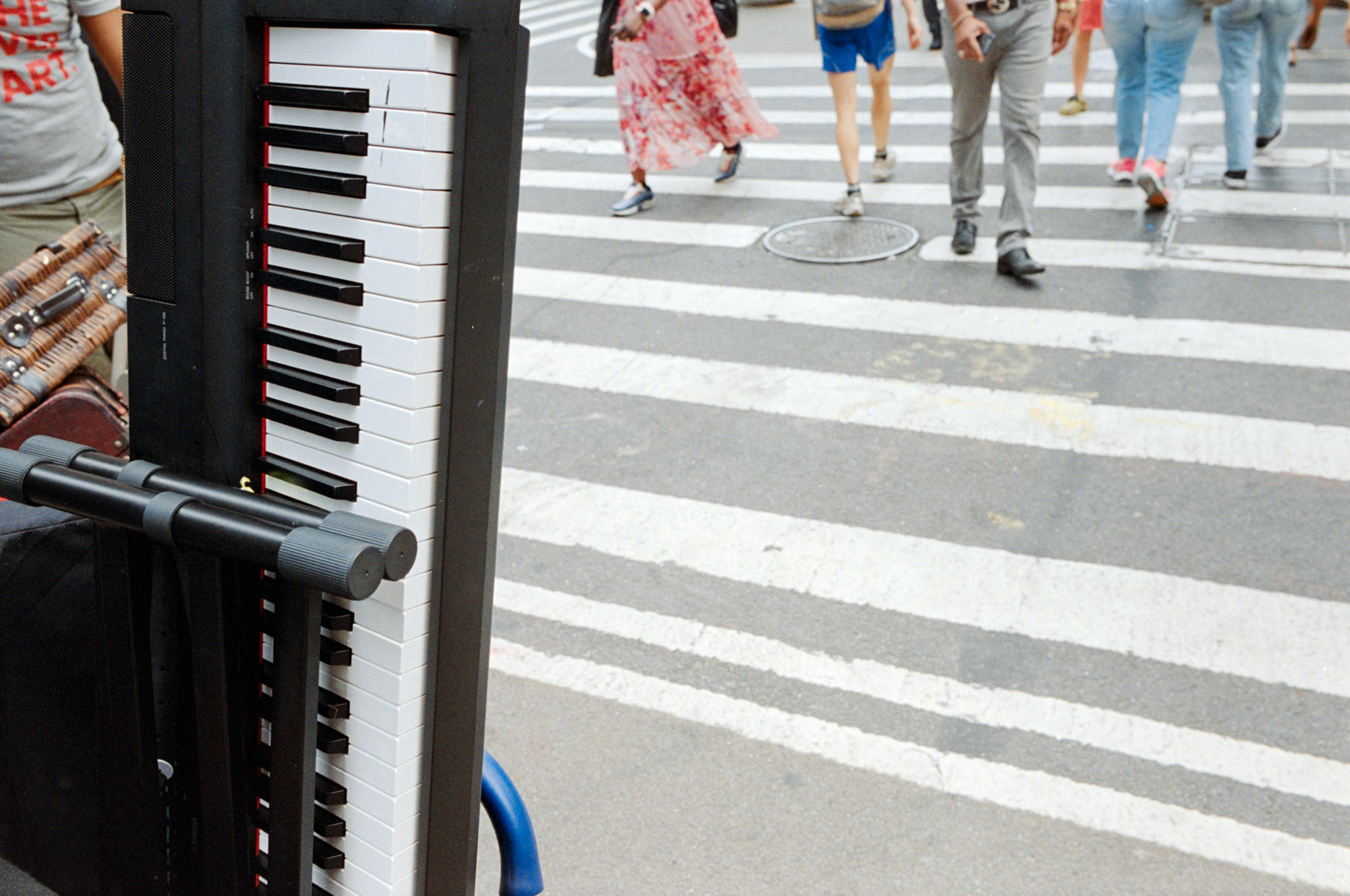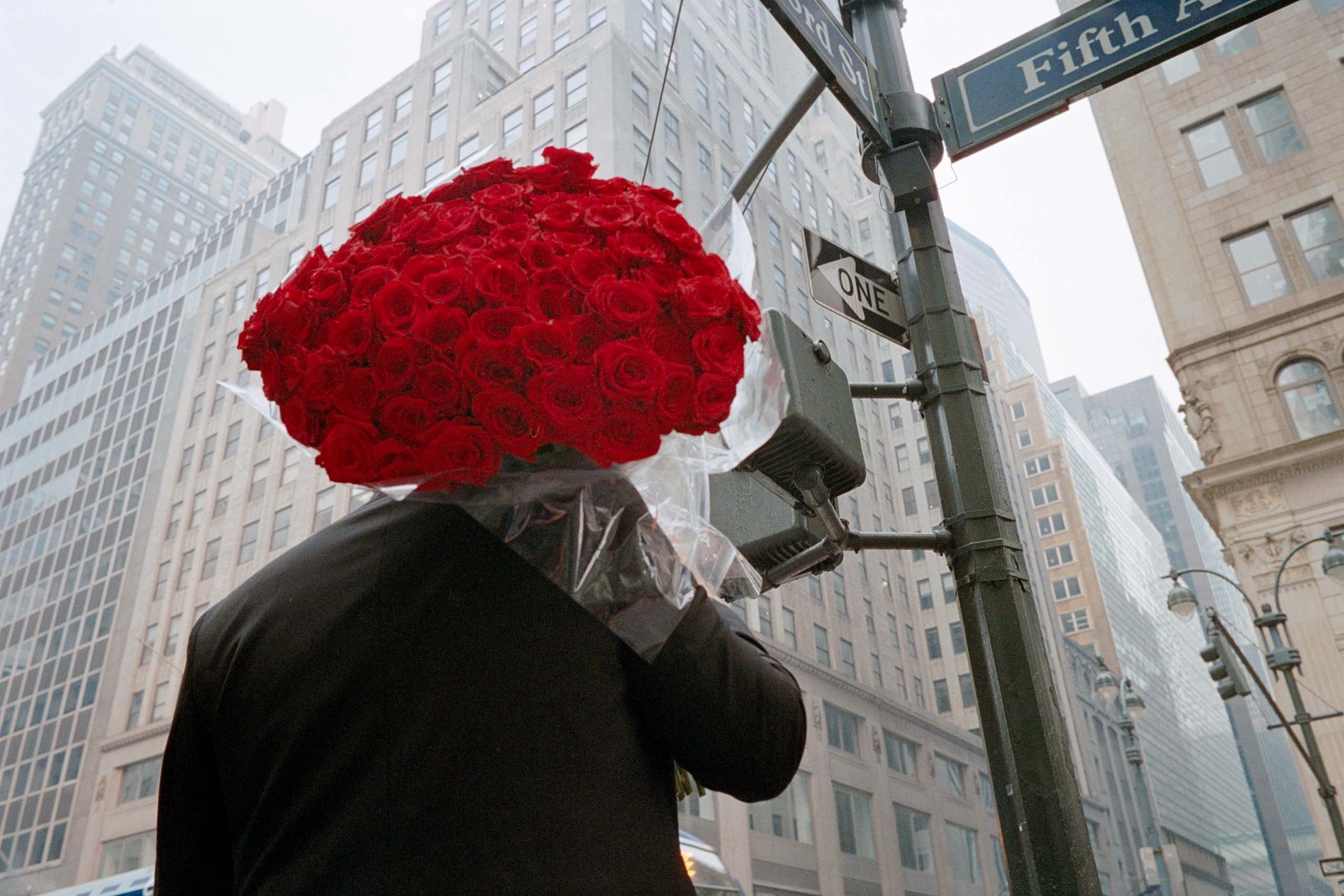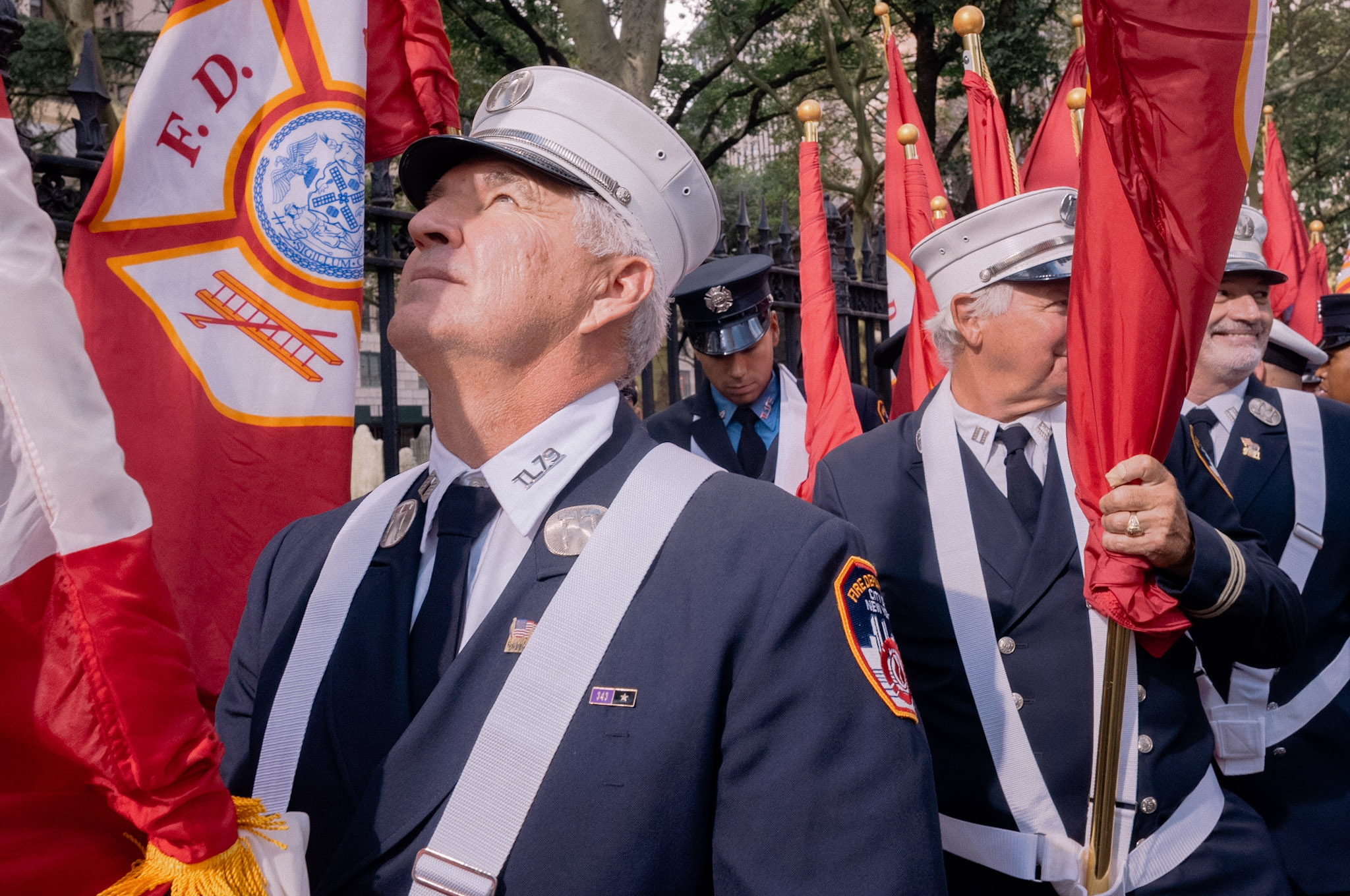
The study approaches the September 11 anniversary through the distance between public remembrance and personal memory. Commemoration brings people back to a shared event, though their relationships to it differ. The study considers how a place can become part of someone’s life through images, and how an attachment to it can persist after the possibility of encountering it has gone.
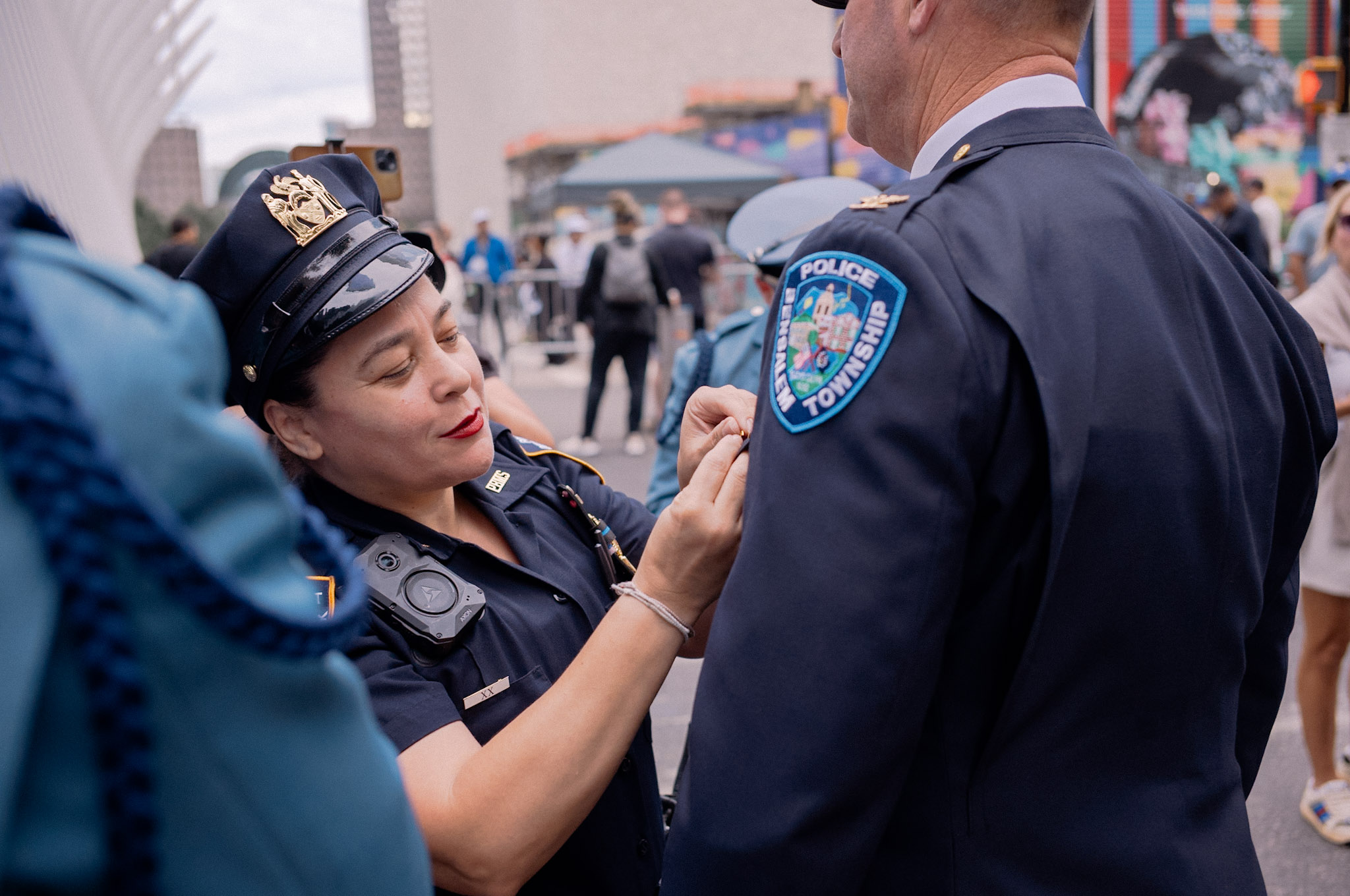
I was in Year 11 in Australia when I watched the attacks unfold on television late at night. I’d grown up seeing the Twin Towers in media. When I first visited New York, during a trip spanning December 2005 and January 2006, they’d already been destroyed. I felt a sense of loss at never having seen them myself. That feeling is part of what draws me back to the anniversary, although I still find it difficult to explain why I return.
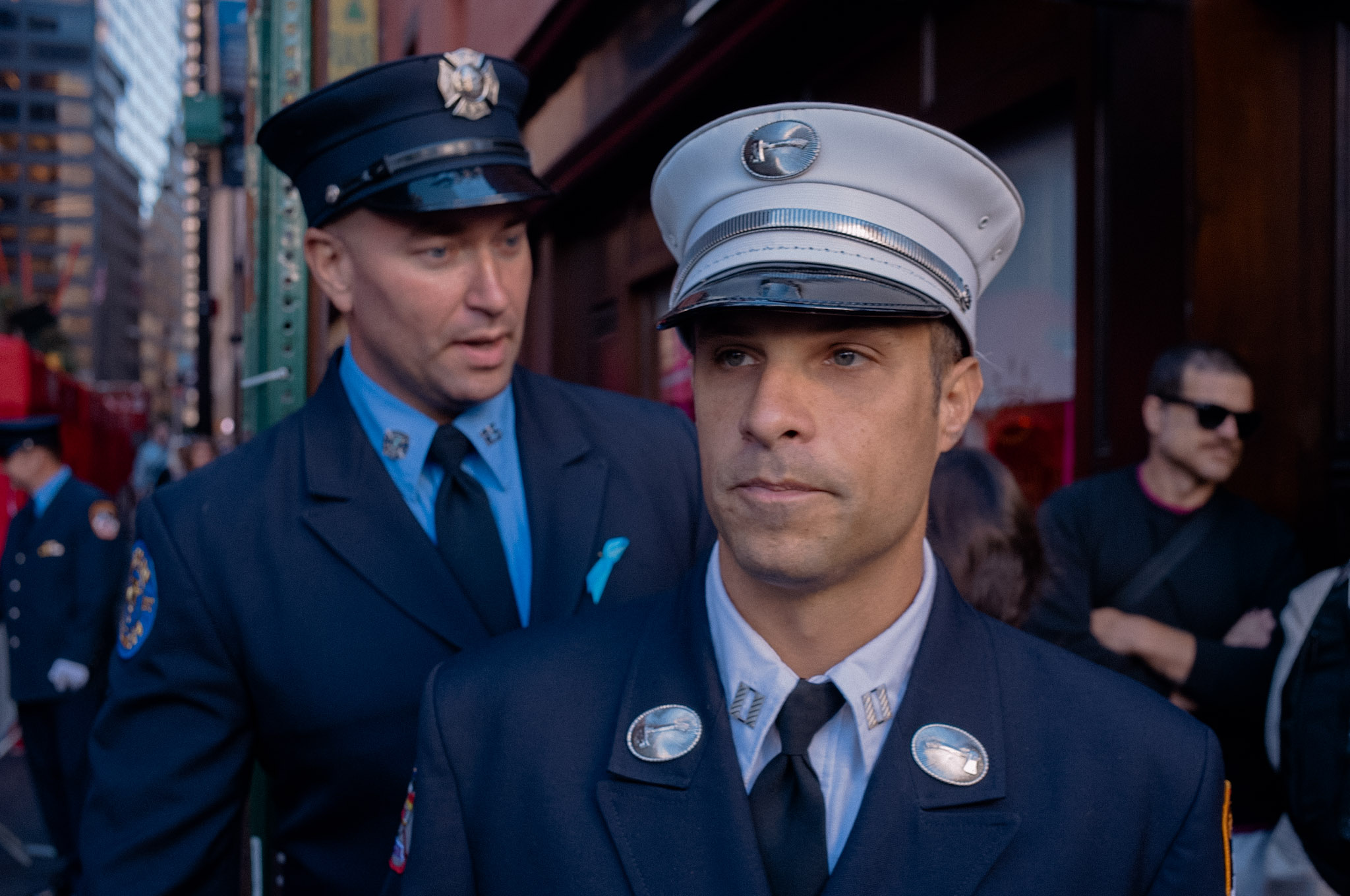
The French philosopher Jacques Derrida’s concept of hauntology offers a way to think about this attachment. It concerns the ways an absent past continues to act on the present. The towers remain part of the New York I know, despite having disappeared before I reached it. Returning to the anniversary also means making more images of a history I first encountered through images. My own photographs now enter the public record of its remembrance.