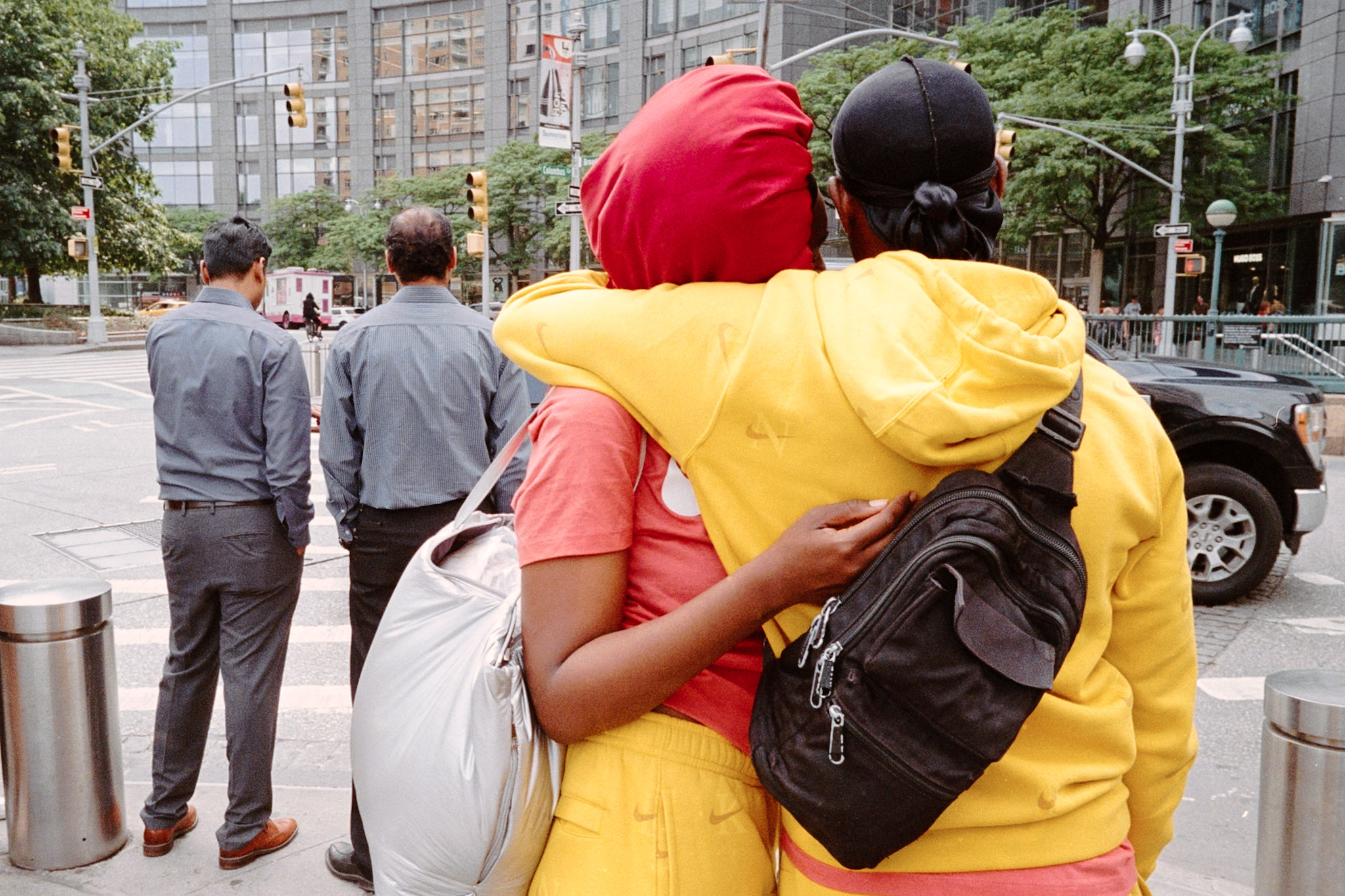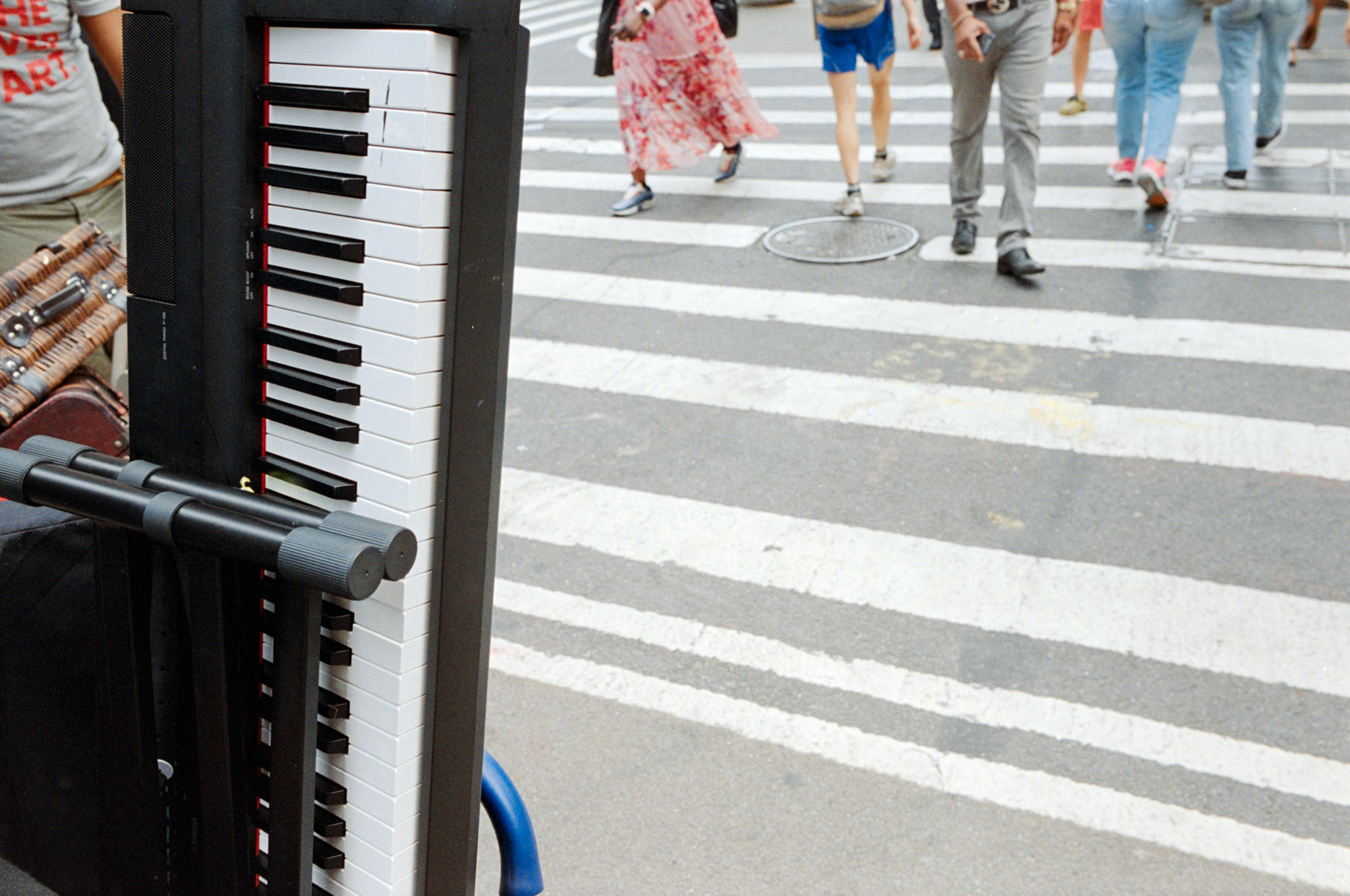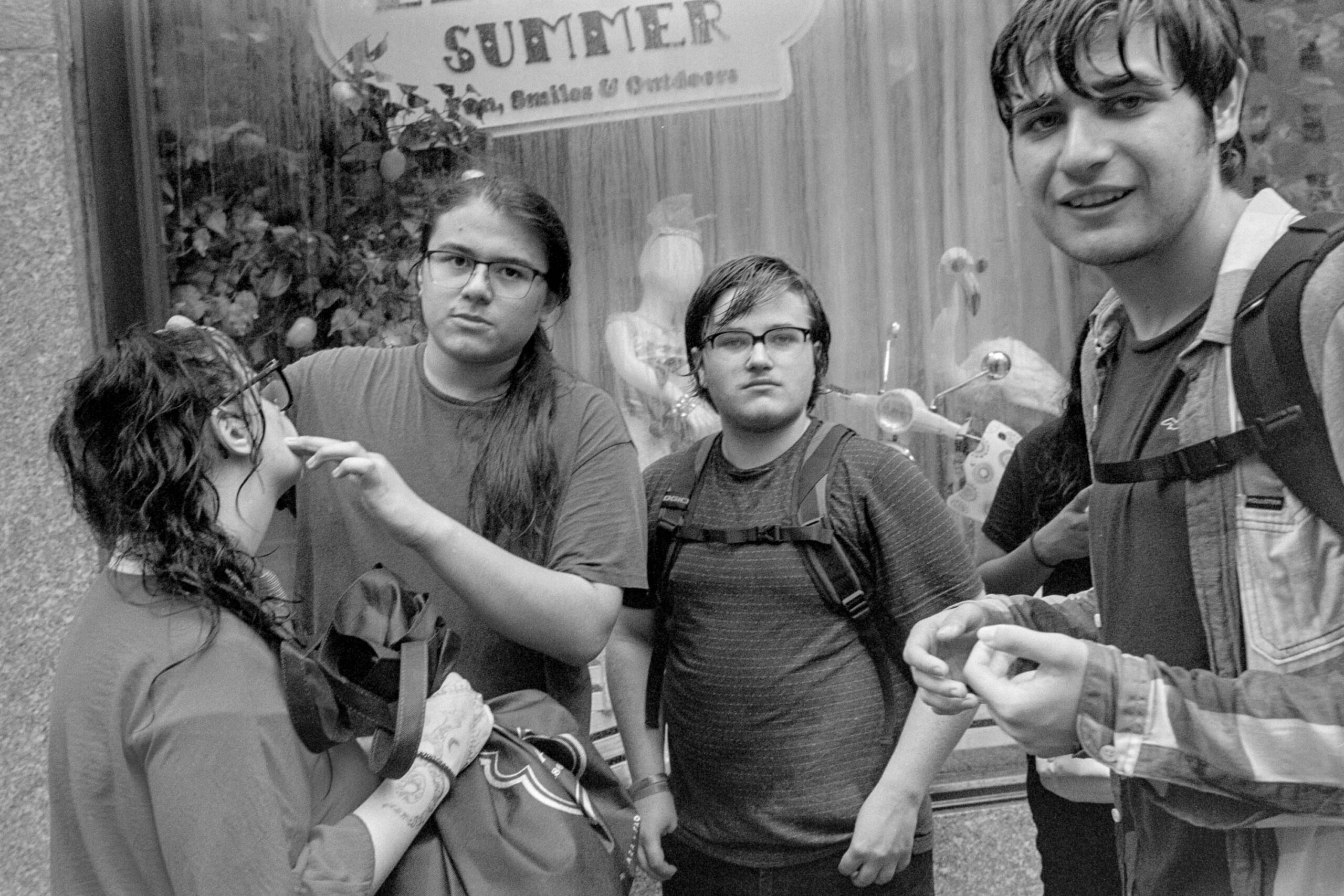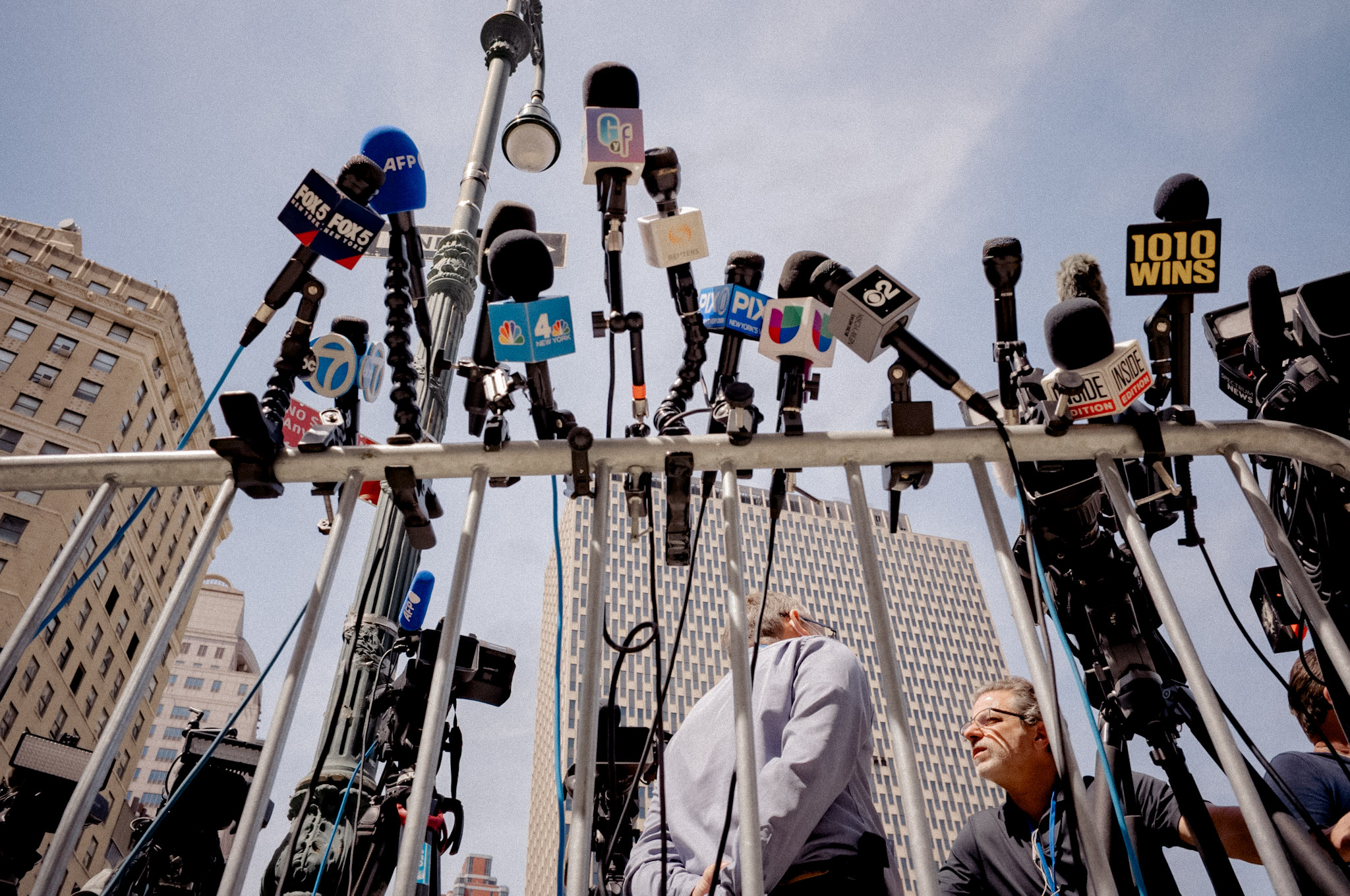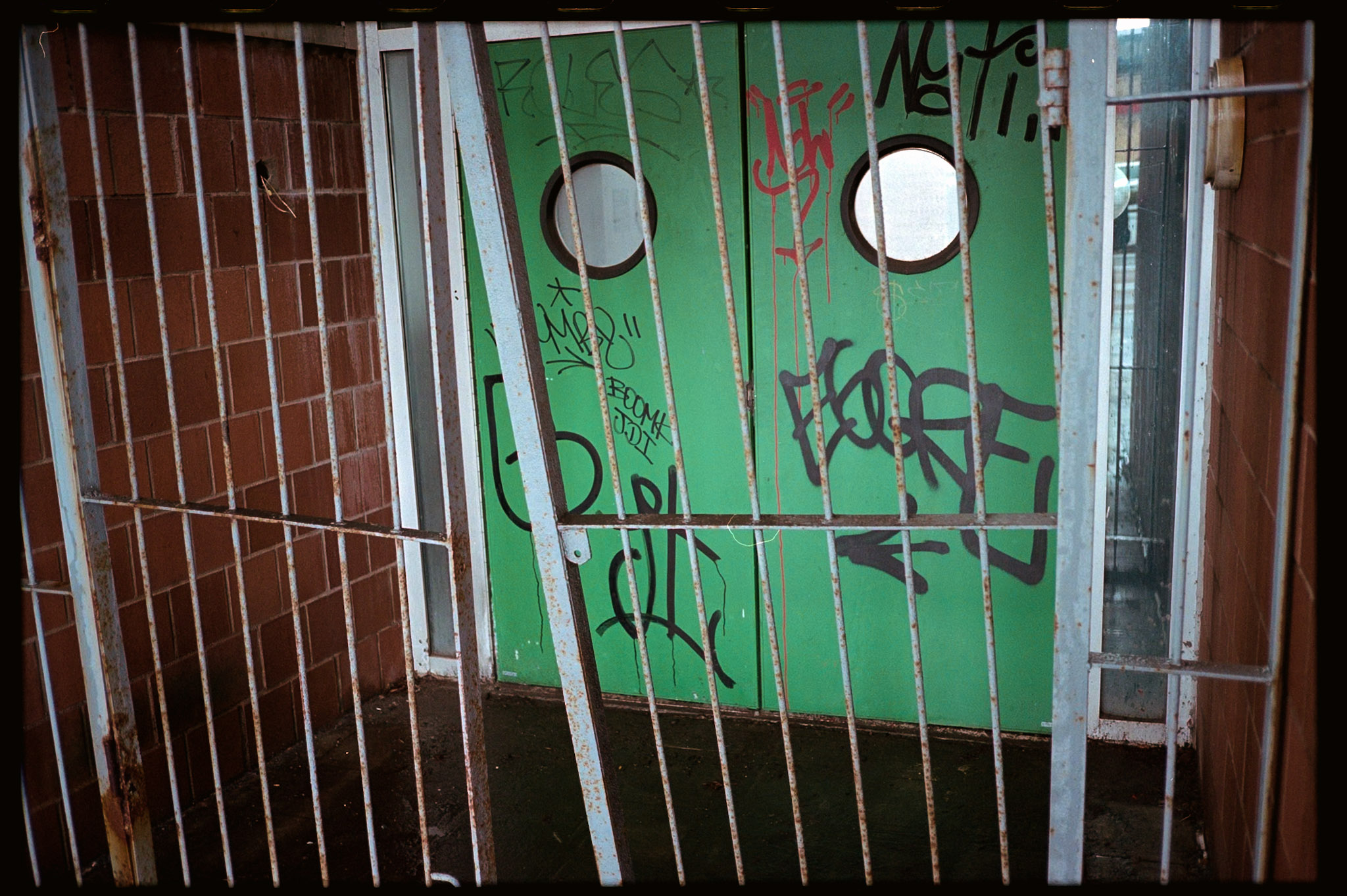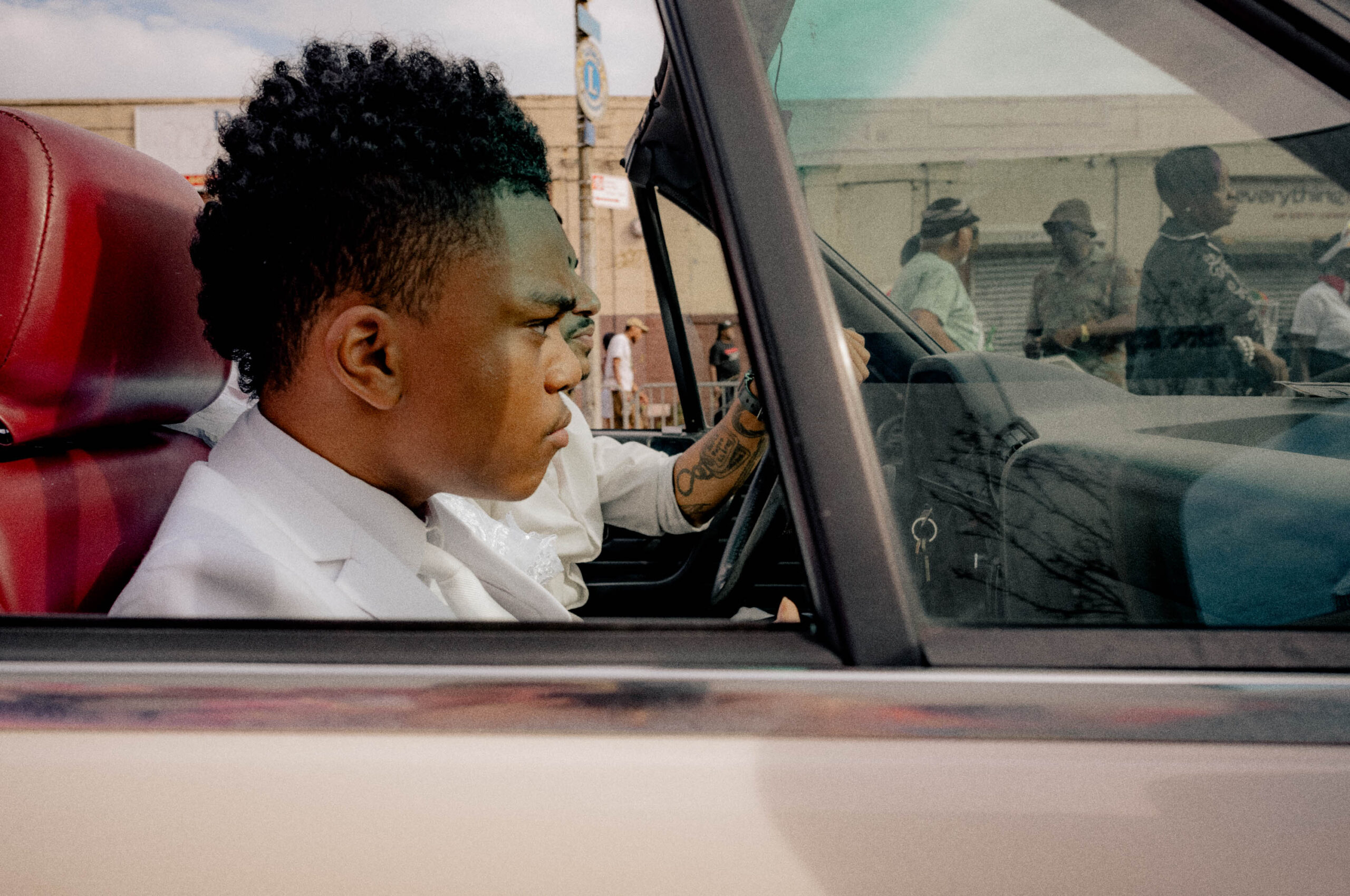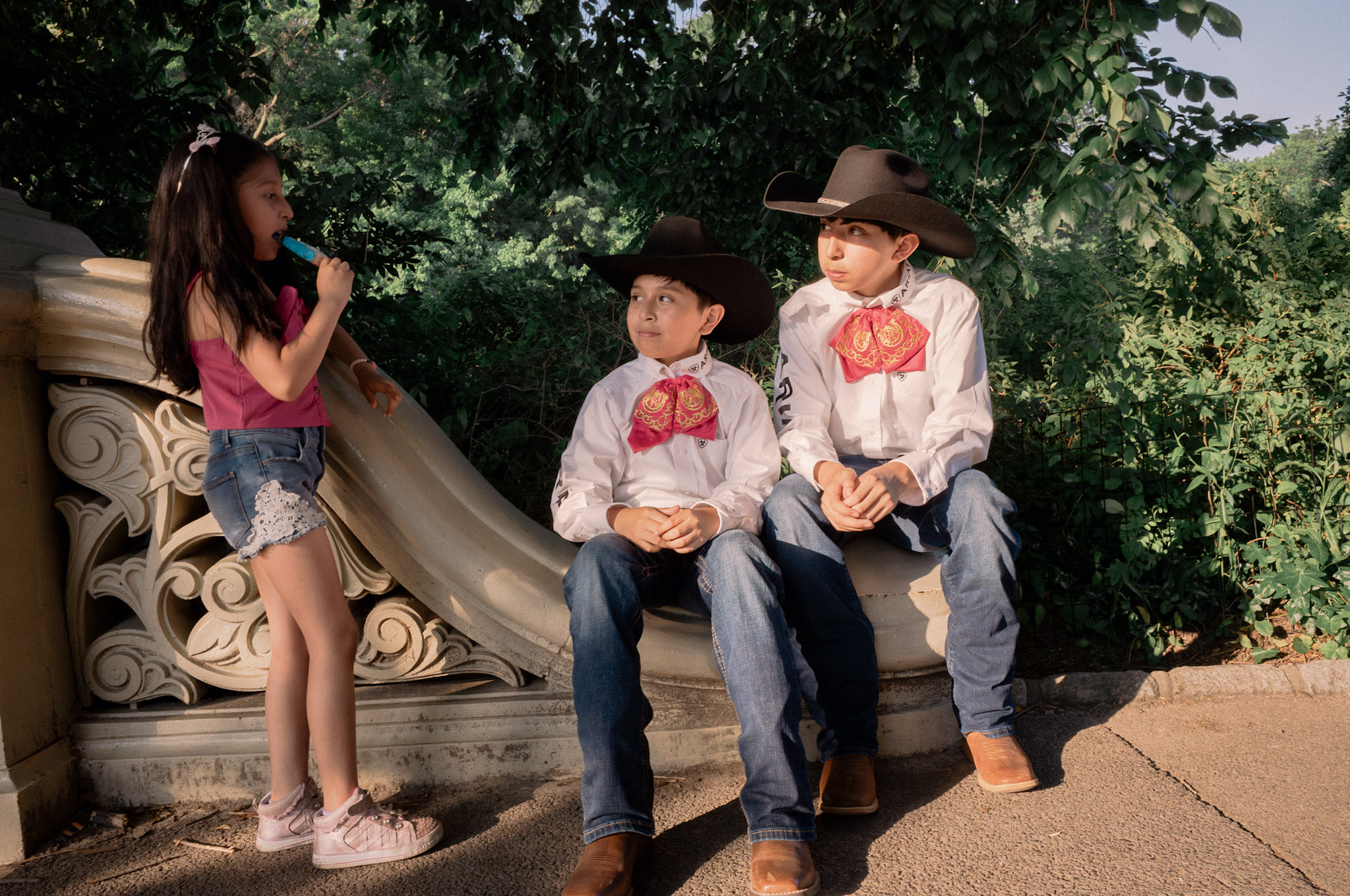
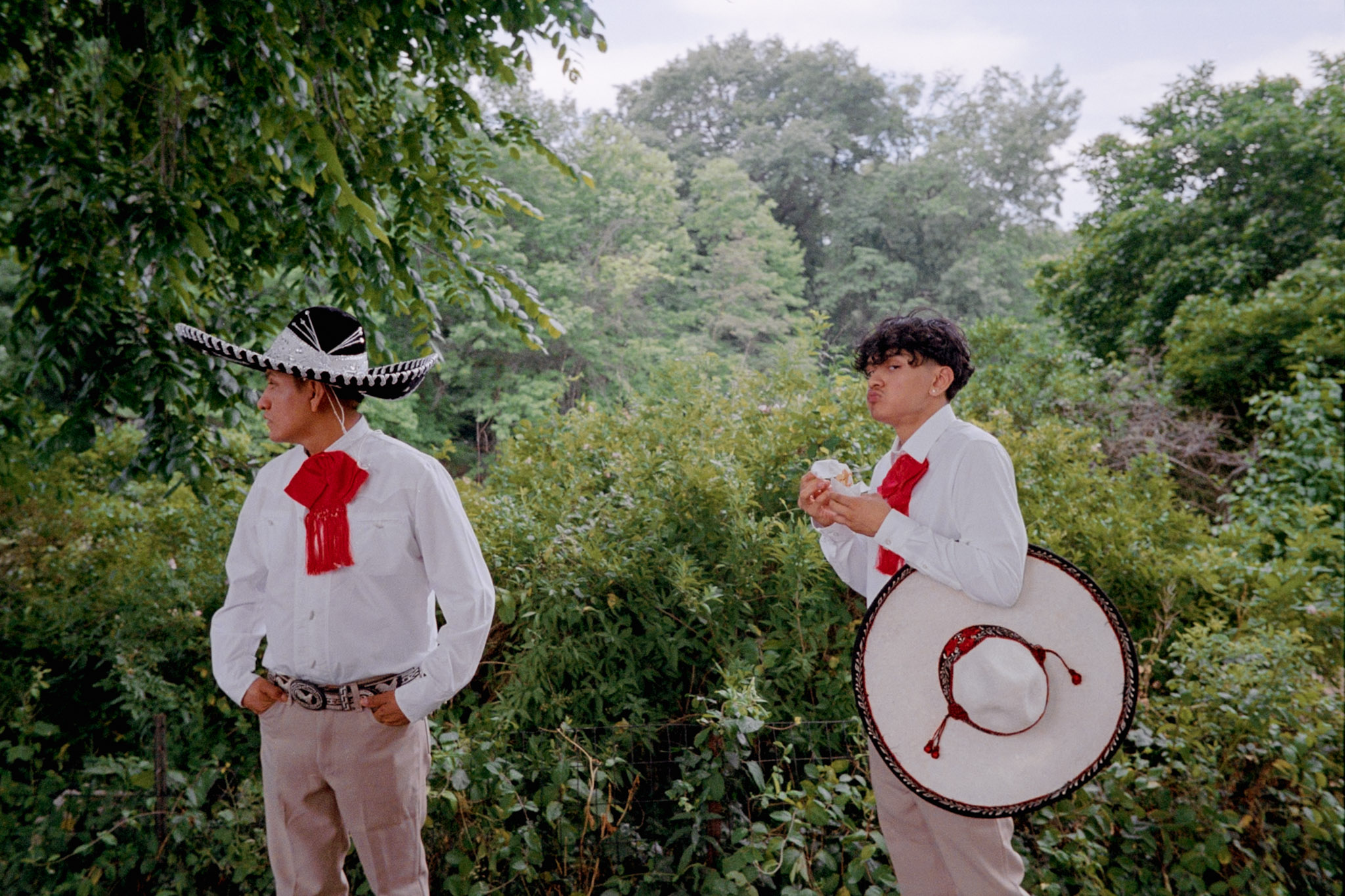
Pairs starts with the double. Two things can look similar without being the same. Once placed together, the differences between them become harder to ignore. Repetition changes what came before. When something returns, it does not simply restore the first thing. It comes back differently.
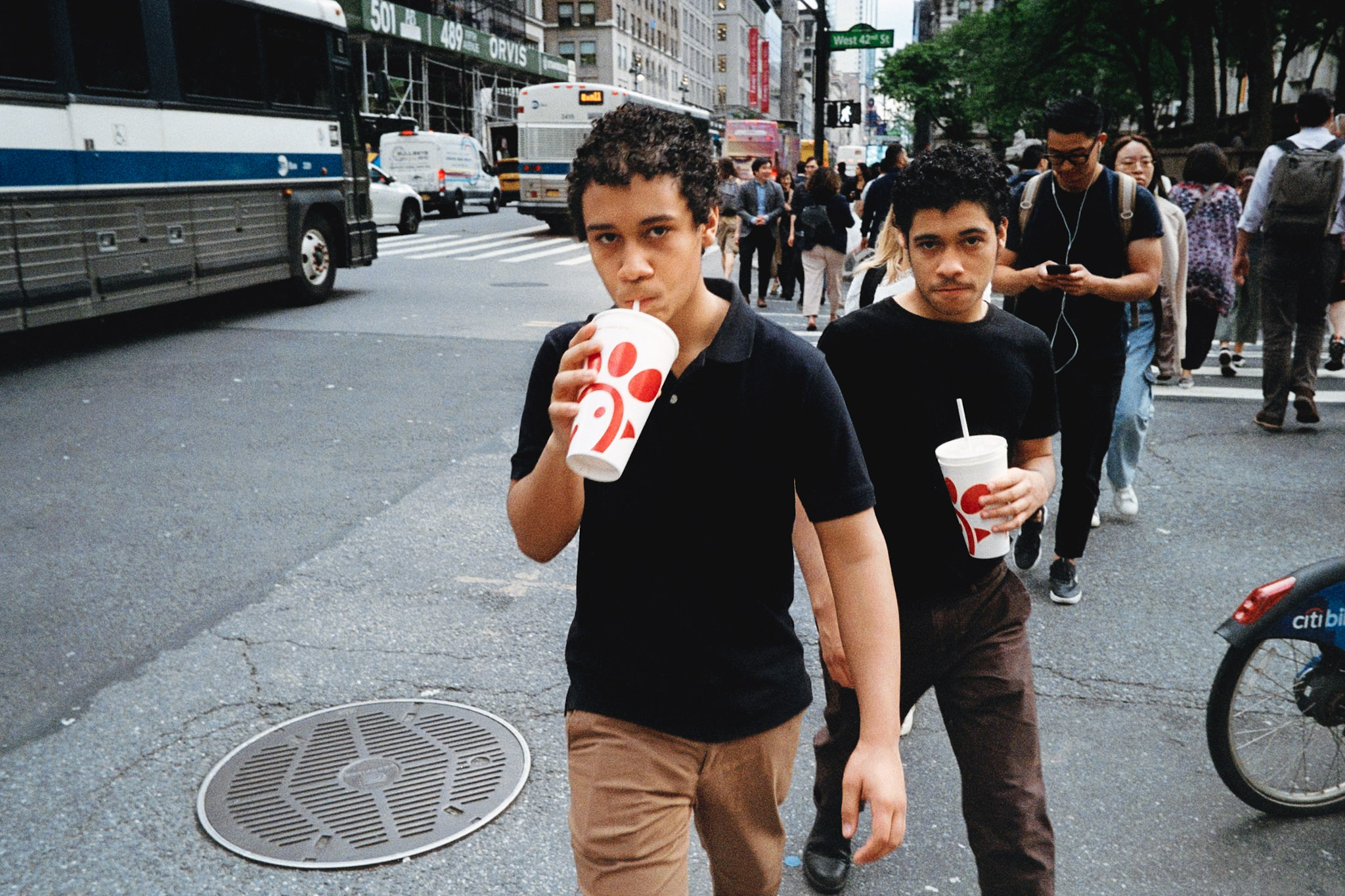
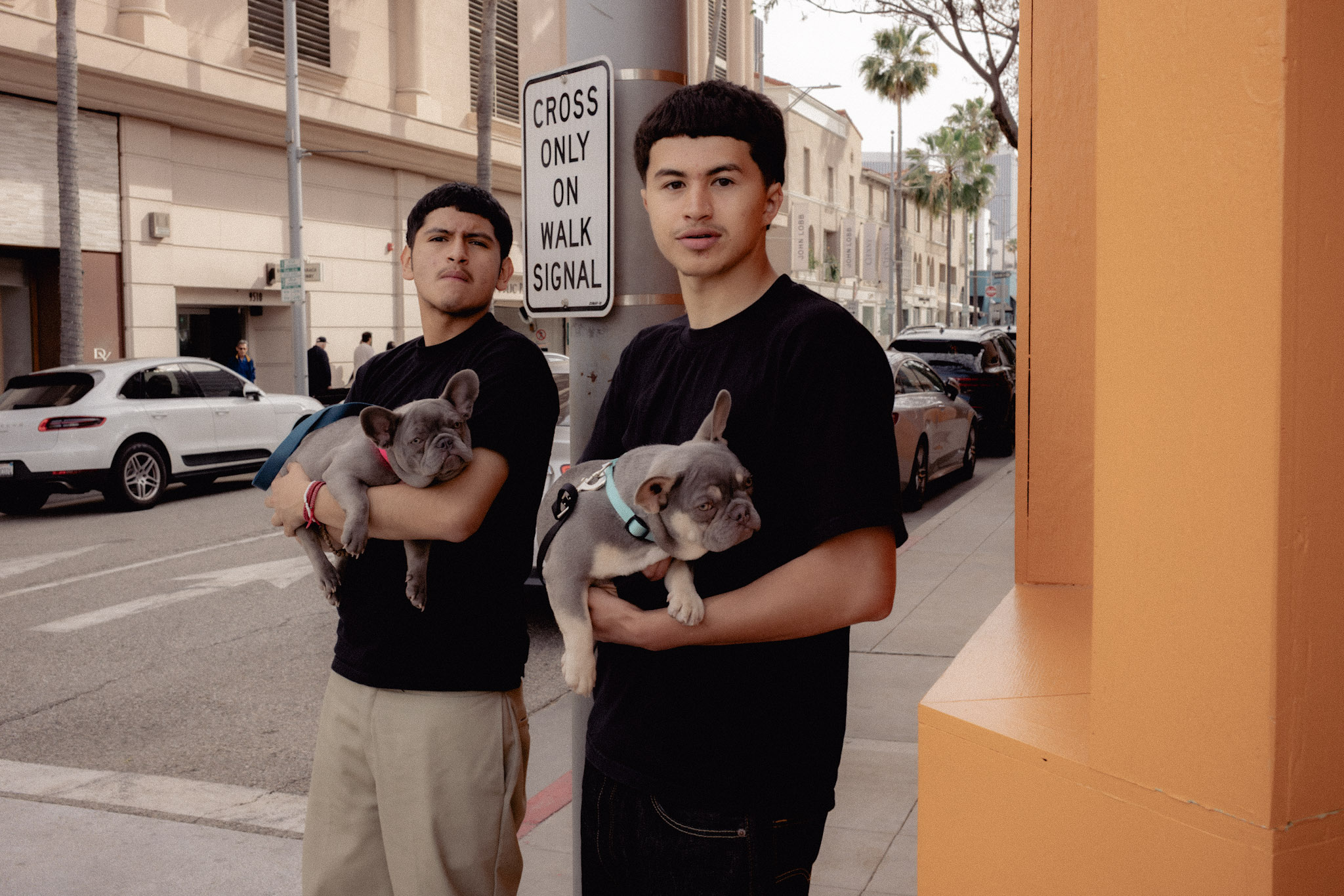
The second image changes the first, even when the resemblance between them is strong.
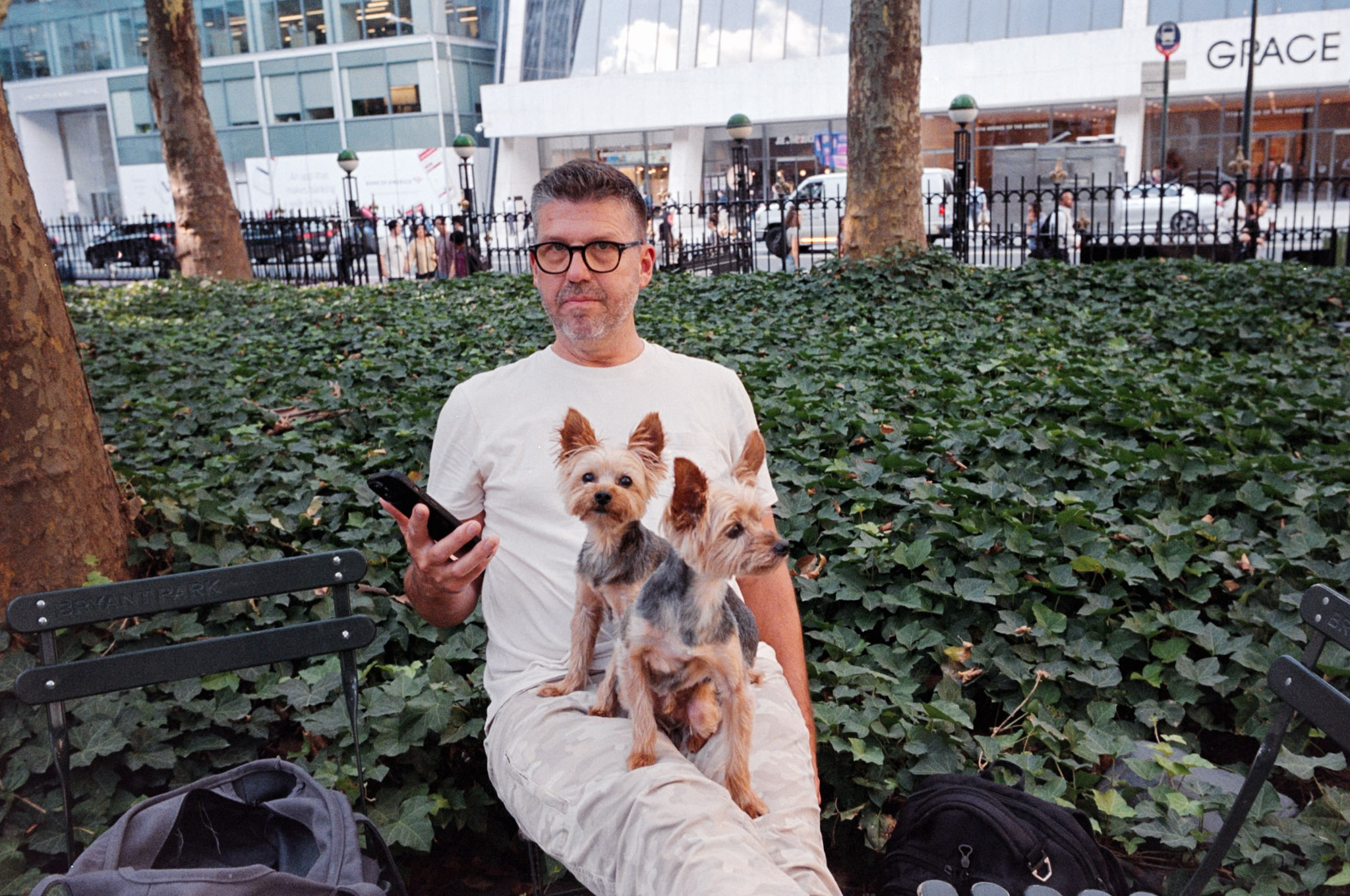
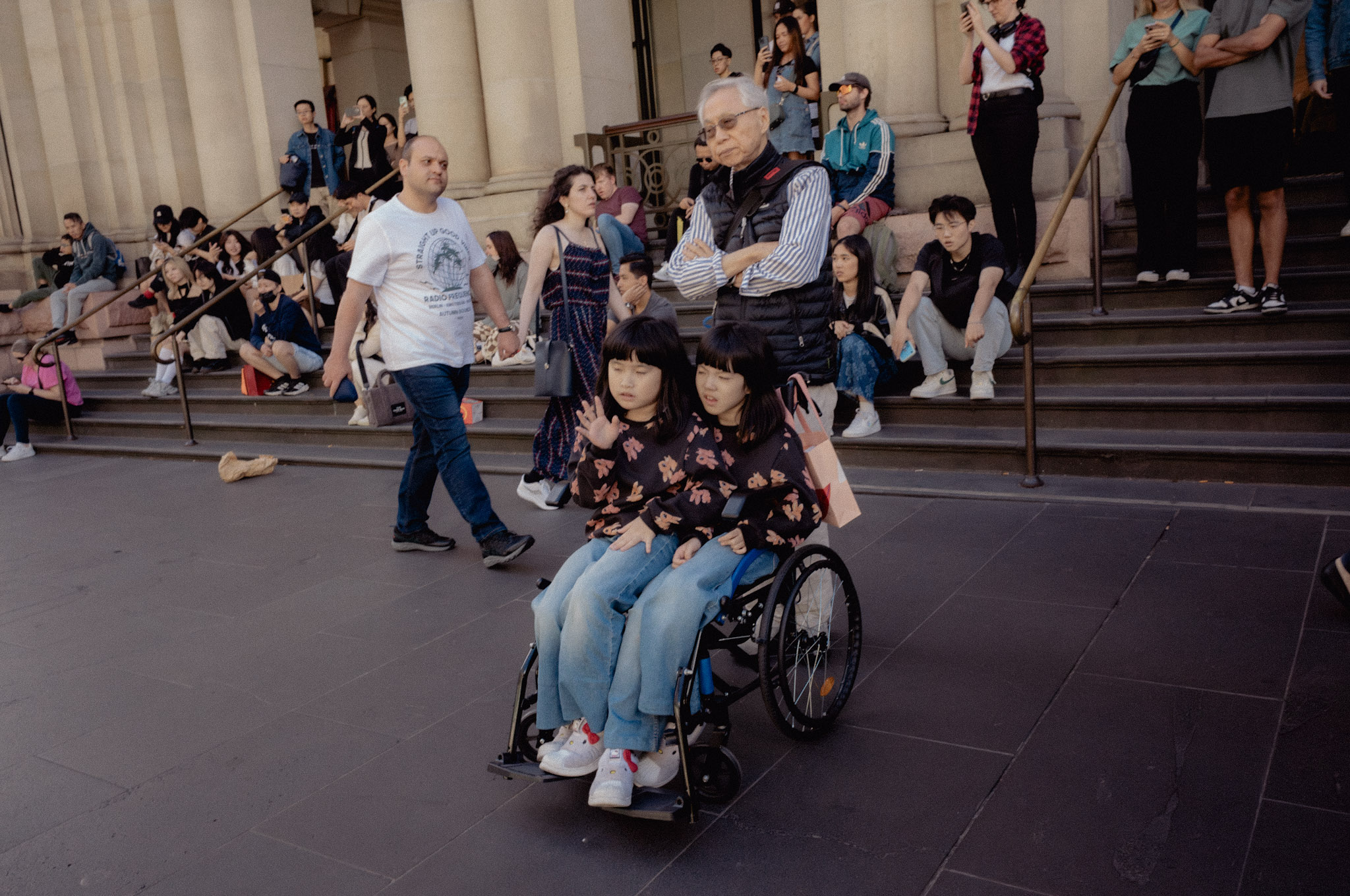
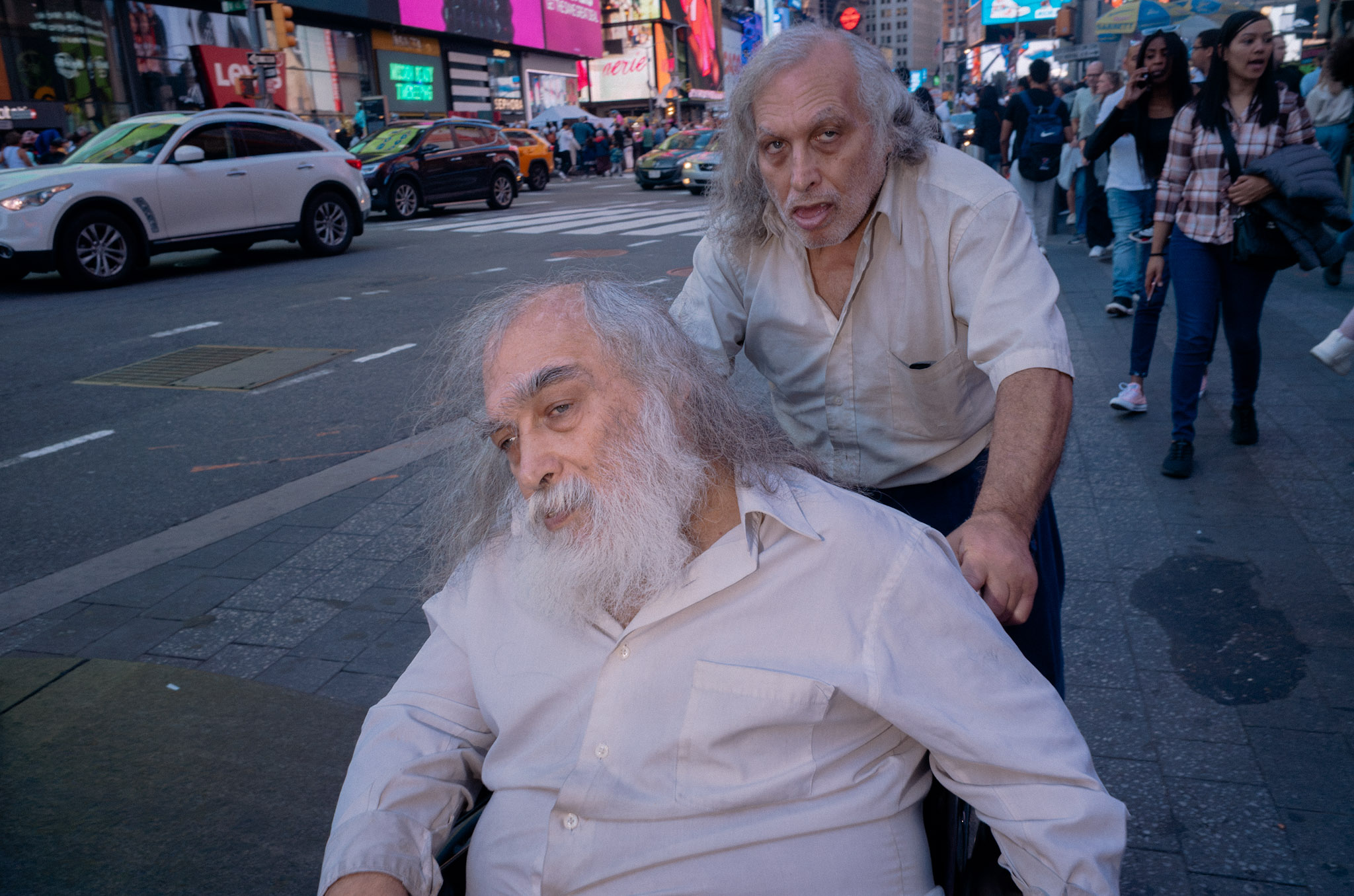
As the sequence moves forward, these relationships begin to travel from one photograph to another. What connects two images may hold for a moment and then give way to something else. A motif returns, shifts, disappears, or is picked up later in another form. The sequence depends on that instability.
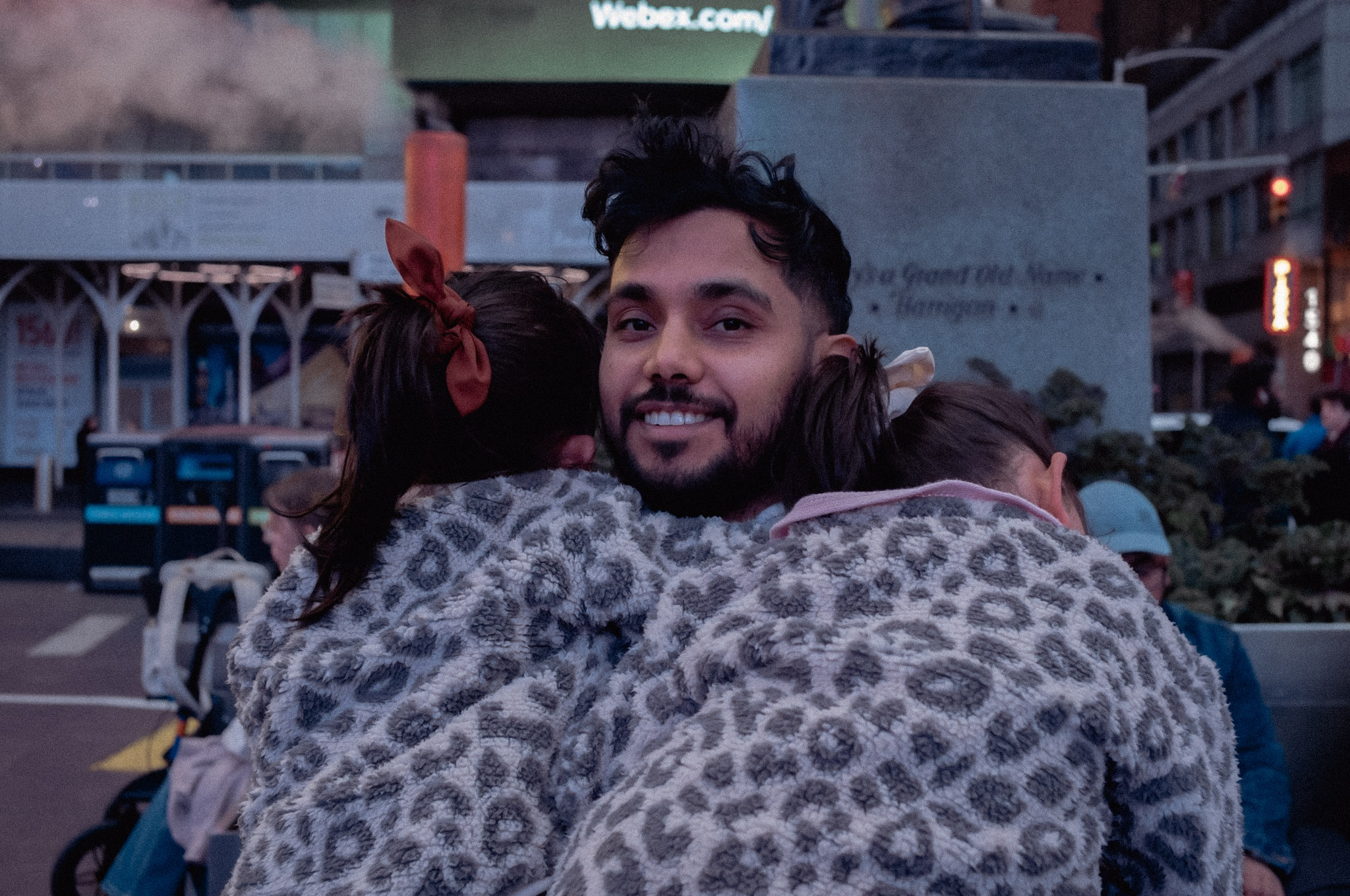
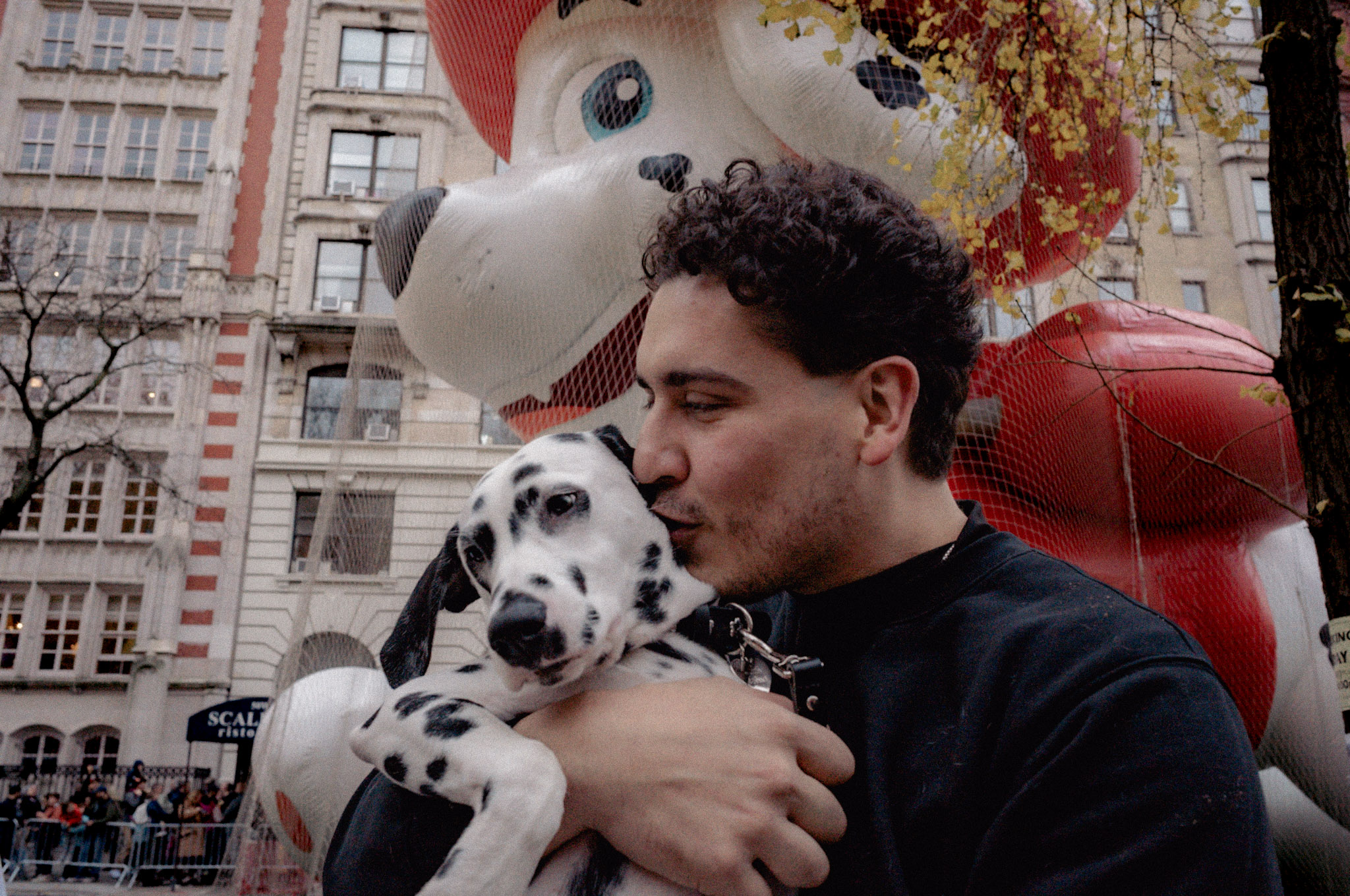
The meaning is never completely settled inside the frame. What follows can change what came before. A photograph can leave a trace that only becomes legible several images later.
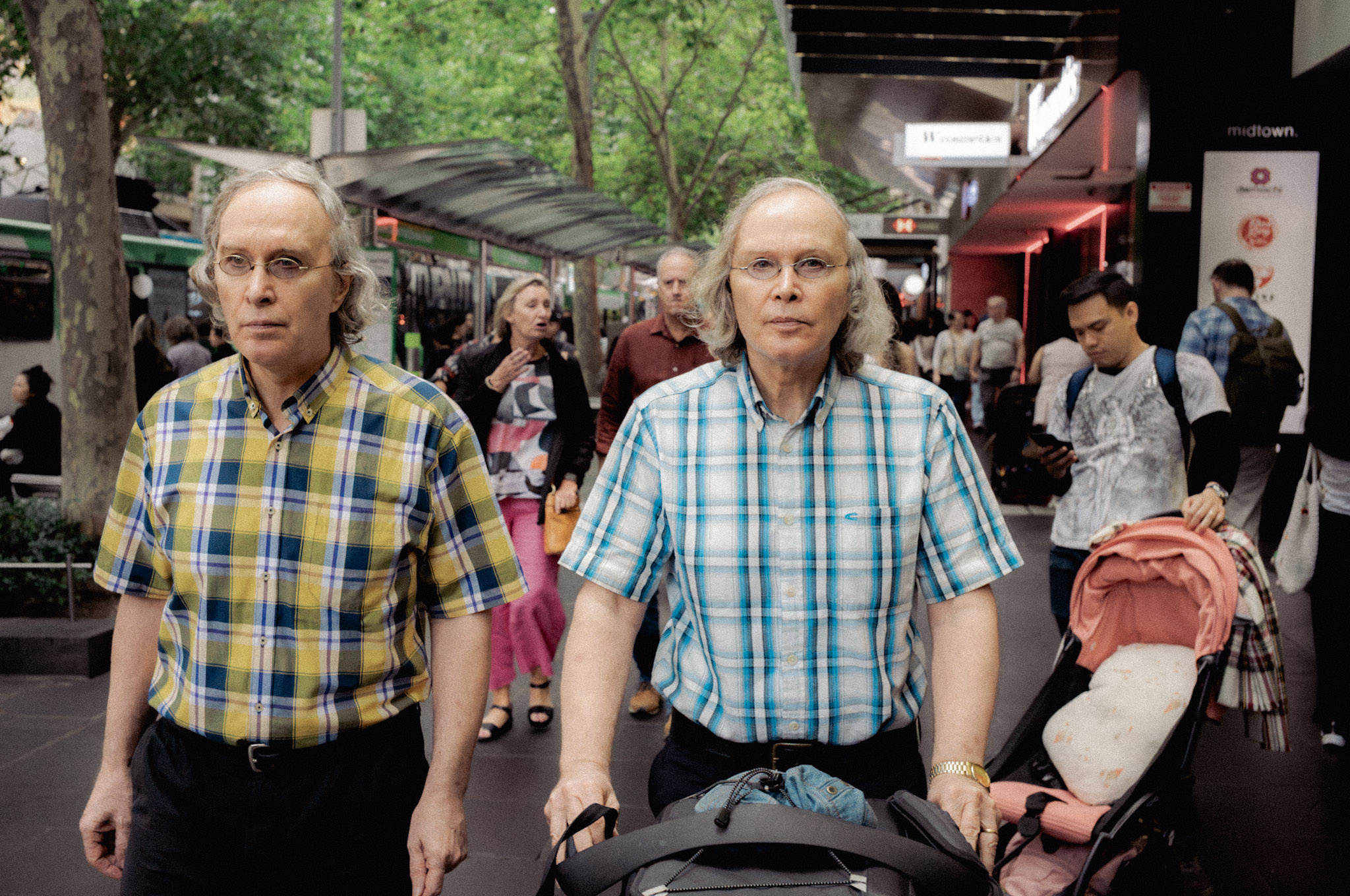
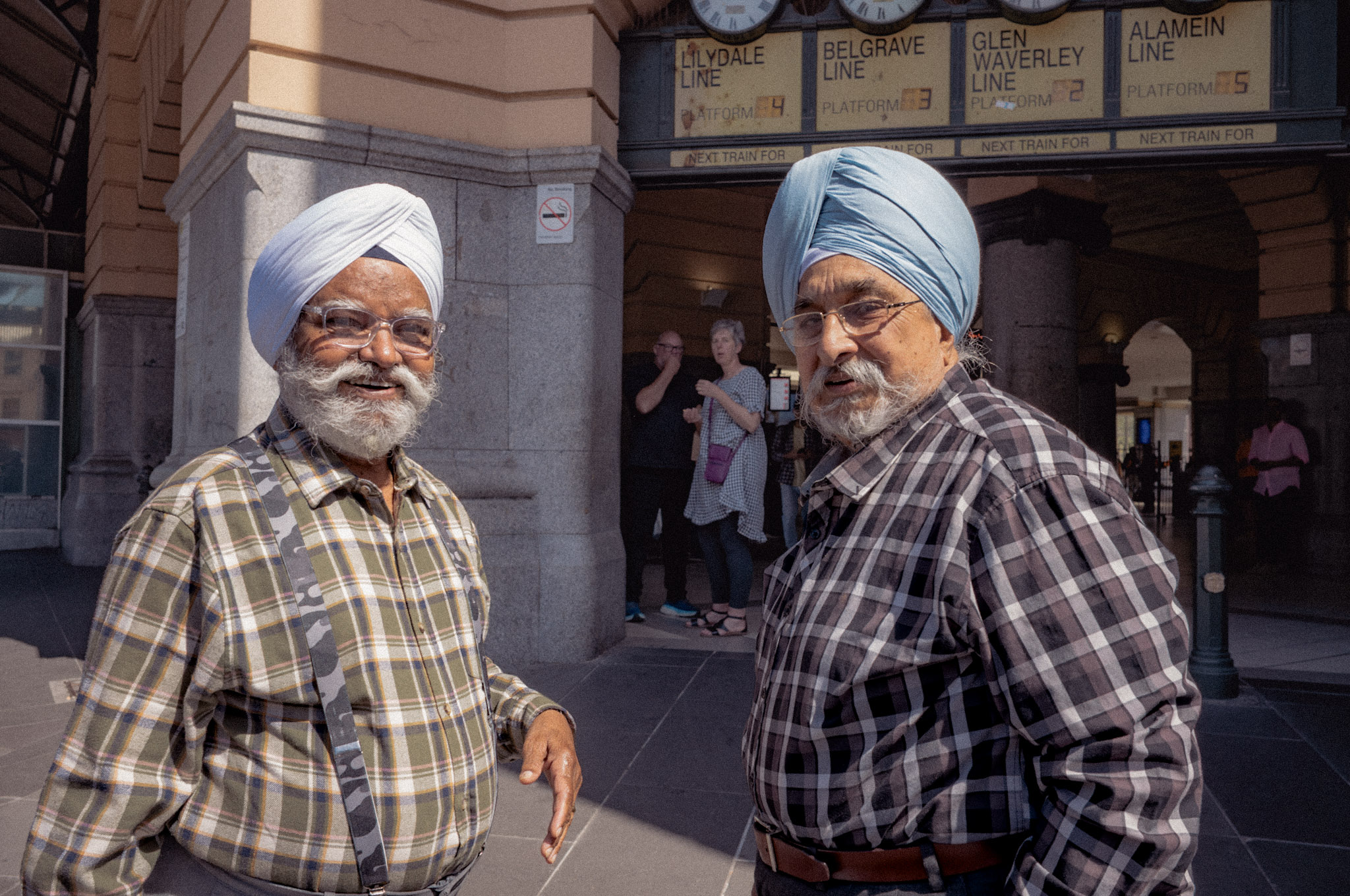
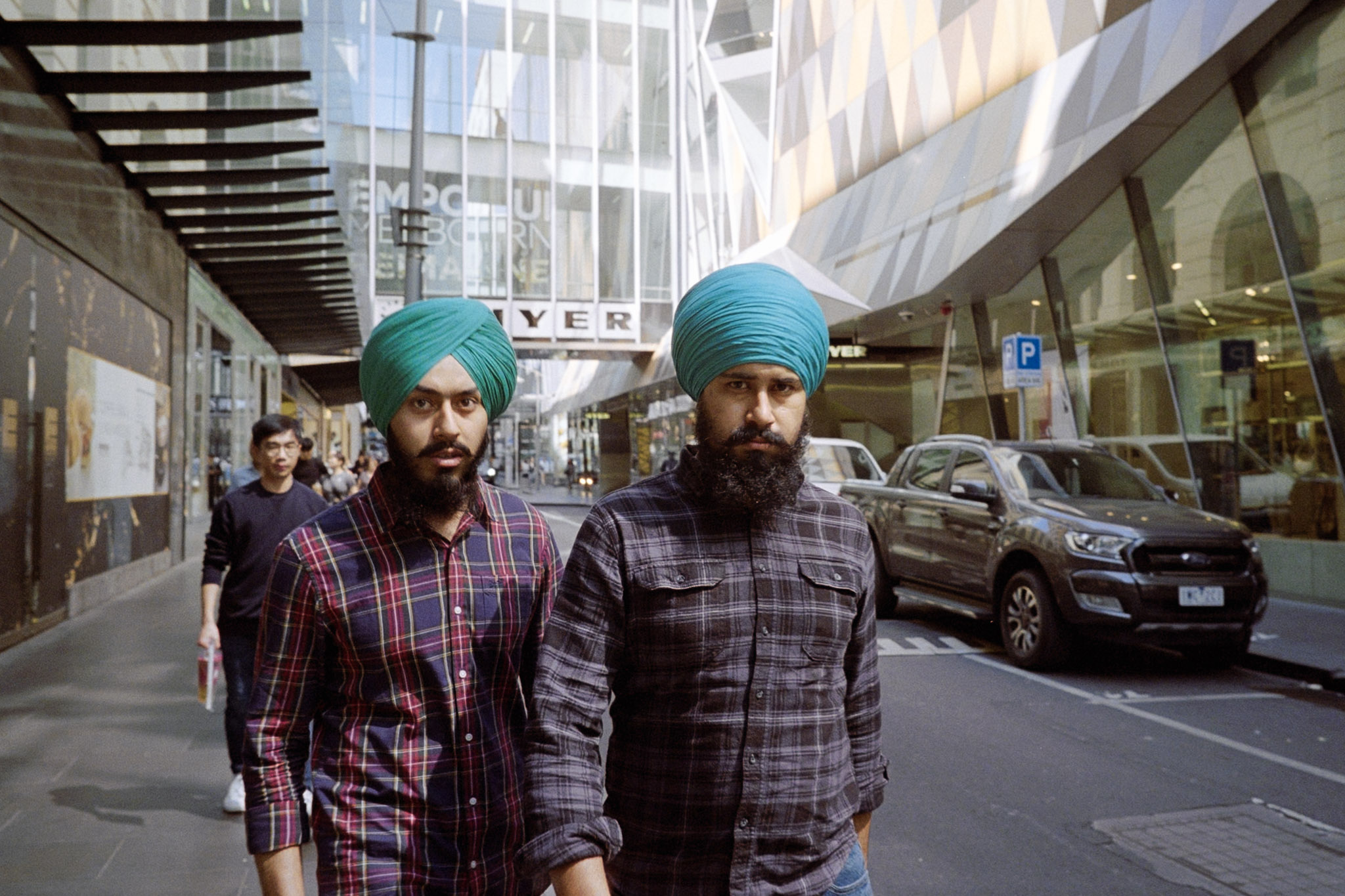
For me, the pair is less a subject than a way of organizing attention. It can exist inside a photograph, between two photographs, or across a longer chain where one resemblance leads to another difference.
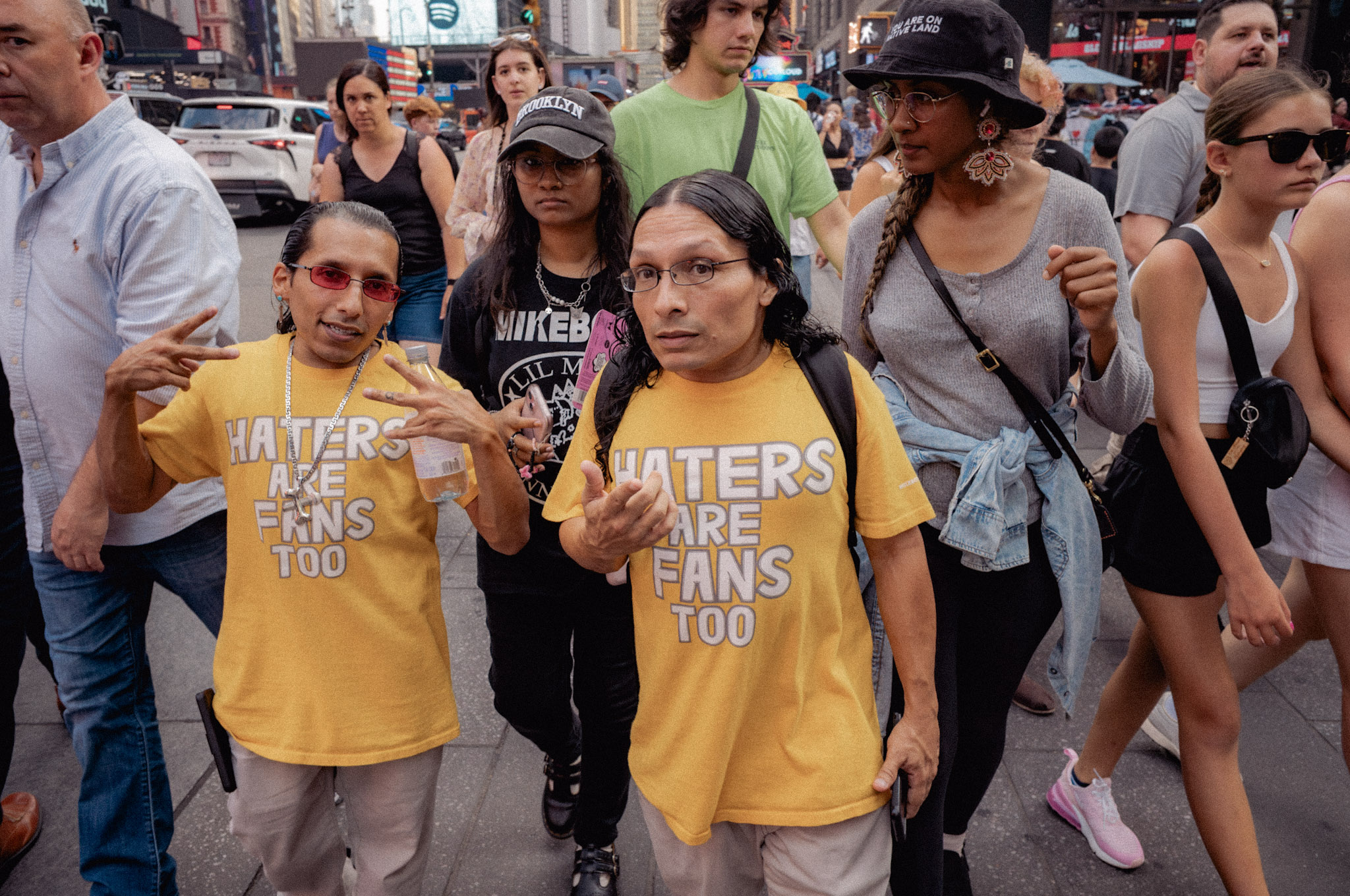
The sequence keeps moving because repetition never closes the relation. Each return adds something, distorts something, or sends the reading elsewhere. Meaning sits in that movement between images rather than in any single photograph on its own.