The Picture Looks Back
A photographic study of the Lacanian gaze and the unstable relation between seeing and being seen.
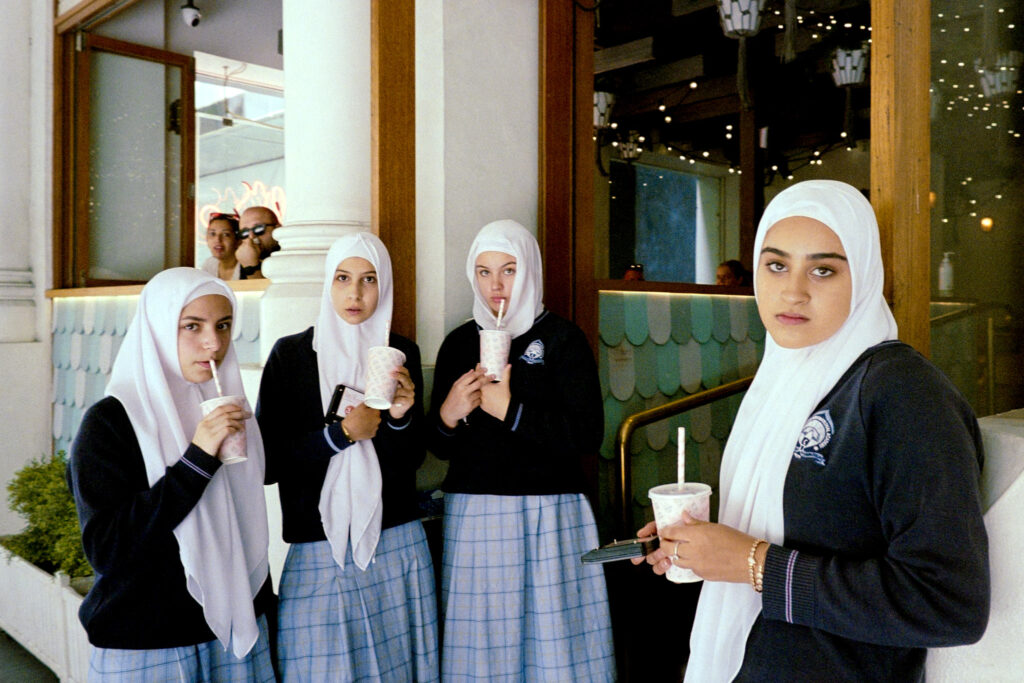

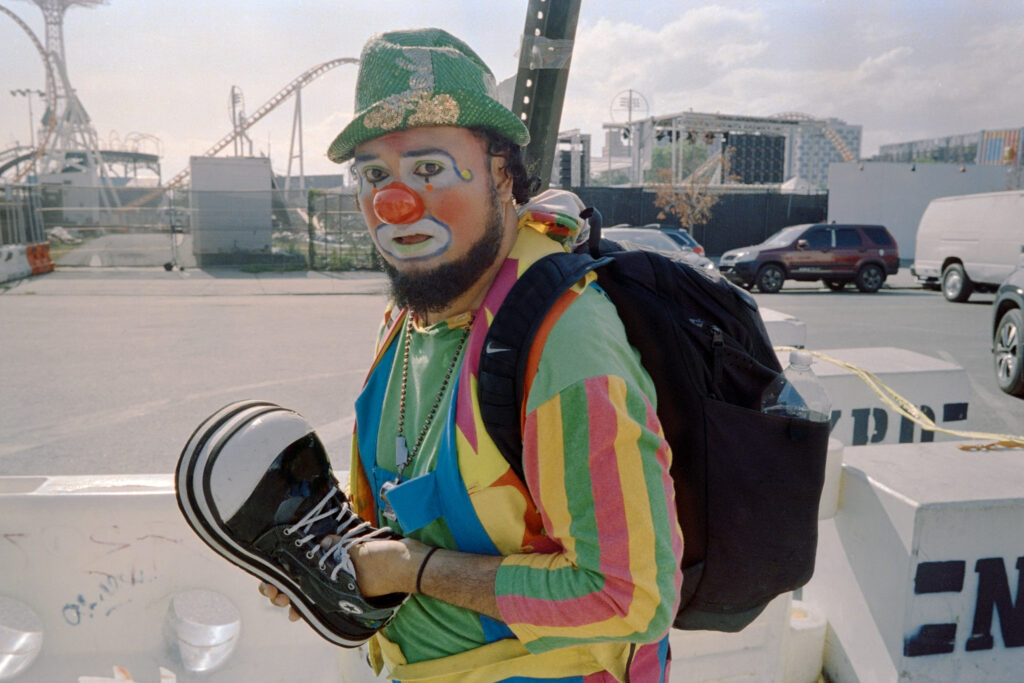
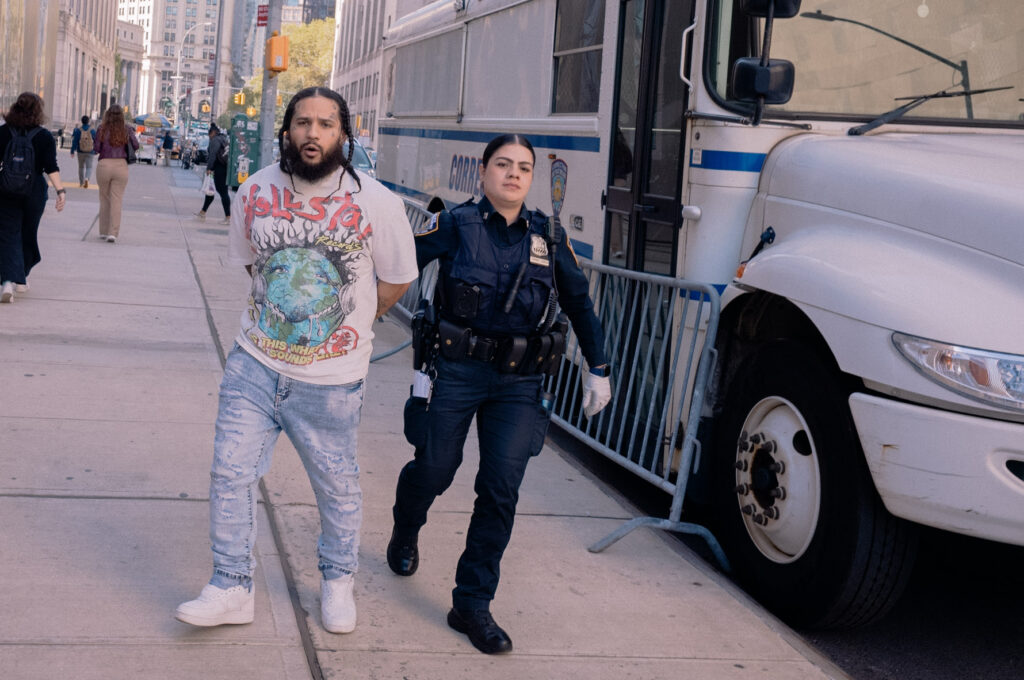
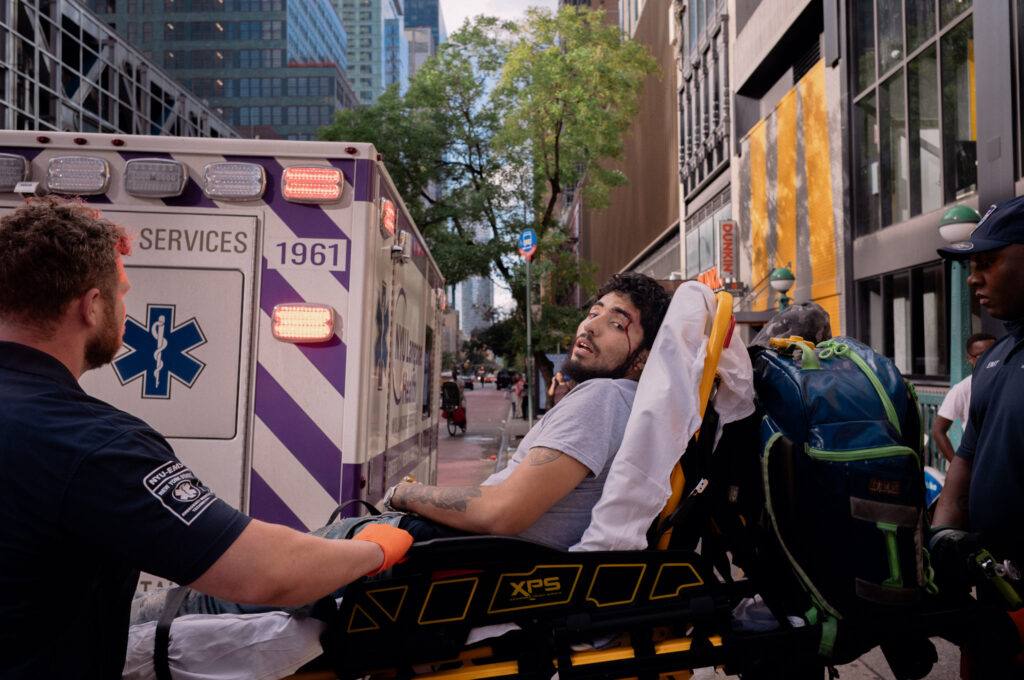
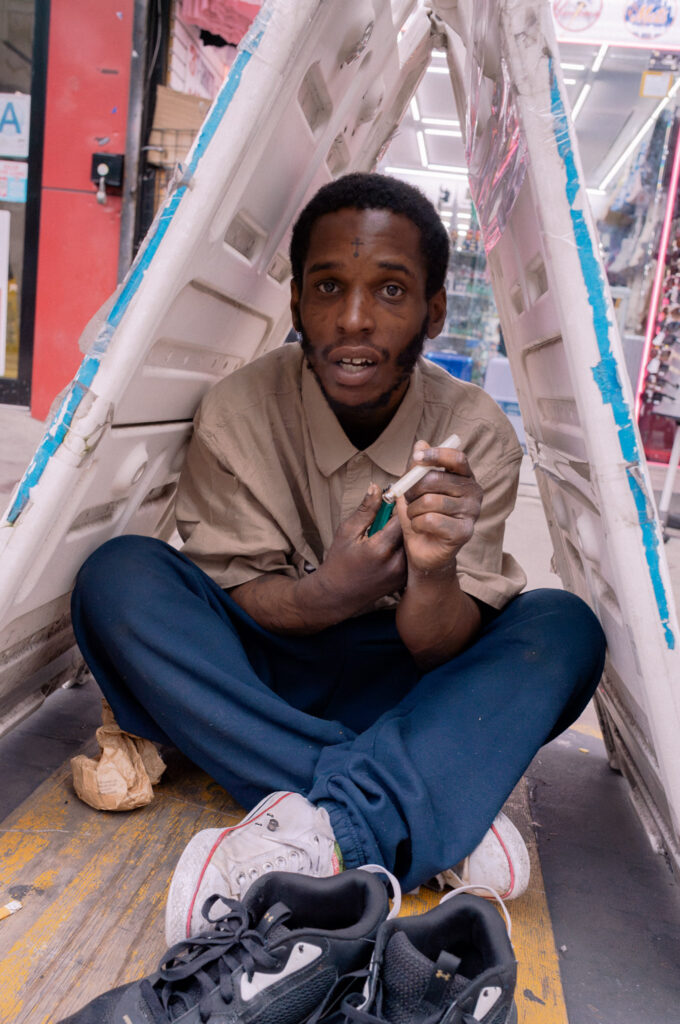
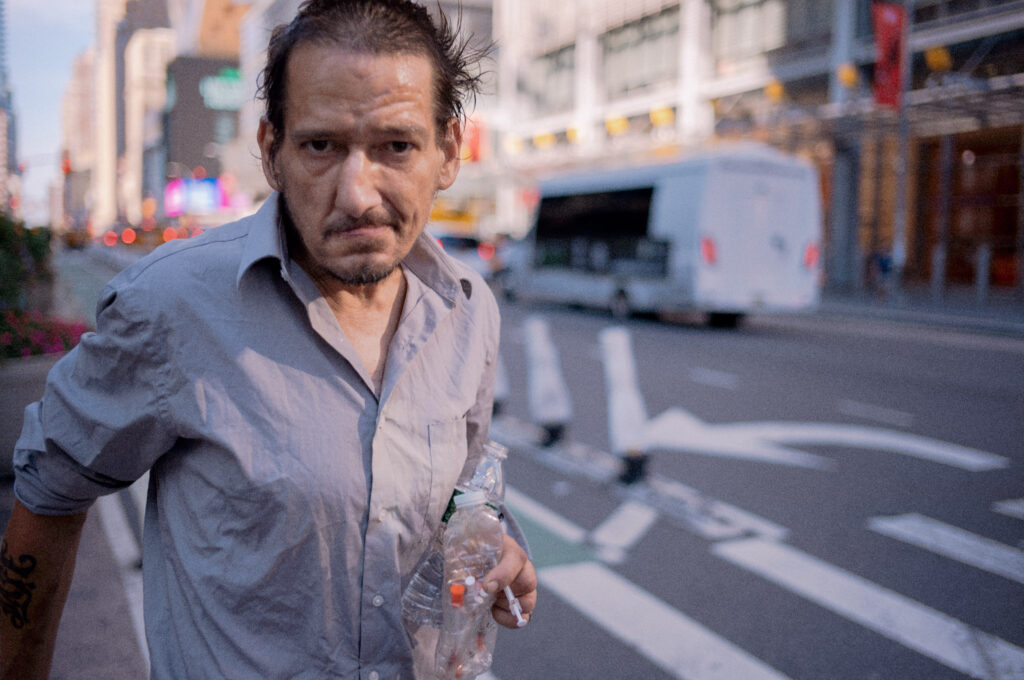
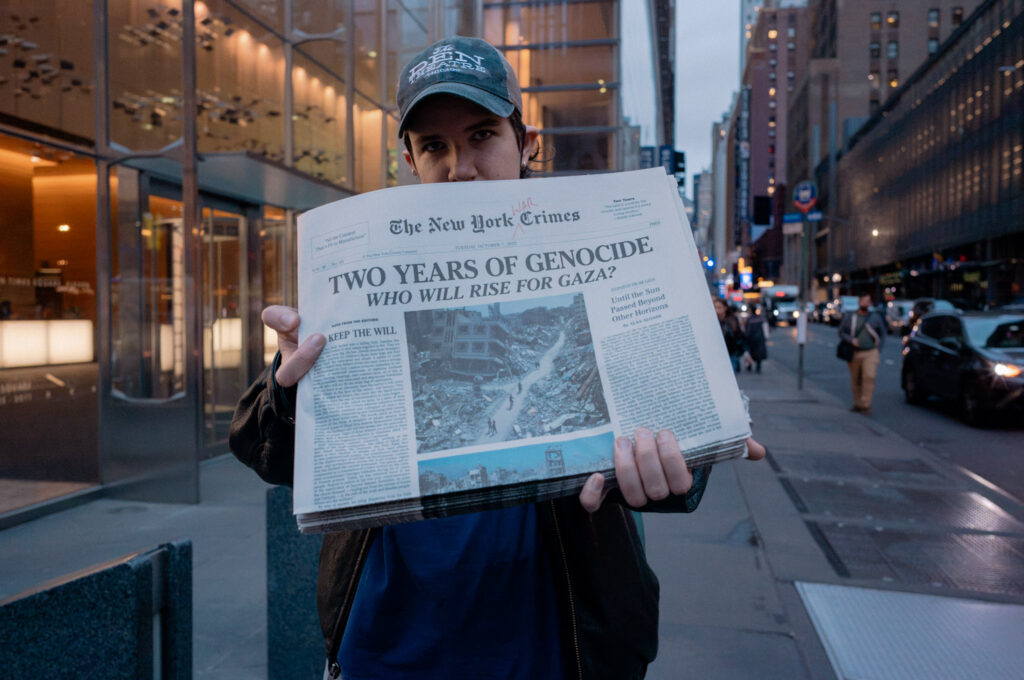
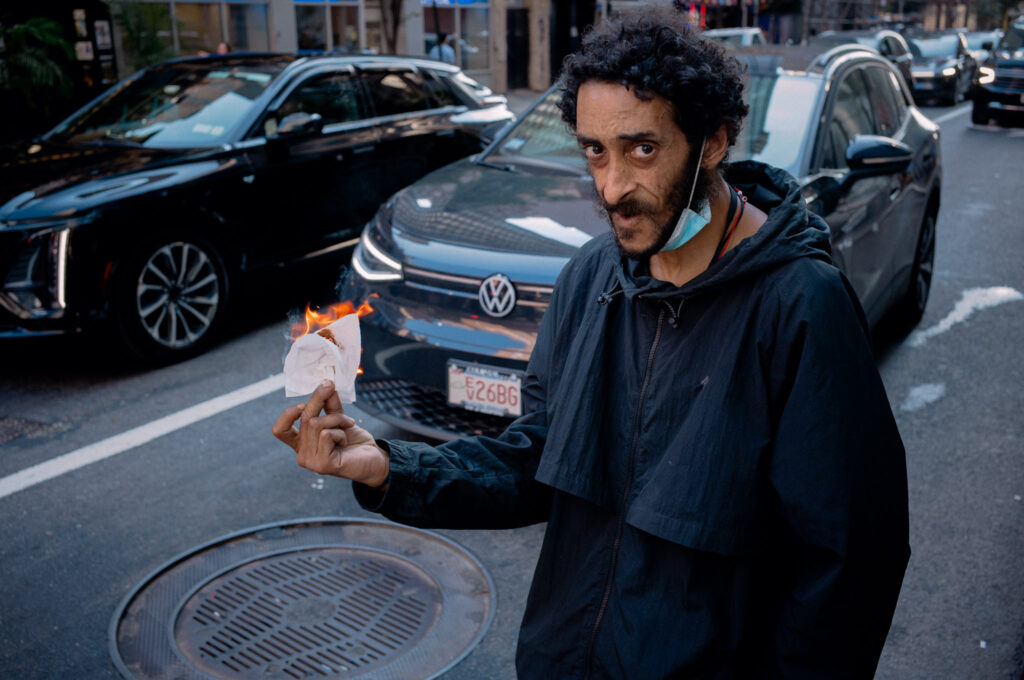
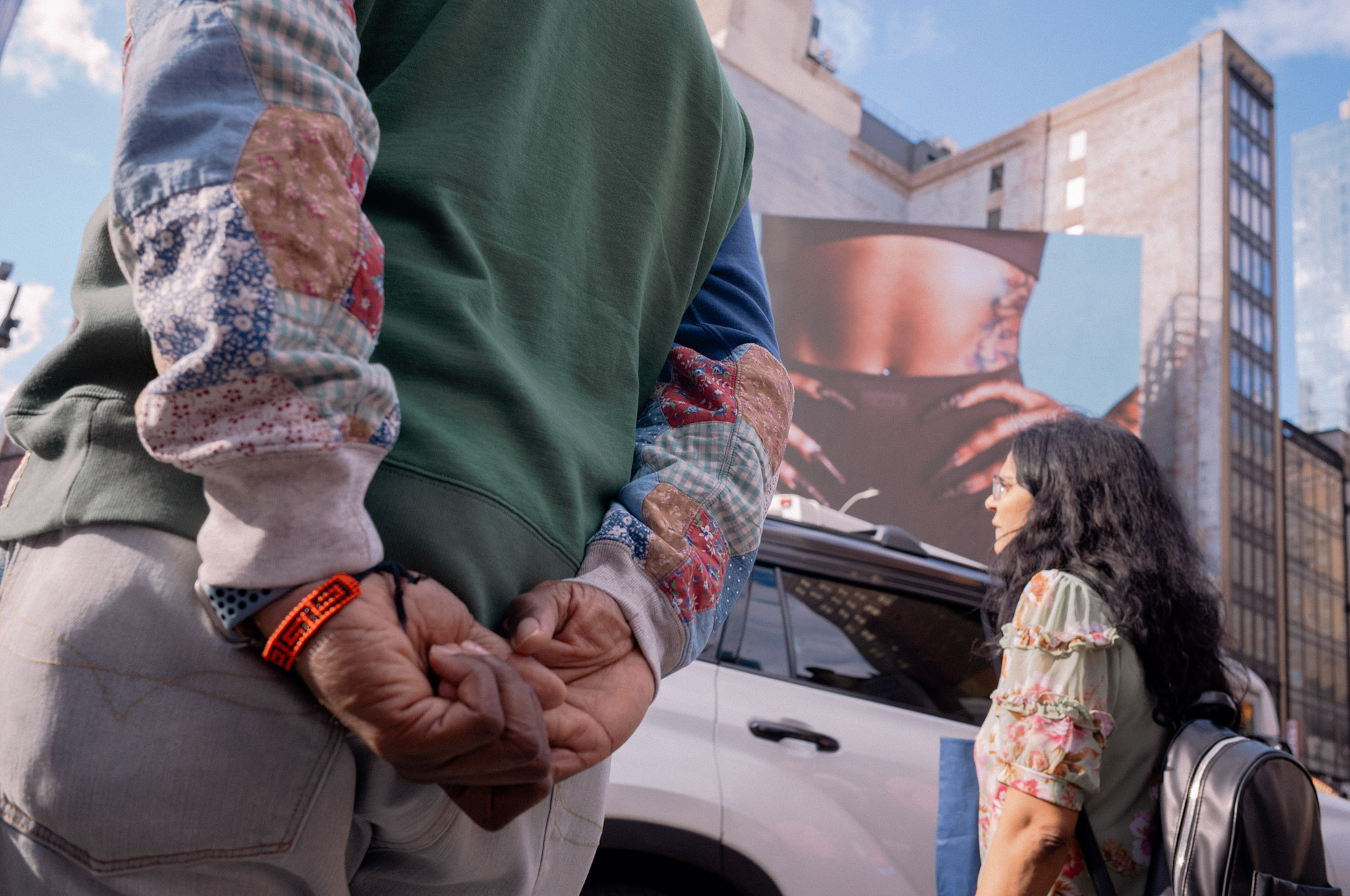
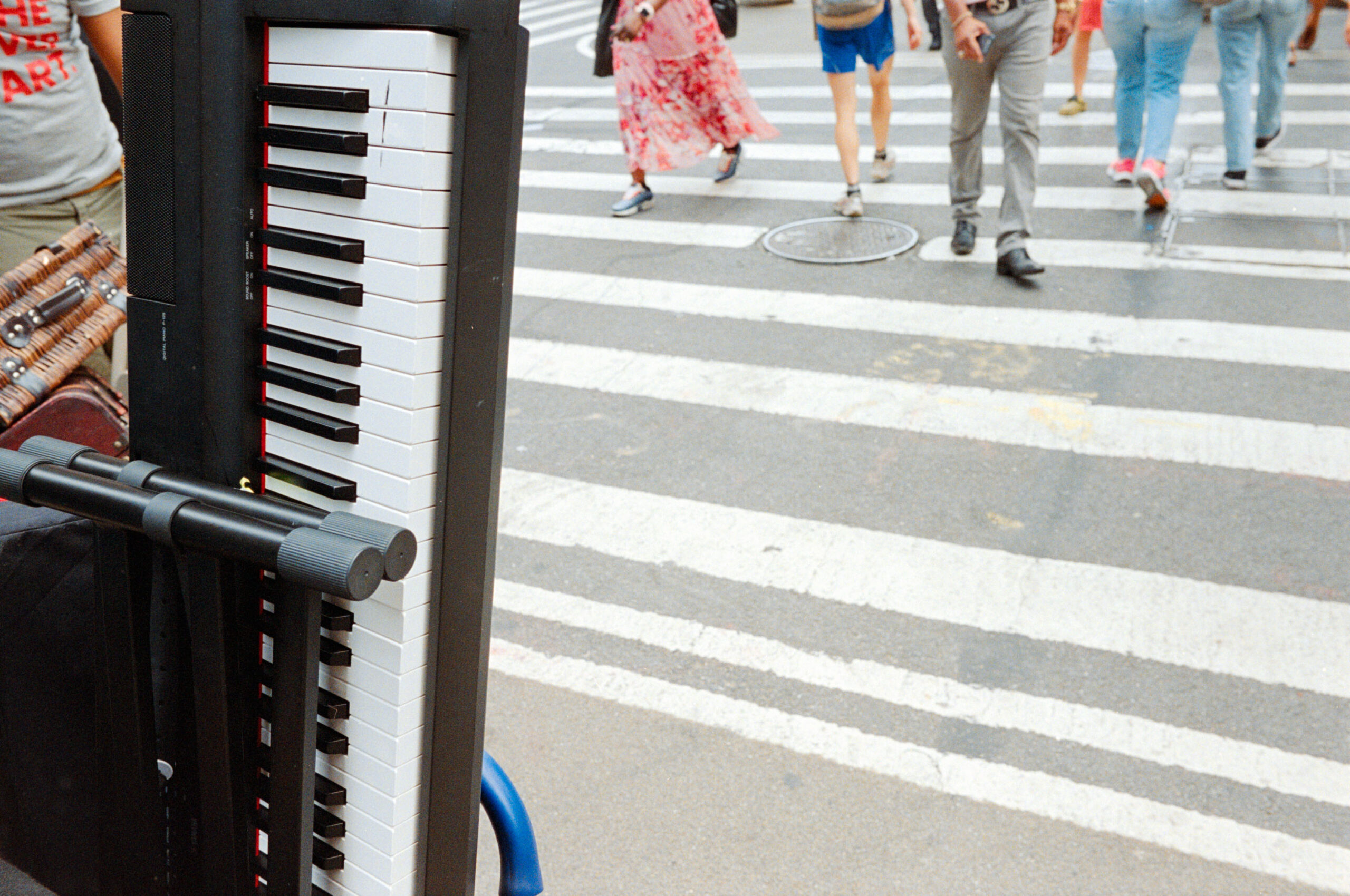
The Picture Looks Back begins with a distinction Jacques Lacan makes in Seminar XI between the eye and the gaze. The eye is associated with the position from which we see. The gaze is more unsettling: something in the visible field disturbs the idea that the viewer stands safely outside the scene, mastering it through sight. As Lacan writes, “I see only from one point, but in my existence I am looked at from all sides.”
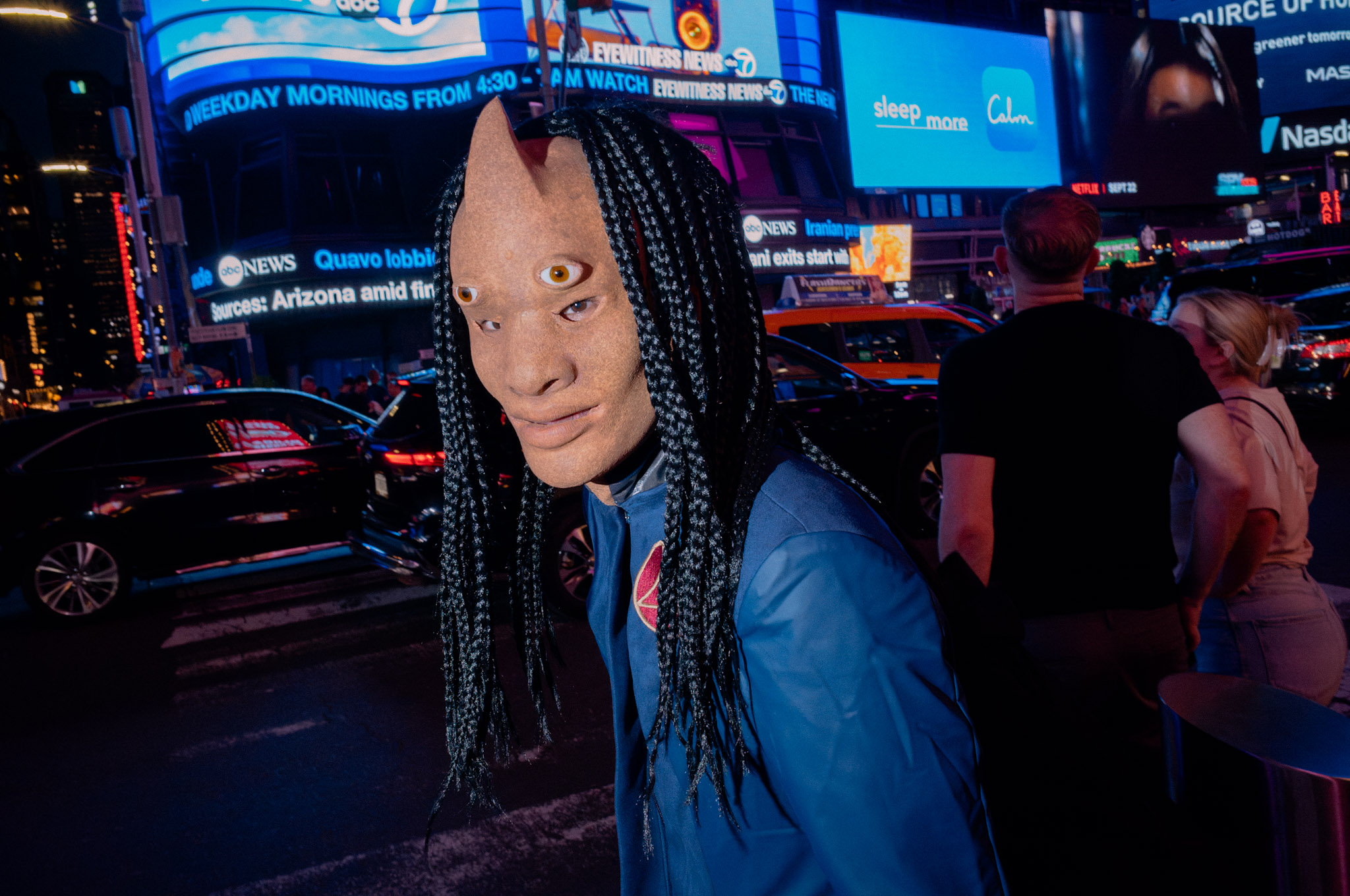
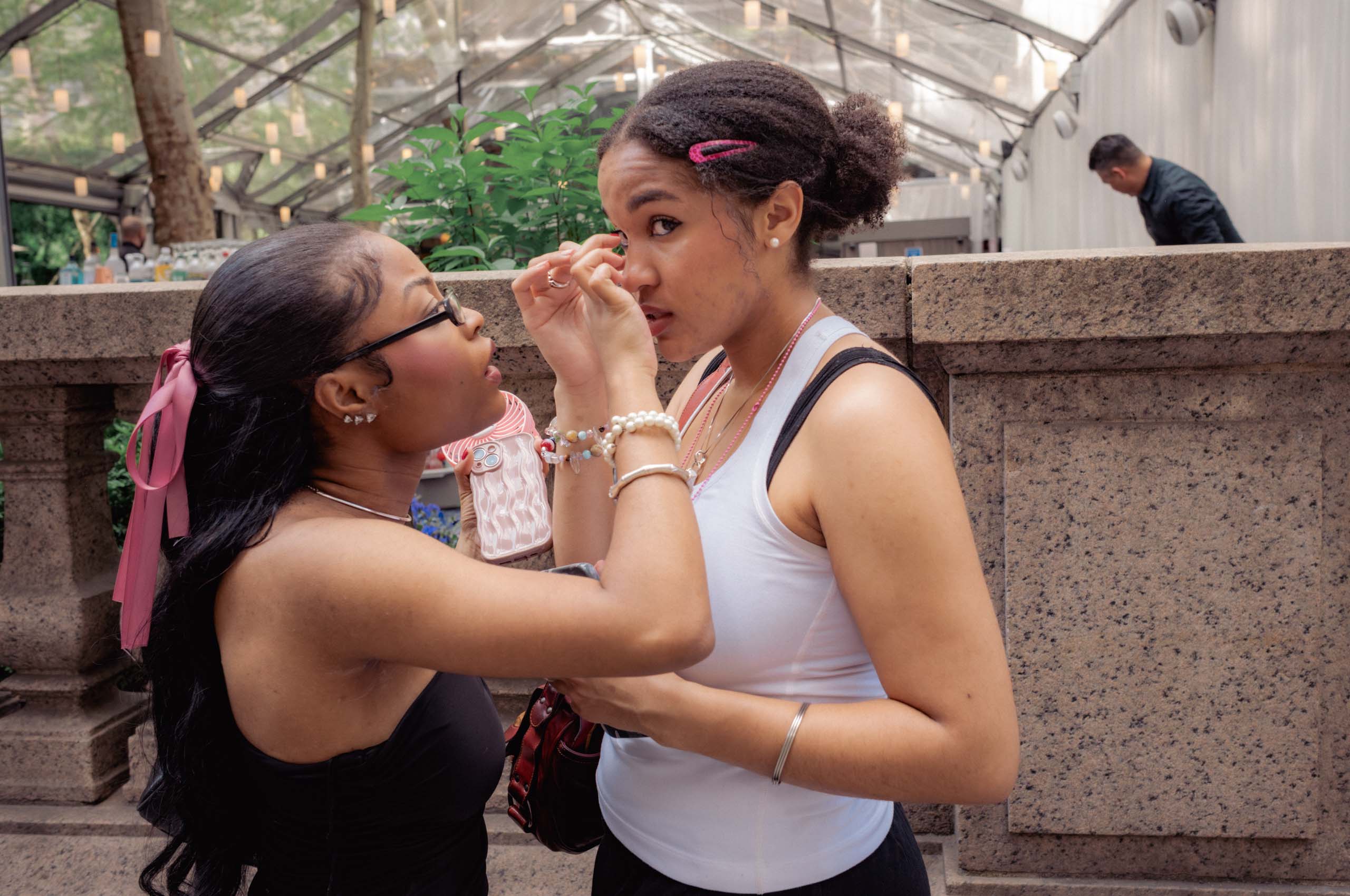
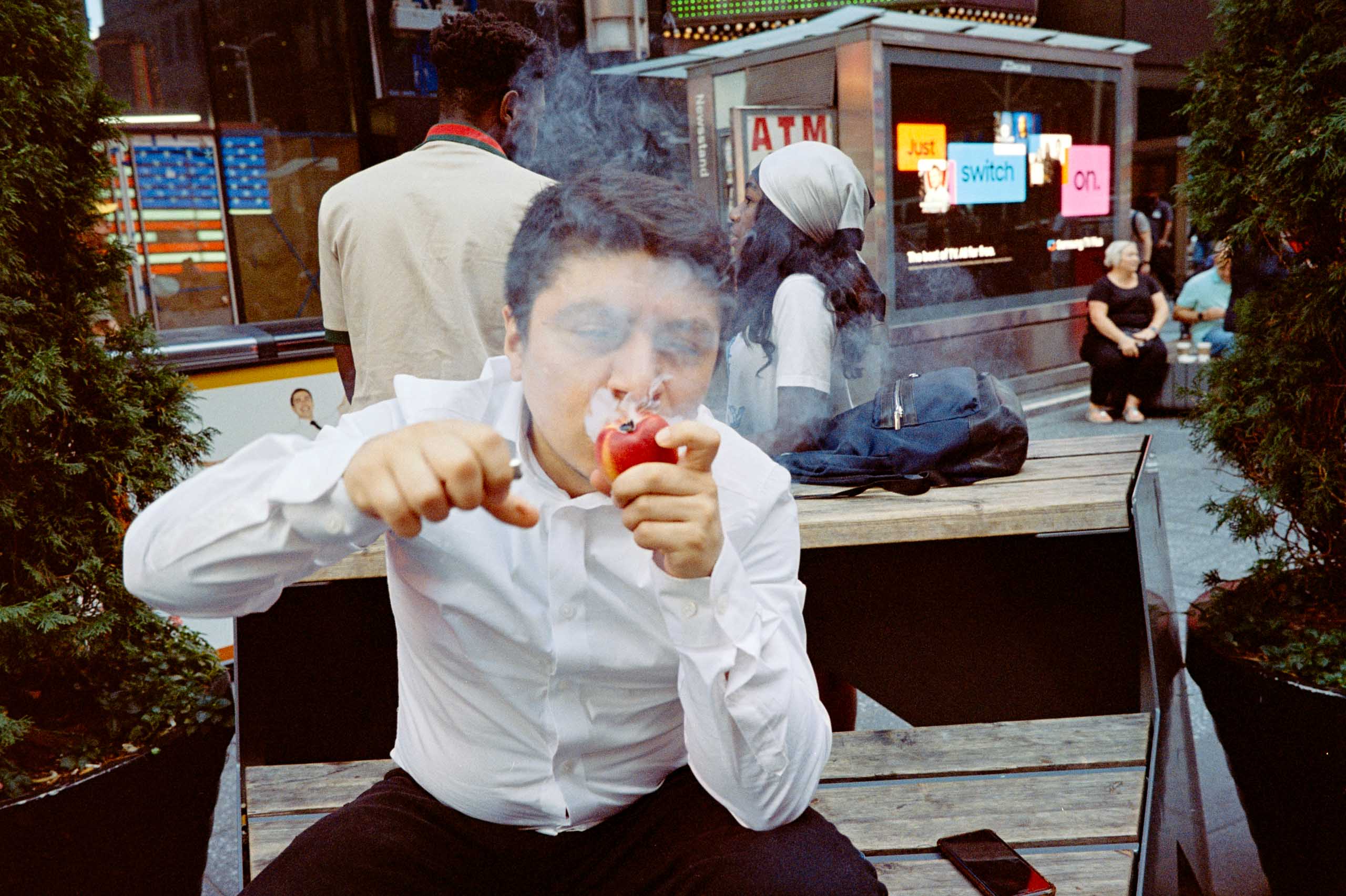
The study takes that instability as its central problem. Rather than treating the gaze as another name for eye contact, it asks how a photograph can disturb the viewer’s sense of occupying a secure position outside what is seen. Looking becomes a relation in which the observer is implicated rather than a neutral act performed from a distance.
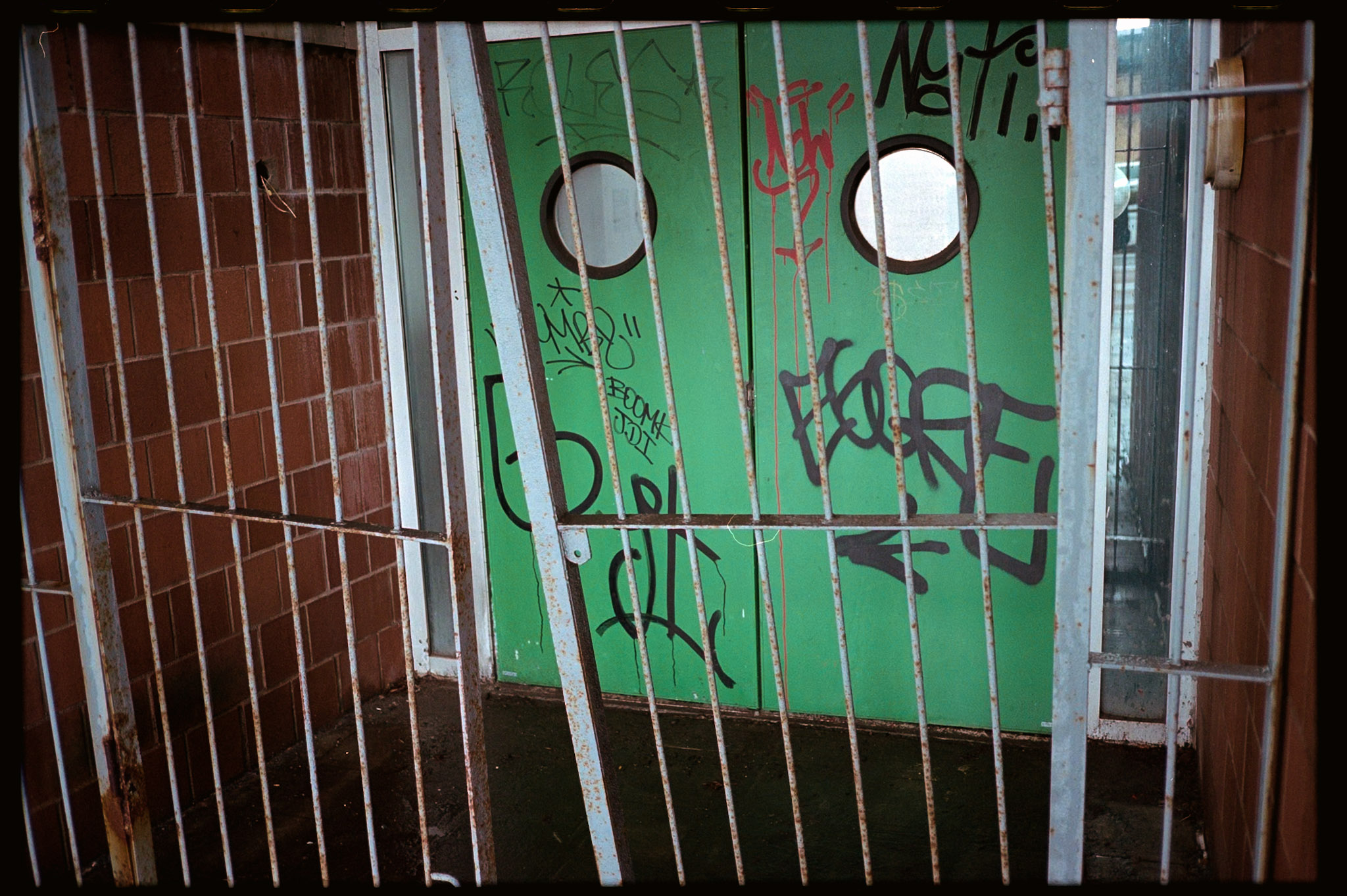
The gaze does not need to belong to a literal pair of eyes. What matters is the possibility of reversal: the point at which a photograph makes looking feel less like possession and more like implication. The picture is no longer simply something we see. It reminds us that visibility is a field we already inhabit.