At Hand
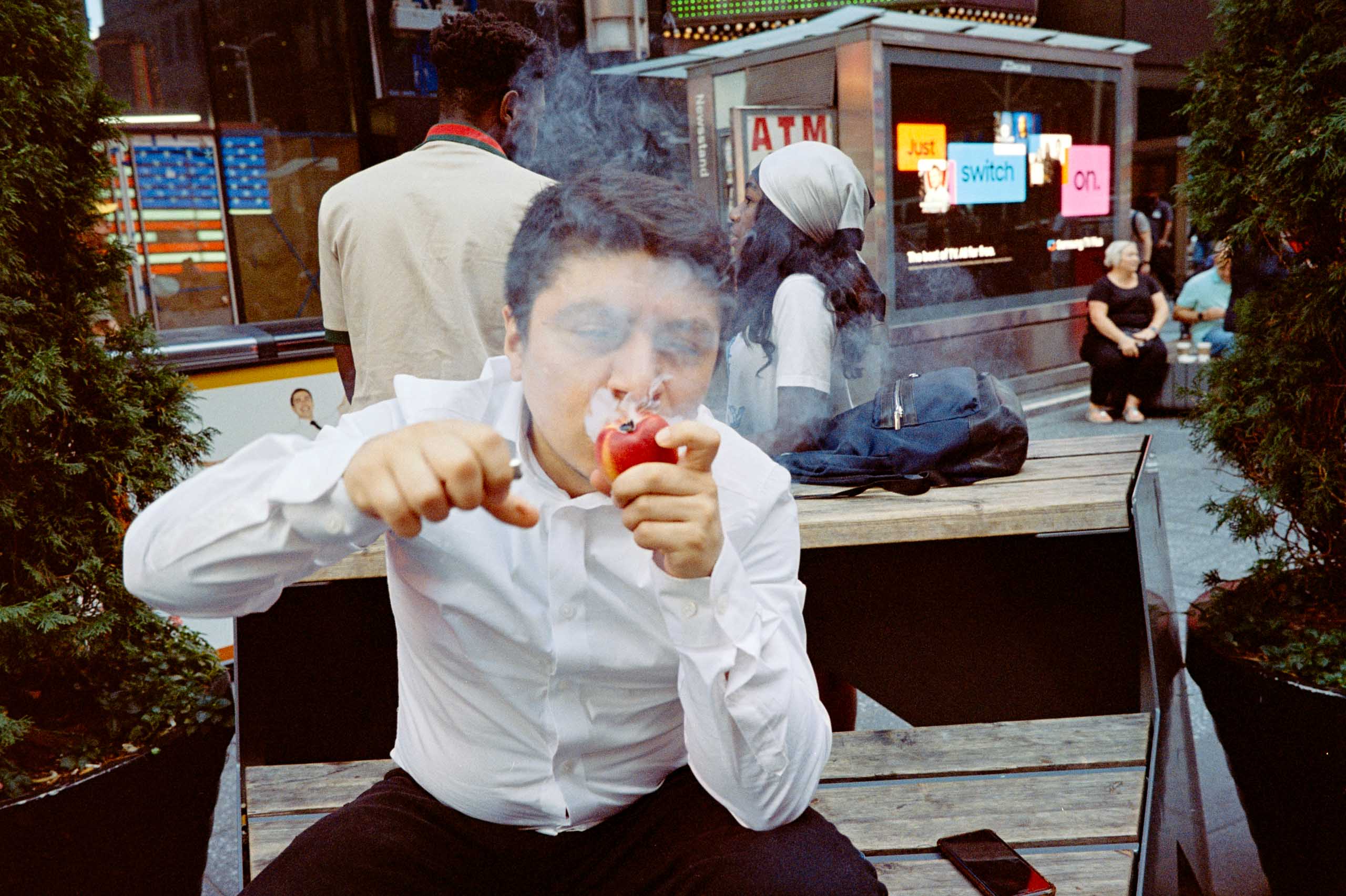
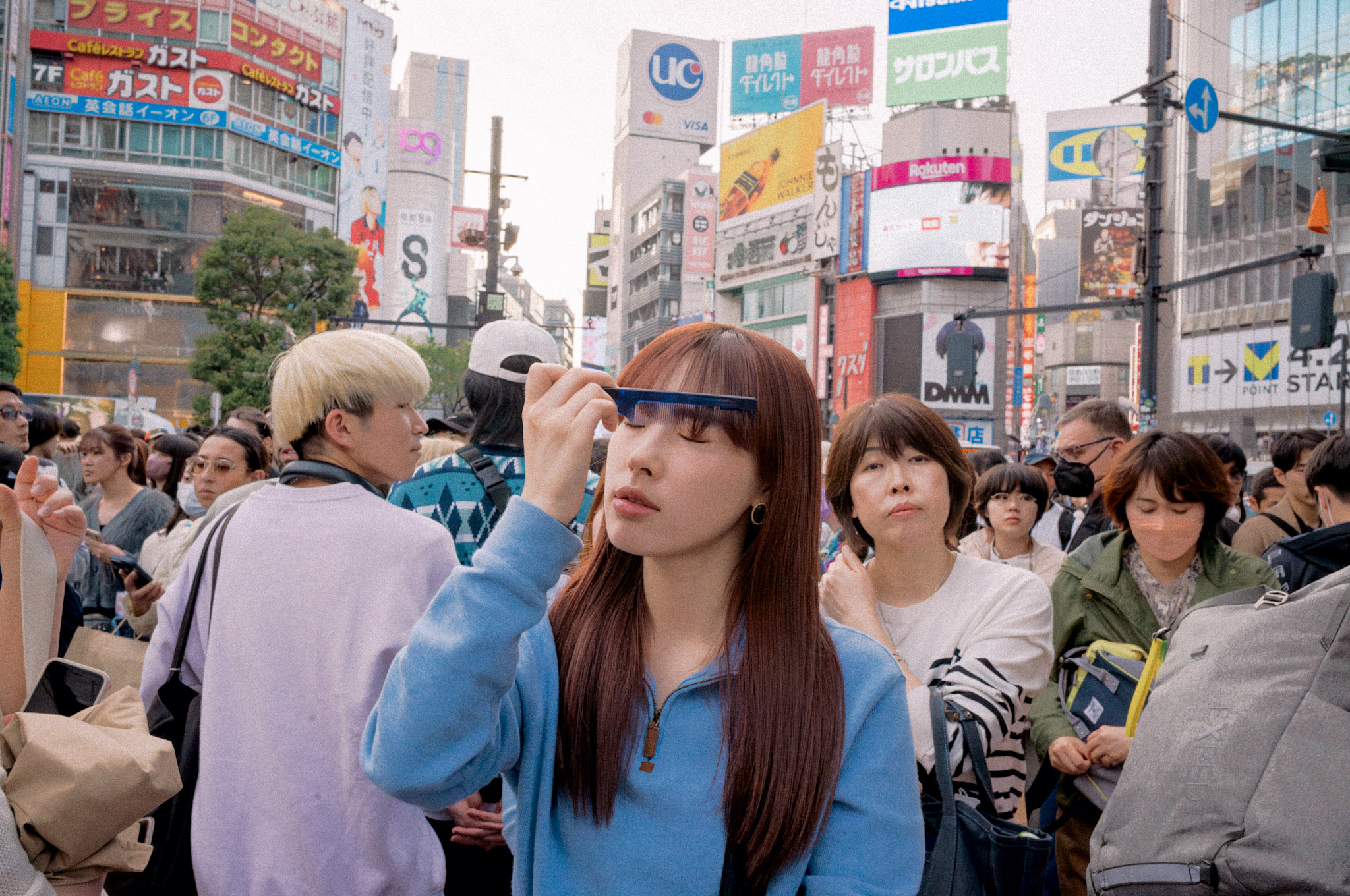
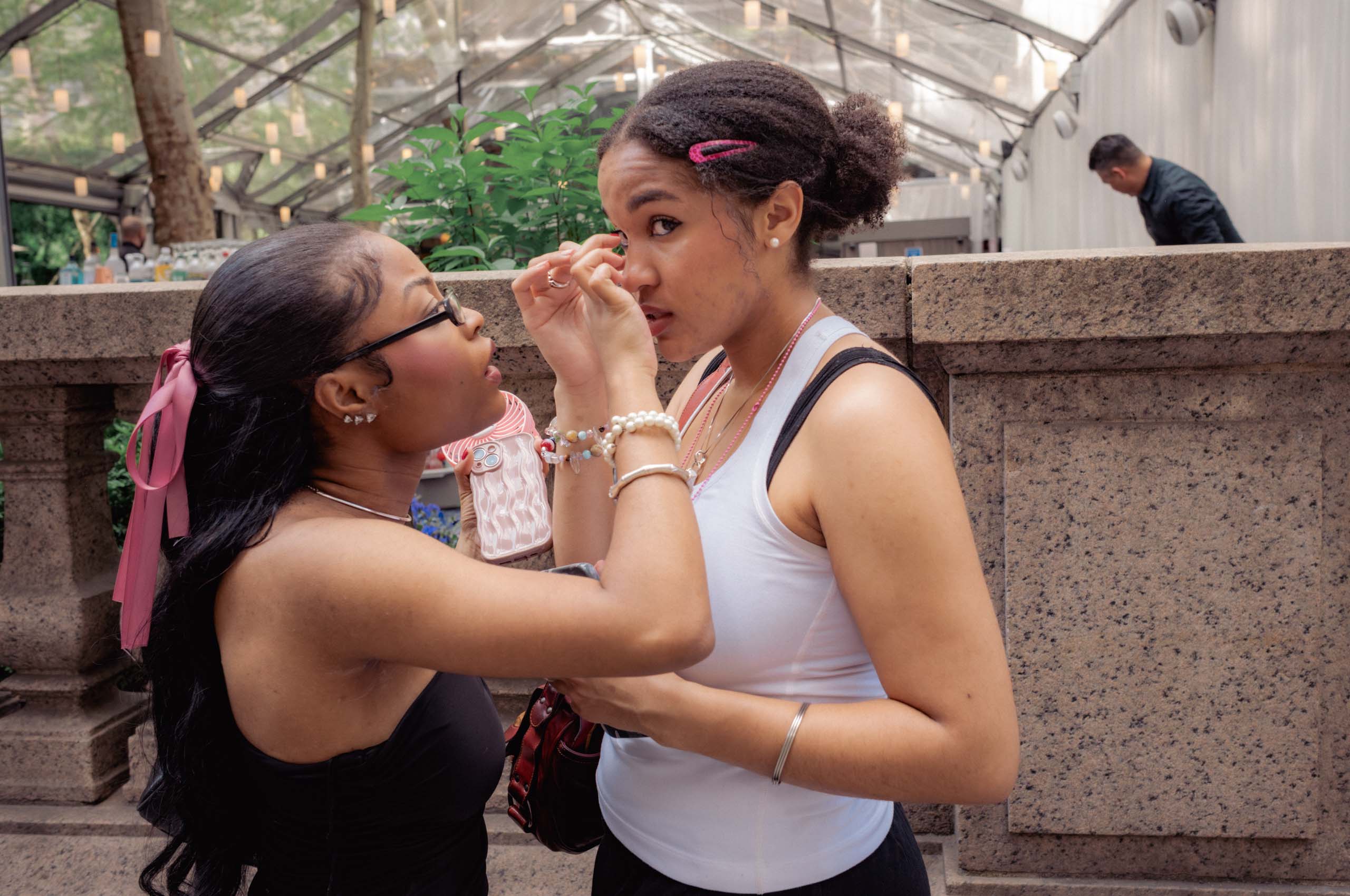
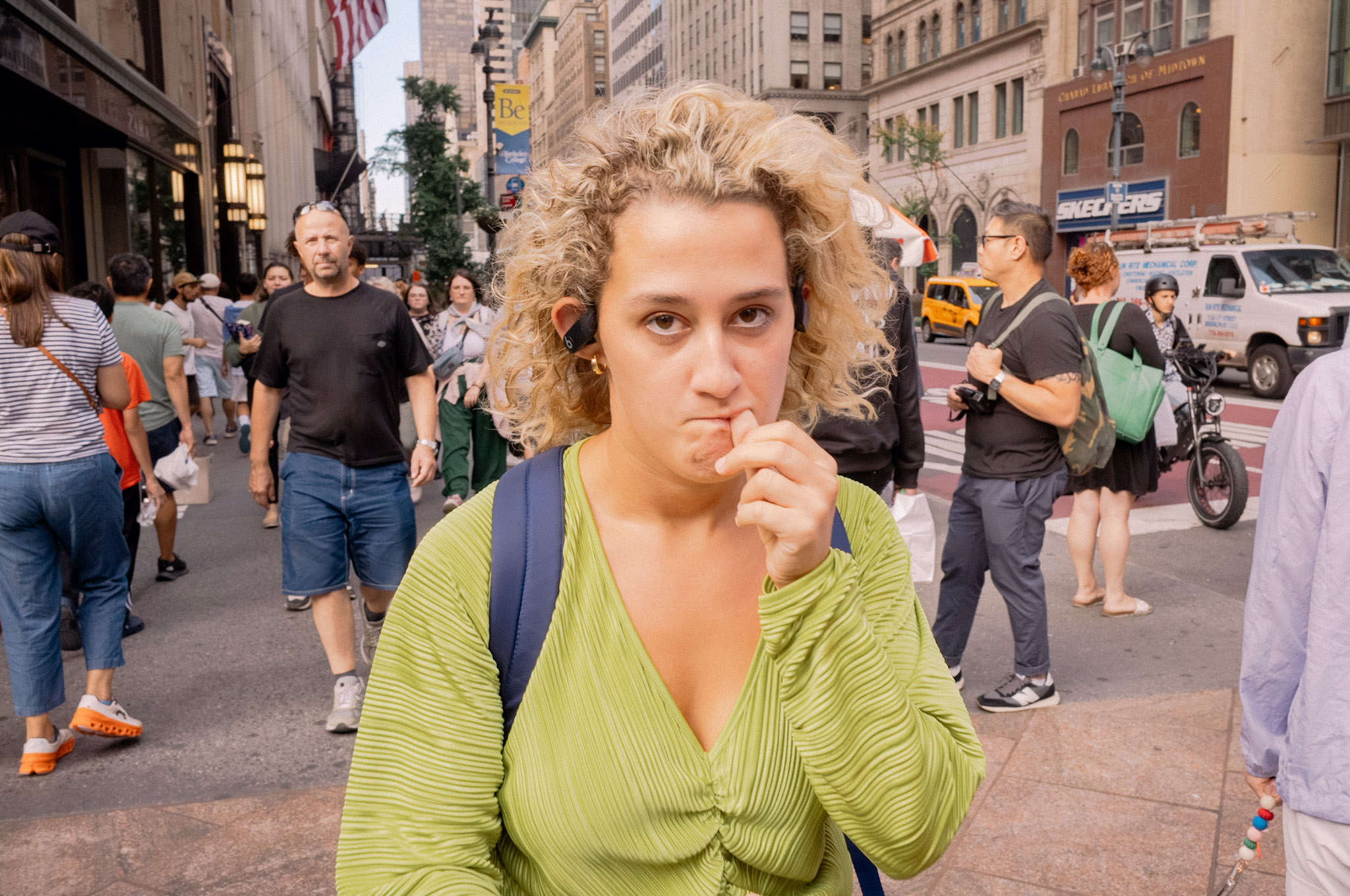
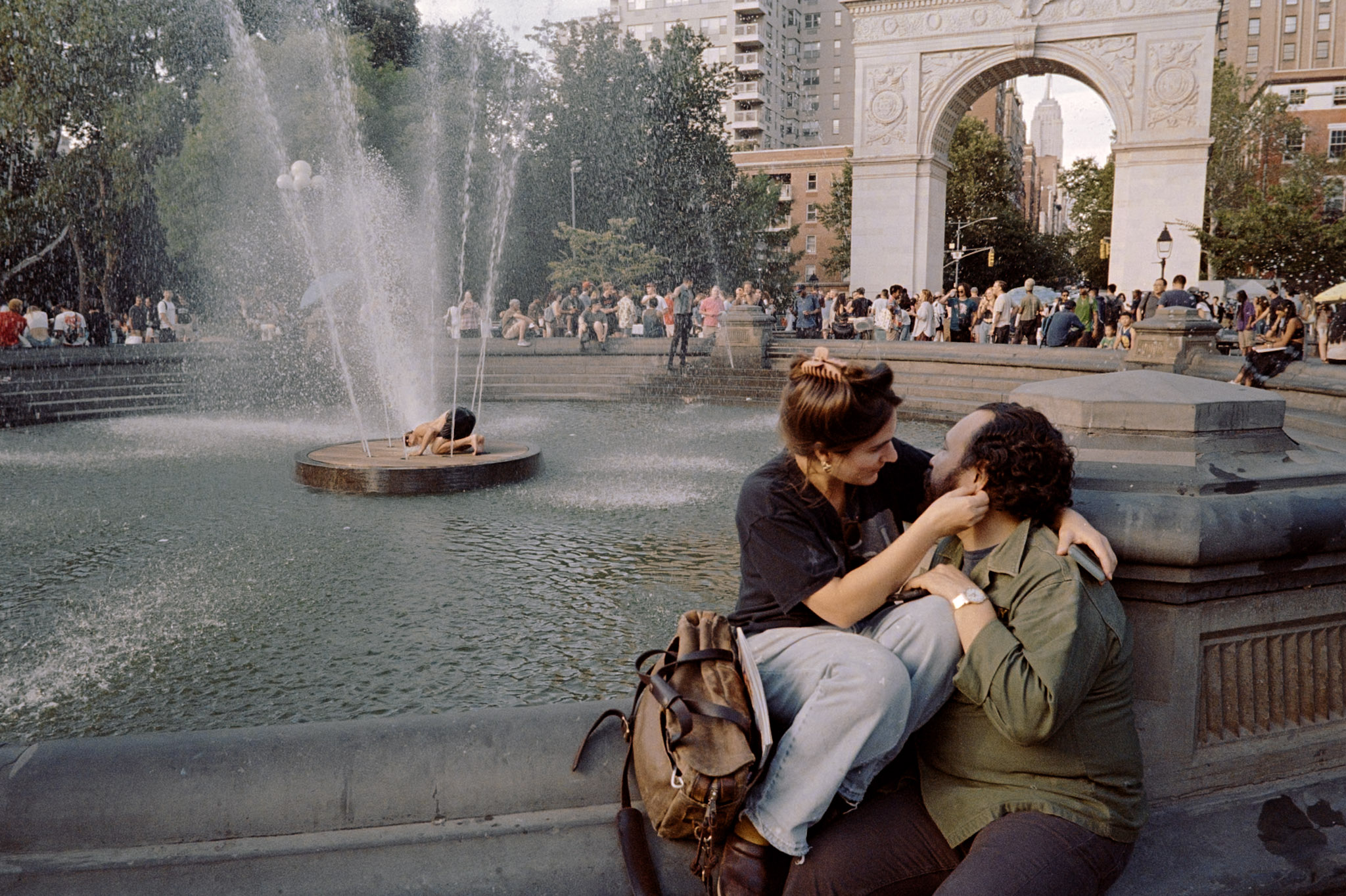
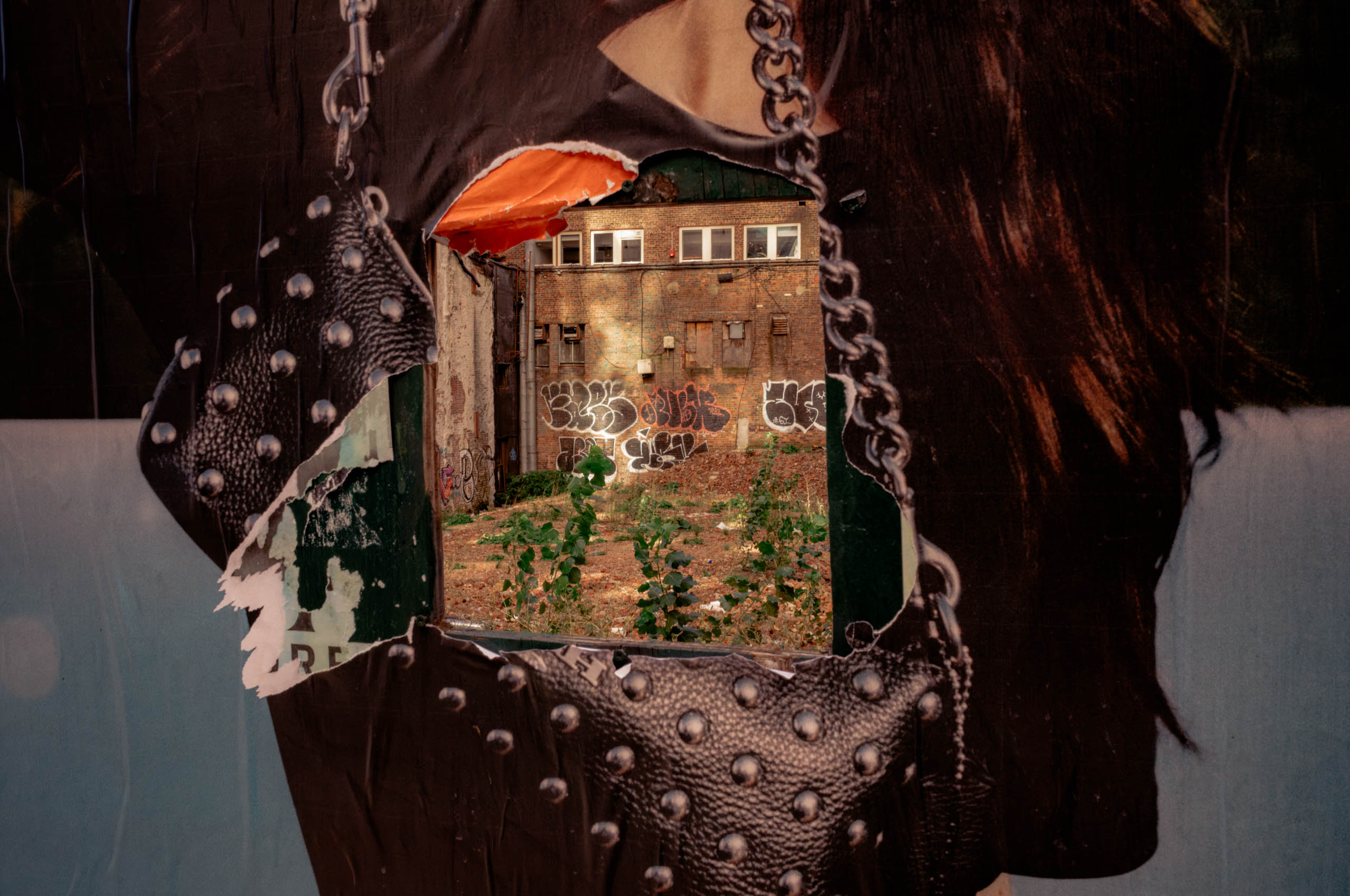
At Hand gathers street photographs in which hands keep asserting themselves, turning a recurring bodily detail into a motif through repetition and sequencing.
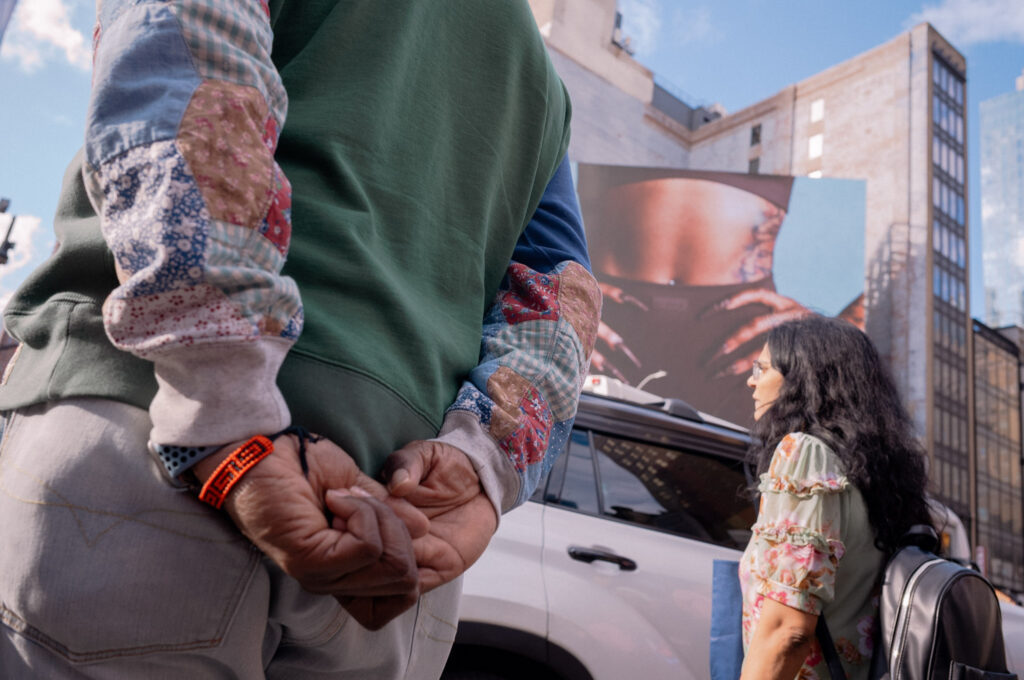
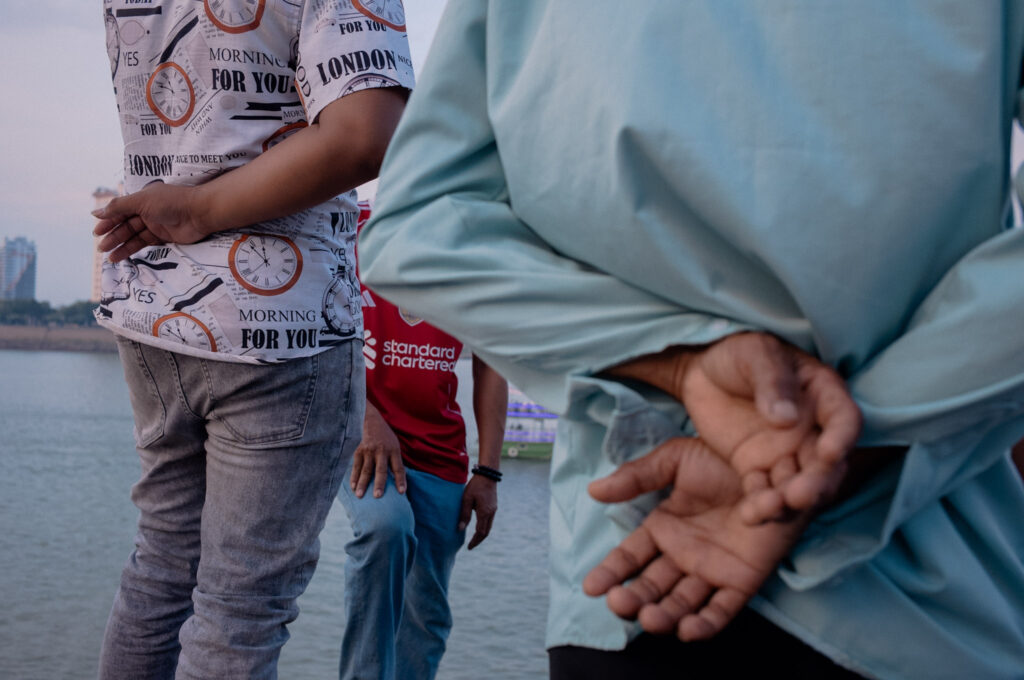
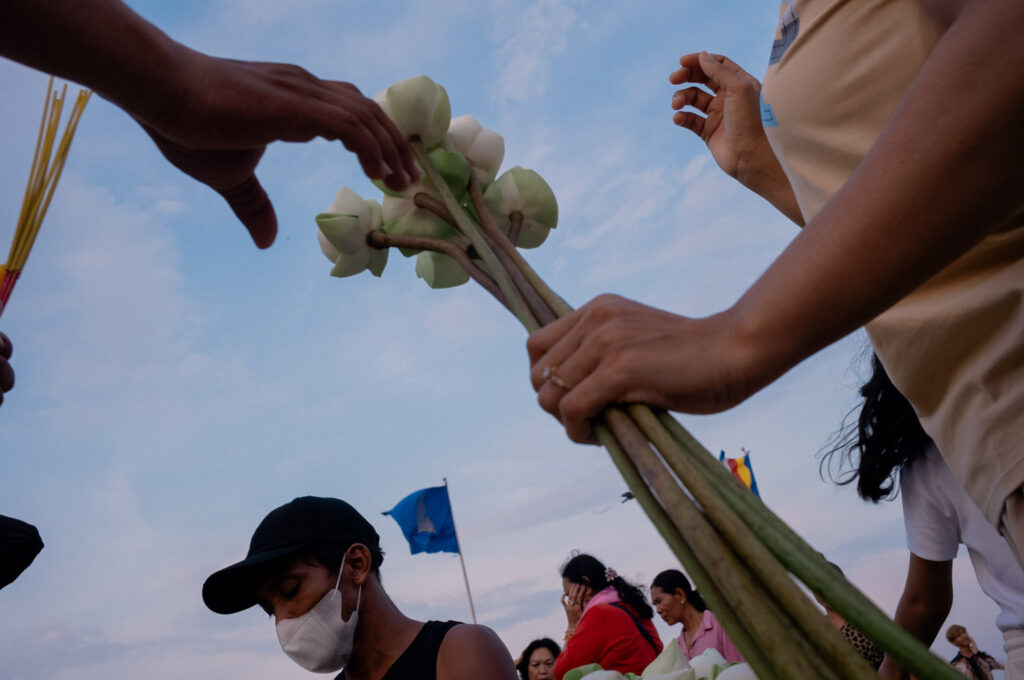
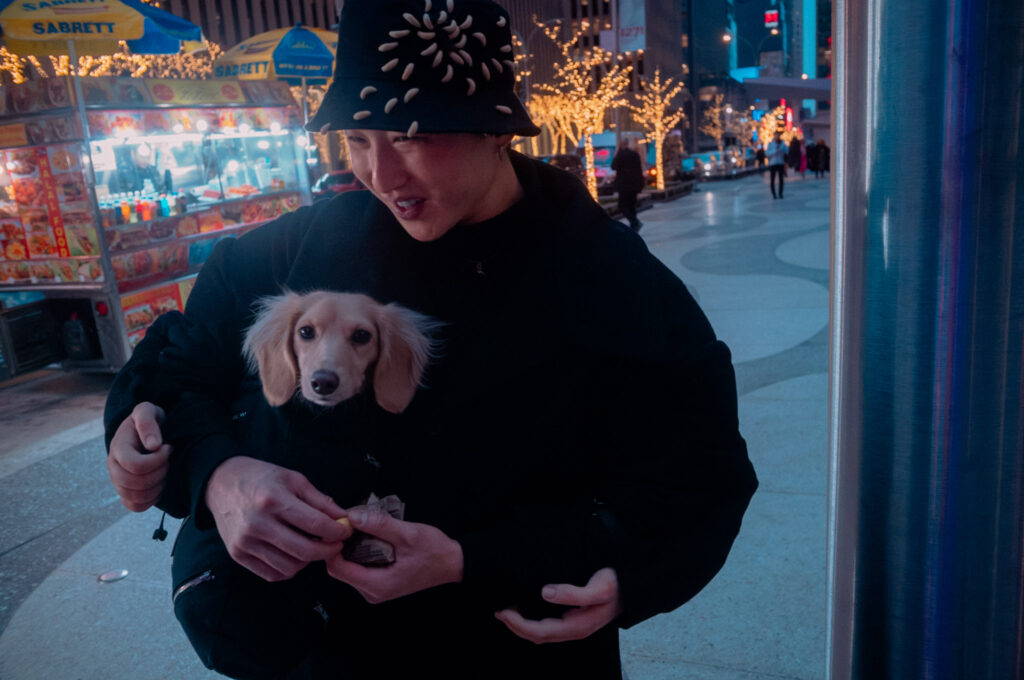
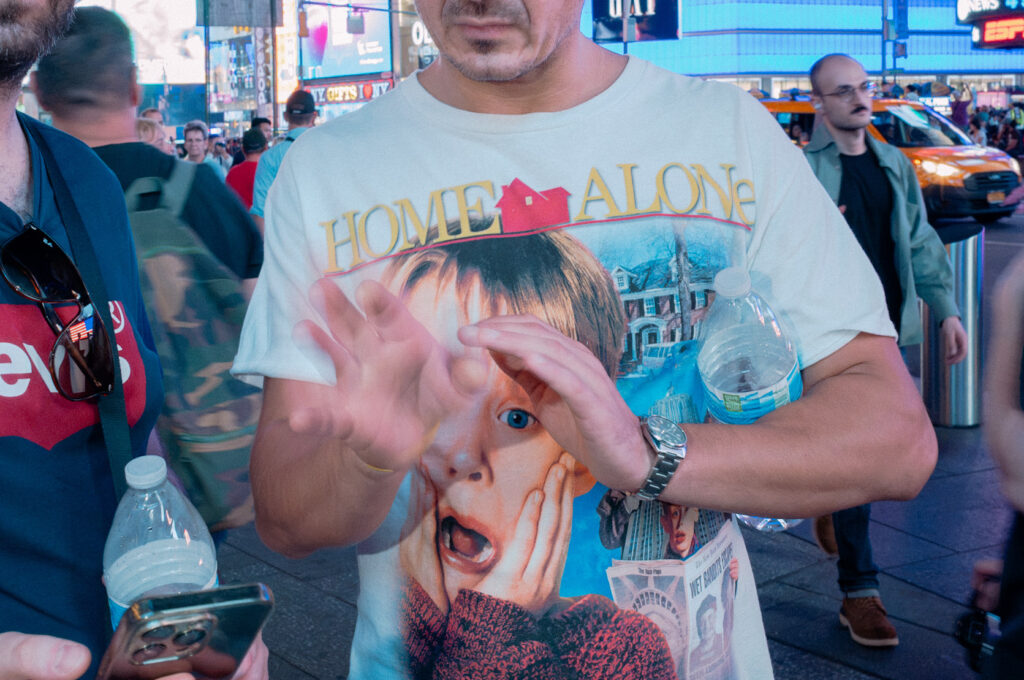
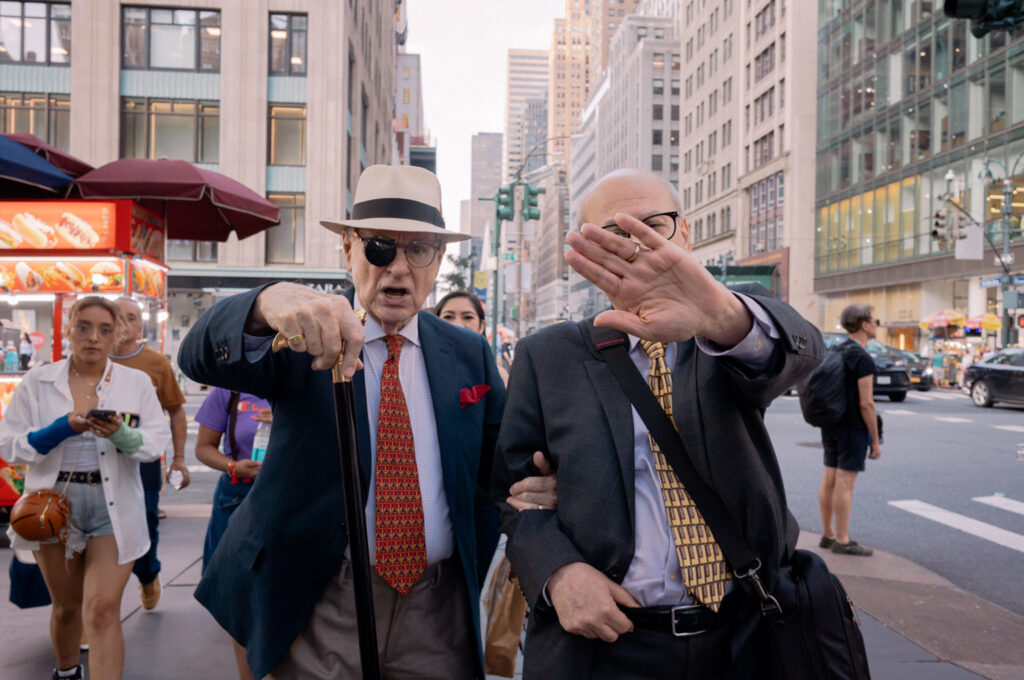
Hands keep turning up in my photographs. Sometimes I photograph them deliberately. Other times I notice them later, when I look back through the work. Bringing those pictures together makes the repetition visible without making the gestures mean the same thing.
Repetition changes the status of the hand in the photographs. In one frame it can remain incidental. Across the sequence it begins to insist on itself. Sequencing makes that recurrence visible without making the gestures equivalent. The photographs remain distinct, but the motif becomes harder to ignore.
The edit also changes how the photographs are read. Once the hand becomes the thread between them, details that first seemed secondary start to carry more weight, and the viewer begins to anticipate another appearance. At Hand stays with that shift in attention: between what was encountered in the street and what becomes visible only through repetition.