Subframe Street
Layered boundaries forming a visual exploration of how we perceive and interpret space.

Financial District, New York City. 2023.

Coney Island, New York City. 2025.

Coney Island, New York City. 2025.
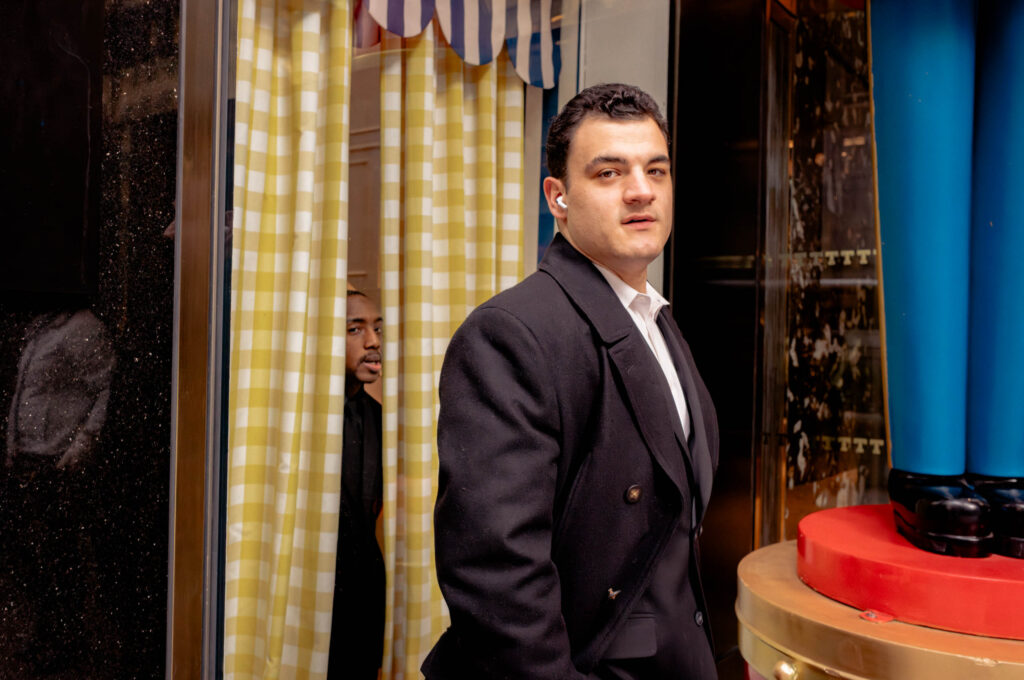
Midtown Manhattan, New York City. 2023.
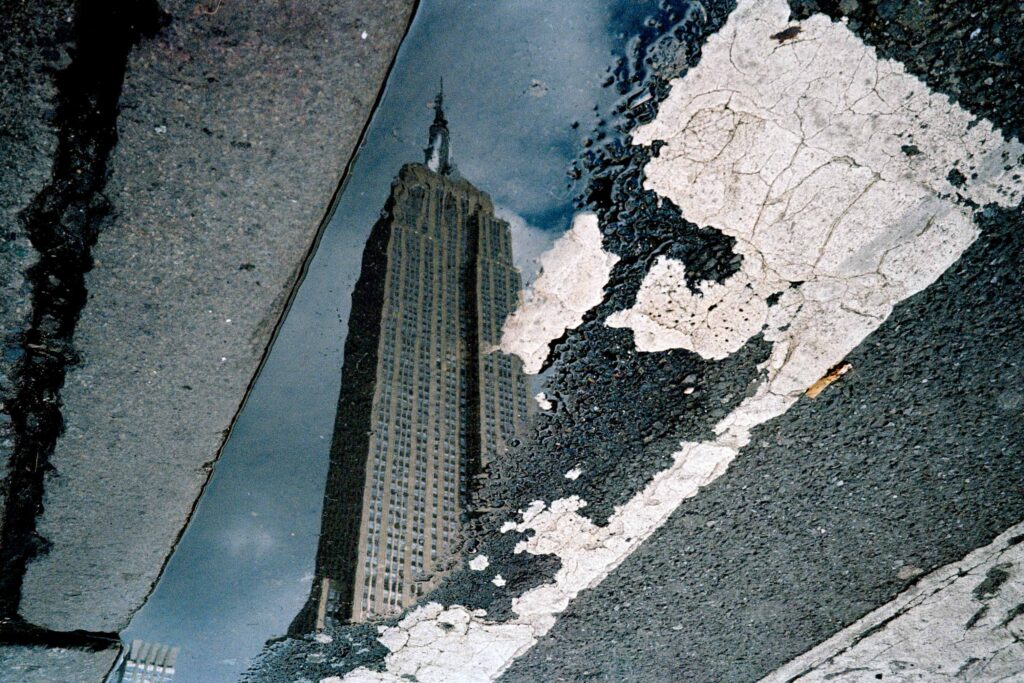
Midtown Manhattan, New York City. 2022.
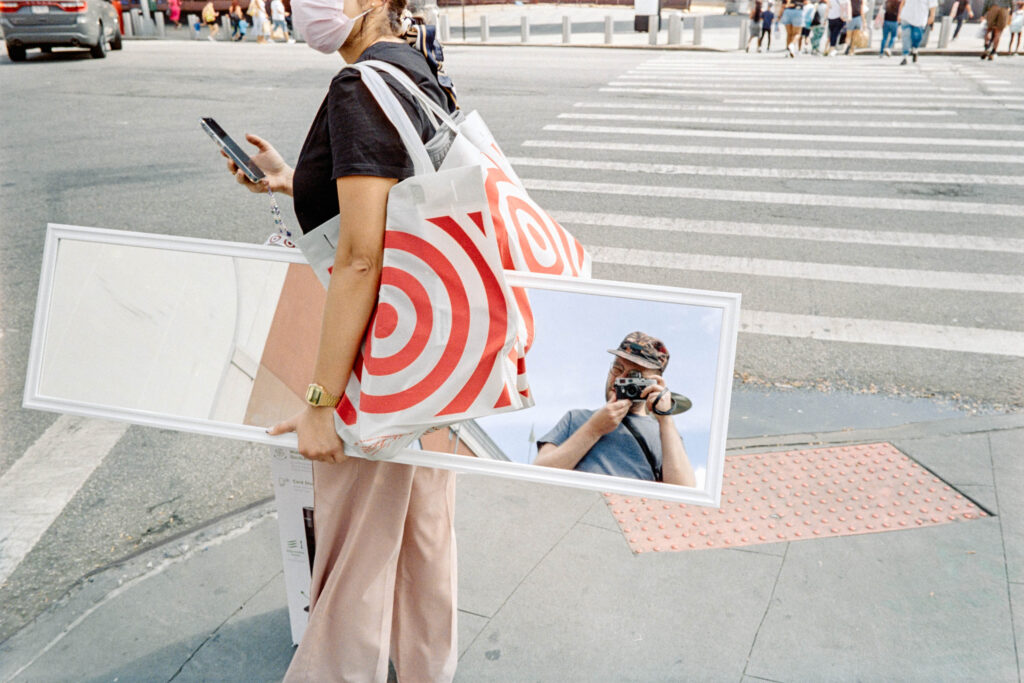
Brooklyn, New York City. 2022.
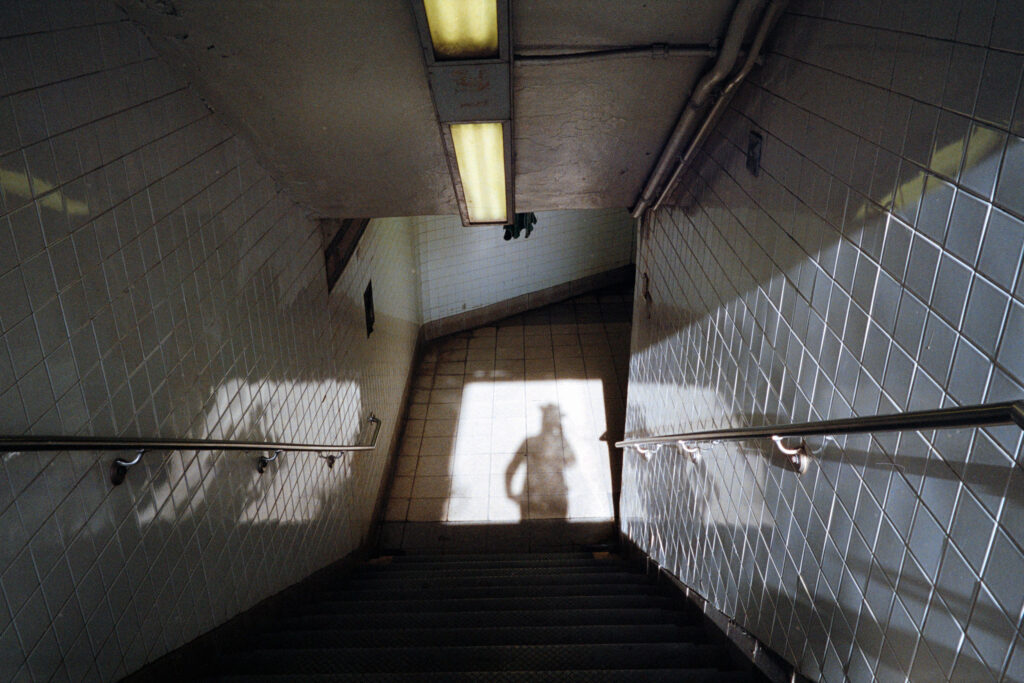
Brooklyn, New York City. 2022.
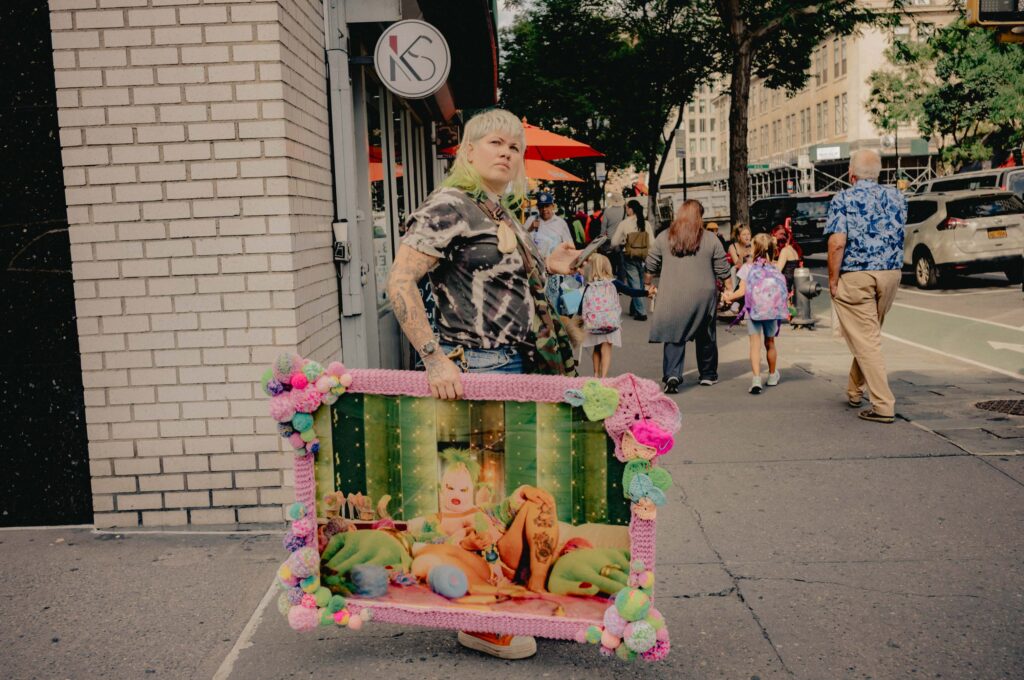
Chelsea, New York City. 2024.
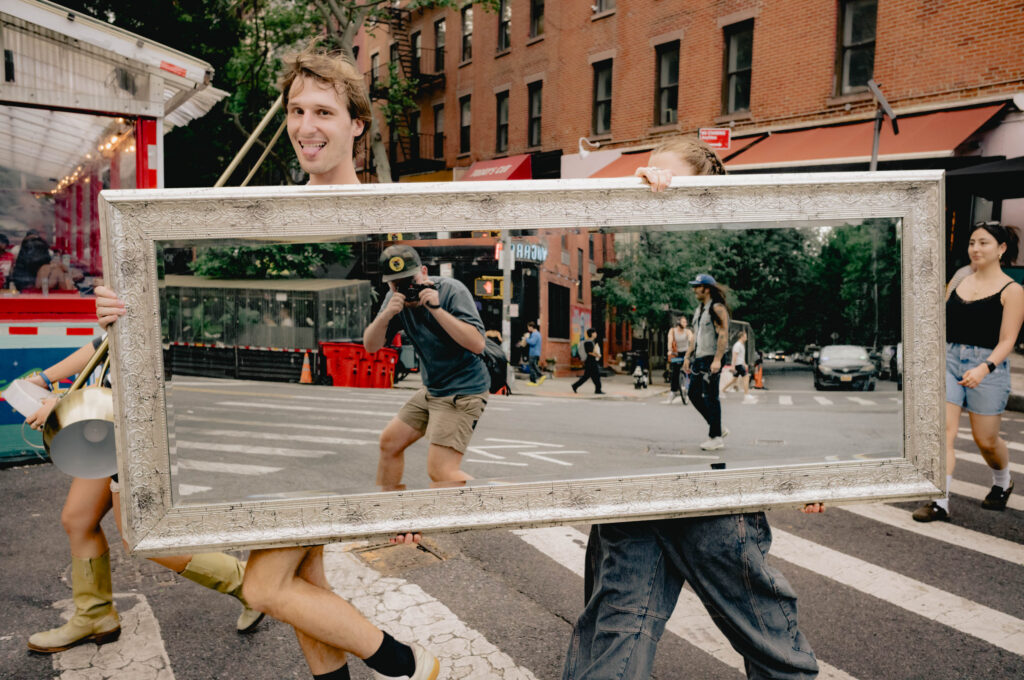
Alphabet City, New York City. 2024.
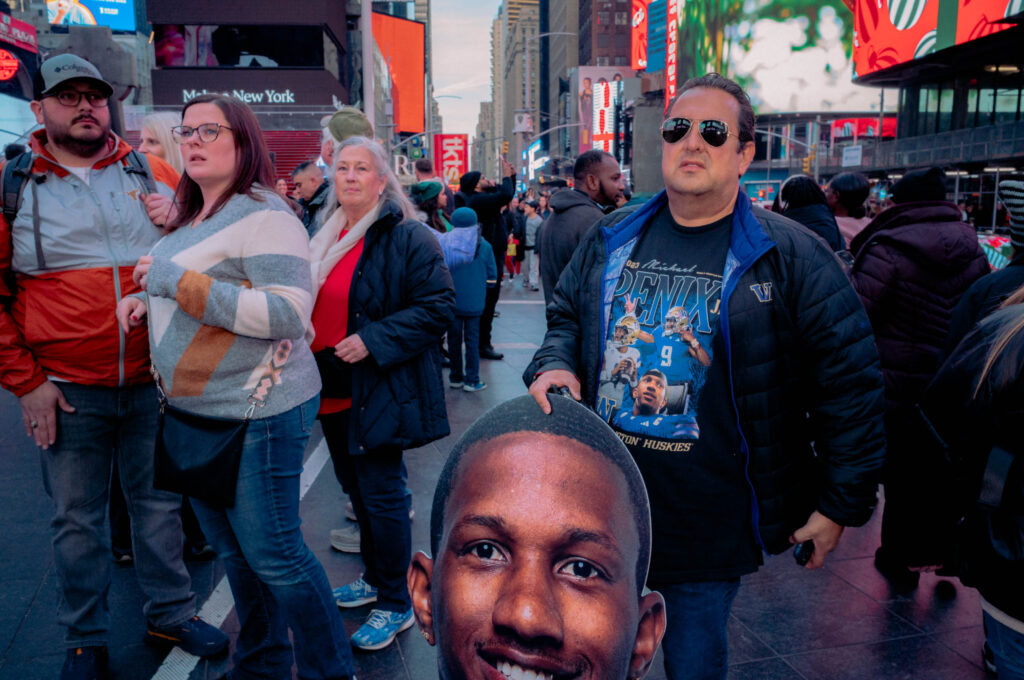
Times Square, New York City. 2023.
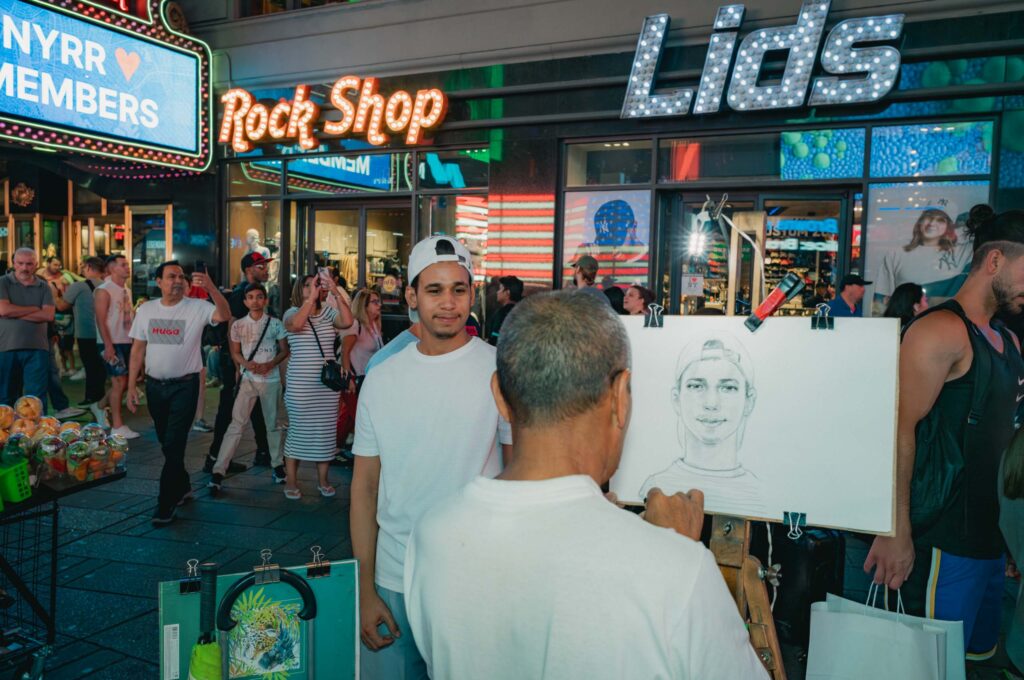
Times Square, New York City. 2024.
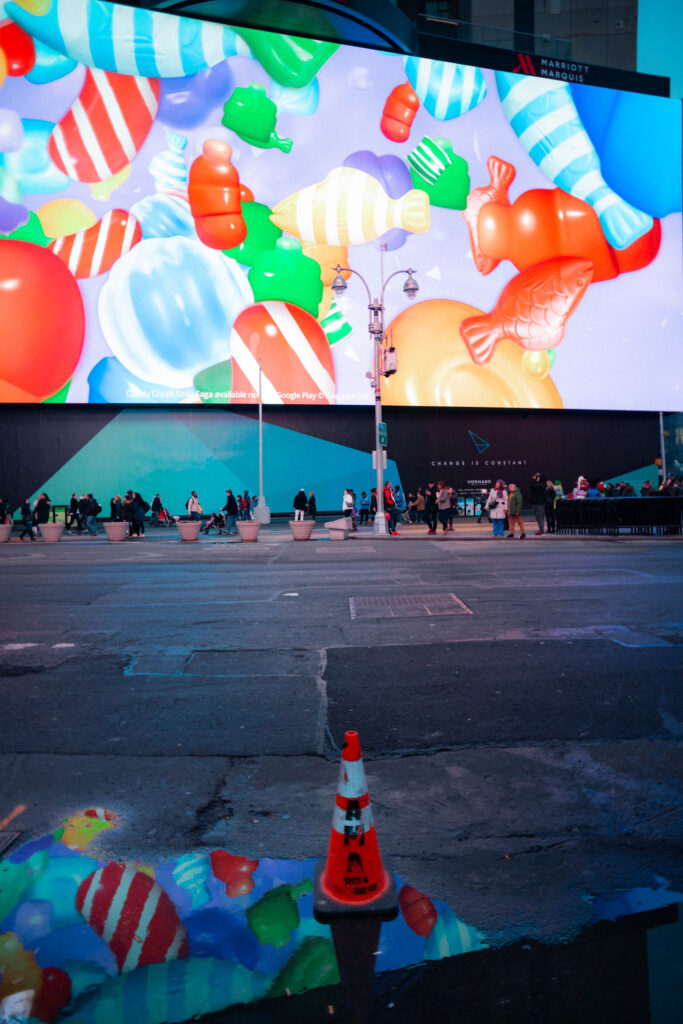
Times Square, New York City. 2015.

Times Square, New York City. 2024.
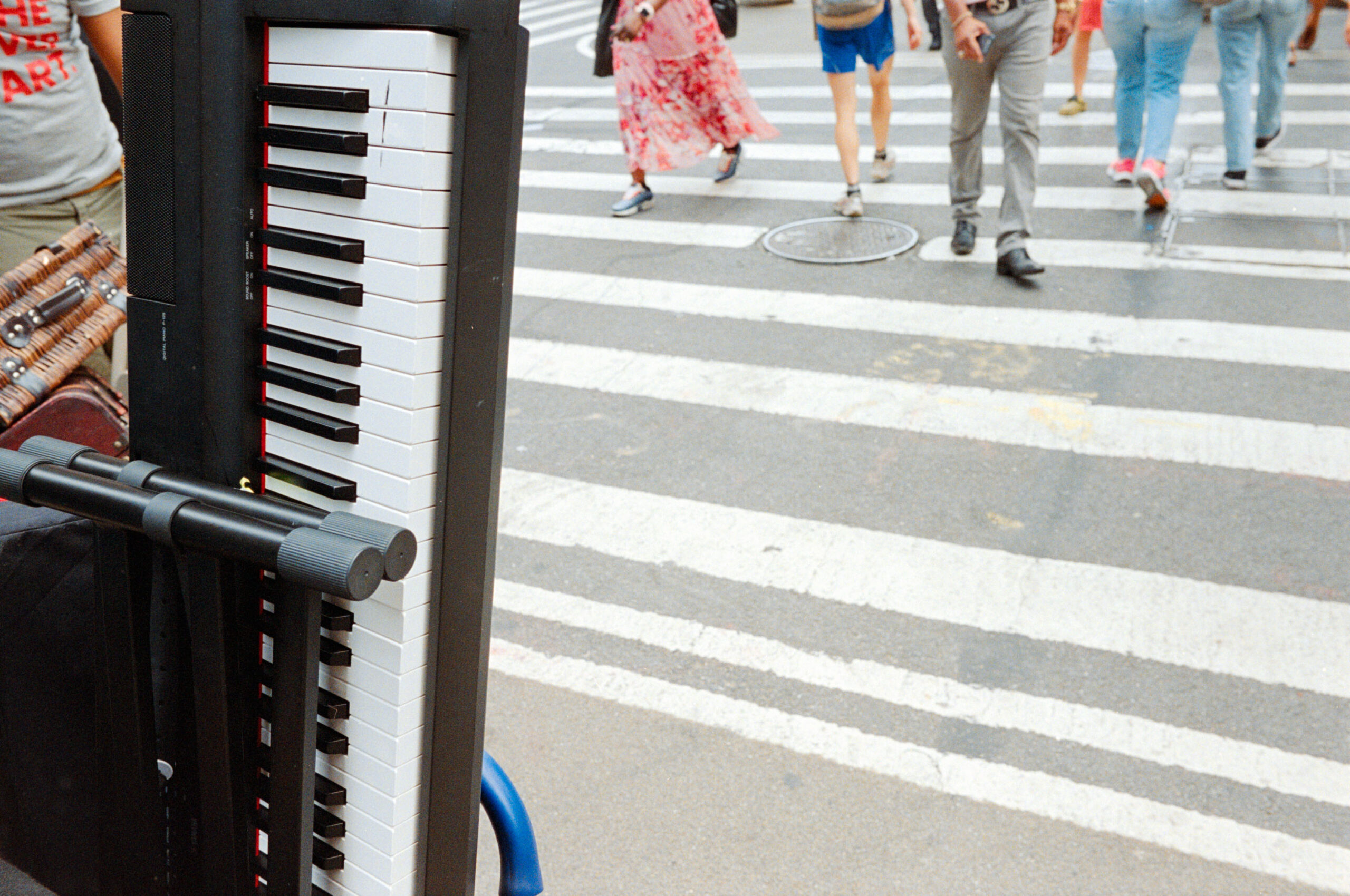
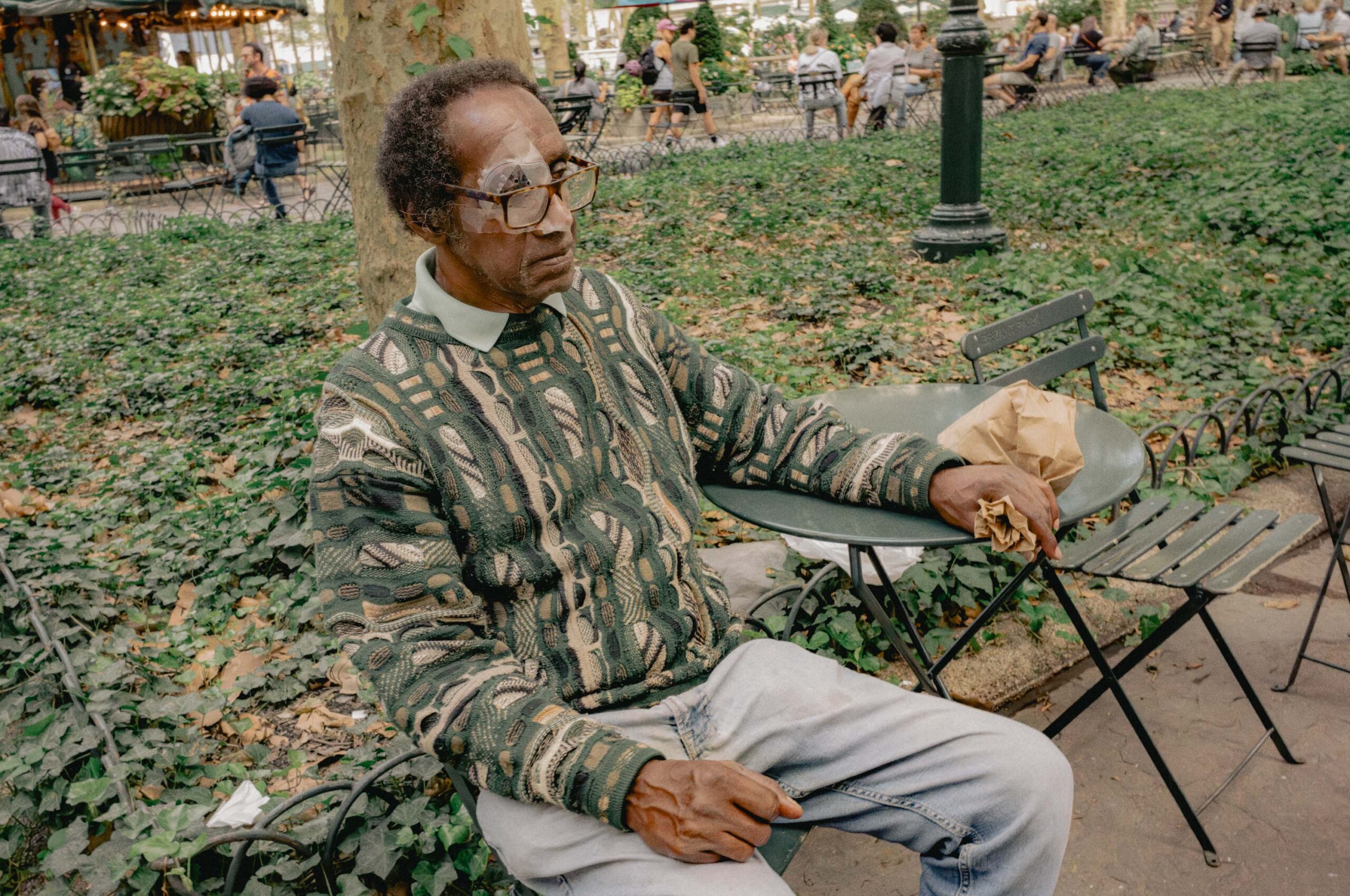
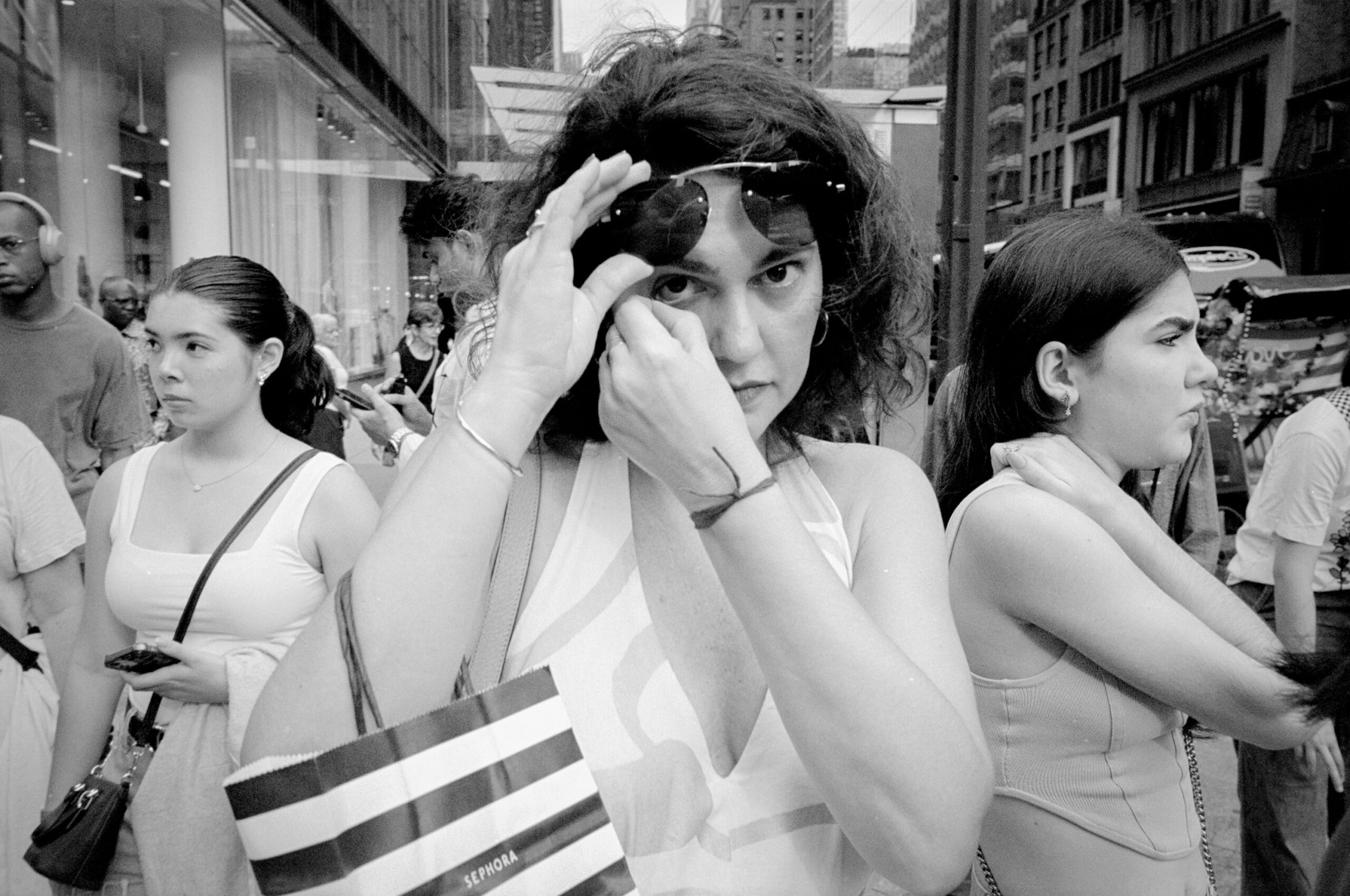
Subframe Street looks for frames inside the frame: doorways, windows, mirrors, railings and obstructions that divide the visual field before a photograph is made.
Space is never encountered whole. The eye receives openings, overlaps and partial views, then assembles them into a coherent place. Architecture guides that process by deciding what is revealed, separated or withheld.
The photographs make those ready-made boundaries visible. Each image becomes an outer frame containing smaller thresholds, compressing depth into layers and showing perception as an active negotiation with the structures already organizing the view.