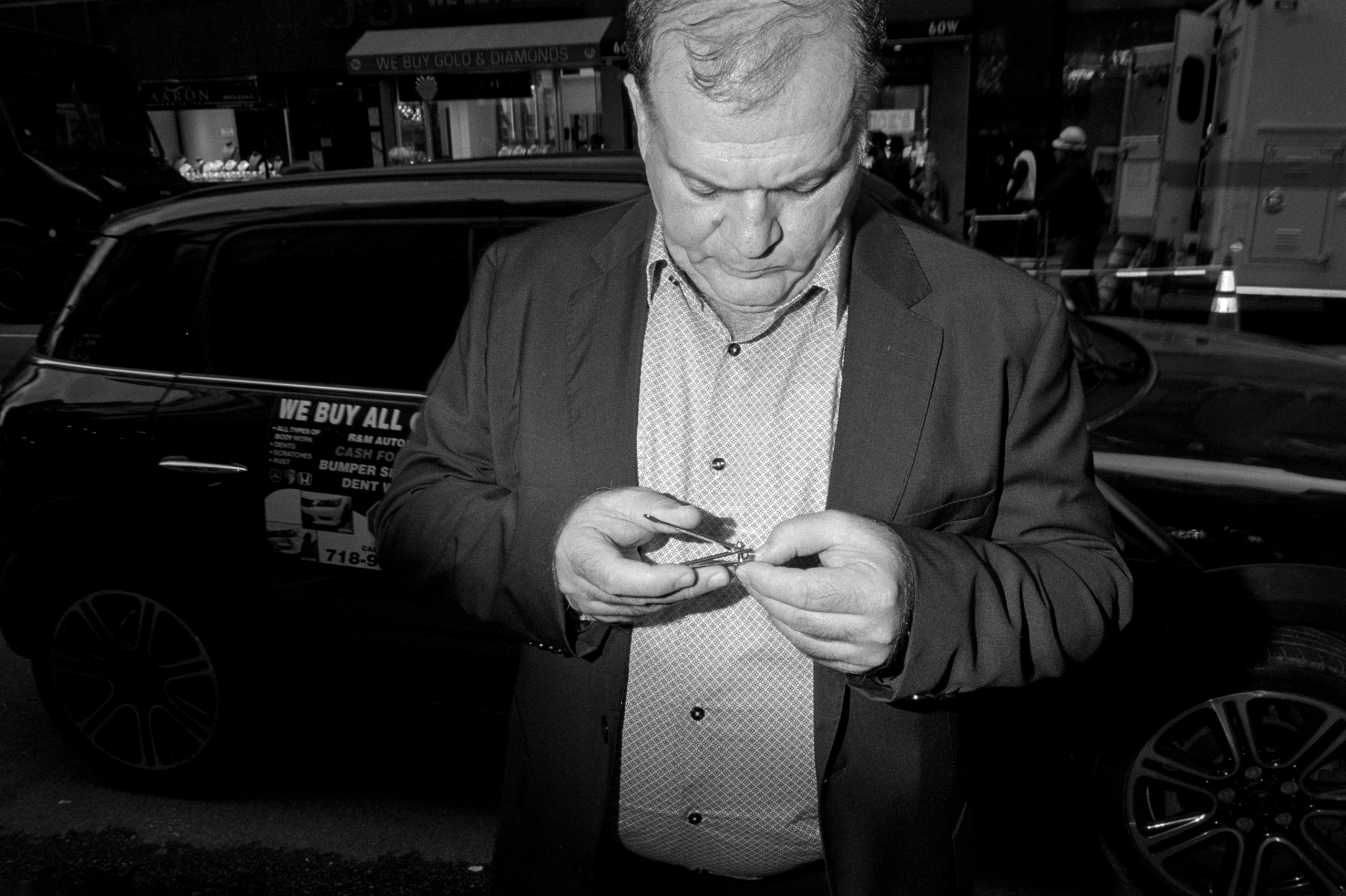
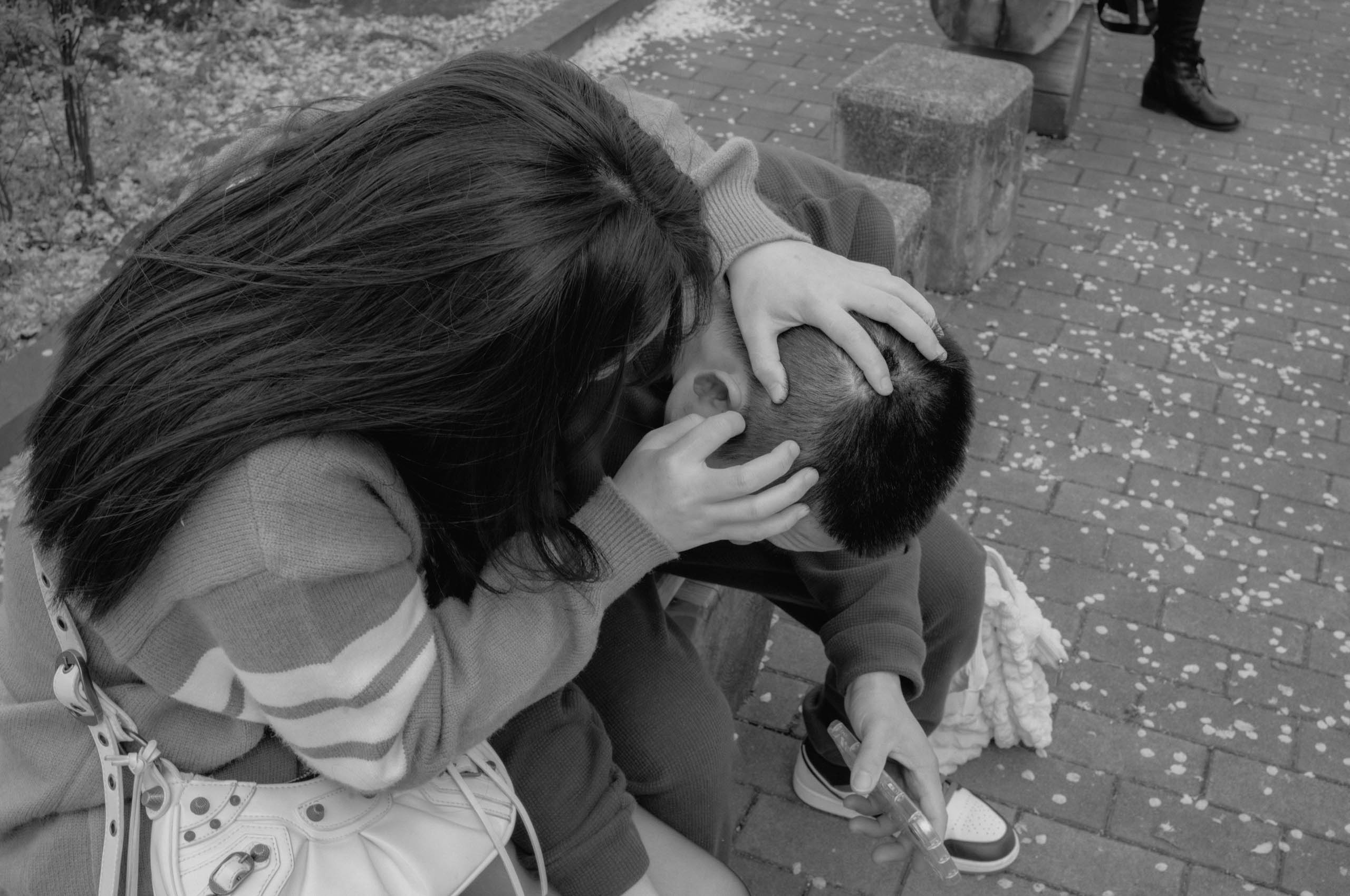
The Proselytizer
Religious conviction, spirituality, and ritual revealed in the urban landscape.
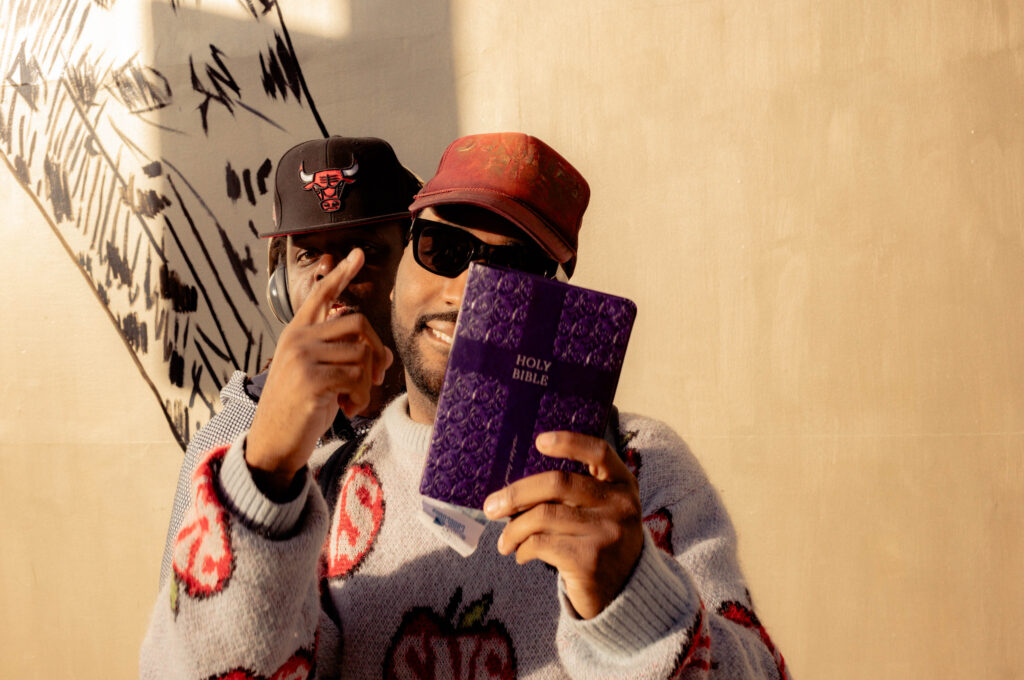
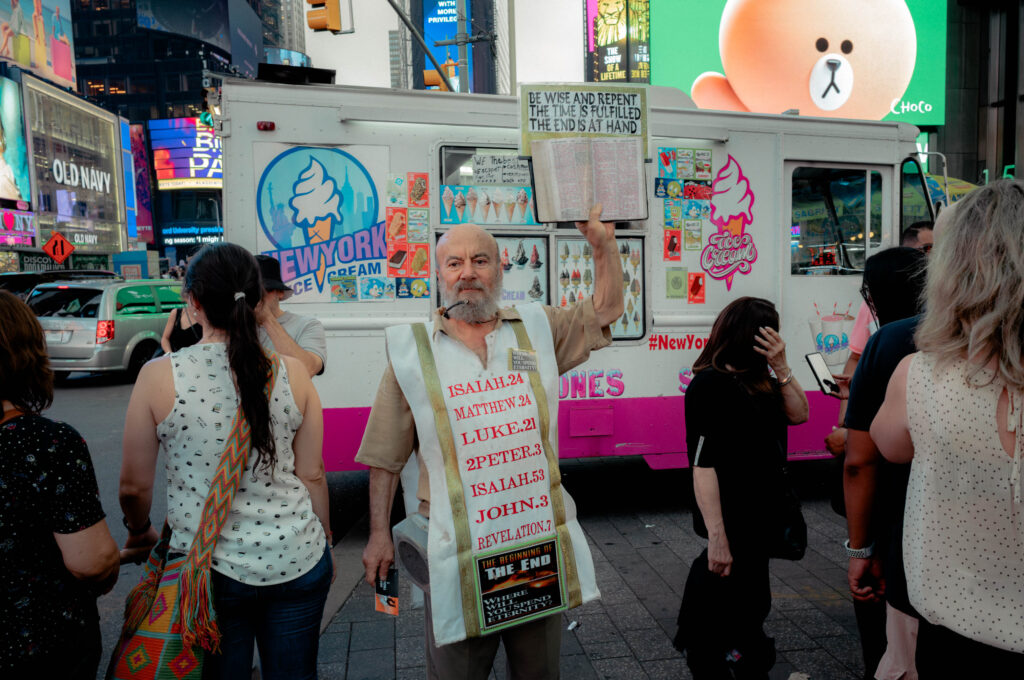
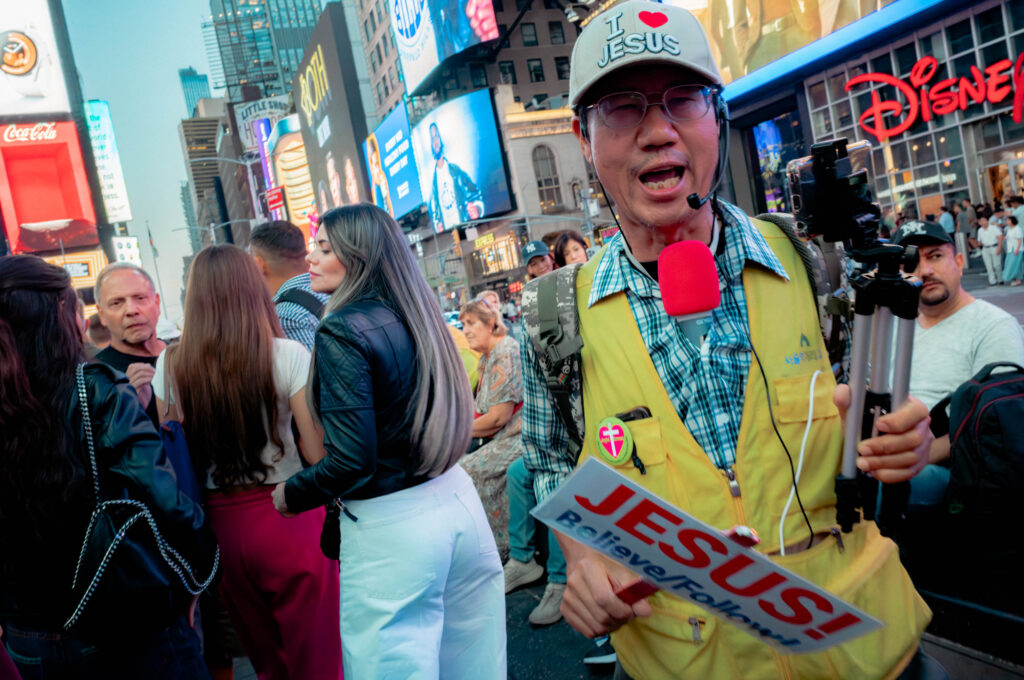
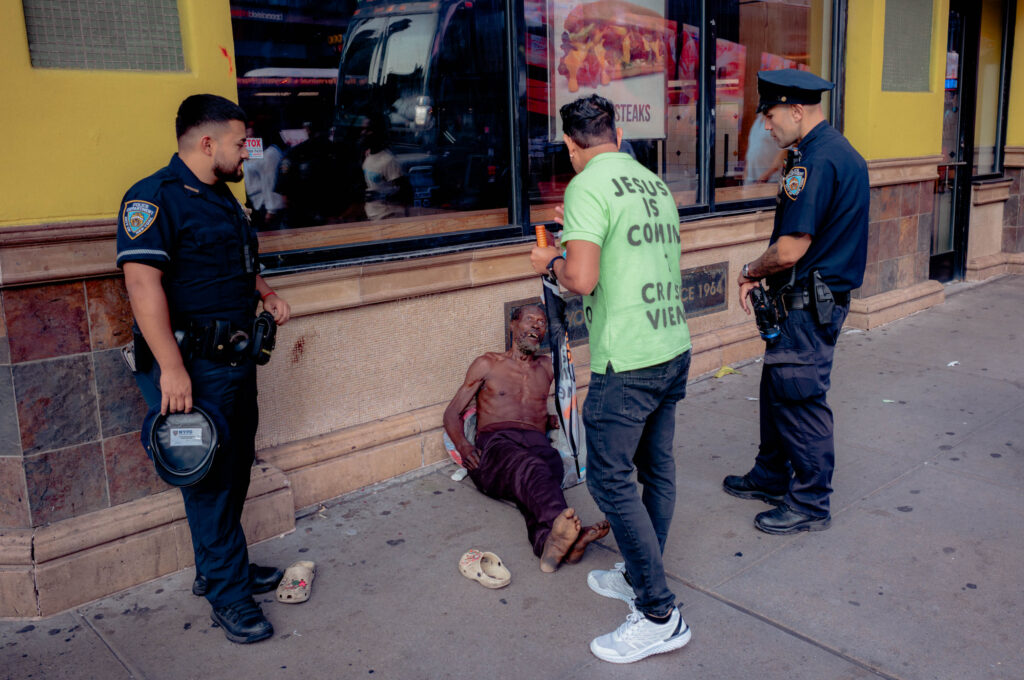
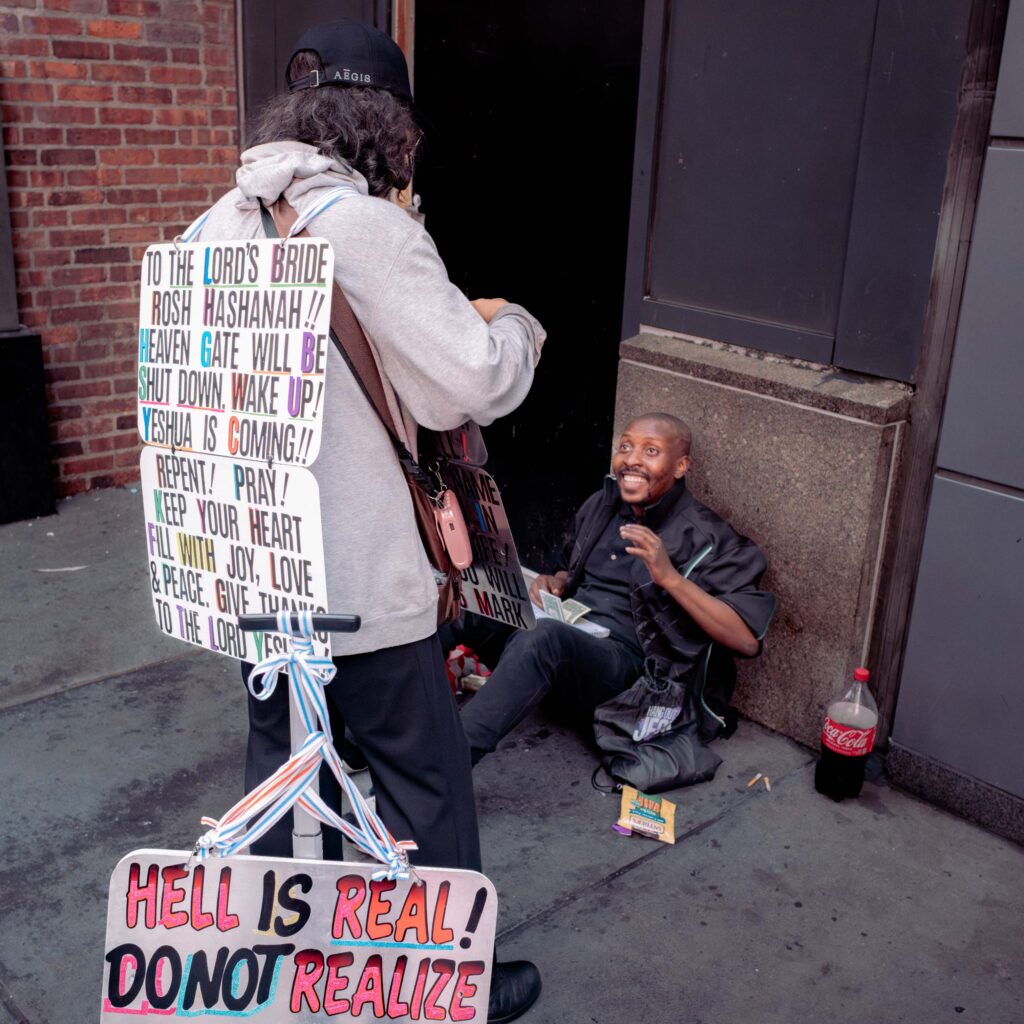
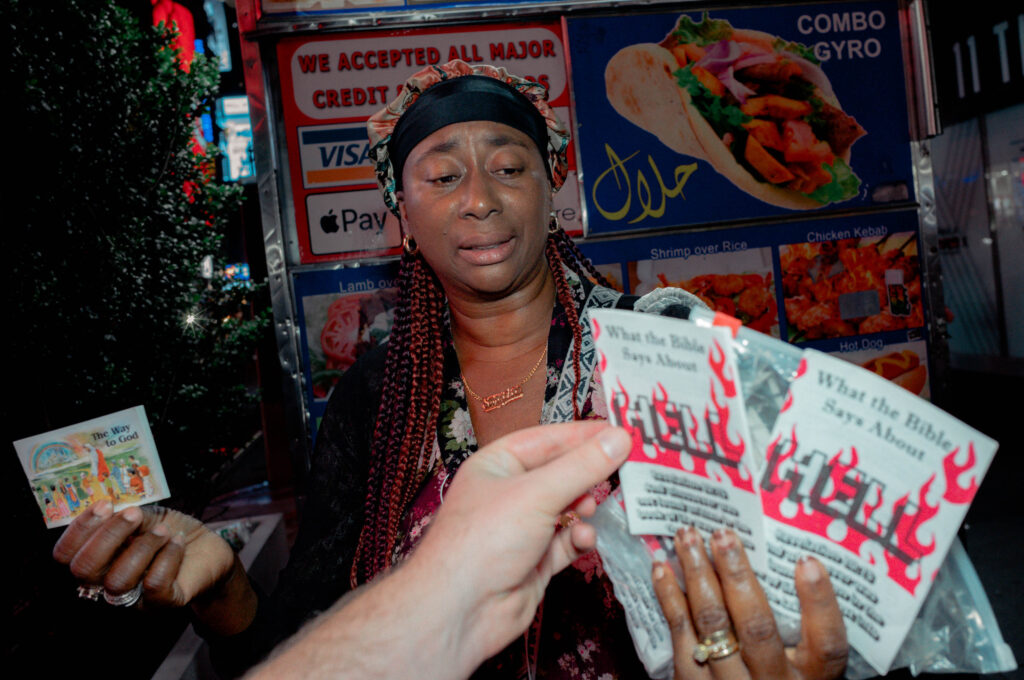
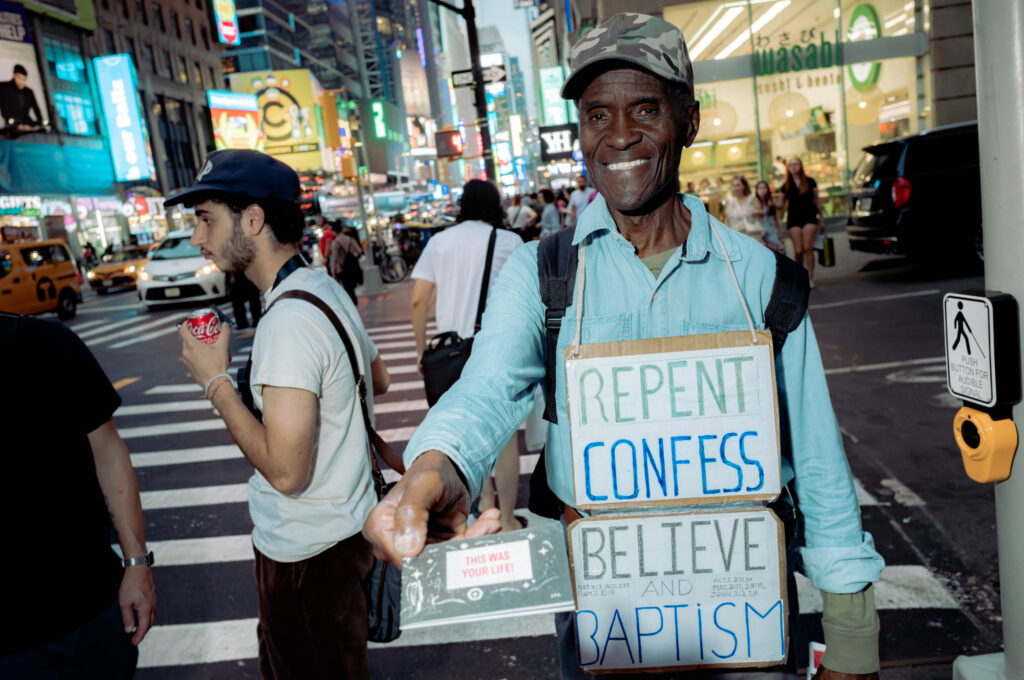
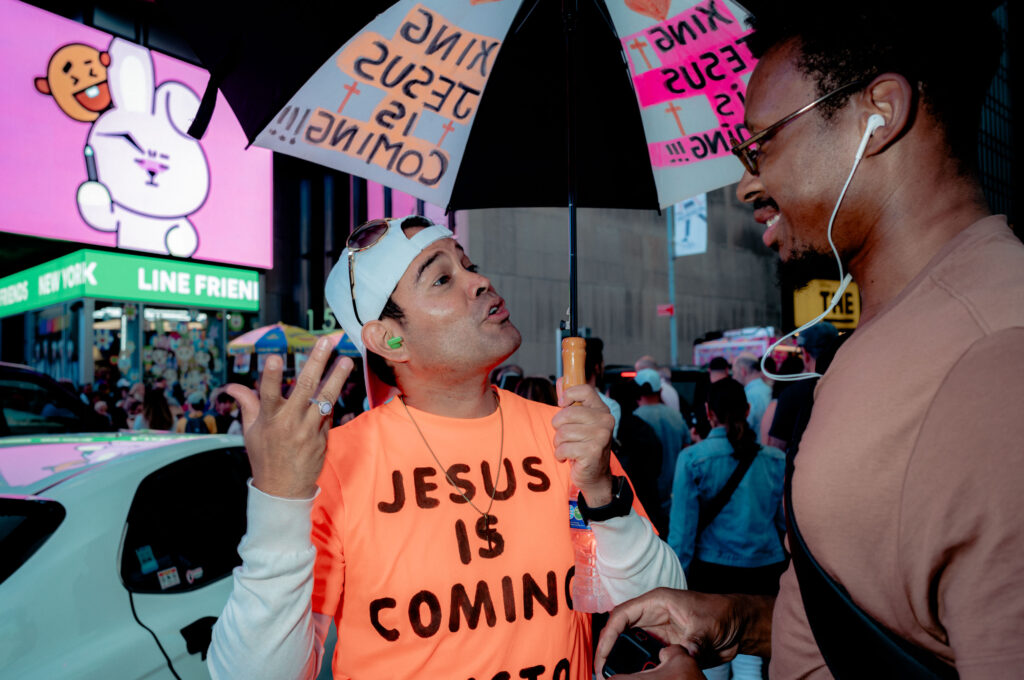

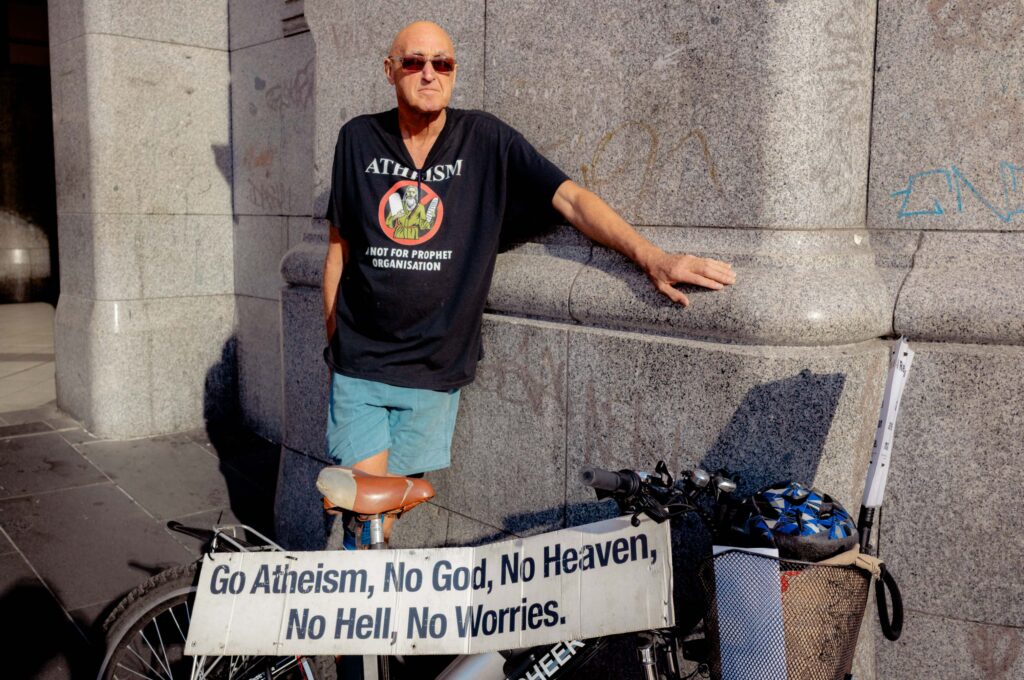
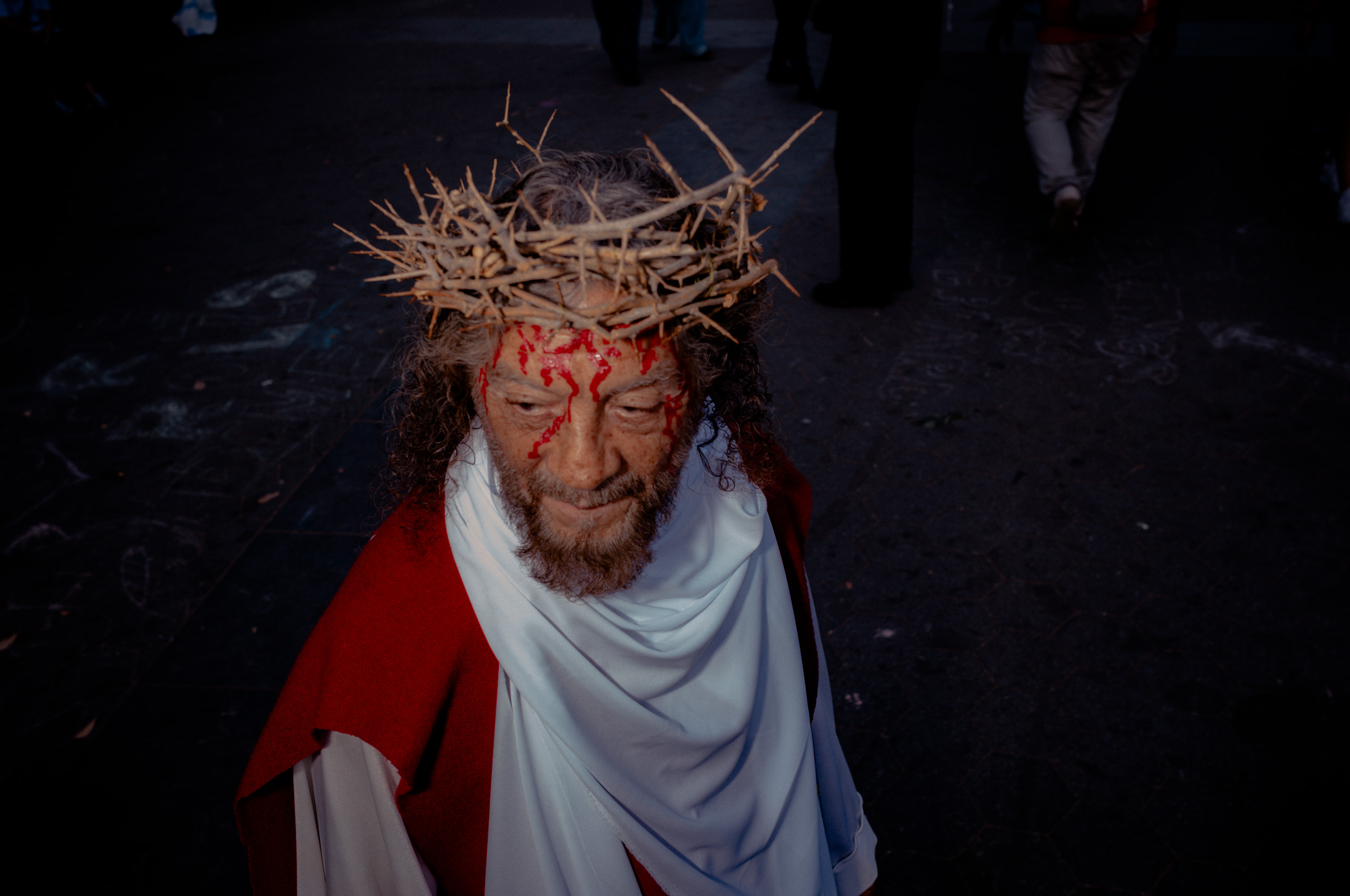
The Proselytizer follows preachers and religious advocates who occupy the street with the certainty that strangers must be addressed. Speech, signs, costume and posture turn belief into public performance.
The series does not decide whether the conviction is true. It watches what happens when the urge to save, warn or convert becomes a form of pressure. Passersby avoid, listen or resist, and their responses become part of the scene.
Across repeated encounters, the work asks when prophecy becomes coercion and how certainty organizes shared space even when no one consents to receive it. The camera stays with both the force of belief and the small choreography of refusal around it.