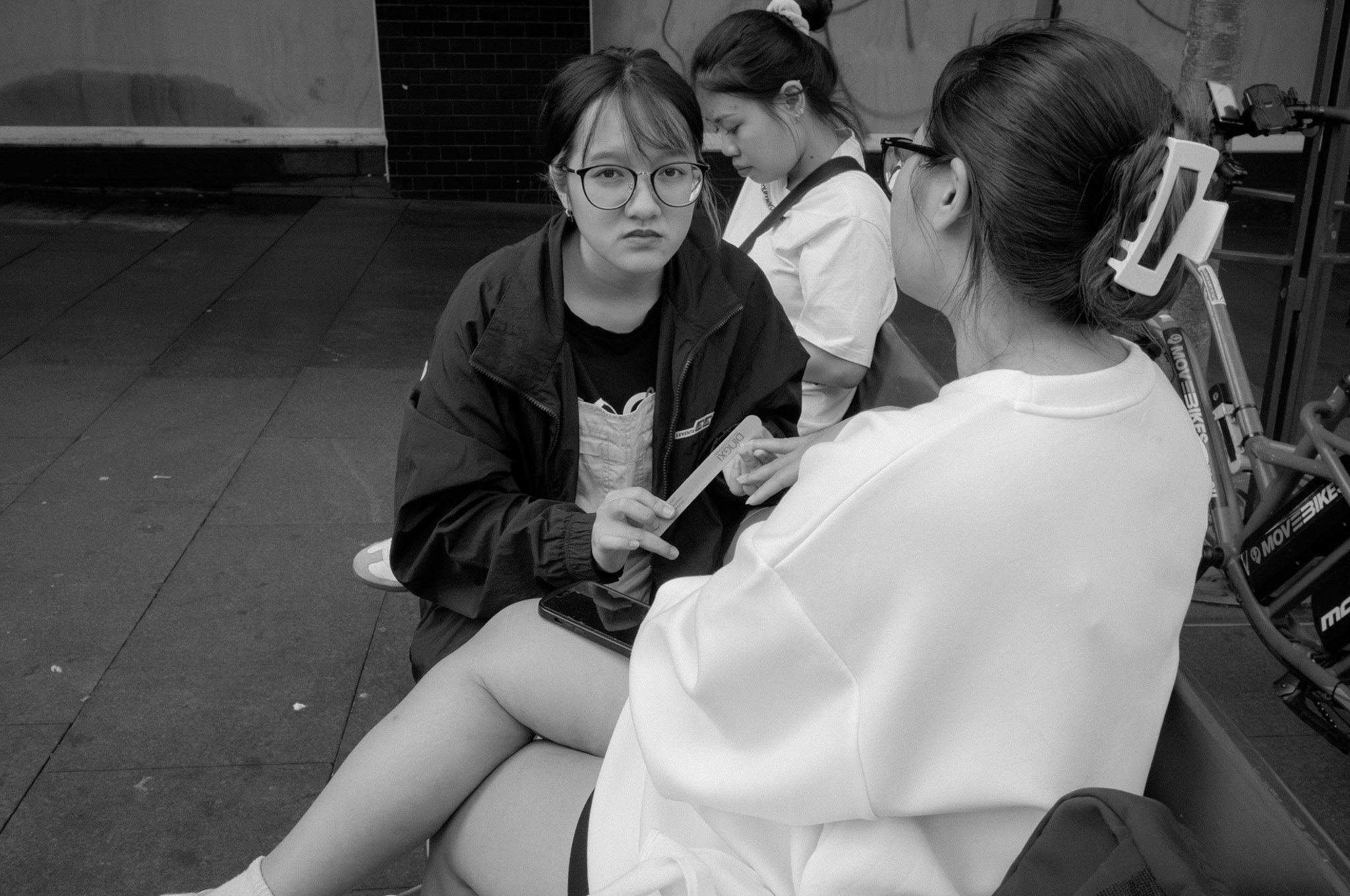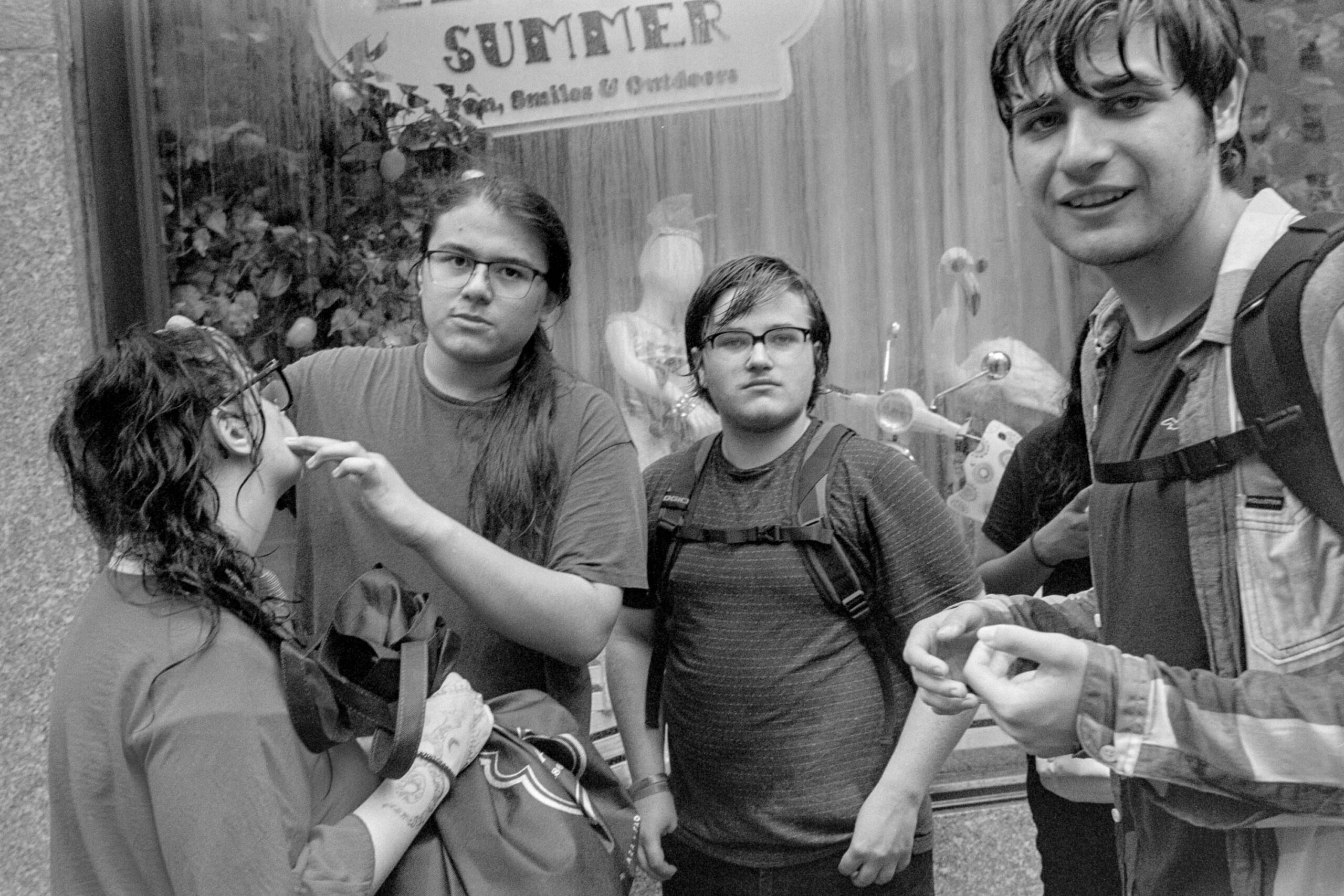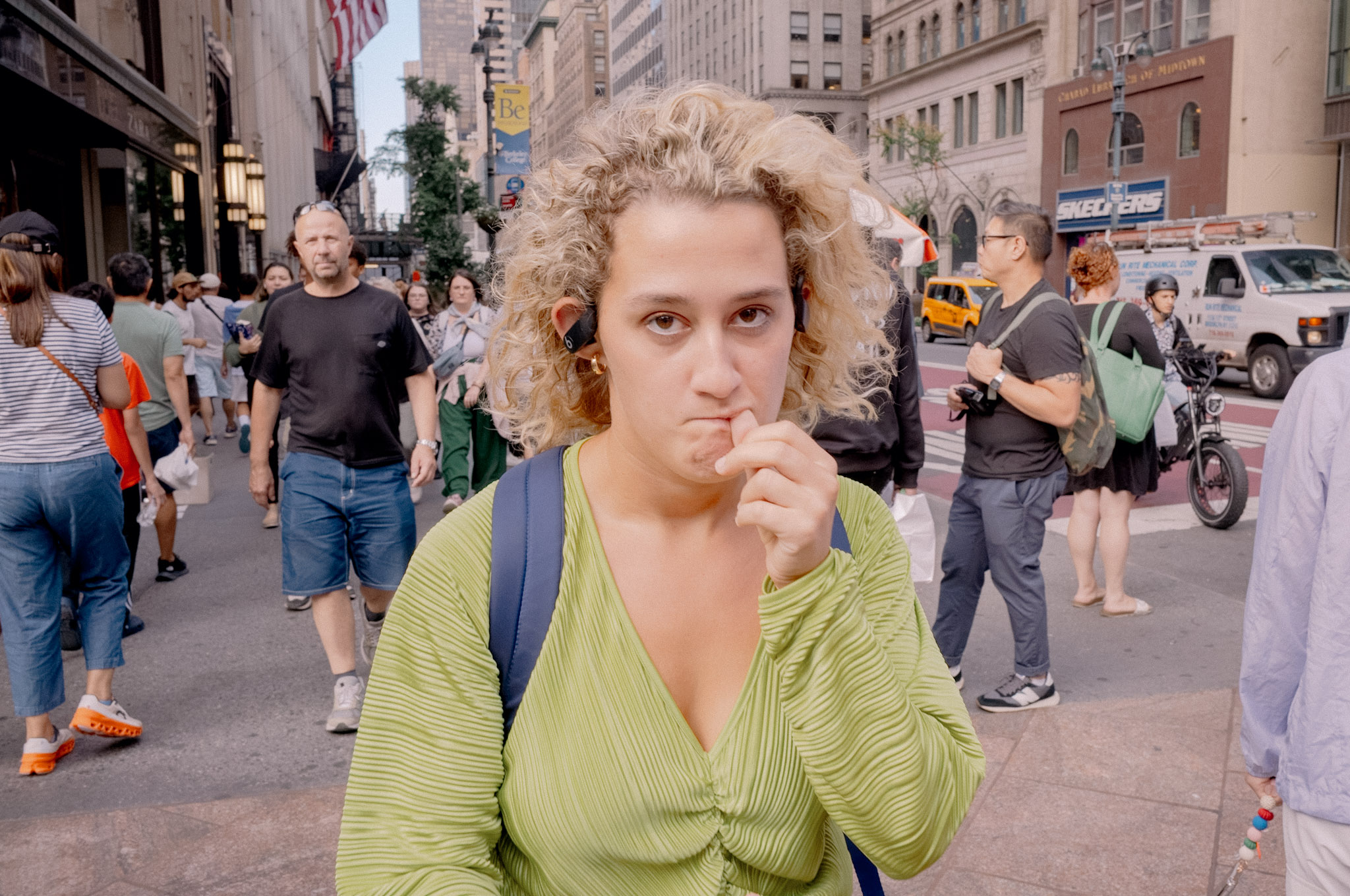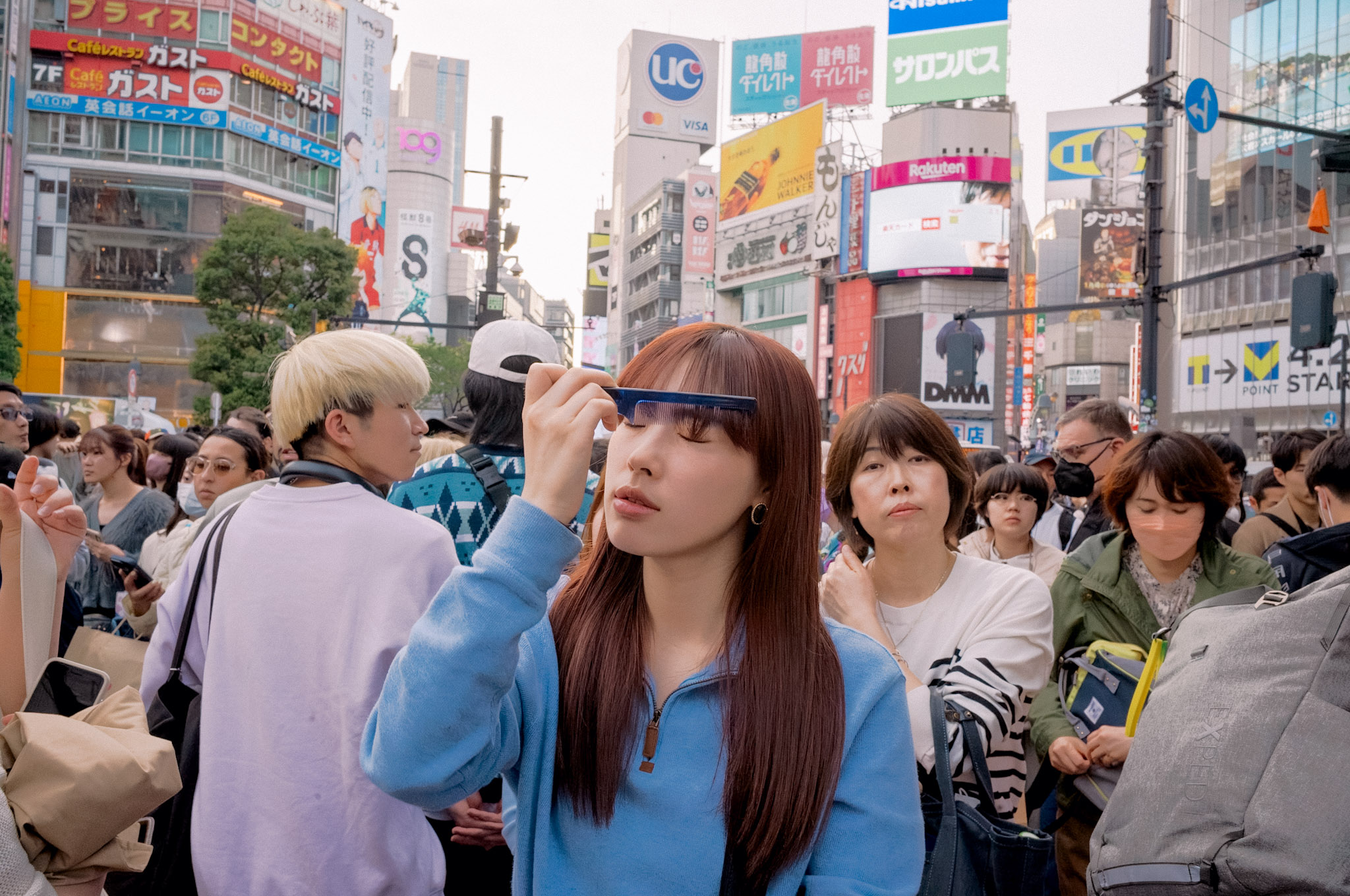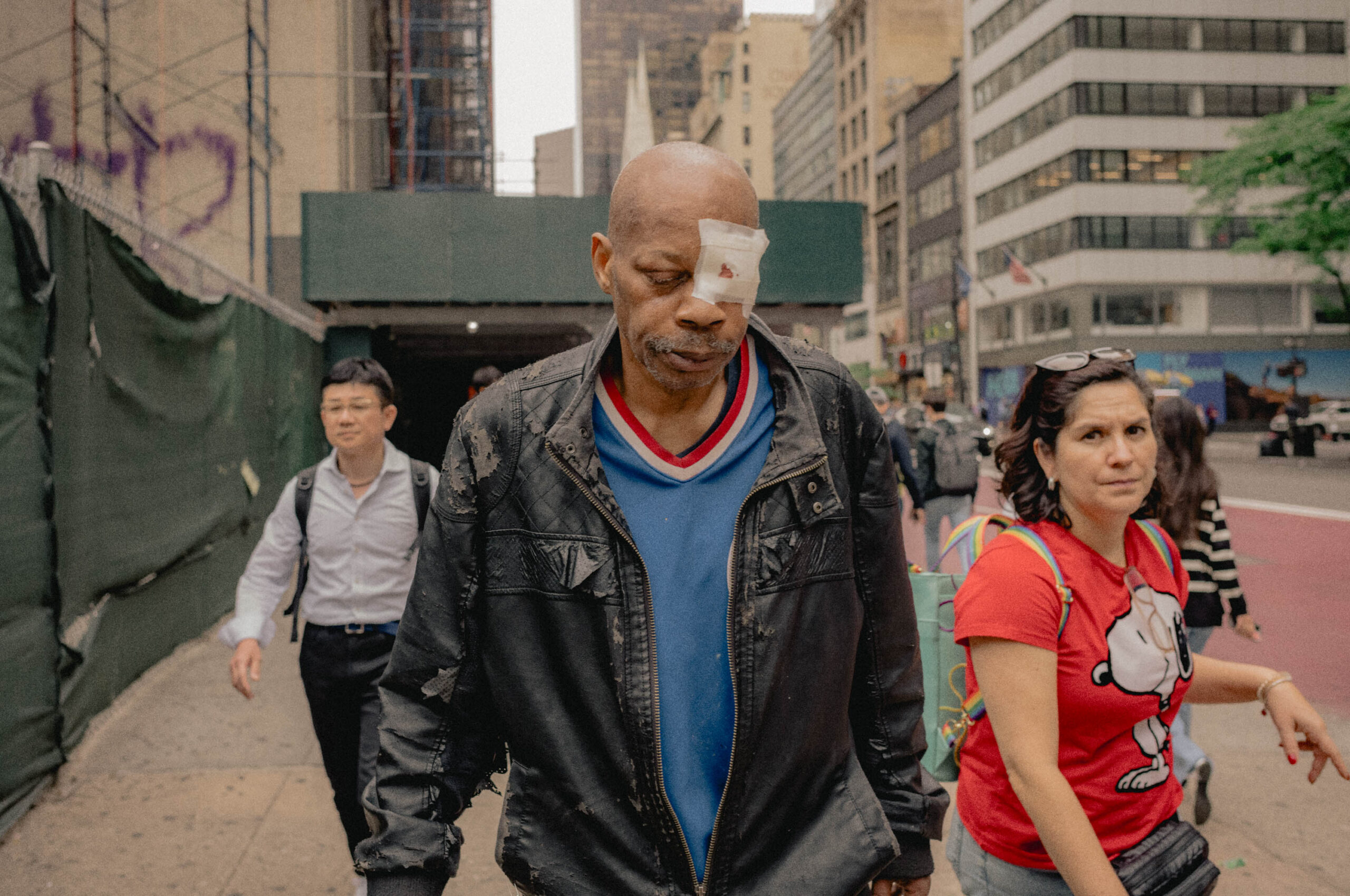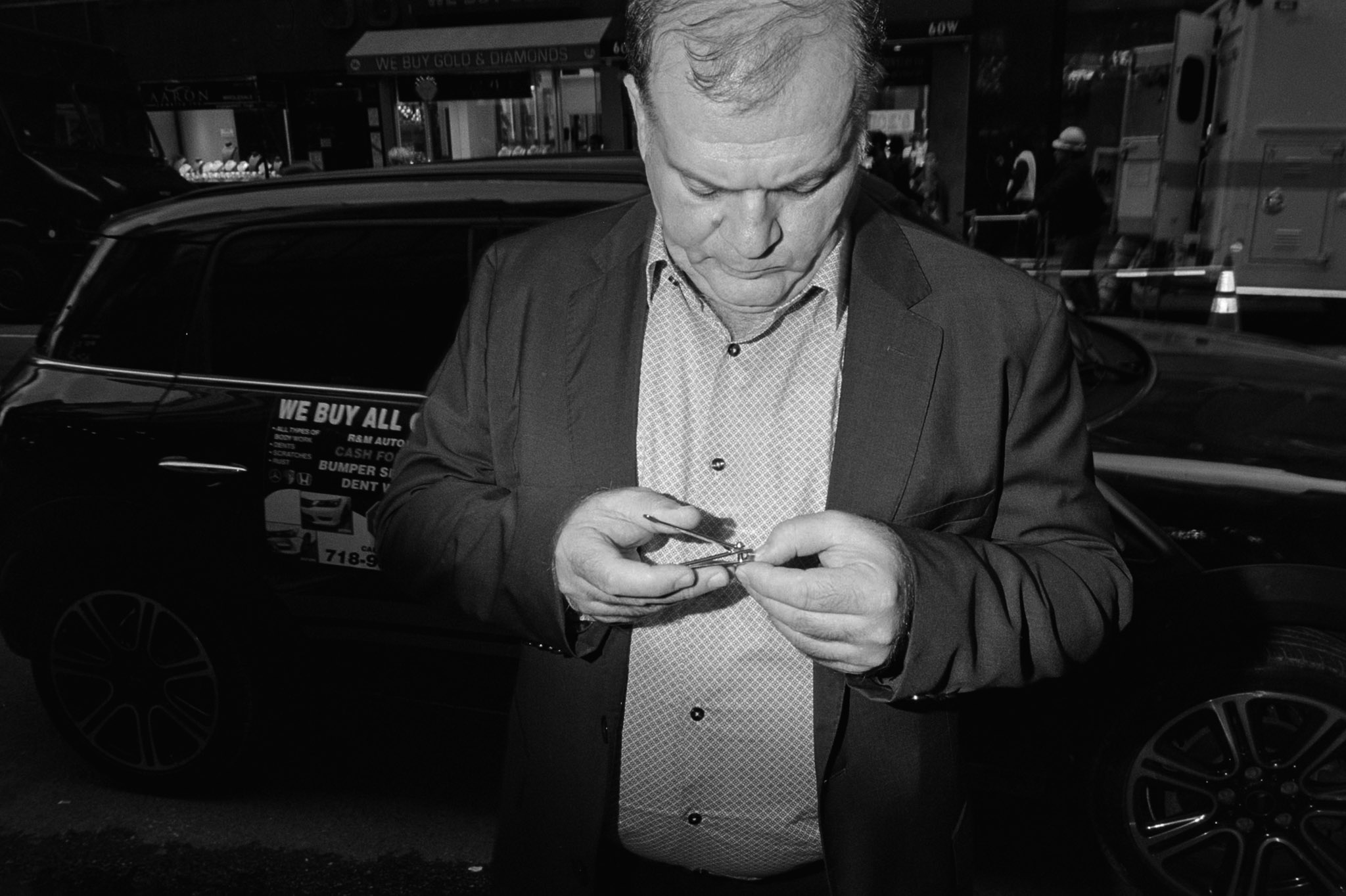
The condition and presentation of nails are routinely read as evidence of cleanliness, health, gender, class, discipline or neglect. The study stays with that movement, from visible detail to social inference, asking how ordinary grooming practices make bodies legible within codes that often pass as natural.
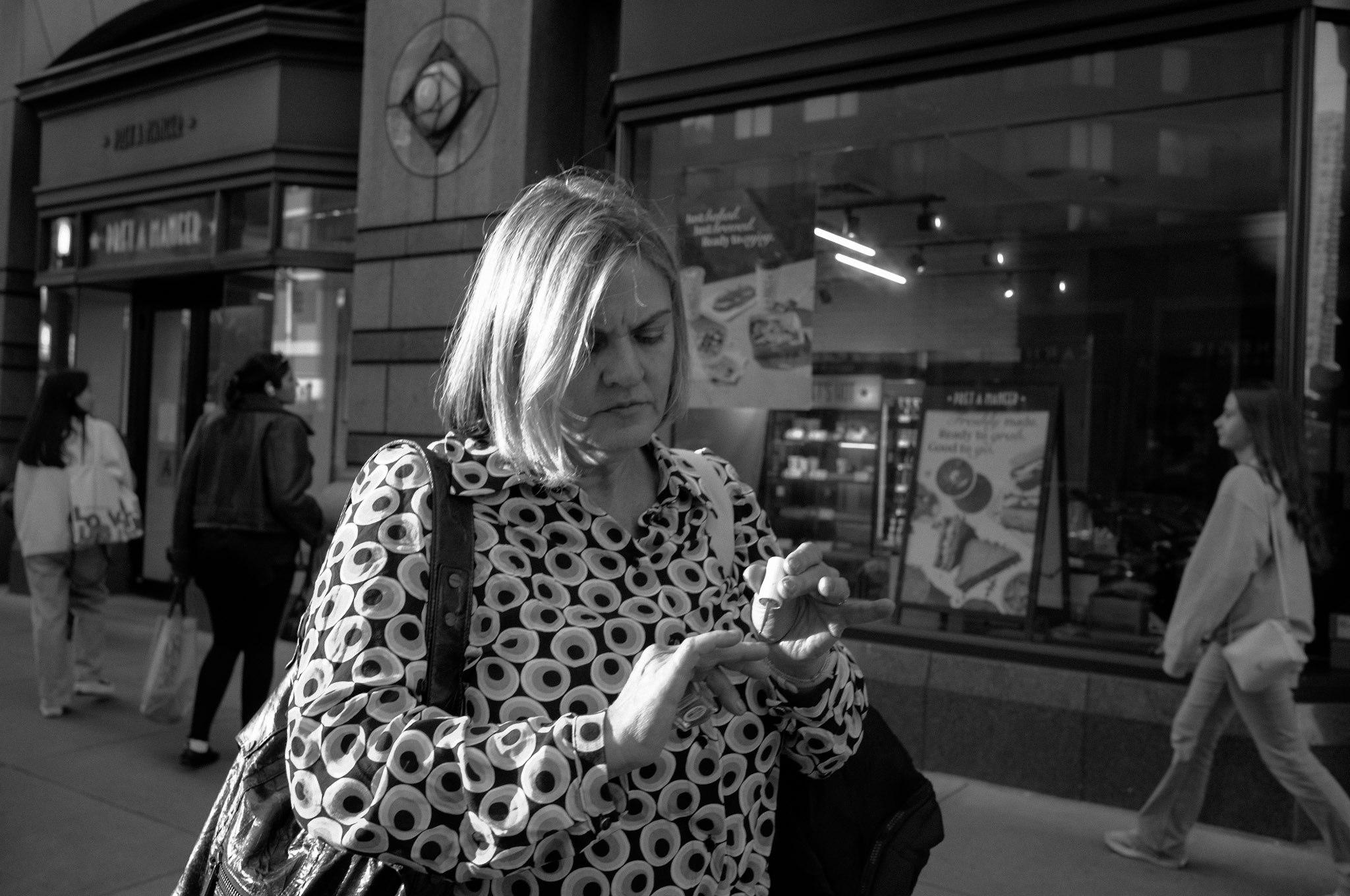
These photographs place the fingernail at the point where biological growth becomes cultural surface. The nail belongs to the body, but it is continually shaped, maintained and interpreted. A small physical edge becomes a site where care, display and judgment meet. That judgment moves quickly from surface to person.
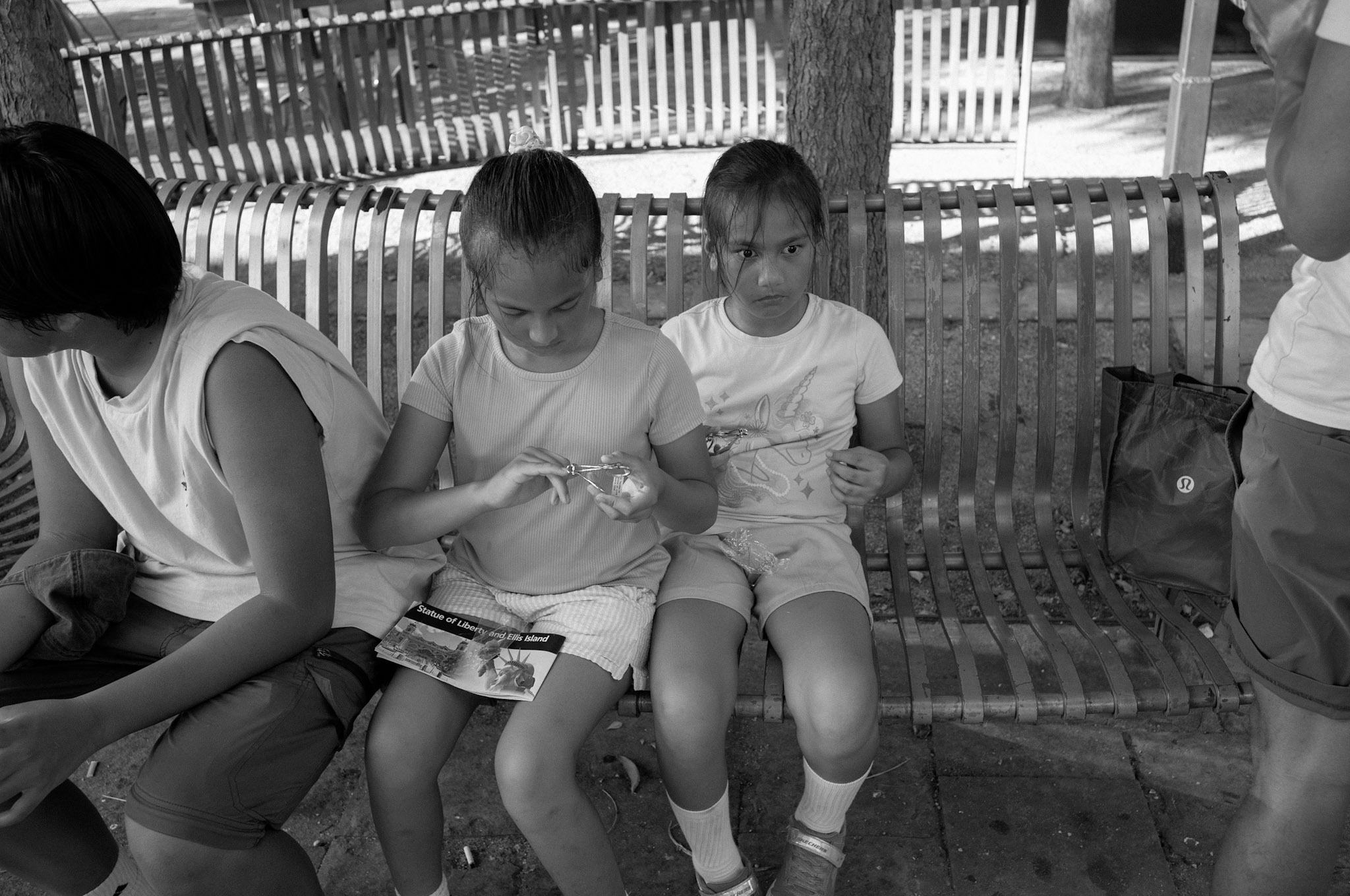
Because these photographs are made in public, acts of maintenance and self-fashioning enter a shared field of looking. Nailshop holds care, pleasure and personal style alongside the pressure to appear orderly, healthy or appropriate, without reducing one to the other.
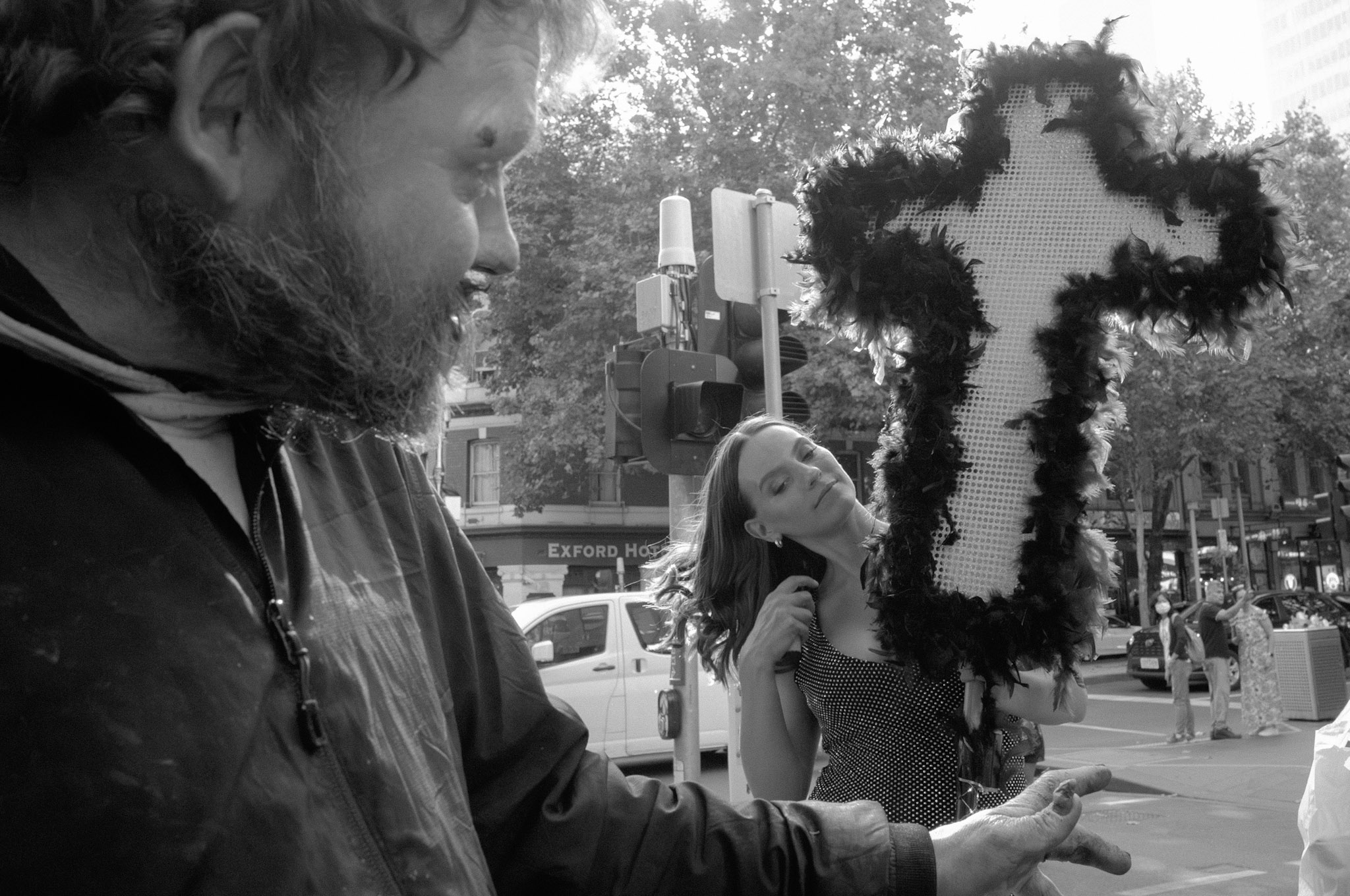
What interests me is how such a minor bodily detail can carry so much cultural weight, and what our readings of it reveal about the observer as well as the person observed.